

If you have a German Shepherd puppy, you’re probably wondering when it’s the right time to switch to adult dog food. Feeding your dog the right food at the right age is key to their health and growth.
Too early or too late can affect their energy, digestion, and overall well-being. You’ll discover the perfect age to make this important change and how to do it smoothly. Keep reading to make sure your loyal companion gets the best nutrition every step of the way.
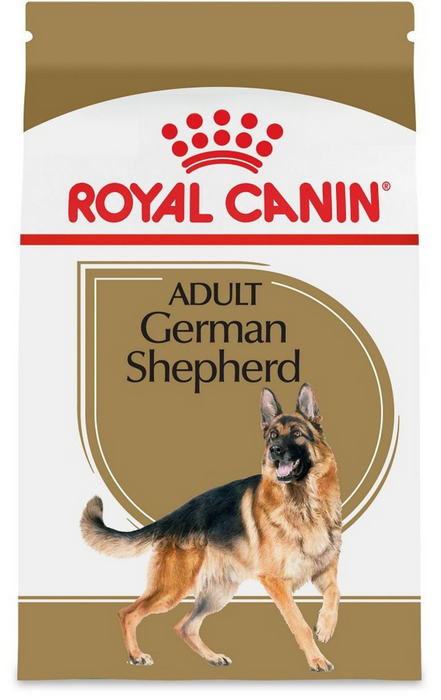
Credit: concordpetfoods.com
When To Switch To Adult Food
Knowing when to switch your German Shepherd from puppy food to adult dog food is key for healthy growth. The right timing supports their energy needs and overall health. Feeding adult food too early or too late can cause health issues. Watch your dog closely and follow clear age guidelines to make the switch smooth.
Age Milestones For Transition
German Shepherds usually switch to adult food between 12 and 18 months. Large breeds grow slower than small breeds, so they need puppy food longer. Many vets recommend switching around 15 months, when growth slows down. This stage means your dog needs fewer calories and different nutrients. Always check with your vet for your dog’s exact needs.
Signs Your Puppy Is Ready
Your German Shepherd shows signs when ready for adult food. They stop growing taller and gain less weight. Their energy levels may change and their coat becomes shinier. Watch for steady weight without rapid growth. If your puppy seems less hungry, it could mean they need adult food. These signs help you time the food change right.
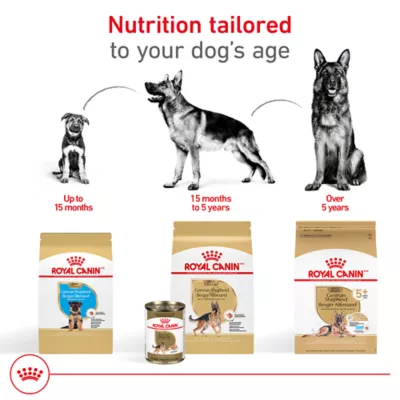
Credit: www.petsmart.com
Nutritional Needs Of German Shepherds
German Shepherds need special nutrition to grow strong and healthy. Their diet supports muscles, bones, and brain development. Proper food helps them stay active and live longer. Choosing the right food at the right age is very important.
Key Nutrients For Growth
Protein is essential for muscle building and repair. Healthy fats give energy and support skin and coat health. Calcium and phosphorus help bones grow strong. DHA, a type of fat, supports brain and eye development. Vitamins and minerals boost the immune system and overall health.
Differences Between Puppy And Adult Food
Puppy food has more calories for energy and growth. It contains higher protein and fat levels than adult food. Adult food has fewer calories to prevent weight gain. It focuses on maintaining health and keeping joints strong. Feeding the right food helps avoid nutrition problems later.
Benefits Of Switching At The Right Time
Switching your German Shepherd to adult dog food at the right time brings many benefits. It helps your dog grow strong and stay healthy. Feeding adult food too early or too late can cause problems. The right timing supports your dog’s body and mind as they change from puppy to adult.
Supporting Healthy Development
Adult dog food has the right nutrients for mature German Shepherds. Puppies need extra protein and fat for growth. Adult food has balanced nutrients to maintain muscle and energy. Changing food at the right time keeps your dog’s bones and joints healthy. It also helps their brain and coat stay in good condition.
Preventing Nutritional Imbalances
Feeding puppy food for too long can cause weight gain. It has more calories than adult dogs need. Switching too early may lead to missing nutrients needed for growth. Adult food prevents excess nutrients that stress organs. The right food balance keeps your dog’s digestion working well. It reduces the risk of health issues linked to poor nutrition.
How To Transition Gradually
Transitioning your German Shepherd to adult dog food needs care and patience. A sudden change can upset their stomach. Gradual change helps your dog adjust smoothly. This process keeps their digestion steady and avoids food refusal.
Step-by-step Food Change
Start by mixing 25% adult food with 75% puppy food. Feed this blend for three days. Next, change the mix to 50% adult and 50% puppy food for another three days. Then, move to 75% adult food with 25% puppy food. After three days, feed only adult dog food. This slow change helps your dog accept the new diet easily.
Monitoring Your Dog’s Reaction
Watch your dog’s stool and appetite during the transition. Soft stool or diarrhea means the change is too fast. Your dog may refuse food if they dislike the taste. If problems arise, slow the transition pace. Always provide fresh water to help digestion. Keep your vet informed about any issues.
Common Mistakes To Avoid
Feeding your German Shepherd the right food at the right age is important. Many dog owners make common mistakes. These errors can affect your dog’s health and growth. Understanding what to avoid helps your dog stay strong and healthy.
Switching Too Early Or Late
Changing to adult food too soon can cause nutrition problems. Puppies need special nutrients to grow. Adult food lacks some of these nutrients. Switching too late can lead to weight gain. Puppy food has more calories. Timing the switch correctly supports healthy development.
Ignoring Breed-specific Needs
German Shepherds have unique dietary needs. Their size and energy levels differ from other dogs. Using generic adult food may not meet these needs. They need food with proper protein and fat levels. Ignoring this can cause joint and skin problems. Choose food made for large, active breeds.
Choosing The Best Adult Dog Food
Choosing the best adult dog food for your German Shepherd is important. It helps keep your dog healthy and active. Good food supports strong muscles, a shiny coat, and good energy. Select food that matches your dog’s age, size, and health needs. Quality ingredients make a big difference in your dog’s well-being.
Ingredients To Look For
High-quality protein is a must. Chicken, beef, or fish provide strong muscles. Whole grains like brown rice give energy. Vegetables such as carrots and spinach add vitamins and minerals. Avoid foods with too many fillers like corn or soy. Healthy fats like omega-3 and omega-6 help skin and coat. Natural antioxidants support the immune system. Always check the ingredient list for clear sources.
Recommended Brands For German Shepherds
Choose brands known for quality and nutrition. Some brands use real meat as the first ingredient. Look for those with balanced nutrients for large breeds. Brands with special formulas for German Shepherds are ideal. They often include joint support ingredients. Find a brand with good reviews from dog owners. Always pick products that meet AAFCO standards for dog food.
Special Considerations For German Shepherds
German Shepherds need special care in their diet. Their unique body and energy levels require careful food choices. Feeding them adult dog food too early or too late can cause problems. Understanding their needs helps keep them healthy and strong.
Health Issues Related To Diet
German Shepherds are prone to certain health problems. Joint issues like hip dysplasia are common. Too much calcium or improper nutrition can make this worse. A balanced diet supports healthy bones and joints. Digestive problems also occur often in this breed. High-quality ingredients help reduce stomach upset and allergies.
Adjusting Food For Activity Levels
German Shepherds are active dogs. Their food must match their energy use. Puppies need more calories for growth. Adult dogs require food based on daily exercise. Less active dogs need fewer calories to avoid weight gain. Active dogs need extra nutrients for muscle repair and stamina. Proper feeding keeps them fit and happy.

Credit: www.amazon.com
Frequently Asked Questions
When Should German Shepherds Switch To Adult Dog Food?
German Shepherds can transition to adult dog food between 12 and 18 months. This timing supports their growth while meeting nutritional needs. Early or late switching can affect health, so consult your vet for personalized advice.
Why Is Switching To Adult Dog Food Important?
Switching to adult dog food ensures balanced nutrition for mature German Shepherds. Puppy formulas are rich in calories and nutrients for growth. Adult food prevents obesity and supports maintenance, joint health, and energy levels.
How To Transition German Shepherds To Adult Dog Food?
Gradually mix adult dog food with puppy food over 7-10 days. Increase adult food proportion daily to avoid digestive upset. Monitor your dog’s reaction and adjust the pace as needed for a smooth change.
What Age Is Too Early To Feed Adult Dog Food?
Feeding adult dog food before 12 months is too early for German Shepherds. Puppies require higher calories and nutrients for rapid growth. Premature switching may lead to nutrient deficiencies and stunted development.
Conclusion
German Shepherds usually switch to adult food around one year old. This change helps support their energy and health needs. Watch your dog’s growth and behavior during this time. A balanced diet keeps them strong and active. Always check with your vet before changing food.
Proper nutrition leads to a happy, healthy dog. Feeding the right food at the right age matters a lot. Keep your German Shepherd’s diet simple and steady. Small steps make a big difference in their life.


