

If you’ve noticed your dog’s BUN levels are higher than they should be, you’re probably worried about their health and want to help them feel better fast. High BUN can signal kidney stress or other issues, and managing it is key to your furry friend’s well-being.
Luckily, certain nutritional supplements can support your dog’s kidneys and help reduce BUN levels naturally. You’ll discover which supplements work best and how they can make a real difference in your dog’s health. Keep reading to find out how to give your dog the care they deserve.
Causes Of Elevated Bun In Dogs
Elevated blood urea nitrogen (BUN) levels in dogs can indicate health problems. Understanding the causes helps pet owners manage their dog’s health better. Various factors affect BUN levels, including kidney health, hydration, and diet. Knowing these causes allows for better care and timely action.
Kidney Function And Bun Levels
The kidneys filter waste from the blood. When kidneys do not work well, BUN levels rise. Poor kidney function means waste builds up in the blood. This condition often shows signs like tiredness and loss of appetite.
Dehydration And Its Effects
Dehydration reduces blood flow to the kidneys. This lowers the kidneys’ ability to remove waste. As a result, BUN levels increase. Dogs that do not drink enough water or lose fluids quickly may become dehydrated.
Dietary Factors Influencing Bun
High protein diets can raise BUN levels. Protein breaks down into nitrogen waste, which the kidneys must filter. Too much protein strains the kidneys and raises BUN. Balanced diets help keep BUN levels stable in healthy dogs.
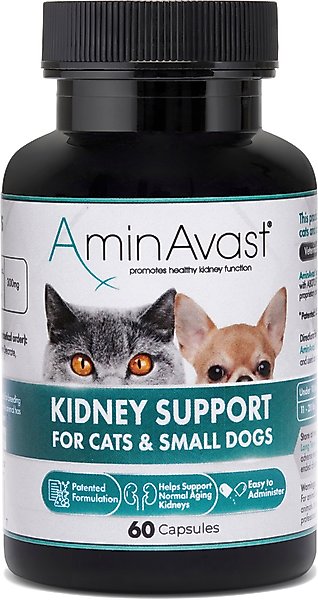
Credit: www.chewy.com
Key Supplements To Lower Bun
High blood urea nitrogen (BUN) levels can signal kidney issues in dogs. Certain supplements help lower BUN and support kidney health. These supplements work by reducing inflammation, improving digestion, and protecting cells from damage.
Using the right supplements can ease the strain on your dog’s kidneys. Here are some key supplements that help lower BUN naturally.
Omega-3 Fatty Acids Benefits
Omega-3 fatty acids reduce kidney inflammation in dogs. They help improve blood flow and lower protein loss in urine. Fish oil is a common source of omega-3s for dogs. Regular omega-3 intake supports kidney function and may reduce BUN levels.
Probiotics For Kidney Health
Probiotics improve gut health and reduce toxin buildup in the blood. Healthy gut bacteria can break down waste products before kidneys filter them. Giving probiotics helps reduce the workload on the kidneys. This can lead to lower BUN levels in dogs.
Antioxidants Role In Reducing Bun
Antioxidants protect kidney cells from damage caused by free radicals. Vitamins C and E are strong antioxidants that support kidney health. They help reduce oxidative stress, which can worsen kidney problems. Using antioxidants can help keep BUN levels in check.
Herbal Remedies For Kidney Support
Herbal remedies offer gentle support for dogs with kidney problems. These natural supplements can help reduce blood urea nitrogen (BUN) levels. They work by improving kidney function and lowering toxin buildup. Using herbs may support your dog’s health in a safe way.
Always consult a vet before starting any herbal treatment. Dosage and quality matter for the best results. Below are some common herbs used to support dog kidneys.
Milk Thistle Extract
Milk thistle contains silymarin, a compound that protects liver and kidney cells. It helps reduce inflammation and promotes cell repair. This extract can lower toxins in the blood, easing the kidney’s workload. Many dog owners use milk thistle to support organ health safely.
Dandelion Root
Dandelion root acts as a natural diuretic. It helps flush out excess fluids and toxins through urine. This process reduces strain on the kidneys and lowers BUN levels. Dandelion also contains antioxidants that fight inflammation and protect kidney tissue.
Turmeric And Curcumin
Turmeric contains curcumin, a powerful anti-inflammatory agent. It reduces kidney inflammation and protects cells from damage. Curcumin improves blood flow, which supports kidney function. This herb can be a helpful part of your dog’s kidney care plan.

Credit: www.amazon.com
Dietary Adjustments To Complement Supplements
Adjusting a dog’s diet plays a key role in managing blood urea nitrogen (BUN) levels. Supplements help, but diet changes support their effects. Careful food choices ease kidney work and improve overall health.
Small, steady changes in diet can make a big difference. Understanding what to feed and what to avoid helps maintain healthy BUN levels. Focus on balanced meals with the right nutrients.
Low-protein Diet Options
Reducing protein intake lowers BUN levels because protein breaks down into urea. Choose high-quality proteins like eggs or fish. These are easier for kidneys to process.
Special low-protein dog foods can also help. These diets provide enough nutrition without excess protein. Consult your vet before making major diet changes.
Hydration Strategies
Water helps flush out waste, lowering BUN naturally. Make sure your dog drinks fresh water often. Wet dog foods or broth can boost hydration.
Keep water bowls clean and refill them regularly. For dogs that drink little, try ice cubes or flavored water to encourage drinking.
Foods To Avoid
Avoid high-protein treats and human foods like red meat and cheese. These can raise BUN quickly. Also, stay away from salty or processed foods.
Certain dog foods with additives or fillers may stress kidneys. Read labels carefully. Choose natural, simple ingredients for your dog’s meals.
When To Consult A Veterinarian
Knowing when to consult a veterinarian is vital for your dog’s kidney health. Nutritional supplements can help reduce BUN levels, but professional advice ensures safety and effectiveness. Early consultation can prevent serious problems and improve your pet’s quality of life.
Recognizing Symptoms Of Kidney Issues
Watch for signs like increased thirst and frequent urination. Weakness, vomiting, and loss of appetite also indicate kidney troubles. Early detection helps your vet provide the right treatment faster. Never ignore these symptoms or try to self-treat without guidance.
Monitoring Bun Levels Regularly
Regular blood tests track your dog’s BUN levels. Vets use these results to adjust supplements and treatment plans. Keep a record of your dog’s health changes over time. Consistent monitoring helps catch kidney issues before they worsen.
Safe Supplement Usage Guidelines
Always follow your veterinarian’s dosage instructions for supplements. Overuse or wrong supplements can harm your dog’s kidneys. Avoid human supplements unless your vet approves them. Safe use of supplements supports kidney health without risks.

Credit: www.amazon.com
Frequently Asked Questions
What Supplements Help Reduce Bun Levels In Dogs?
Supplements like omega-3 fatty acids, probiotics, and antioxidants can help lower BUN levels. These improve kidney function and reduce inflammation. Always consult a vet before starting supplements to ensure safety and effectiveness.
Can Probiotics Improve Kidney Health In Dogs?
Yes, probiotics support gut health and reduce toxin buildup, aiding kidney function. They help lower BUN by improving waste elimination. Probiotics are safe but should be given under veterinary guidance for best results.
How Do Omega-3 Fatty Acids Affect Dog Bun?
Omega-3 fatty acids reduce kidney inflammation and support healthy blood flow. This helps lower BUN levels in dogs with kidney issues. Fish oil supplements are common sources, but vet approval is essential before use.
Are Antioxidants Beneficial For Dogs With High Bun?
Antioxidants protect kidney cells from damage and oxidative stress. They can help decrease BUN by improving overall kidney health. Common antioxidants include vitamins E and C, which should be given as per vet recommendations.
Conclusion
Nutritional supplements can help reduce BUN levels in dogs. Supplements like omega-3, antioxidants, and certain vitamins support kidney health. Feeding your dog a balanced diet is also important. Always check with a vet before starting supplements. Small changes can make a big difference in your pet’s well-being.
Keep monitoring your dog’s health regularly. Good care improves their quality of life. Simple steps help keep your dog happy and healthy.


