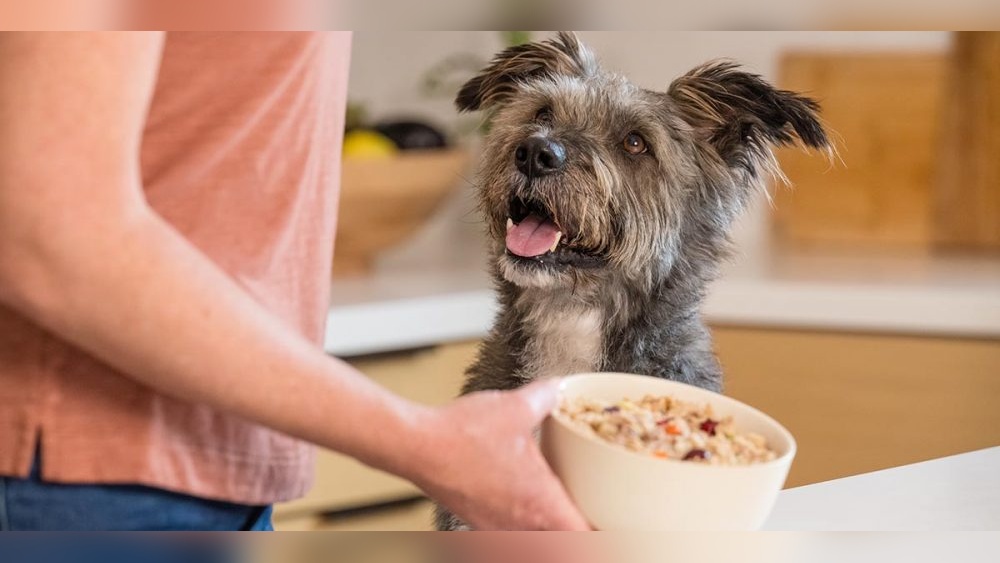
You want the best for your dog, and feeding them right is a big part of that. Moving your puppy from puppy food to adult food can feel confusing.
How do you know when it’s time? What’s the best way to make the switch without upsetting their tummy? This guide will walk you through simple, effective steps to help your furry friend make a smooth transition. Keep reading to learn how to keep your dog happy, healthy, and full of energy as they grow up.

Credit: www.iams.com
Signs Puppy Is Ready For Adult Food
Knowing when to switch your puppy to adult dog food is key for healthy growth. Puppies need more energy and nutrients than adult dogs. Feeding adult food too early or too late can affect their development. Watch for clear signs that your puppy is ready for the change. These signs include age, behavior, and growth patterns.
Age Milestones
Puppies usually start adult food between 9 to 12 months old. Small breeds may switch earlier, around 9 months. Large breeds may wait up to 12 months or more. Age is a basic guide but not the only factor. Each puppy grows at its own pace.
Behavioral Changes
Your puppy may show less energy than before. They may eat less or lose interest in puppy food. Adult food can be more filling and less rich. Watch for calmer behavior and steady activity levels. These changes mean your puppy’s body is maturing.
Growth Patterns
Puppies grow fast at first, then growth slows down. When your puppy’s height and weight increase slows, it’s a sign. Check if their bones feel stronger and teeth are adult-sized. Slower growth means their nutritional needs are shifting. This is the right time to try adult dog food.

Credit: shop.bullymax.com
Choosing The Right Adult Dog Food
Choosing the right adult dog food is a key step in your dog’s growth. The right food supports health and energy. It helps your dog stay strong and active during adulthood. Understanding what your dog needs makes this choice easier.
Nutritional Needs
Adult dogs need fewer calories than puppies. Their food should have balanced protein and fat. Protein helps maintain muscles. Fat provides energy without extra weight. Fiber aids digestion and keeps the gut healthy. Vitamins and minerals support overall health.
Breed And Size Considerations
Dogs come in many sizes and breeds. Large breeds need food that supports joints and bones. Small breeds need smaller kibble for easy chewing. Breed also affects energy levels and metabolism. Choose food designed for your dog’s size and breed type.
Quality Ingredients
Good adult dog food uses real meat as the first ingredient. Avoid foods with fillers like corn or wheat. Natural ingredients support digestion and health. Look for added vitamins and minerals. Avoid artificial colors, flavors, and preservatives.
Step-by-step Transition Process
Transitioning your dog from puppy to adult food is important for their health. A slow and steady change helps avoid stomach problems. Follow this simple step-by-step process to make the switch smooth and stress-free for your pet.
Gradual Food Mixing
Start by mixing a small amount of adult food with puppy food. Use about 25% adult food and 75% puppy food. Feed this mix for three to four days. Then, increase adult food to 50% and puppy food to 50%. Continue this for another three to four days. Next, mix 75% adult food with 25% puppy food. After a week, switch to 100% adult food. This slow change helps your dog’s tummy adjust.
Monitoring Dog’s Reaction
Watch your dog closely during the transition. Check for signs like vomiting, diarrhea, or loss of appetite. A small change in stool is normal, but severe issues need attention. If your dog shows any problems, slow down the transition. Give more days at each step until your dog feels comfortable. Healthy dogs usually adapt within two weeks.
Adjusting Portion Sizes
Adult dogs need fewer calories than puppies. Adjust the portion size to avoid overeating. Check your dog’s weight and energy levels regularly. Feed the right amount based on the food package or your vet’s advice. Smaller, frequent meals work well at first. This helps your dog get used to the new food and portion size.
Common Transition Challenges
Changing your dog’s food from puppy to adult can bring some challenges. This phase needs care to keep your dog healthy and happy. Many dogs face issues during this transition. Knowing these common problems helps you manage them better.
Watch your dog closely. Early signs can show if the new food is not suitable. Understanding these challenges helps you act fast and keep your dog comfortable.
Digestive Issues
Dogs may suffer from upset stomachs after a food change. Diarrhea, vomiting, or gas can happen. These symptoms mean the dog’s tummy is adjusting. Gradual food changes can reduce these problems. Mixing old and new food over several days helps digestion.
Food Refusal
Some dogs refuse to eat new food. They may dislike the taste or texture. This refusal can cause worry for pet owners. Try mixing a small amount of adult food with puppy food. Patience is key. Offering food at regular times helps create a routine.
Allergic Reactions
New food may cause allergies in some dogs. Watch for itching, redness, or swelling. These signs show your dog might be allergic. Stop feeding the new food immediately if allergies appear. Consult your vet for advice and suitable alternatives.
Tips To Support Healthy Eating Habits
Supporting healthy eating habits is key during your dog’s transition from puppy to adult food. Good habits help your dog digest food well and stay strong. These tips keep mealtime stress-free and healthy for your pet.
Healthy eating also helps your dog feel happy and full of energy. Simple routines and smart choices make a big difference in your dog’s health.
Consistent Feeding Schedule
Feed your dog at the same times every day. This routine helps their digestion and metabolism. Dogs thrive on regular meals. Avoid free feeding, as it can lead to overeating and weight issues.
Set two meal times daily for adult dogs. Stick to these times to build good habits. Your dog will learn when to expect food and feel secure.
Hydration Importance
Always provide fresh water during and after meals. Water aids digestion and keeps your dog hydrated. Dehydration can cause health problems and low energy.
Check water bowls often and refill them. Clean bowls prevent bacteria and encourage drinking. Proper hydration supports all body functions.
Avoiding Human Food
Do not feed your dog human food. Many foods can upset their stomach or be toxic. Treats should be dog-safe and given in moderation only.
Human food can cause bad habits and weight gain. Stick to balanced dog food designed for their age. This keeps your dog healthy and happy.
When To Consult A Veterinarian
Transitioning your dog from puppy to adult food is a big step. Sometimes, this change might cause issues or raise questions. Consulting a veterinarian helps keep your dog healthy during this switch. A vet can guide you if any problems or special needs arise.
Persistent Digestive Problems
Digestive issues like vomiting, diarrhea, or constipation need attention. If these problems last more than a few days, see a vet. Your dog may need a different diet or treatment. Ignoring these signs can lead to serious health problems.
Weight Management Concerns
Weight changes during food transition are common. Sudden weight loss or gain should not be ignored. A vet can check for underlying health issues. They can also suggest the right food and portion sizes.
Special Dietary Needs
Some dogs have allergies or medical conditions. These require special diets and careful food choices. A veterinarian can recommend the best food type. Proper nutrition helps your dog stay strong and happy.
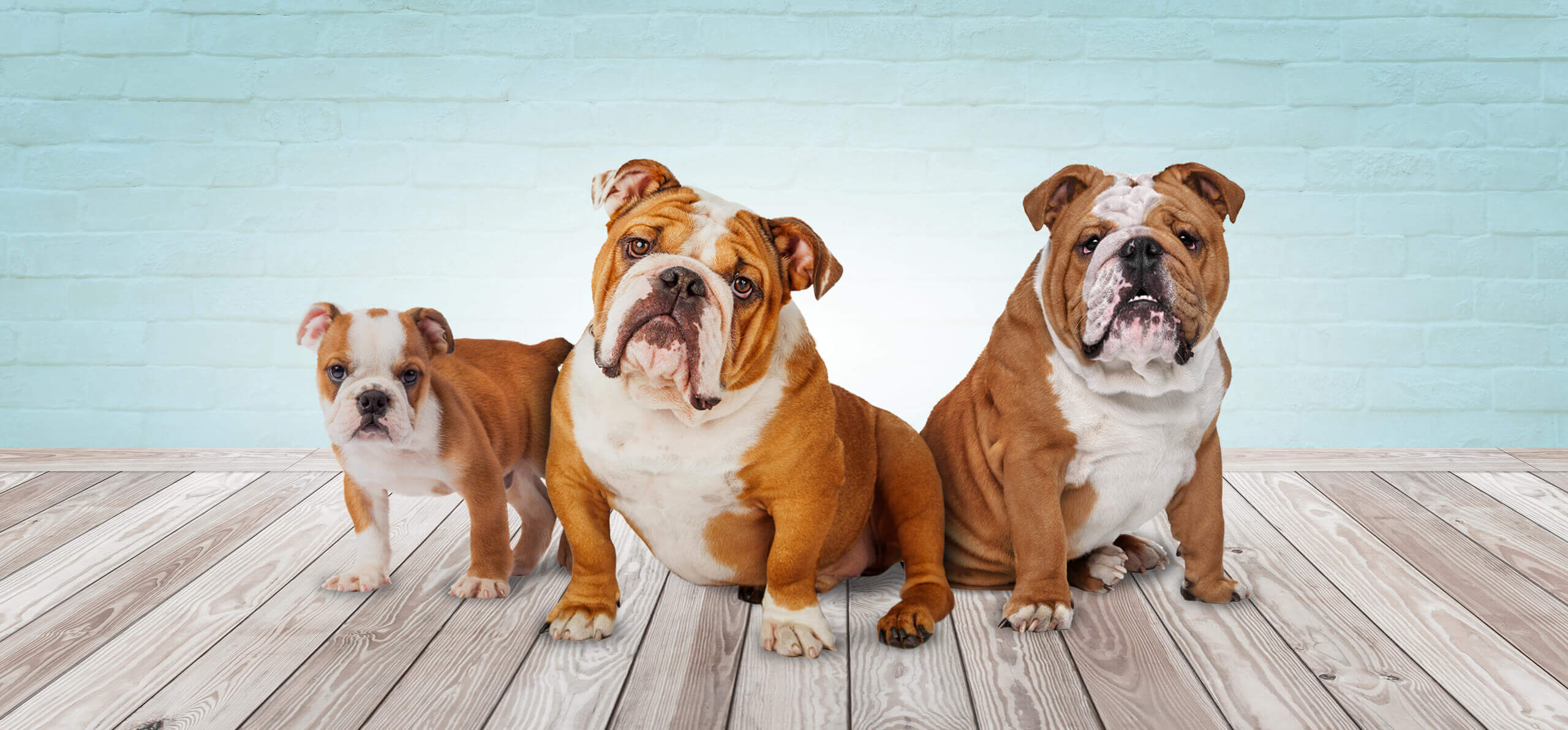
Credit: www.bluebuffalo.com
Frequently Asked Questions
When Should I Switch My Puppy To Adult Dog Food?
Switch your puppy to adult dog food around 12 months old. Large breeds may need 18-24 months before switching. Consult your vet for breed-specific advice to ensure proper growth and nutrition during transition.
How Do I Gradually Transition Dog Food Safely?
Mix increasing amounts of adult food with puppy food over 7-10 days. Start with 25% adult food, then 50%, 75%, and finally 100%. This reduces digestive upset and helps your dog adjust to the new diet smoothly.
What Signs Show My Dog Is Ready For Adult Food?
Look for steady growth and adult teeth development around one year. Your dog should have stable energy levels and weight. If unsure, consult a vet to confirm readiness and ensure nutritional needs are met.
Can I Feed Adult Food To Puppies?
Adult food lacks the extra nutrients puppies need for growth. Feeding it too early may cause deficiencies and affect development. Always choose puppy-specific formulas until your dog reaches the appropriate age.
Conclusion
Transitioning your dog from puppy to adult food takes time and patience. Start by mixing small amounts of adult food with puppy food. Gradually increase the adult food over two weeks. Watch your dog’s health and energy closely during this change.
Healthy eating helps your dog grow strong and happy. Keep fresh water available at all times. Consult your vet if you notice any problems. A smooth switch makes life easier for both you and your dog. Taking these steps ensures your dog stays healthy and active.