Training your pitbull puppy can be one of the most rewarding experiences you’ll ever have. But it can also feel overwhelming if you’re not sure where to start.
You want your puppy to grow into a well-behaved, happy dog that fits perfectly into your life. The good news? With the right tips and techniques, you can shape your pitbull’s behavior from day one. Keep reading, and you’ll discover simple, effective ways to train your pitbull puppy that anyone can follow—no matter your experience level.
Your puppy’s best future begins here.

Credit: wildearth.com
Choosing The Right Training Approach
Choosing the right training approach is key for a happy Pitbull puppy. Training shapes their behavior and builds trust. The right method makes learning fun and easy. It helps your puppy grow into a well-behaved adult dog.
Start with methods that encourage good behavior and avoid fear. Use simple steps and clear signals your puppy understands. Training takes time, but the right approach helps you both succeed.
Positive Reinforcement Techniques
Positive reinforcement means rewarding good actions. Treats, praise, or playtime work well as rewards. This approach motivates your puppy to repeat good behavior. It builds a strong bond based on trust and respect. Your puppy learns to associate commands with positive outcomes.
Use rewards immediately after the correct behavior. Keep training sessions short and fun. This keeps your puppy interested and eager to learn more.
Avoiding Harsh Methods
Harsh methods can harm your puppy’s trust and confidence. Avoid yelling, hitting, or using fear to control behavior. These actions can cause anxiety and aggression. Training should feel safe and supportive for your puppy. Gentle guidance helps your puppy learn without stress.
Focus on redirecting bad behavior instead of punishment. Be calm and firm while teaching new commands. This creates a positive learning environment.
Consistency And Patience
Consistency is crucial for your puppy’s success. Use the same commands and rules every day. This helps your puppy understand what you expect. Patience is equally important. Puppies learn at their own pace and need time.
Stay calm even if progress seems slow. Repeat training exercises often and celebrate small wins. Your patience will lead to lasting good behavior.
Setting Up A Training Schedule
Setting up a training schedule is key to raising a well-behaved Pitbull puppy. A clear routine helps your puppy understand what to expect. Consistency builds good habits and reduces confusion. This makes training easier and more effective.
Start by planning short training times throughout the day. Keep sessions regular and balanced with play. This approach keeps your puppy happy and focused.
Short And Frequent Sessions
Keep training sessions brief, around 5 to 10 minutes each. Short times suit a puppy’s short attention span. Frequent sessions help your puppy learn faster. Multiple short sessions beat one long session. It keeps your puppy from getting bored or tired.
Ideal Training Times
Pick times when your puppy is alert and calm. Early morning or late afternoon often works well. Avoid training right after meals or when your puppy is very tired. Consistent times create a routine your puppy expects. This improves focus and learning.
Balancing Play And Learning
Mix training with play to keep your puppy interested. Play acts as a reward and breaks up training. Use toys and treats to motivate your puppy. This balance makes training fun and effective. Your puppy learns better when happy and relaxed.
Basic Commands To Teach First
Training a Pitbull puppy starts with teaching basic commands. These commands build good habits and keep your puppy safe. Early training helps your dog understand what you expect. It also creates a strong bond between you and your puppy.
Sit And Stay
“Sit” is one of the easiest commands to teach. It helps control your puppy in many situations. Use treats to guide your puppy into a sitting position. Say “sit” clearly and give a treat when they obey. Repeat often to help your puppy learn quickly.
“Stay” teaches your puppy to remain in one place. Start by asking your puppy to sit. Show your palm and say “stay.” Step back slowly and return to reward your puppy. Increase the distance gradually over time. This command keeps your puppy safe and calm.
Come When Called
“Come” is very important for your puppy’s safety. Call your puppy’s name in a happy voice. Say “come” and use treats or toys as rewards. Practice this command in a quiet place first. Gradually try it in busy areas. Always praise your puppy when they come to you.
Heel And Walk On Leash
Teaching your puppy to walk on a leash makes outings easier. Use a short leash and start in a quiet area. Hold treats near your puppy’s nose and walk slowly. Say “heel” to keep your puppy close to your side. Stop if the puppy pulls and wait for calm behavior. Reward your puppy for walking nicely beside you.
Socializing Your Pitbull Puppy
Socializing your Pitbull puppy is key for a happy and well-behaved dog. It helps your puppy feel safe and confident around people and other animals. Early socialization shapes a friendly and calm adult dog. Start socializing as soon as your puppy is comfortable with basic care. The goal is to expose your puppy to many new experiences in a positive way.
Introducing To Other Dogs
Let your puppy meet other dogs in a safe place. Choose dogs that are calm and friendly. Watch their body language closely. Keep the first meetings short and positive. Use treats and praise to reward good behavior. Avoid crowded dog parks at first. Gradually increase the time spent with other dogs. This helps your puppy learn how to play and share space.
Exposing To Different Environments
Take your puppy to various places outside the home. Try parks, streets, and quiet stores. Let your puppy see and hear new sounds. Cars, bikes, and children playing can be interesting. Keep your puppy on a leash for safety. Allow them to explore at their own pace. Use gentle encouragement and treats to ease nervousness. New environments build your puppy’s confidence.
Handling New People And Situations
Introduce your puppy to different people often. Include men, women, children, and older adults. Teach guests to be calm and gentle. Let your puppy sniff and greet people. Practice holding, petting, and gentle grooming. Try new situations like car rides or visits to the vet. Keep these experiences short and positive. This helps your puppy trust people and feel secure.
Addressing Common Behavioral Issues
Training a Pitbull puppy can come with challenges. Common behavioral issues often appear early. Addressing these problems quickly helps build good habits. It also strengthens your bond with your puppy. Understanding these behaviors is key to effective training.
Chewing And Biting
Puppies explore the world by chewing and biting. This behavior can damage furniture or hurt people. Provide plenty of chew toys to redirect this energy. Teach your puppy gentle play with your hands. Use a firm “no” if biting gets too hard. Praise calm behavior to encourage control.
Excessive Barking
Some Pitbull puppies bark a lot. Barking can signal boredom, fear, or excitement. Identify why your puppy barks to find the cause. Give enough playtime and exercise to reduce excess energy. Ignore barking that seeks attention to avoid encouraging it. Reward quiet moments with treats and praise.
Separation Anxiety
Separation anxiety can cause distress when you leave. Signs include whining, scratching, or destructive behavior. Start by leaving your puppy alone for short times. Increase the time slowly to build confidence. Create a safe space with toys and bedding. Stay calm and avoid long goodbyes to ease stress.
Credit: www.adventureden.ca
Using Toys And Rewards Effectively
Using toys and rewards is a smart way to train a Pitbull puppy. Toys keep your puppy interested and active. Rewards show your puppy good behavior. This method makes training fun and effective. Your puppy learns faster and stays happy.
Choosing Suitable Toys
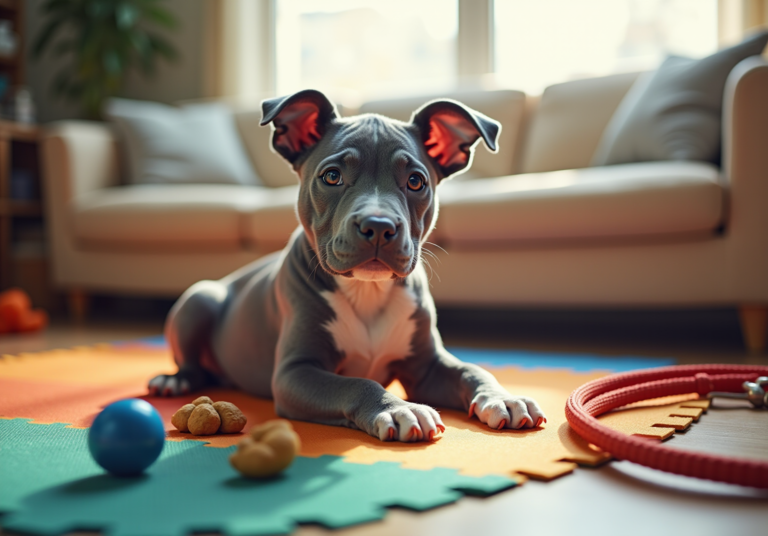
Pick toys that are safe and tough. Pitbull puppies like chewing strong toys. Avoid toys that break easily. Soft or small toys can be a choking hazard. Choose toys that match your puppy’s size. Rotate toys to keep your puppy curious and excited.
Timing Treats For Maximum Impact
Give treats right after good behavior. This helps your puppy connect actions with rewards. Use small, tasty treats to keep your puppy motivated. Don’t overfeed treats to avoid health problems. Treats should be special, not everyday food. Quick rewards make learning faster and clearer.
Incorporating Play Into Training
Play helps your puppy learn without stress. Use play breaks to keep training lively. Mix commands with games like fetch or tug. This builds your puppy’s focus and energy. Play also strengthens your bond. Training feels like fun, not work.
Building Long-term Habits
Building long-term habits is the key to raising a well-behaved pitbull puppy. Early training sets the foundation, but ongoing effort shapes your dog’s future. Consistency and patience help your puppy learn what is expected. Good habits keep your dog happy and safe as it grows. Focus on steady progress rather than quick results. Habits formed early become natural behaviors later.
Reinforcing Training Over Time
Training must continue beyond puppyhood. Repeat commands and praise often. This helps your pitbull remember lessons. Use treats and rewards to encourage good behavior. Avoid punishment, which can cause fear or confusion. Small, regular sessions work best. Keep training fun and positive. Reinforcement builds strong habits that last for life.
Adapting Techniques As Puppy Grows
Your puppy’s needs change as it grows. Adjust training methods to match its age and energy. Younger puppies need short, simple lessons. Older dogs can handle longer sessions and complex commands. Watch for signs of boredom or frustration. Change activities to keep your pitbull engaged. Flexible training helps your dog learn better and stay interested.
Maintaining Mental And Physical Stimulation
Active minds and bodies make happy pitbulls. Provide daily exercise to burn energy. Play games that challenge your dog’s thinking. Puzzle toys and obedience drills work well. Mental tasks prevent bad behaviors from boredom. Physical activity supports health and focus. Balanced stimulation leads to a calm and obedient dog.

Credit: www.amazon.com
Frequently Asked Questions
How Do I Start Training A Pitbull Puppy?
Begin training your Pitbull puppy early with simple commands. Use positive reinforcement, consistency, and short sessions. Socialize them with people and other dogs to build confidence and good behavior.
What Is The Best Age To Train A Pitbull Puppy?
Start training as early as 8 weeks old. Early training helps shape behavior and prevents bad habits. Consistent, gentle guidance during the first months is crucial for success.
How Can I Socialize My Pitbull Puppy Effectively?
Expose your puppy to various people, environments, and pets. Controlled introductions and positive experiences reduce fear and aggression. Socialization is key for a well-adjusted adult dog.
What Commands Should I Teach My Pitbull Puppy First?
Teach basic commands like “sit,” “stay,” “come,” and “leave it. ” These commands ensure safety and improve communication. Keep training sessions short and rewarding.
Conclusion
Training a Pitbull puppy takes patience and love. Start early and be consistent every day. Use simple commands and reward good behavior. Playtime and exercise help your puppy learn faster. Building trust creates a happy, well-behaved dog. Remember, mistakes happen.
Keep calm and try again. Enjoy the journey with your new friend. Training shapes a strong bond that lasts forever. Your efforts will bring great results soon. Stay positive and watch your puppy grow.