

Bringing home a new puppy is exciting, but it can also feel overwhelming. You want to make sure your new furry friend feels safe, happy, and loved from day one.
The choices you make in those first moments can shape your puppy’s future behavior and your bond together. If you want to avoid common mistakes and set your puppy up for success, keep reading. These simple tips will help you create a smooth, joyful transition for both you and your new best friend.
Preparing Your Home
Preparing your home for a new puppy is an exciting step. It helps your puppy feel safe and comfortable right away. Setting up the right environment reduces stress for both you and your puppy.
Create A Safe Space
Choose a quiet area for your puppy to rest and relax. Use a soft bed or crate with cozy blankets. This space should be away from loud noises and busy rooms. It becomes your puppy’s safe spot to retreat to when tired.
Gather Puppy Supplies
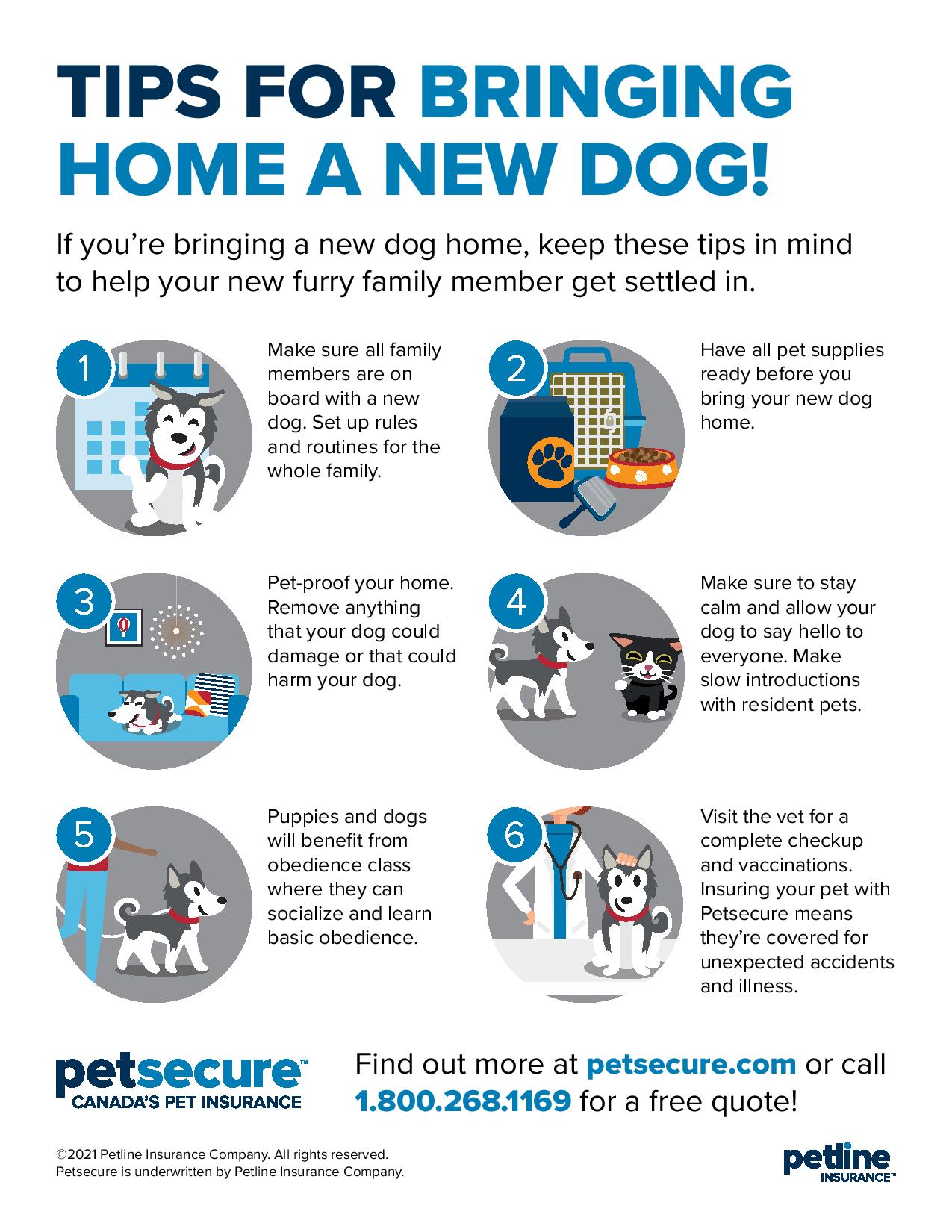
Get all the essential items before your puppy arrives. Include food and water bowls, puppy food, toys, and grooming tools. Don’t forget a collar and leash for walks. Having these ready helps your puppy settle in quickly.
Puppy-proofing Tips
Remove small objects your puppy could swallow. Cover electrical cords and keep chemicals out of reach. Block off stairs or rooms that might be unsafe. Puppy-proofing prevents accidents and keeps your puppy safe at home.

Credit: www.bil-jac.com
Choosing The Right Puppy
Choosing the right puppy is the first step to a happy life together. Each puppy has a unique personality and needs. Picking one that fits your lifestyle helps build a strong bond. Consider what traits suit your home and family. This makes training and caring easier and more fun.
Consider Breed Traits
Every breed has specific traits. Some like to run and play outside. Others prefer calm and quiet time indoors. Some breeds need lots of grooming. Others shed less and require little care. Think about your daily routine and space. Choose a breed that matches your lifestyle and home.
Assess Energy Levels
Puppies have different energy needs. Some are active and need long walks. Others are more relaxed and enjoy short playtimes. High-energy puppies need more exercise and attention. Low-energy pups fit well in calm homes. Match a puppy’s energy to your activity level to avoid stress.
Meet The Puppy Beforehand
Spend time with the puppy before deciding. Notice how it reacts to people and new places. Watch if it is shy or confident. See how the puppy plays and rests. This helps you understand its personality. Meeting the puppy helps ensure a good fit for your family.
First Day At Home
Bringing a new puppy home is exciting and a bit overwhelming. The first day sets the tone for your puppy’s comfort and trust. This day requires patience and calm actions. Your puppy meets a new place, new smells, and new faces. Helping your puppy feel safe is the top priority.
Introduce The Puppy Slowly
Let your puppy explore one room at a time. Avoid too many people or loud noises. Show gentle and calm behavior around your puppy. Let the puppy sniff and get used to new surroundings. Avoid forcing interactions. Allow your puppy to approach on their own.
Set A Feeding Schedule
Choose a quiet spot for meals. Feed your puppy at the same times each day. Use the food recommended by the breeder or shelter. Avoid sudden food changes to prevent upset stomachs. Watch your puppy eat calmly and quietly. This builds trust and routine.
Establish Bathroom Areas
Pick a specific outdoor spot for bathroom breaks. Take your puppy there often, especially after meals and naps. Use a consistent command like “go potty” to help training. Praise your puppy when they go in the right place. This helps your puppy learn quickly.

Credit: www.howtotrainadreamdog.com
Building A Routine
Bringing home a new puppy is exciting. Building a routine helps your puppy feel safe and comfortable. Puppies learn best with regular schedules. It makes training easier and life calmer for both of you.
Consistent Feeding Times
Feed your puppy at the same times every day. Consistent feeding helps their digestion and growth. It also reduces accidents in the house. Puppies thrive on routine. Set two or three feeding times daily.
Regular Potty Breaks
Take your puppy outside often to potty. Regular breaks prevent accidents and teach good habits. Start with short intervals, like every hour. Gradually increase time between potty breaks. Praise your puppy when they go outside.
Daily Play And Exercise
Playtime and exercise keep your puppy healthy and happy. Schedule daily sessions to burn off energy. Choose fun activities like fetch or short walks. Regular exercise supports good behavior and bonding. Puppies need both mental and physical activity.
Training Basics
Training your new puppy is an important step for a happy home. It helps your puppy learn good behavior early. Training builds trust between you and your puppy. It also makes your puppy feel safe and secure. Start training as soon as your puppy comes home. Keep sessions short and fun to keep your puppy interested.
Start With Simple Commands
Begin training with easy commands like “sit,” “stay,” and “come.” These teach your puppy basic control. Use clear words and show the action. Repeat often and be patient. Short sessions work best to keep your puppy’s attention. Simple commands help your puppy understand your expectations.
Use Positive Reinforcement
Praise and treats are great tools for training. Reward your puppy when it does something right. Positive reinforcement encourages good behavior. Avoid punishment as it can cause fear. Be consistent with rewards to help your puppy learn faster. Gentle encouragement makes training a happy time.
Crate Training Benefits
Crate training gives your puppy a safe space. It helps with housebreaking and prevents destructive habits. A crate can reduce anxiety by providing comfort. Make the crate cozy with a blanket or toy. Never use the crate for punishment. Use it as a tool for calm and order.
Health And Vet Care
Bringing a new puppy home is exciting. Health and vet care are key parts of puppy care. Keeping your puppy healthy helps them grow strong and happy. Early vet visits and vaccinations protect against common illnesses. Watching your puppy’s health daily helps catch problems early. This section covers important health tips for new puppy owners.
Schedule Initial Vet Visit
Book a vet visit soon after bringing your puppy home. The vet will check your puppy’s overall health. This visit helps find hidden health issues early. The vet will also discuss feeding and care tips. Keep a record of all vet visits and advice given.
Vaccination Essentials
Vaccinations protect your puppy from serious diseases. Your vet will suggest a vaccination schedule. Common vaccines include distemper, parvovirus, and rabies shots. Follow the schedule strictly to keep your puppy safe. Ask your vet about boosters and timing for each vaccine.
Monitor Puppy’s Health
Watch your puppy every day for signs of illness. Check their eyes, nose, and ears for cleanliness. Look for changes in appetite or energy levels. Note any coughing, sneezing, or unusual behavior. Contact your vet quickly if you see worrying symptoms. Early care prevents many health problems from getting worse.
Socialization Tips
Socialization is key to raising a happy puppy. It helps your new dog feel safe and confident. Early social experiences shape how your puppy behaves around people, animals, and places. Good socialization builds trust and reduces fear or aggression later in life.
Start socializing your puppy soon after bringing them home. Keep each experience positive and gentle. Small steps work best. Let’s explore some important socialization tips to help your puppy grow into a friendly companion.
Introduce To New People
Let your puppy meet many different people. Choose calm and friendly individuals. Allow your puppy to approach at their own pace. Use soft voices and gentle petting. Avoid loud noises or sudden moves. Positive meetings create good memories for your puppy.
Meet Other Pets Safely
Introduce your puppy to other pets carefully. Use a leash or crate for control. Watch body language closely. Stop the meeting if either pet seems scared or aggressive. Short, calm interactions help build trust. Gradually increase time spent together as comfort grows.
Expose To Different Environments
Take your puppy to various places. Parks, streets, car rides, and pet-friendly stores are good options. Let your puppy explore new sights and sounds slowly. Carry treats to reward calm behavior. New environments help your puppy adapt and stay curious.
Common Challenges
Bringing a new puppy home is exciting but comes with common challenges. Puppies need time to adjust to their new space and family. Understanding these challenges helps prepare for a smoother transition. Patience and consistency play a big role in helping your puppy settle in.
Managing Separation Anxiety
Puppies may feel scared when left alone. They can cry, bark, or even try to escape. Start by leaving your puppy alone for short times. Use a crate or a safe space to make them feel secure. Give a favorite toy or blanket to comfort them. Gradually increase alone time to build confidence.
Handling Chewing And Biting
Chewing is normal for puppies. They explore the world with their mouths. Provide plenty of chew toys to protect your belongings. If your puppy bites, say “No” firmly and offer a toy instead. Praise them when they chew the right things. This helps teach what is okay to bite.
Dealing With Nighttime Whining
New puppies often cry at night. They miss their mother and littermates. Keep their bed close to you to soothe them. A soft toy or a ticking clock can help. Avoid giving too much attention during whining. This teaches them to settle quietly on their own.
Credit: easternpassagevet.ca
Frequently Asked Questions
How Do I Prepare My Home For A New Puppy?
Start by puppy-proofing your space. Remove hazards like wires and small objects. Set up a cozy sleeping area and gather essentials like food, water bowls, and toys. Prepare a designated potty spot and ensure safe zones for your puppy to explore comfortably.
What Essentials Should I Buy Before Bringing A Puppy Home?
Buy high-quality puppy food, a collar, leash, and ID tags. Get a comfortable bed, crate, and chew toys. Don’t forget grooming supplies like brushes and nail clippers. Having these ready helps your puppy settle in quickly and comfortably.
How Can I Help My Puppy Adjust To A New Home?
Keep a consistent routine for feeding, potty breaks, and playtime. Offer plenty of love and patience. Introduce family members gradually. Provide a quiet, safe space for rest. Avoid overwhelming your puppy with too many new experiences at once.
When Should I Start Training My New Puppy?
Begin basic training immediately after bringing your puppy home. Focus on simple commands like sit, stay, and come. Use positive reinforcement with treats and praise. Early training builds good habits and strengthens your bond with your puppy.
Conclusion
Bringing home a new puppy is exciting and full of joy. Prepare your space with care and patience. Give your puppy love, time, and gentle training. Small steps build strong bonds and happy habits. Remember, every puppy learns at its own pace.
Enjoy each moment and watch your puppy grow. Your new friend will bring many happy days. Start your journey with kindness and a calm heart. Puppies need your care to feel safe and loved. Embrace the adventure of puppy parenthood with hope.


