

Are you ready to welcome an adorable English Bulldog puppy into your home? These lovable dogs come with a lot of charm, but they also need special care to thrive.
If you want to make sure your new furry friend stays happy and healthy, you’re in the right place. Keep reading to discover simple, practical tips that will help you give your English Bulldog puppy the best start in life.
Your puppy’s well-being depends on the choices you make now—let’s get them off to a great start together!
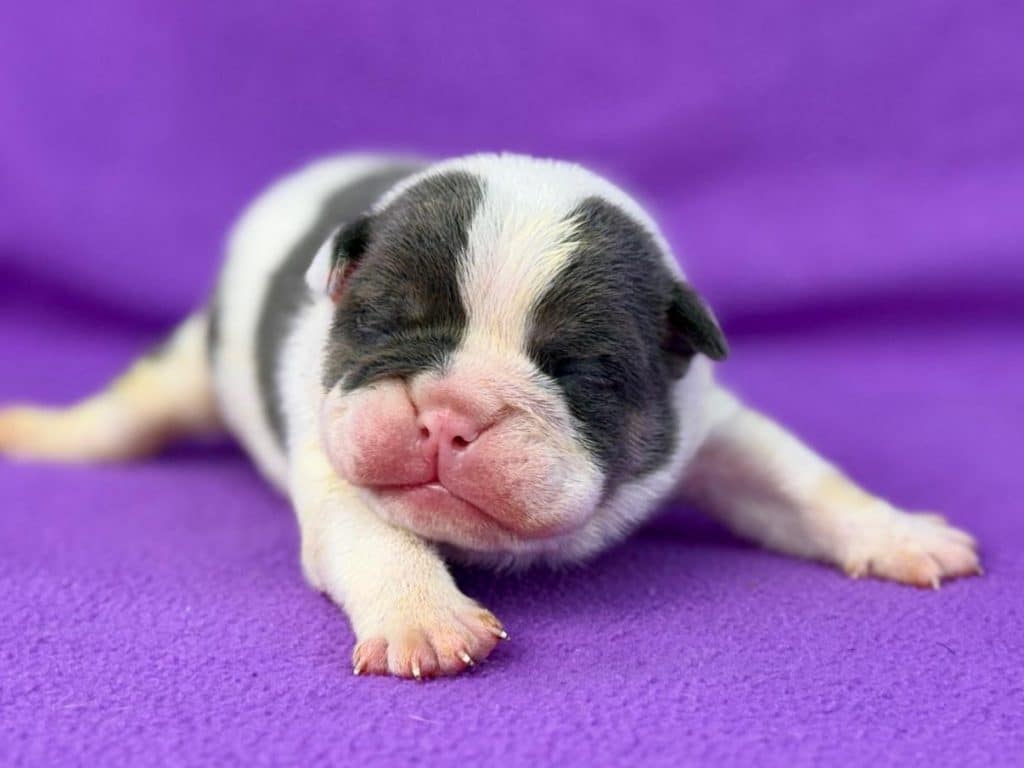
Credit: bruiserbulldogs.com
Choosing The Right Bulldog Puppy
Choosing the right English Bulldog puppy is a big step. It sets the stage for many happy years together. This choice affects your puppy’s health, happiness, and how well it fits your life. Take time to understand what makes a good Bulldog puppy. Knowing what to check helps you avoid future problems. Here are key points to consider.
Breeder Vs Adoption
Decide if you want a puppy from a breeder or adopt one. Breeders offer puppies with known parents and health history. Adoption gives a home to a dog in need. Both paths have good and bad sides. Breeders may provide detailed care and training. Adoption centers might have mixed breeds or unknown backgrounds. Pick the option that matches your needs and values.
Health Checks
Health is crucial for Bulldogs. Ask for health clearances from breeders. These prove parents are free from common Bulldog diseases. Check the puppy’s eyes, ears, and skin for signs of illness. Watch for clear breathing and active behavior. Regular vet visits are important after bringing the puppy home. Early health checks prevent costly problems later.
Temperament Traits
Bulldogs have unique personalities. Some are calm and gentle. Others can be stubborn or playful. Spend time with the puppy to see how it acts. Choose a puppy that matches your lifestyle and energy. Temperament affects training and bonding. A good match makes life easier and more joyful.
Preparing Your Home
Preparing your home for a new English Bulldog puppy is key to a smooth start. Setting up a safe and comfortable space helps your puppy feel welcome. Having the right supplies ready makes daily care easier. Puppy-proofing protects your home and keeps your puppy safe.
Safe Puppy Space
Create a small, quiet area just for your puppy. Use a crate or playpen to keep them secure. This space should feel cozy with soft bedding. Choose a spot away from busy rooms and loud noises. A safe space helps your puppy rest and feel calm.
Essential Supplies
Gather all basic items before your puppy arrives. Include food and water bowls, a collar, and leash. Pick puppy-specific food for proper nutrition. Toys are important for play and teething relief. Also, have grooming tools like a brush and nail clippers ready.
Puppy-proofing Tips
Check your home for hazards your puppy might find. Hide electrical cords and secure loose wires. Remove small objects that your puppy could swallow. Block off stairs and unsafe rooms. Use baby gates to limit access. Secure trash cans and keep cleaning supplies out of reach.
Nutrition And Feeding
Proper nutrition is key for your English Bulldog puppy’s health and growth. Feeding the right food supports strong bones, a healthy coat, and good energy. It also helps avoid common health problems in this breed.
Choosing the right food and feeding schedule sets the foundation for your puppy’s well-being. Understanding what to feed and how often ensures they get the nutrients they need without overeating.
Best Puppy Food Options
Pick high-quality puppy food made for medium breeds. Look for meat as the first ingredient. Avoid foods with fillers like corn or soy. Wet or dry food both work well if balanced.
Choose foods with added vitamins and minerals. DHA supports brain development. Omega fatty acids help skin and coat. Balanced protein and fat levels keep your puppy strong.
Feeding Schedule
Feed your English Bulldog puppy three to four times a day. Divide the daily amount into equal meals. This helps keep their energy steady. Avoid free feeding to prevent overeating.
Stick to regular feeding times. Puppies thrive on routine. This also makes house training easier. Adjust portions as your puppy grows and gains weight.
Avoiding Common Diet Mistakes
Do not feed table scraps. Human food can upset your puppy’s stomach. It may also lead to obesity. Avoid foods toxic to dogs like chocolate and onions.
Do not change food suddenly. Switch slowly over one week. Sudden changes cause diarrhea or vomiting. Avoid low-quality foods with artificial additives. These harm your puppy’s health long-term.
Exercise And Playtime
Exercise and playtime are important for English Bulldog puppies. They help keep your puppy healthy and happy. Bulldogs have unique needs due to their body shape and energy levels. Careful activity planning avoids stress and injuries. Short, gentle play sessions work best.
Playtime also builds trust and helps training. Mental and physical exercises support their growth. Balance activity with plenty of rest to keep your puppy strong and calm.
Age-appropriate Activities
Young bulldogs need soft play and slow walks. Avoid long runs or hard surfaces. Use gentle games like fetch with soft toys. As they grow, add short walks and light tug-of-war. Watch for signs of tiredness or breathing trouble. Adjust play based on your puppy’s energy and health.
Indoor Vs Outdoor Play
Indoor play works well for short bursts. Use safe toys and clear space for running. It is great on hot or cold days. Outdoor play offers fresh air and new smells. Keep sessions brief in warm weather. Always supervise to protect your puppy from hazards. Mix indoor and outdoor play to keep things fun.
Mental Stimulation Ideas
Bulldogs need mental games to stay sharp. Try simple puzzle toys with treats inside. Teach basic commands during playtime. Hide toys or treats for your puppy to find. Rotate toys to keep interest high. Mental challenges reduce boredom and bad habits. Keep sessions short and rewarding.
Training Basics
Training your English Bulldog puppy sets the foundation for good behavior. Bulldogs respond well to gentle, consistent training. Start early to make learning easier and more effective. Patience and routine help your puppy understand what you expect.
Housebreaking Tips
Begin housebreaking as soon as your puppy arrives home. Take your puppy outside often, especially after meals and naps. Choose a specific spot for bathroom breaks. Praise your puppy immediately after they go outside. Clean accidents inside quickly to remove odors. Use a crate to help your puppy learn bladder control.
Socialization Strategies
Expose your puppy to different people and animals. Invite friends and family over for visits. Take your puppy to safe, new places regularly. Let your puppy meet other dogs in controlled environments. Positive experiences build confidence and reduce fear. Start socialization early to avoid shyness or aggression.
Basic Commands
Teach simple commands like sit, stay, and come. Use clear, short words and a calm voice. Reward your puppy with treats or praise after each success. Keep training sessions short and fun. Practice commands daily to reinforce learning. Consistency helps your puppy remember and obey commands.

Credit: bruiserbulldogs.com
Health Care Essentials
Taking care of an English Bulldog puppy’s health is very important. These dogs have special needs because of their unique body shape and breed traits. Good health care means regular check-ups, proper grooming, and watching for signs of common illnesses. This helps your puppy grow strong and live a happy life.
Start early with health care routines. It builds trust between you and your puppy. It also helps you spot any problems fast. Healthy puppies are active and playful. Caring for their health is part of loving them.
Vaccinations And Vet Visits
Vaccinations protect your puppy from serious diseases. Follow the vet’s schedule for shots. These include vaccines for distemper, parvovirus, and rabies. Regular vet visits check your puppy’s growth and health.
Veterinarians can give advice on diet and exercise. Early vet visits can catch problems before they worsen. Always keep vaccination records updated. This keeps your puppy safe and healthy.
Common Bulldog Health Issues
English Bulldogs face health problems like breathing issues. Their short noses can cause snoring and breathing trouble. Skin infections are common due to wrinkles. Clean wrinkles daily to avoid infections.
Hip dysplasia and joint problems may appear as they grow. Watch for limping or stiffness. Early treatment helps prevent pain. Bulldogs also have sensitive stomachs. Feed a balanced diet suited for their needs.
Grooming Needs
Bulldogs need regular grooming to stay clean. Brush their coat weekly to remove loose hair. Their wrinkles require daily cleaning with a damp cloth. Dry wrinkles well to stop bacteria growth.
Trim their nails every few weeks. Check ears for dirt and clean gently. Bath your puppy once a month or as needed. Proper grooming keeps your bulldog comfortable and healthy.
Handling Behavioral Challenges
Handling behavioral challenges with your English Bulldog puppy is essential. These dogs are loving but may show some difficult behaviors. Addressing these early helps build a strong bond and a happy home.
Patience and consistency are key. Each puppy is unique and learns at its own pace. Understanding common issues can make training easier and more effective.
Separation Anxiety
English Bulldog puppies often feel nervous when left alone. They may cry, bark, or chew things. Start by leaving your puppy alone for short times. Gradually increase the time to help them adjust.
Give a favorite toy or blanket to comfort your puppy. Avoid making a big fuss when leaving or coming back. Calm behavior teaches your puppy that being alone is okay.
Chewing And Biting
Chewing is normal but can cause damage. Provide safe chew toys to keep your puppy busy. Replace furniture or shoes with toys to redirect their chewing.
When biting happens, use a firm “no” and stop play for a moment. Puppies learn that biting ends fun. Gentle training helps them understand limits without fear.
Barking Control
English Bulldog puppies may bark to get attention or warn. Teach a quiet command like “enough” or “quiet.” Praise your puppy when they stop barking on command.
Ignore barking that seeks attention. Reward calm behavior instead. Regular exercise reduces excess energy and barking. A calm puppy barks less and listens better.

Credit: pethelpful.com
Building A Strong Bond
Building a strong bond with your English Bulldog puppy is key to a happy life together. This connection helps your puppy feel safe and loved. It also makes training easier and daily life more fun. Spend time understanding your puppy’s needs and personality. Your patience and care will shape a lasting relationship.
Positive Reinforcement
Positive reinforcement means rewarding good behavior. Use treats, praise, or play to show your puppy what you like. This helps your puppy learn faster and feel confident. Avoid punishment, which can cause fear or confusion. Celebrate small wins to keep your puppy motivated and happy.
Routine And Consistency
Puppies thrive on routine. Feed, walk, and train your English Bulldog at the same times daily. Consistency helps your puppy understand what to expect. It reduces stress and builds trust. Stick to simple rules and commands. This makes your puppy feel secure and eager to follow your lead.
Recognizing Puppy Emotions
English Bulldog puppies show emotions through body language. Watch their ears, tail, and eyes for clues. A wagging tail often means happiness. A tucked tail might mean fear. Learn to spot signs of stress or discomfort early. Respond with calmness and care to support your puppy’s feelings.
Frequently Asked Questions
How Often Should I Feed My English Bulldog Puppy?
Feed your English Bulldog puppy three to four times daily. Use high-quality puppy food formulated for their breed. Avoid overfeeding to prevent obesity and digestive issues. Always provide fresh water for hydration.
What Is The Best Exercise For English Bulldog Puppies?
Short, gentle walks and play sessions suit English Bulldog puppies best. Avoid strenuous exercise due to their breathing challenges. Monitor for signs of fatigue or overheating. Regular, moderate activity supports healthy growth and weight management.
How Do I Socialize My English Bulldog Puppy Effectively?
Introduce your puppy to new people, pets, and environments gradually. Positive experiences build confidence and reduce anxiety. Use treats and praise to encourage friendly behavior. Early socialization helps prevent behavioral problems later.
When Should I Start Training My English Bulldog Puppy?
Begin training your puppy as soon as possible, ideally at 8 weeks old. Use positive reinforcement methods like treats and praise. Keep sessions short and consistent. Early training promotes good behavior and strengthens your bond.
Conclusion
Caring for an English Bulldog puppy takes patience and love. Keep their needs simple and routines steady. Regular vet visits and good food help them stay healthy. Training with kindness builds trust and good behavior. Watch for signs of discomfort or health issues often.
Enjoy every moment with your playful, loyal friend. These tips will guide you through puppy care with ease. A happy Bulldog makes a happy home.


