Training your puppy can feel overwhelming, but it doesn’t have to be. Imagine having a well-behaved, happy puppy that listens to you and fits perfectly into your daily life.
You can make this a reality with the right approach. In this post, you’ll discover simple, effective tips that make puppy training easier and more enjoyable—for both you and your furry friend. Ready to turn those puppy challenges into wins?
Keep reading, and let’s get started!
Preparing For Puppy Training
Preparing for puppy training sets the stage for success. It helps your puppy learn faster and builds a strong bond. Preparation also makes training less stressful for both of you. Start by gathering the right tools and planning your sessions.
Choosing The Right Supplies
Select basic supplies that support your puppy’s learning. A sturdy leash and collar keep your puppy safe. Treats encourage good behavior and reward effort. Choose soft treats that your puppy can eat quickly. A crate offers a safe space for rest and training. Also, buy chew toys to keep your puppy busy and happy.
Setting Realistic Goals
Set simple and clear goals for training. Focus on one skill at a time, like sitting or coming. Keep each goal small and easy to reach. Celebrate small wins to keep motivation high. Avoid expecting your puppy to learn everything at once. Patience helps your puppy gain confidence and learn well.
Creating A Training Schedule
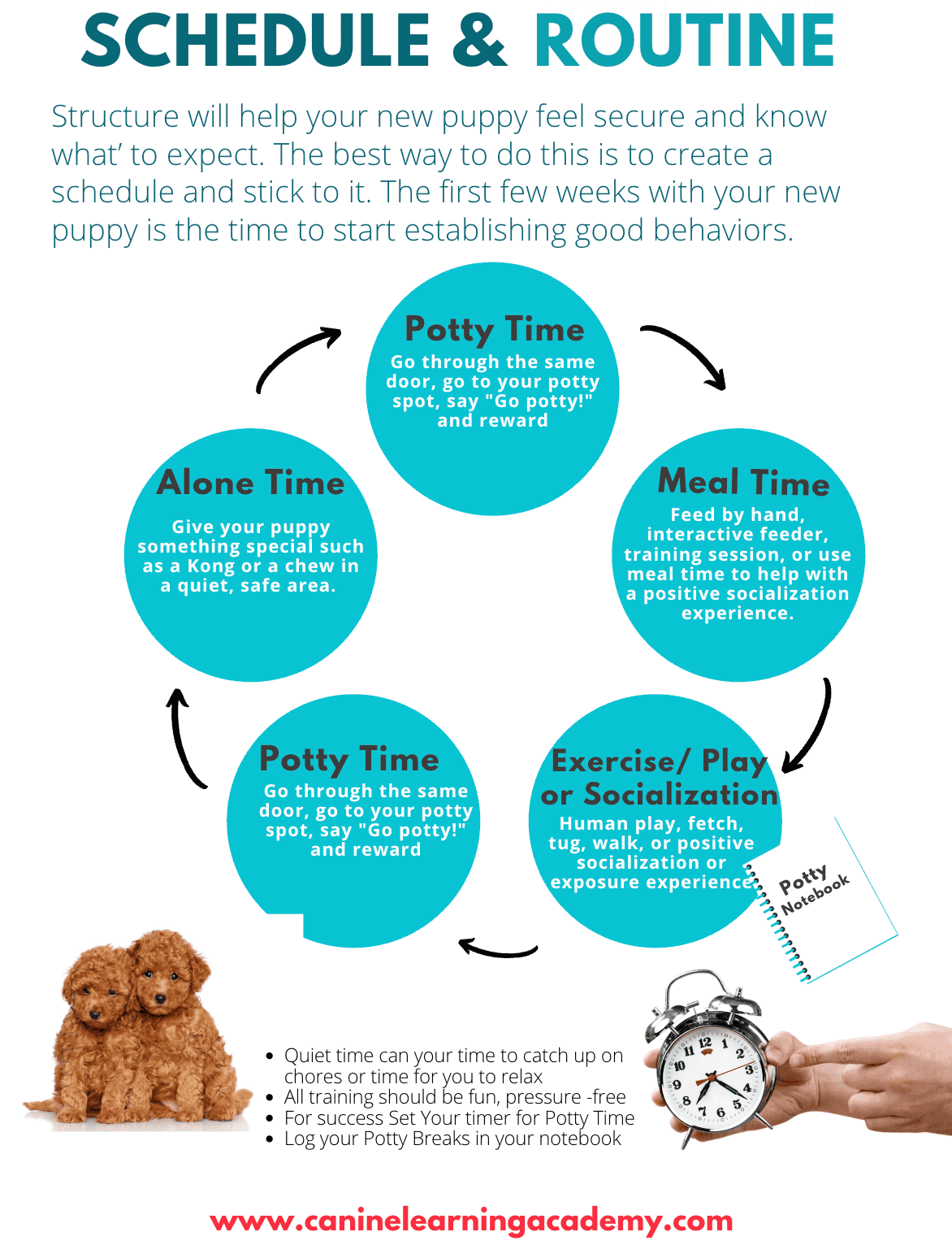
Plan regular training sessions every day. Short sessions work best for puppies’ short attention spans. Aim for 5 to 10 minutes, two to three times daily. Pick quiet times and places to avoid distractions. Consistency helps your puppy understand what you want. A steady schedule makes training a natural part of life.
Credit: caninelearningacademy.com
Basic Commands Every Puppy Should Know
Teaching your puppy basic commands builds a strong bond. It helps keep your puppy safe and well-behaved. These commands make daily life easier for both of you. Start training early for the best results. Keep training sessions short and fun. Use treats and praise to encourage good behavior.
Sit And Stay
“Sit” is the first command every puppy should learn. It teaches patience and control. Hold a treat above your puppy’s head. Move it back slowly. Your puppy will naturally sit to follow the treat. Say “sit” clearly and give the treat. Repeat often to build habit.
“Stay” teaches your puppy to remain still. After your puppy sits, show your palm and say “stay.” Step back slowly. If your puppy stays, reward with a treat. Gradually increase the distance and time. This command prevents your puppy from running off.
Come When Called
“Come” keeps your puppy safe in any situation. Use a happy tone to call your puppy’s name. Say “come” clearly. When your puppy approaches, give praise and a treat. Practice in a quiet, safe area first. Gradually add distractions to improve focus. Always reward your puppy for coming.
Leave It
“Leave it” stops your puppy from picking up dangerous items. Hold a treat in your hand and close it. Let your puppy sniff but not take it. Say “leave it” firmly. Wait until your puppy stops trying. Give a different treat as a reward. Practice often to keep your puppy safe.
House Training Techniques
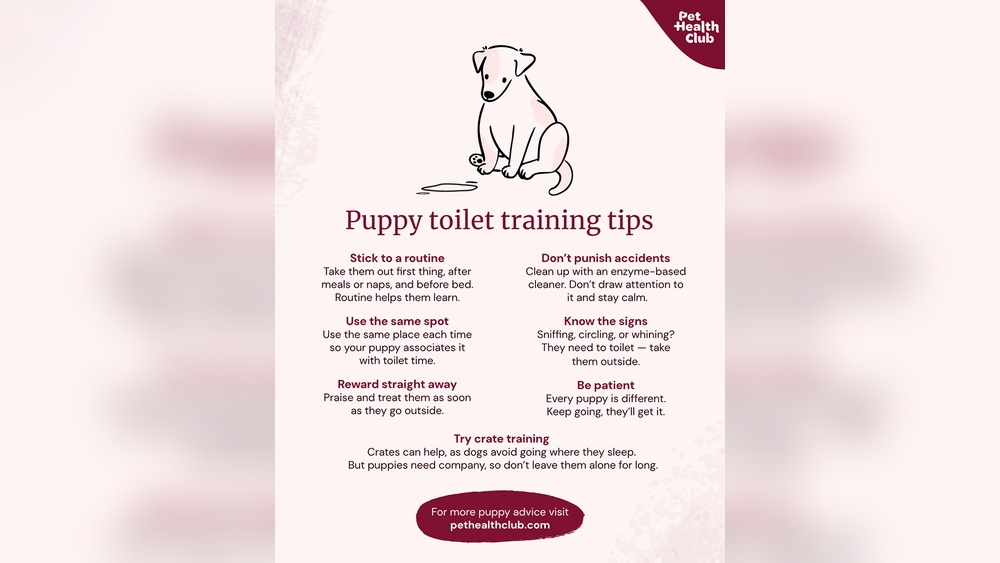
House training is the first step in raising a happy puppy. It helps your puppy learn where and when to go potty. Consistency and patience make training easier. Use simple methods to guide your puppy. Clear rules help your puppy understand what you expect.
Establishing A Routine
Puppies need a regular schedule for bathroom breaks. Take your puppy outside at the same times daily. Try after meals, naps, and playtime. A set routine helps puppies learn faster. Watch for signs your puppy needs to go. Quickly take your puppy outside to the right spot.
Using Crate Training
A crate can be a safe space for your puppy. Dogs do not like to soil where they sleep. Use the crate to help control accidents. Make the crate comfortable and inviting. Never use the crate as punishment. Gradually increase the time your puppy spends there. Let your puppy out to potty often.
Handling Accidents
Accidents are normal during house training. Do not punish your puppy for accidents. Clean the area well to remove smells. Use an enzyme cleaner to stop repeat accidents. Praise your puppy when they go outside. Stay calm and patient throughout the process. This helps build trust and good habits.

Credit: resources.sdhumane.org
Socialization Tips
Socialization is a key part of puppy training. It helps puppies grow into friendly and confident dogs. Early social experiences shape their behavior and reduce fear or aggression. Start socialization early and make it positive.
Introducing To New People
Expose your puppy to different people of all ages. Let them meet children, adults, and seniors gently. Allow your puppy to sniff and explore at their own pace. Reward calm behavior with treats and praise. Avoid forcing your puppy if they seem scared.
Meeting Other Dogs
Arrange safe meetings with well-behaved dogs. Keep initial meetings short and calm. Use a leash but allow friendly play. Watch your puppy’s body language closely. Gradually increase time spent with other dogs. Positive interactions build social skills and confidence.
Exposure To Different Environments
Take your puppy to various places. Parks, streets, and pet-friendly stores offer new sights and sounds. Let your puppy explore new surfaces like grass, pavement, and carpet. Keep experiences short and positive. This exposure helps reduce anxiety in new places.
Positive Reinforcement Strategies
Positive reinforcement is a gentle and effective method for training puppies. It encourages good behavior by rewarding your puppy. This makes learning fun and builds trust between you and your dog. Using positive reinforcement helps your puppy understand what you want without fear or confusion.
Using Treats Effectively
Choose small, tasty treats your puppy loves. Use treats only to reward good actions. Give a treat right after the desired behavior. This helps your puppy connect the reward with the action. Avoid giving too many treats to prevent overfeeding. Treats should be special and not part of regular meals.
Incorporating Praise And Play
Use happy words and a gentle tone to praise your puppy. Say “good job” or “well done” with a smile. Play can be a reward too. A quick game or a favorite toy makes training enjoyable. This keeps your puppy motivated and eager to learn more.
Avoiding Punishment
Punishing your puppy can cause fear and stress. It may harm your bond and slow learning. Focus on rewarding good behavior instead of punishing mistakes. Ignore unwanted actions or redirect your puppy to better behavior. Patience and kindness create a safe learning space.
Troubleshooting Common Issues
Training a puppy can be challenging. Many owners face common problems during this process. Understanding these issues helps to solve them quickly. Patience and consistency are key. The following tips focus on fixing typical puppy troubles.
Biting And Chewing
Puppies explore the world with their mouths. They often bite and chew things they should not. This behavior is normal but must be controlled early. Give your puppy safe chew toys to redirect biting. Say “no” firmly when biting happens. Praise your puppy when it chews toys instead. Avoid rough play that encourages biting. Consistent training reduces biting over time.
Excessive Barking
Some puppies bark too much. They might bark at noises, people, or out of boredom. Start by finding what causes the barking. Teach the “quiet” command by rewarding silence. Do not yell at your puppy; it may increase barking. Provide enough exercise and playtime to reduce energy. A tired puppy barks less.
Separation Anxiety
Puppies can feel stressed when left alone. They may whine, bark, or destroy things. Help your puppy get used to alone time slowly. Leave for short periods and return calmly. Give a favorite toy or treat when you leave. Avoid making a big deal when leaving or returning. This helps the puppy stay calm alone.
Advanced Training Tricks
Advanced training tricks help build stronger bonds with your puppy. They improve your dog’s focus and behavior. These tricks also make daily walks and playtime more fun. Training beyond basics keeps your puppy mentally sharp and happy. Try these advanced tips to challenge your puppy and enjoy learning together.
Teaching Heel
Teaching your puppy to heel means walking calmly by your side. Start in a quiet place with no distractions. Hold a treat near your leg to guide your puppy. Use a short leash to keep control. When your puppy stays close, give the treat and praise. Practice this often and increase distractions slowly. Heel helps keep your dog safe on walks.
Recall With Distractions
Recall means calling your puppy to come to you. Begin indoors with no distractions. Use a happy voice and show a treat. When your puppy comes, reward with praise and treat. Gradually add distractions like toys or other people. Keep training sessions short and positive. Reliable recall keeps your puppy safe outside.
Fun Tricks To Try
Teaching fun tricks makes training enjoyable for both of you. Try simple tricks like shake hands or spin. Use treats and praise to encourage learning. Break tricks into small steps for easy success. Practice regularly in short sessions. Fun tricks boost your puppy’s confidence and strengthen your bond.

Credit: petcareadvisorusa.com
Frequently Asked Questions
How Early Should I Start Puppy Training?
Start training your puppy as soon as you bring them home. Early training builds good habits and prevents bad behavior. Puppies are most receptive between 8 to 16 weeks old, making this the ideal time to begin basic commands and socialization.
What Are Essential Commands For Puppy Training?
Basic commands like sit, stay, come, and down are essential. These commands help ensure your puppy’s safety and good behavior. Consistent practice and positive reinforcement make learning these commands easier and more effective.
How Can I Potty Train My Puppy Quickly?
Establish a regular schedule for bathroom breaks and stick to it. Praise your puppy immediately after they go outside. Use crate training to help control accidents indoors. Consistency and patience are key to quick potty training success.
What Are Effective Rewards For Puppy Training?
Use treats, praise, and play as rewards to motivate your puppy. Choose small, tasty treats that your puppy loves. Positive reinforcement encourages good behavior and strengthens your bond during training sessions.
Conclusion
Training your puppy takes patience and kindness. Small steps each day build good habits. Consistency helps your puppy learn faster and better. Praise and rewards make training fun and effective. Remember, mistakes happen—stay calm and try again. Enjoy the process and bond with your puppy.
Happy training leads to a happy, well-behaved dog. Keep practicing, and you will see great results soon.