

If your dog struggles with anxiety or unwanted behaviors, you want to find a safe and effective way to help. Propranolol is a medication that many veterinarians use to calm dogs and manage their behavior.
But how do you know the right dose for your furry friend? Getting the dosage wrong can lead to ineffective results or even harm. You’ll discover clear, easy-to-understand information about propranolol doses for dogs. By the end, you’ll feel confident about how this treatment can support your dog’s well-being and what steps to take next.
Keep reading to learn exactly what you need to know.
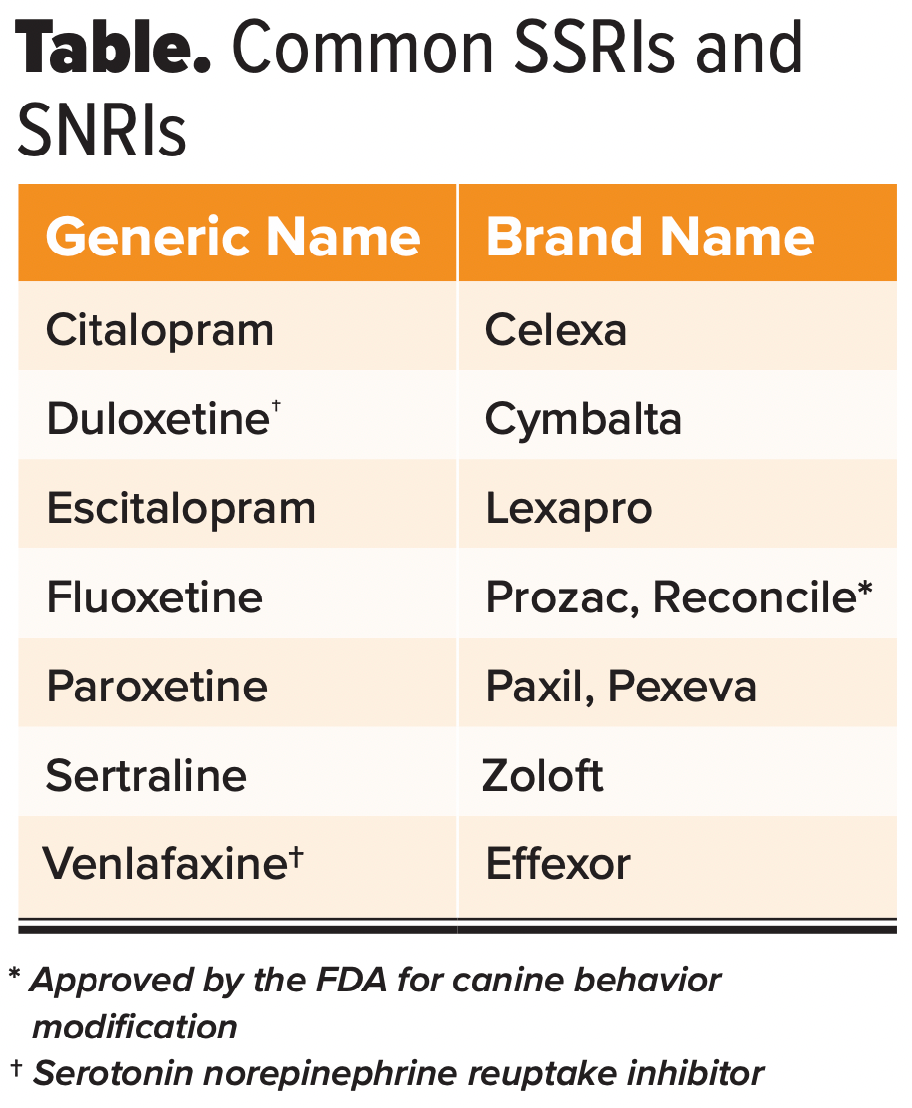
Credit: www.dvm360.com
What Is Propranolol?
Propranolol is a medication often used in dogs to help with behavior problems. It belongs to a group of drugs called beta-blockers. These drugs work by affecting the nervous system.
Veterinarians sometimes use propranolol to calm dogs that are anxious or nervous. It can help reduce signs of stress without causing sedation. This makes it useful for dogs that get scared during loud noises or stressful events.
How Propranolol Works In Dogs
Propranolol blocks certain receptors in the body called beta-adrenergic receptors. These receptors respond to stress hormones like adrenaline. By blocking them, propranolol lowers heart rate and reduces physical signs of anxiety.
This calming effect helps dogs feel less anxious in stressful situations. It does not change their mood but helps control the body’s stress reactions.
Common Uses Of Propranolol For Behavior
Propranolol is used to manage fear and anxiety in dogs. It may help dogs that react badly to fireworks, thunderstorms, or travel. Sometimes vets use it alongside other behavior therapies or medications.
It is not a sedative but helps reduce the physical symptoms of anxiety like shaking or rapid heartbeat. This makes it easier for dogs to stay calm.
Safety And Considerations
Propranolol should only be used under veterinary guidance. Dosage depends on the dog’s size and health. Some dogs may have side effects like tiredness or low blood pressure.
Regular check-ups are important to ensure the medication is safe and effective. Never give propranolol to your dog without a vet’s advice.

Credit: www.homeopet.com
How Propranolol Helps With Dog Anxiety
Propranolol helps calm dogs by lowering their heart rate and reducing physical signs of anxiety. Veterinarians carefully choose the dose based on the dog’s size and behavior needs. This medication supports better control during stressful situations.
Propranolol is a medication often used to calm dogs with anxiety. It works by reducing the physical signs of stress, like a fast heartbeat and shaking. This helps dogs feel more relaxed in stressful situations.
Dogs with anxiety may show fear during loud noises, vet visits, or travel. Propranolol lowers the body’s “fight or flight” response. This makes the dog less reactive and more comfortable.
Reducing Physical Symptoms Of Anxiety
Propranolol blocks adrenaline effects in the body. This slows the heart rate and lowers blood pressure. When these symptoms are mild, dogs feel less scared and tense.
This medicine does not directly change the dog’s mood. Instead, it helps the body stay calm. This makes it easier for dogs to handle anxiety triggers.
Supporting Behavioral Therapy
Propranolol works well with training and behavior therapy. It helps dogs stay calm during sessions. This makes learning new behaviors easier and faster.
Using propranolol with therapy helps dogs build confidence. Over time, anxiety symptoms can become less severe.
Safe Use And Dosage
Only a vet should decide the right dose of propranolol. The dose depends on the dog’s size and health. Giving too much can cause side effects like low energy or slow heartbeat.
Regular check-ups ensure the medicine works well. Never change the dose without talking to a vet first.
Determining The Right Dose
Finding the right propranolol dose for dogs helps manage behavior safely. Dosing depends on many factors unique to each dog. Careful adjustment helps avoid side effects and ensures effectiveness. Understanding these points guides proper use of propranolol.
Factors Influencing Dosage
Age affects how a dog processes propranolol. Young puppies or older dogs may need lower doses. Weight is important; heavier dogs often need more medicine. Health conditions like heart or liver problems change dosing. The dog’s behavior severity also guides dose size. Veterinarians consider all these to find the best dose.
Typical Dosage Ranges
Propranolol doses for dogs usually range between 0.5 and 2 mg per kg. Most dogs receive this dose twice daily. Some cases may need a lower start dose to test tolerance. The vet may raise the dose slowly if needed. Never change doses without veterinary advice. Proper dosing keeps dogs safe and calm.
Administering Propranolol Safely
Administering propranolol safely is important for your dog’s health. This medicine helps with behavior issues but needs careful handling. Proper dosing and timing keep your dog safe and comfortable. Watch your dog closely during treatment.
Timing And Frequency
Give propranolol at the same times every day. This keeps the medicine working well. Follow your vet’s instructions for how often to give the pill. Do not skip doses or give extra. Use a pill organizer to keep track. Always give with food to avoid stomach upset.
Possible Side Effects
Some dogs may feel tired or weak after taking propranolol. Watch for slow heartbeat or breathing problems. Vomiting or diarrhea can happen. Call your vet if your dog acts very sick. Early care can prevent serious issues. Keep water nearby to keep your dog hydrated.
Monitoring Your Dog’s Response
Monitoring your dog’s response to propranolol is very important for safe and effective treatment. Careful observation helps you see how well the behavior improves. It also helps catch any side effects early. Keep notes on your dog’s mood, activity, and any changes you notice. This information is useful for your veterinarian.
Signs Of Improvement
Look for calmer behavior and less anxiety. Your dog may show fewer signs of stress or fear. Notice if your dog reacts better to triggers that caused problems before. More relaxed body language and normal eating habits are good signs. Sleep patterns may also improve. These changes show propranolol is working well.
When To Consult A Veterinarian
Contact your vet if you see unusual tiredness or weakness. Watch for slow heartbeat or breathing problems. Vomiting or diarrhea can also be a warning. If your dog seems confused or unsteady, call the vet. Any sudden or severe changes in behavior need medical advice quickly. Regular check-ups help keep treatment on track.

Credit: www.amazon.com
Combining Propranolol With Other Treatments
Combining propranolol with other treatments can improve behavior in dogs more effectively. Propranolol alone may not address all causes of anxiety or aggression. A balanced approach helps target different issues. This method increases the chances of positive results.
Behavioral Therapy
Behavioral therapy helps dogs learn new responses. Training sessions reduce fear and stress triggers. Working with a professional trainer improves therapy success. Techniques like desensitization and counter-conditioning are common. These methods teach dogs to stay calm in stressful situations. Propranolol supports therapy by lowering physical signs of anxiety. Together, they create a strong support system for your dog.
Alternative Medications
Other medications may complement propranolol for behavior problems. Drugs like fluoxetine or clomipramine target brain chemicals linked to anxiety. These can be used alongside propranolol under a vet’s guidance. The combination can balance emotional and physical symptoms. Each dog reacts differently, so vets customize treatments. Monitoring is important to avoid side effects. Using multiple therapies often leads to better behavior control.
Frequently Asked Questions
What Is The Typical Propranolol Dose For Dogs?
The typical propranolol dose for dogs ranges from 0. 25 to 1 mg per pound. It is given two to three times daily. Dosage depends on the dog’s condition and veterinary guidance. Never adjust the dose without consulting a vet.
How Does Propranolol Help With Dog Behavior Issues?
Propranolol reduces anxiety by blocking stress-related adrenaline effects. It calms dogs with fear or aggression problems. This medication supports behavioral therapy but isn’t a standalone cure. Always use propranolol under veterinary supervision.
Are There Side Effects Of Propranolol In Dogs?
Common side effects include lethargy, weakness, and slow heart rate. Some dogs may experience digestive upset or low blood pressure. If side effects worsen, contact your vet immediately. Proper dosing minimizes risks.
Can I Give Propranolol To My Dog Without A Vet?
No, propranolol should only be given under veterinary prescription. Incorrect dosing can harm your dog. A vet will tailor the dose based on health and behavior. Always follow professional advice for safety.
Conclusion
Proper propranolol dosing helps manage dog behavior safely. Always consult your vet before starting this medication. Dosage depends on your dog’s weight and health. Watch your pet closely for any side effects. Adjustments may be needed to find the right dose.
Careful use supports calmer, happier dogs over time. Remember, your vet guides the best treatment plan. Patience and care make all the difference here.


