

Bringing a puppy into your home is exciting, but it also comes with big responsibilities. You want your new furry friend to grow up happy and healthy.
That’s why knowing the right tips for taking care of a puppy is so important. You’ll discover simple and effective ways to keep your puppy safe, comfortable, and well-behaved. Keep reading, and you’ll learn how to make the early days with your puppy smooth and full of joy—for both of you.

Credit: www.companionanimalpsychology.com
Choosing The Right Supplies
Choosing the right supplies for your puppy is important. The right items help your puppy feel safe and happy. They also make training easier and keep your home clean. Focus on basics that match your puppy’s size and needs.
Food And Water Bowls
Pick bowls that are easy to clean and sturdy. Stainless steel bowls work best. They do not hold smells or bacteria. Avoid plastic bowls; they can cause allergies or break easily. Choose the right size so your puppy can eat and drink comfortably.
Comfortable Bedding
Your puppy needs a soft, warm place to rest. Look for bedding that is easy to wash. Choose materials that dry quickly and resist stains. Make sure the bed is the right size for your puppy. It should support their body without being too big or small.
Safe Toys
Toys keep your puppy busy and help with teething. Select toys made from non-toxic materials. Avoid small parts that can be swallowed. Pick toys that suit your puppy’s size and chewing strength. Rotate toys often to keep your puppy interested.

Credit: beyondpets.com
Establishing A Routine
Establishing a routine helps your puppy feel safe and secure. Puppies thrive on predictability. A regular schedule reduces anxiety and builds good habits. It also makes training easier and strengthens your bond.
Feeding Schedule
Feed your puppy at the same times every day. Consistent feeding times help regulate digestion and energy. Use measured portions to avoid overeating. Fresh water should always be available. Stick to puppy-specific food for balanced nutrition.
Potty Training
Take your puppy outside often, especially after meals and naps. Choose a spot for them to go regularly. Praise and reward your puppy for doing well. A set potty schedule helps prevent accidents indoors. Be patient and stay consistent with training.
Regular Exercise
Exercise is vital for a puppy’s health and behavior. Play and walks should happen at the same times daily. Short, frequent sessions suit young puppies best. Exercise helps burn energy and reduces destructive habits. It also supports muscle growth and social skills.
Health And Vet Visits
Keeping your puppy healthy starts with good care and regular vet visits. Early health checks help catch problems fast. Vets guide you on vaccines and parasite control. They also teach you signs of sickness to watch for. This section covers key tips for health and vet visits.
Vaccinations
Vaccines protect puppies from serious diseases. Your vet will give a vaccination schedule. Puppies usually start shots at six to eight weeks old. Core vaccines include distemper, parvovirus, and rabies. Follow the vet’s timeline strictly. Vaccines keep your puppy safe and healthy.
Parasite Prevention
Parasites can harm puppies inside and out. Fleas, ticks, and worms cause discomfort and illness. Ask your vet about preventives. Use flea and tick treatments regularly. Deworm your puppy based on vet advice. Prevention keeps parasites away and your puppy happy.
Recognizing Illness
Puppies cannot tell us when they feel bad. Watch for signs like vomiting, diarrhea, or cough. Lethargy and loss of appetite signal problems too. Sudden behavior changes need vet attention. Early detection helps treat illness quickly. Trust your gut if something feels wrong.
Training Basics
Training a puppy sets the foundation for good behavior. Early training helps your puppy learn rules and feel safe. It builds trust between you and your new friend. Start with simple, clear steps. Keep sessions short and fun. Consistency is key. Patience helps your puppy understand what you want. Training basics create a happy, well-behaved dog.
Positive Reinforcement
Reward your puppy for good behavior. Use treats, praise, or playtime as rewards. This encourages your puppy to repeat actions you like. Avoid punishment or harsh words. Positive reinforcement makes learning enjoyable. It builds confidence and strengthens your bond. Always reward immediately after the right action. This helps your puppy connect reward and behavior.
Crate Training
A crate is a safe space for your puppy. It helps with house training and reduces anxiety. Introduce the crate slowly with treats inside. Never use the crate for punishment. Let your puppy explore it at their own pace. Keep crate sessions short at first. Gradually increase time spent inside. A well-trained crate makes traveling and vet visits easier.
Socialization
Expose your puppy to different people and places early. Socialization prevents fear and aggression later. Arrange playdates with other healthy dogs. Visit parks, stores, and new environments. Watch your puppy’s reactions closely. Stop if they seem scared or overwhelmed. Gentle, positive experiences build confidence. Socialized puppies grow into friendly, well-adjusted dogs.
Grooming Essentials
Taking care of your puppy’s grooming is very important. It keeps your puppy healthy and happy. Regular grooming helps prevent skin problems and keeps the coat shiny. It also builds a strong bond between you and your puppy. Here are some essential grooming tips to help you start on the right foot.
Bathing Tips
Use warm water to bathe your puppy. Cold water can make them uncomfortable. Choose a mild shampoo made for puppies. Avoid adult dog shampoos as they may irritate the skin. Wet your puppy gently and apply shampoo carefully. Rinse thoroughly to remove all soap. Dry your puppy with a soft towel. Never use a hairdryer on high heat. Bathing once a month is enough unless your puppy gets very dirty.
Brushing Fur
Brush your puppy’s fur regularly to remove dirt and loose hair. Use a soft brush made for puppies. Brush in the direction of hair growth. This feels nice for your puppy and avoids hurting their skin. Brushing helps prevent mats and tangles. It also distributes natural oils for a healthy coat. Start brushing sessions short and calm. Gradually increase time as your puppy gets used to it.
Nail Care
Trim your puppy’s nails carefully and regularly. Long nails can cause pain and walking problems. Use special dog nail clippers for safety. Cut small bits at a time to avoid cutting the quick. The quick is the sensitive part inside the nail. If you see a pink area, stop trimming. If you are unsure, ask a vet or groomer for help. Nail care keeps your puppy comfortable and prevents damage to floors and furniture.
Creating A Safe Environment
Creating a safe environment is essential for your puppy’s health and happiness. Puppies are curious and explore everything. They can get into trouble quickly without proper care. A safe space helps your puppy feel secure and reduces risks at home.
Puppy-proofing Your Home
Remove small objects that puppies can swallow. Keep electrical cords out of reach to avoid bites. Store cleaning supplies and medicines in locked cabinets. Use baby gates to block off unsafe rooms. Check your yard for holes or sharp items. Make sure plants are not poisonous to dogs.
Supervision Techniques
Watch your puppy closely during playtime. Use a leash indoors if needed. Create a designated play area with toys. Never leave your puppy alone for long. Teach children how to interact gently. Supervision helps prevent accidents and bad habits.
Handling Separation Anxiety
Puppies feel nervous when left alone. Start with short separations and increase time slowly. Provide a safe crate or bed with toys. Use calming sounds or soft music. Avoid making a big fuss when leaving or returning. This helps your puppy stay calm and confident.
Building A Strong Bond
Building a strong bond with your puppy is key to a happy relationship. It helps your puppy feel safe and loved. This bond grows with time, care, and attention. Spend quality moments together to create trust and friendship.
Playtime Activities
Play is fun and helps your puppy learn. Use toys like balls or ropes to engage your puppy. Short games of fetch or tug build excitement and trust. Playtime also helps your puppy burn off energy. Keep sessions short and positive to keep your puppy interested.
Understanding Puppy Behavior
Puppies show feelings through actions and sounds. Watch your puppy’s body language to know if they are happy or scared. Tail wagging, licking, or playful barking means they want to interact. Growling or hiding signals discomfort. Understanding these signs helps you respond well and build trust.
Consistent Communication
Use simple words and clear commands every day. Say “sit,” “stay,” or “come” in a calm voice. Repeat commands often to help your puppy learn. Praise or reward good behavior with treats or petting. Consistency makes your puppy feel secure and ready to follow your lead.
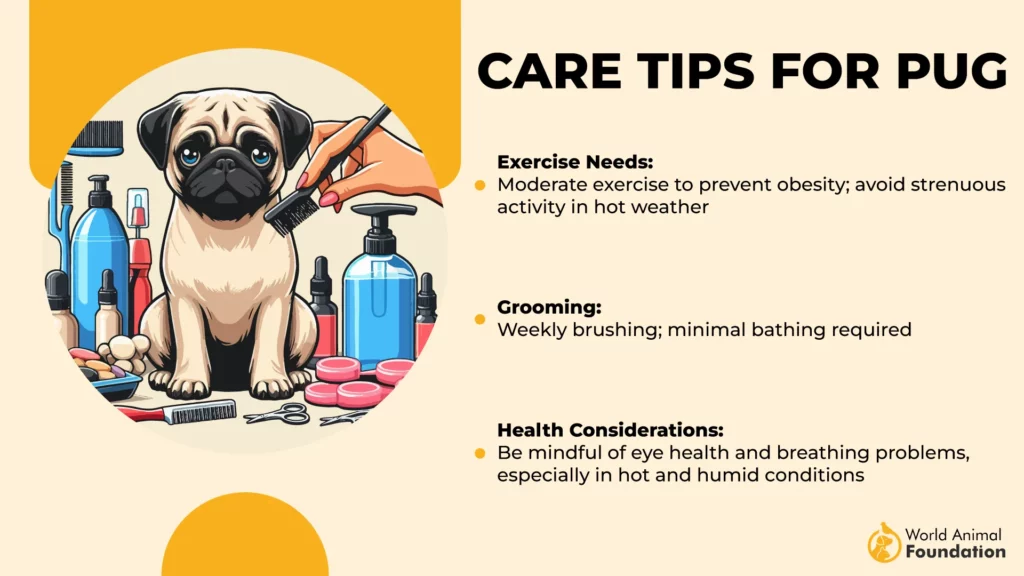
Credit: worldanimalfoundation.org
Frequently Asked Questions
How Often Should I Feed My Puppy Daily?
Feed your puppy three to four times a day. Use high-quality puppy food for balanced nutrition. Adjust portions as the puppy grows. Consult your vet for specific dietary needs.
When Should I Start Training My Puppy?
Start training your puppy as early as eight weeks old. Early training promotes good behavior and socialization. Use positive reinforcement methods. Keep sessions short and consistent for best results.
How Do I Keep My Puppy Healthy And Active?
Ensure regular vet check-ups and vaccinations. Provide daily exercise and playtime to burn energy. Maintain a balanced diet and fresh water. Keep grooming and dental care routine to prevent health issues.
What Are Common Puppy-proofing Tips For My Home?
Remove hazardous items like cords, chemicals, and small objects. Secure trash bins and toxic plants. Create a safe space with toys and bedding. Supervise your puppy to prevent accidents and chewing.
Conclusion
Caring for a puppy takes time and patience. Small steps make a big difference. Feed, play, and train your puppy every day. Watch your puppy’s health and happiness closely. Love and care help build a strong bond. Enjoy each moment with your new friend.
Puppies grow fast, so make memories now. Your effort creates a happy, healthy dog for life.


