Bringing a new puppy home is exciting, but it can also feel overwhelming. You want to give your furry friend the best start, but where do you begin?
Getting simple, effective tips can make all the difference in building a happy, healthy bond with your puppy. You’ll discover easy-to-follow advice that helps you understand your puppy’s needs, avoid common mistakes, and enjoy every moment together. Keep reading, and you’ll feel more confident and prepared to welcome your new best friend.
Choosing The Right Puppy
Choosing the right puppy is a big step. It affects your life and the puppy’s future. Select a dog that fits your home and lifestyle. This helps build a happy and healthy bond. Consider important factors to find the best match for you.
Breed Considerations
Each breed has unique needs and traits. Some dogs need more exercise, others less. Size matters too. Larger dogs need more space. Small dogs fit better in apartments. Research breeds to find one that suits your living situation. Check how much grooming the breed requires. Some breeds shed a lot, others very little.
Temperament And Energy Levels
Temperament means how a dog behaves and feels. Some puppies are calm and gentle. Others are playful and active. Think about your daily routine. Match energy levels with your activity. Busy people may prefer calm dogs. Active owners might enjoy energetic puppies. Meet different puppies to see their personality. Notice how they react to people and noises.
Health Checks
Health is key for a happy puppy. Ask the breeder or shelter about health history. Puppies should have vaccinations and vet checkups. Look for signs of illness like coughing or sneezing. Check eyes, ears, and teeth for cleanliness. A healthy puppy is alert and playful. Avoid puppies with clear signs of sickness. Early health checks save money and worry later.

Credit: petcareadvisorusa.com
Preparing Your Home
Preparing your home for a new puppy is an important step. It helps your puppy feel safe and comfortable. A well-prepared home makes training easier and keeps your puppy healthy. Small changes create a big difference for your new friend.
Safe Spaces
Create a quiet, cozy area just for your puppy. Use a crate or a small bed in a low-traffic spot. This space helps your puppy relax and feel secure. It also teaches your puppy to enjoy alone time without stress.
Essential Supplies
Gather all the needed items before your puppy arrives. Include food and water bowls, a collar, and a leash. Buy toys for chewing and playing to keep your puppy busy. Don’t forget puppy pads or a designated potty area.
Puppy-proofing Tips
Remove or hide items that can harm your puppy. Cover electrical cords and keep small objects out of reach. Store cleaning products and medications in locked cabinets. Block off stairs or rooms that are unsafe for young pups.
Feeding Your Puppy
Feeding your puppy right is key to their growth and health. Puppies need food that supports strong bones, muscles, and a healthy immune system. Giving them the proper nutrition helps them stay active and happy.
Choosing the right food and feeding them on time creates good habits early on. Understanding what and how much to feed helps avoid problems later. Let’s explore simple tips for feeding your puppy well.
Balanced Diet
Your puppy needs a balanced diet with protein, fats, and carbohydrates. Protein builds muscles and repairs tissues. Healthy fats provide energy and support the brain. Carbohydrates give fuel for daily activities.
Look for puppy food labeled complete and balanced. It meets all their nutritional needs. Avoid giving your puppy human food that can harm them.
Feeding Schedule
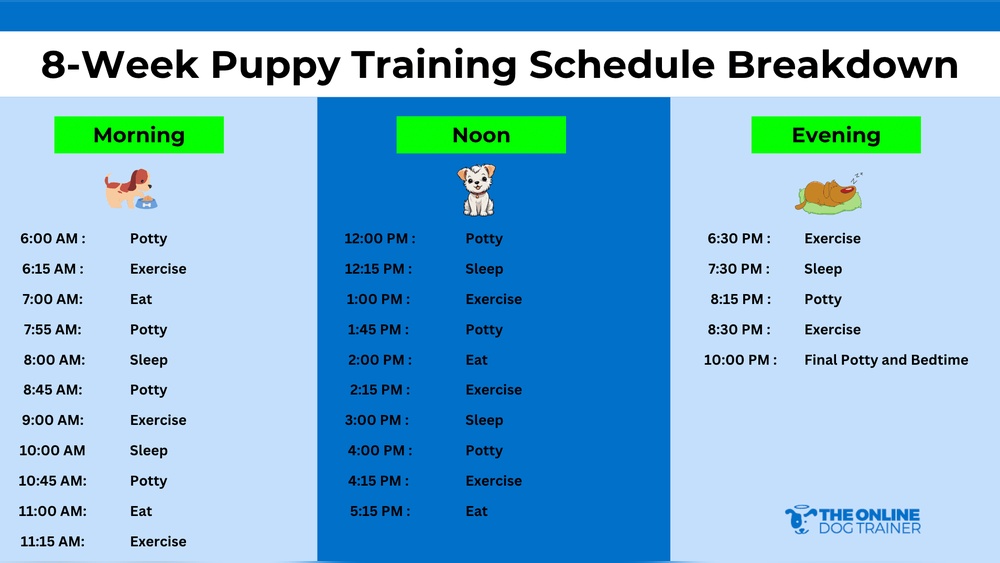
Feed your puppy at regular times every day. Puppies usually eat three to four small meals daily. This helps keep their energy steady and digestion smooth.
Keep water available at all times. Clean their food and water bowls daily to prevent germs. A good schedule helps your puppy learn when to expect food.
Treats And Snacks
Use treats to reward good behavior or training progress. Choose healthy treats made for puppies. Avoid giving too many treats to prevent weight gain.
Snacks should not replace regular meals. Treats are a small part of their diet. Always check the treat ingredients for safety and nutrition.
Training Basics
Training your new puppy sets the foundation for good behavior. It helps your dog understand rules and feel safe. Start training early and keep sessions short. Consistency is key for your puppy to learn well.
House Training
House training teaches your puppy where to go potty. Take your puppy outside often, especially after eating or sleeping. Praise your puppy right after they go outside. Clean accidents with a strong odor remover. This stops your puppy from going in the same spot again.
Basic Commands
Teach simple commands like “sit,” “stay,” and “come.” Use clear and short words for each command. Repeat commands in a calm voice. Practice commands daily for a few minutes. Reward your puppy when they obey. This builds good habits fast.
Positive Reinforcement
Positive reinforcement means rewarding good behavior. Use treats, toys, or praise to encourage your puppy. Avoid punishment. It can cause fear and slow learning. Reward your puppy immediately after good actions. This helps them connect behavior with rewards.
Socializing Your Puppy
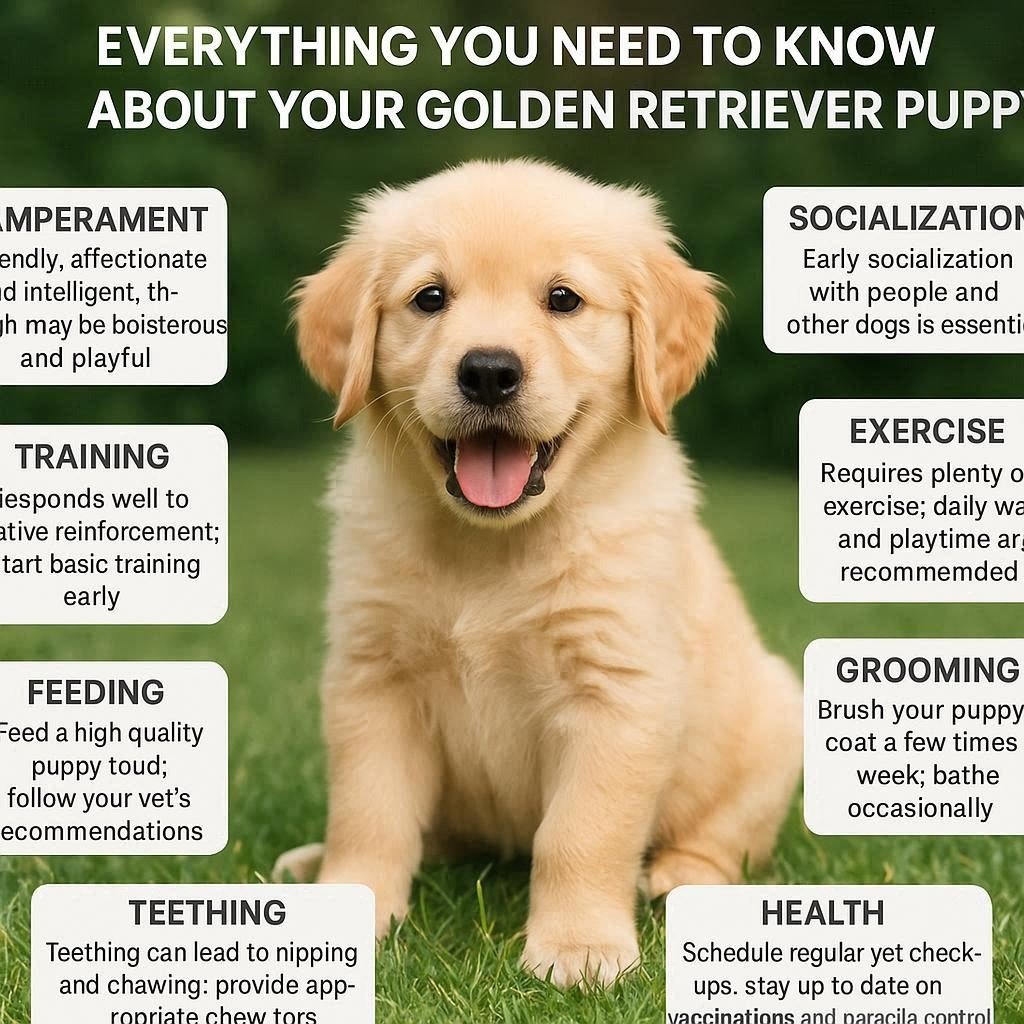
Socializing your puppy helps them grow into a friendly and confident dog. Early social experiences shape their behavior for life. Positive encounters with people, animals, and places reduce fear and aggression. Start socializing soon after bringing your puppy home. Keep experiences calm and fun to build trust and happiness.
Introducing To People
Let your puppy meet many different people. Include men, women, children, and seniors. Encourage gentle petting and calm voices. Avoid loud noises or sudden movements. Praise your puppy for calm behavior. This helps your dog feel safe with new people.
Meeting Other Animals
Allow your puppy to meet other dogs and pets. Choose friendly, vaccinated animals. Keep meetings short and controlled. Watch your puppy’s body language closely. Stop the interaction if your puppy seems scared or aggressive. Positive animal friends teach your puppy good manners.
Handling New Environments
Take your puppy to new places often. Parks, streets, and pet stores are good spots. Let your puppy explore at their own pace. Carry treats to reward calm behavior. New sights and sounds build confidence. Regular exposure helps your puppy feel at ease in many places.
Credit: joyfluffy.com
Health And Wellness
Keeping a new puppy healthy is very important. Good health helps your puppy grow strong and happy. This section covers key points about health and wellness for new puppy owners. Follow these tips to give your puppy the best start in life.
Regular Vet Visits
Take your puppy to the vet regularly. Early vet visits help spot problems fast. Vets check your puppy’s growth and overall health. They also give advice on food, care, and training. Schedule visits every few months during the first year.
Vaccinations
Vaccines protect your puppy from dangerous diseases. Follow the vaccination schedule given by your vet. Common vaccines include distemper, parvovirus, and rabies. Keep a record of all shots for future reference. Vaccinations keep your puppy and other pets safe.
Exercise Needs
Puppies need daily exercise to stay healthy. Playtime helps their muscles and minds develop. Short walks and gentle games suit young puppies. Avoid hard exercise that can hurt growing bones. Exercise also reduces stress and unwanted behaviors.
Managing Behavior
Managing a puppy’s behavior is important for a happy home. Puppies explore the world with their mouths and voices. They need guidance to learn good habits. Patience and consistency help them grow into well-behaved dogs. This section covers key tips on chewing, barking, and separation anxiety.
Handling Chewing
Puppies chew to explore and soothe teething pain. Provide safe chew toys to redirect their biting. Remove items you don’t want chewed. Praise your puppy when they use their toys. Avoid harsh punishments; they can cause fear. Consistent training teaches what is okay to chew.
Dealing With Barking
Barking is a puppy’s way to communicate needs or alert you. Observe why your puppy barks—boredom, fear, or attention. Respond calmly and avoid shouting. Teach a “quiet” command with treats and praise. Exercise and play help reduce excess barking. A calm puppy barks less.
Separation Anxiety
Separation anxiety happens when puppies feel scared alone. Start by leaving your puppy alone for short times. Use toys or treats to keep them busy. Keep arrivals and departures low-key to avoid stress. Gradually increase alone time as your puppy adjusts. This builds their confidence and calmness.
Bonding And Playtime
Spending quality time with your new puppy helps build a strong bond. Playtime is fun and teaches your puppy about trust and safety. It also keeps them active and happy. Use these tips to make bonding and playtime enjoyable for both of you.
Interactive Toys
Interactive toys keep your puppy busy and curious. Toys like puzzle feeders challenge their mind. Chew toys help with teething and reduce bad chewing habits. Choose toys that are safe and fit your puppy’s size. Rotate toys often to keep interest high.
Daily Play Sessions
Set aside time every day for play. Short, frequent sessions work best for puppies. Use gentle games like fetch or tug-of-war. Keep sessions positive and stop if your puppy seems tired. Play helps your puppy learn commands and social skills.
Building Trust
Trust grows with patience and gentle care. Speak softly and move slowly around your puppy. Offer treats and praise to reward good behavior. Hold and pet your puppy calmly to create comfort. Consistent care makes your puppy feel safe and loved.
Credit: carrington.edu
Frequently Asked Questions
How Do I Prepare My Home For A New Puppy?
Prepare your home by puppy-proofing areas and removing hazards. Create a cozy space with a bed and toys. Stock up on puppy essentials like food, bowls, and grooming tools. Establish a safe environment to help your puppy adjust comfortably and avoid accidents.
What Is The Best Diet For A New Puppy?
Feed your puppy high-quality, age-appropriate puppy food rich in nutrients. Consult your vet to select the right brand and portion sizes. Avoid human food and sudden diet changes. Proper nutrition supports healthy growth and energy levels during early development stages.
How Often Should I Train My New Puppy?
Train your puppy in short, consistent sessions, 5 to 10 minutes each. Aim for 2 to 3 sessions daily to keep their attention. Use positive reinforcement with treats and praise. Early training builds good habits and strengthens your bond with your puppy.
When Should I Start Socializing My Puppy?
Start socializing your puppy as early as 7 to 8 weeks old. Introduce them to different people, animals, and environments gradually. Positive social experiences reduce fear and promote confident behavior. Always supervise interactions to ensure safety and comfort for your puppy.
Conclusion
Caring for a new puppy takes time and patience. Start with simple training and gentle guidance. Give your puppy lots of love and attention. Keep routines consistent to help your puppy feel safe. Watch for signs of illness and visit the vet regularly.
Enjoy the special moments as your puppy grows. Small steps lead to a happy, healthy dog. Remember, every puppy is unique and learns at its own pace. Stay calm, be kind, and have fun together. Your new friend will thank you with loyalty and joy.