Bringing a new puppy home is exciting, but potty training can quickly become a challenge. If you’re feeling overwhelmed or unsure where to start, you’re not alone.
The good news? With the right tips and a little patience, you can teach your puppy where and when to go. Imagine fewer accidents, less stress, and a happier home for both you and your furry friend. Keep reading, and you’ll discover simple, effective puppy potty training tips that really work.
Your journey to a cleaner, calmer house begins here.

Credit: petcareadvisorusa.com
Choosing The Right Spot
Choosing the right spot for your puppy’s potty is very important. It helps your puppy learn where to go quickly. A good spot makes training easier. Your puppy will feel safe and understand what to do.
The right place should be easy to reach for your puppy. It must be quiet and free from distractions. A spot with good drainage is best for outdoor areas. For indoor training, use a spot that is easy to clean.
Indoor Vs Outdoor Options
Indoor potty spots work well for small spaces or bad weather. Use puppy pads or a small litter box. Place them in a low-traffic area.
Outdoor potty spots give puppies fresh air and space. Choose a quiet area with grass or dirt. Avoid busy or noisy places to keep your puppy calm.
Consistency In Location
Always take your puppy to the same spot. This helps your puppy learn faster. It builds a strong habit and reduces accidents.
Use the same door or path to get there. Keep the spot clean but leave some scent to guide your puppy. Consistency makes potty training smoother for both of you.
Creating A Schedule
Creating a schedule is key to successful puppy potty training. Puppies thrive on routine. A set schedule helps them learn when and where to go potty. Consistency reduces accidents and builds good habits. It also makes training easier for you and less stressful for your puppy.
Feeding Times And Potty Breaks
Feed your puppy at the same times every day. Regular feeding times create a predictable bathroom schedule. After eating, puppies usually need to go potty within 10 to 30 minutes. Plan potty breaks right after meals to catch these moments.
Take your puppy outside frequently. Young puppies may need a potty break every hour. Older puppies can wait longer but still need regular chances. Stick to the same spots outside. This helps your puppy associate the area with potty time.
Recognizing Puppy’s Signals
Watch your puppy closely for signs they need to go. Sniffing around, circling, or whining often means they need a potty break. Acting restless or heading to the door can be a clear signal. Respond quickly to these signs and take your puppy outside.
Learning your puppy’s signals improves communication. It reduces accidents inside your home. The more you observe, the faster your puppy learns the right place to go.
Positive Reinforcement
Positive reinforcement helps your puppy learn good habits quickly. It rewards the puppy for doing the right thing. This makes the puppy want to repeat the behavior. Positive words, treats, and love work well together. They build trust and make training fun.
Using Treats Effectively
Treats are powerful tools in potty training. Give small, tasty treats right after your puppy goes outside. The quick reward helps the puppy connect the action with the treat. Use treats only during training times. This keeps treats special and exciting. Avoid giving too many treats to keep your puppy healthy.
Verbal Praise And Affection
Speak gently and happily when your puppy does well. Words like “Good dog” or “Well done” show approval. Combine praise with petting or a gentle hug. This makes your puppy feel loved and proud. Puppies respond well to kind voices and touch. This builds a strong bond and encourages good behavior.
Credit: caredogs.blog
Handling Accidents
Accidents happen during puppy potty training. Puppies are learning and need patience. How you handle these accidents affects their training progress. Cleaning up quickly and calmly helps your puppy learn the right spot to go. Avoiding punishment keeps your puppy confident and eager to learn.
Cleaning Techniques To Remove Odors
Use an enzymatic cleaner to remove urine and smell. This type of cleaner breaks down the odor-causing molecules. Avoid regular household cleaners that mask smells without removing them. Rinse the area well with water after cleaning. Dry the spot completely to prevent your puppy from returning there. Clean any accident spot immediately to stop repeated accidents.
Avoiding Punishment
Do not yell or hit your puppy for accidents. Punishment makes puppies scared and confused. They will not connect punishment with the accident. Instead, stay calm and gently take them to the right spot. Praise your puppy when they go potty outside. Use positive words and treats to encourage good behavior. Patience and kindness build trust and fast learning.
Crate Training Benefits
Crate training offers many benefits for puppy potty training. It helps puppies learn bladder control by giving them a small, safe space. Dogs naturally avoid soiling their sleeping area. This instinct makes crate training effective for housebreaking.
Using a crate creates a routine and structure for your puppy. It also prevents accidents when you cannot watch them closely. The crate becomes their personal den, a place for rest and comfort.
Choosing The Right Crate Size
Select a crate that fits your puppy’s size. It should be large enough for them to stand, turn, and lie down comfortably. Avoid crates that are too big. Extra space can encourage your puppy to eliminate inside.
Consider your puppy’s growth. Use a crate with adjustable dividers. This lets you make the space bigger as your puppy grows. A proper size crate supports effective potty training.
Introducing The Crate Gradually
Start by making the crate inviting. Place soft bedding and toys inside. Allow your puppy to explore the crate at their own pace. Do not force them inside.
Use positive reinforcement. Give treats and praise when your puppy enters the crate. Begin with short periods and slowly increase the time. This helps your puppy feel safe and comfortable.

Credit: m.youtube.com
Common Challenges
Potty training a puppy is not always easy. Many owners face challenges that can make the process slow or frustrating. Understanding these common problems helps you stay patient and consistent. Puppies need time and clear guidance to learn the right habits.
Each puppy is unique, so challenges vary. Some behave stubbornly, while others have breed-specific needs. Knowing these issues prepares you to handle them better.
Dealing With Stubborn Behavior
Some puppies resist potty training. They may ignore commands or delay going outside. Stubbornness often comes from fear or confusion. Stay calm and use gentle encouragement. Avoid punishment; it can make problems worse. Reward good behavior quickly to create positive habits. Consistency is key to overcoming stubbornness.
Adjusting For Different Breeds
Breed affects how fast puppies learn potty habits. Small breeds may need more frequent bathroom breaks. Larger breeds might take longer to control their bladder. Some breeds have higher energy, making training harder. Study your breed’s traits to tailor training. Adjust your schedule and methods to fit your puppy’s needs.
Tools And Products
Training a puppy to potty outside needs the right tools and products. These help make the process easier and cleaner. They also teach your puppy good habits fast. Choose supplies that keep your home fresh and your puppy happy.
Best Cleaning Supplies
Cleaning accidents quickly stops your puppy from returning to the spot. Use enzymatic cleaners that break down smells. These cleaners remove urine and feces odors completely. Avoid ammonia-based products. They can confuse your puppy and cause more accidents.
Paper towels and disposable wipes help clean small messes fast. Keep a spray bottle of cleaner handy. It saves time and keeps cleaning easy. A good trash bin with a lid controls odors and keeps your space neat.
Helpful Training Aids
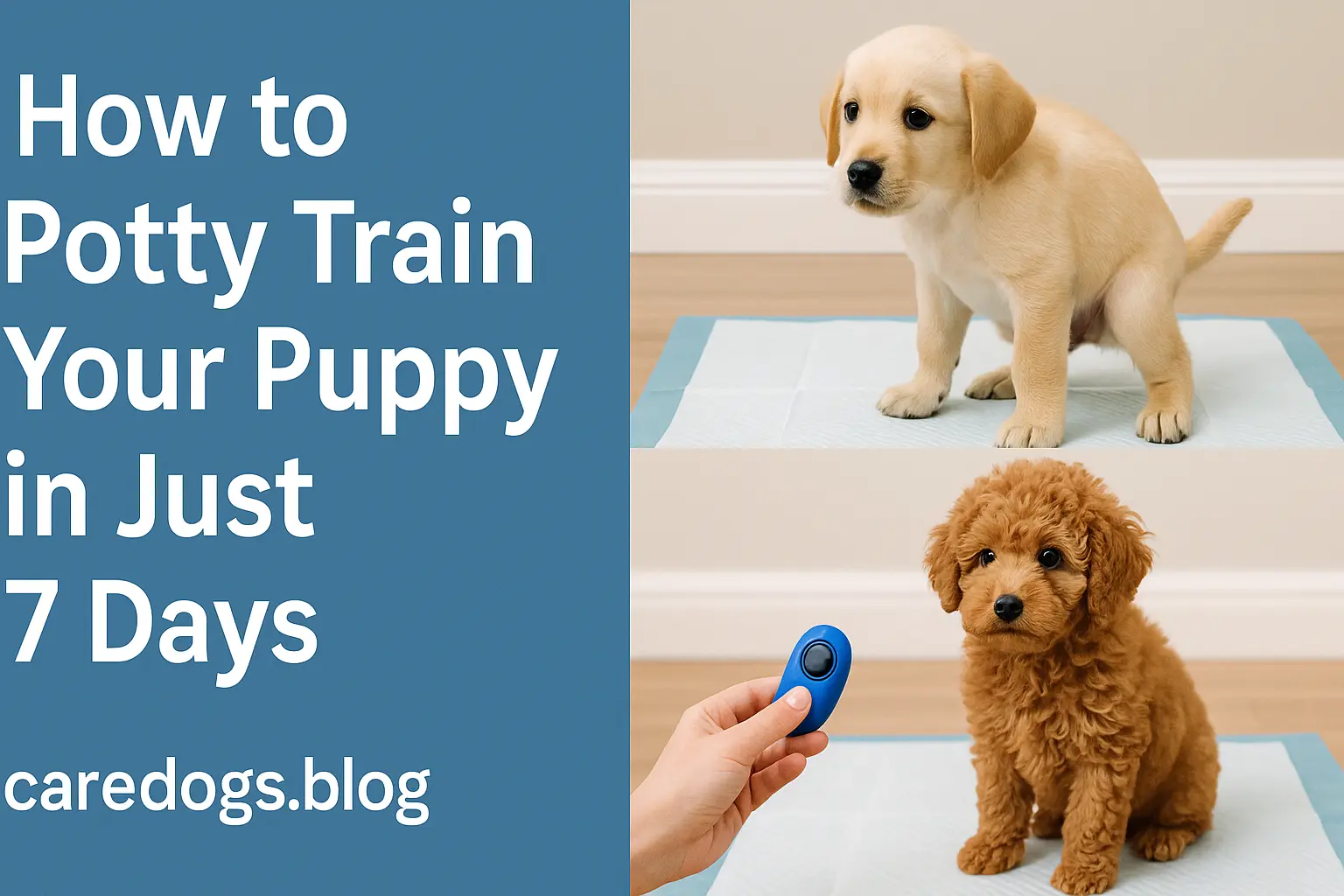
Training pads work well for puppies that stay indoors. They absorb messes and protect floors. Place pads where your puppy likes to go. Gradually move them outside to encourage outdoor potty habits.
Clickers and treats reward good behavior instantly. This helps puppies learn faster. Use a leash to guide your puppy outside. It teaches them where to go and keeps them safe.
Frequently Asked Questions
How Long Does Puppy Potty Training Usually Take?
Puppy potty training typically takes 4 to 6 months. Consistency and patience speed up the process. Each puppy learns at their own pace. Regular bathroom breaks and positive reinforcement help achieve success faster.
What Is The Best Method For Puppy Potty Training?
Positive reinforcement is the best method for puppy potty training. Reward your puppy immediately after they eliminate outside. Use treats, praise, and affection to encourage good behavior. Avoid punishment, as it can cause fear and confusion.
How Often Should I Take My Puppy Outside?
Take your puppy outside every 1 to 2 hours. Puppies have small bladders and need frequent bathroom breaks. Also, take them out after meals, naps, and playtime. Consistent scheduling helps puppies learn proper potty habits quickly.
How Do I Handle Potty Training Accidents Indoors?
Clean accidents immediately with an enzymatic cleaner to remove odors. Avoid punishment; it can confuse your puppy. Redirect them to the designated potty area. Patience and consistency are key to preventing future accidents.
Conclusion
Training a puppy takes time and patience. Consistency helps your puppy learn good habits faster. Praise and rewards make training fun and effective. Remember, accidents will happen—stay calm and keep trying. Soon, your puppy will understand where to go. Enjoy this special time with your new friend.
Good habits now lead to a happy, well-behaved dog later. Keep practicing daily for the best results. Your efforts will pay off with a clean, happy home.