Potty training your puppy can feel overwhelming, but it doesn’t have to be. Imagine having a clear plan that makes this process simple and stress-free for both you and your furry friend.
If you want to save time, avoid messes, and build a strong bond with your puppy, you’re in the right place. Keep reading, and you’ll discover the best tips that will help you master potty training quickly and effectively. Your puppy—and your home—will thank you!

Credit: somosceainternacional.com
Preparing For Potty Training
Preparing for potty training is the first step to success. It helps create a calm and clear routine for your puppy. A good start makes learning faster and less stressful for both of you.
Choosing The Right Space
Pick a quiet spot for your puppy to go potty. It should be easy to reach and away from their play area. Consistency helps your puppy know where to go every time.
Gathering Essential Supplies
Have all supplies ready before training begins. Use puppy pads, cleaning sprays, and treats for rewards. These items make training smoother and more effective.
Setting A Consistent Schedule
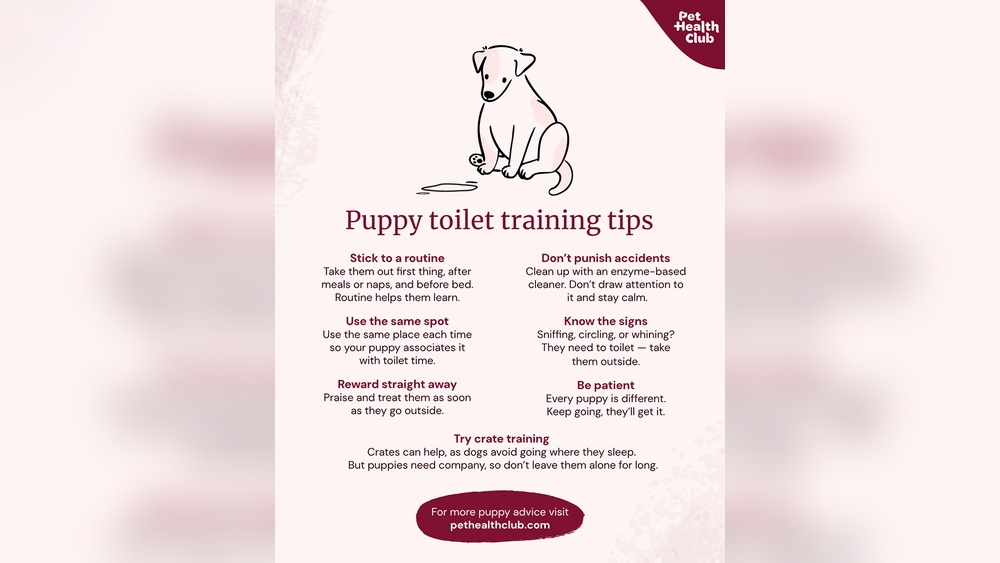
Set regular times for potty breaks. Take your puppy out after meals, naps, and play. A steady routine helps your puppy learn faster and avoid accidents.
Training Techniques That Work
Training your puppy to use the potty takes patience and the right methods. Choosing effective techniques makes the process smoother for both you and your puppy. Clear methods help your puppy learn faster and reduce accidents in your home. Below are proven training techniques that really work.
Using Positive Reinforcement
Reward your puppy immediately after they potty outside. Use treats, praise, or playtime as rewards. This teaches your puppy that going outside brings good things. Avoid punishment; it causes fear and slows learning. Consistent rewards build a strong habit quickly.
Crate Training Benefits
A crate creates a safe, cozy space for your puppy. Dogs avoid soiling their sleeping area naturally. Use the crate to help your puppy hold their bladder longer. Take your puppy outside right after crate time. Crate training supports a steady potty schedule and fewer accidents.
Recognizing Potty Signals
Learn to spot when your puppy needs to go. Signs include sniffing, circling, or whining near the door. Act quickly by taking your puppy outside right away. Watching for signals helps prevent accidents inside. Your puppy feels understood and learns trust with this method.
Common Challenges And Solutions
Potty training a puppy can bring many challenges. These challenges may confuse both the puppy and the owner. Knowing common problems and their solutions helps make training smoother. Patience and consistency are key to success.
Handling Accidents Calmly
Accidents happen during potty training. Reacting with anger can scare the puppy. Stay calm and clean the area well. Use an enzyme cleaner to remove smells. This stops your puppy from returning to the same spot. Praise your puppy when they go outside. Calm behavior teaches your puppy the right actions.
Dealing With Regression
Sometimes puppies forget training rules. This is normal, not a failure. Regression can happen after changes or stress. Keep your routine steady and clear. Return to basics by supervising your puppy more. Reward good behavior immediately. Patience helps your puppy regain good habits.
Managing Outdoor Distractions
Outside, many things can distract your puppy. Sights, sounds, and smells may pull their attention away. Choose a quiet spot for potty breaks. Stay close and guide your puppy gently. Use a consistent command to signal potty time. Short training sessions reduce distractions. This helps your puppy focus on the task.
Tips For Different Puppy Ages
Potty training changes as your puppy grows. Different ages need different ways. Understanding these changes helps you train better. Puppies learn fast with the right approach.
Training Young Puppies
Young puppies need frequent bathroom breaks. Take them outside every hour. Watch for signs like sniffing or circling. Praise them when they go outside. Use a consistent spot to help them remember. Keep training short and gentle. Patience is very important at this stage.
Adjusting Methods For Older Puppies
Older puppies can hold their bladder longer. Space out bathroom breaks gradually. Start teaching them to wait for short times. Use clear commands like “go potty.” Reward them immediately after they finish. Watch their behavior to prevent accidents. Keep training firm but kind. Consistency helps older puppies learn faster.
Maintaining Long-term Success
Maintaining long-term success in potty training your puppy is key to a happy home. Consistency and patience help your puppy learn good habits that last. Keeping a steady routine and rewarding good behavior builds confidence. This section covers important tips to keep your puppy on track for years to come.
Consistent Routine Importance
A regular schedule helps your puppy know when to go outside. Take your puppy out at the same times each day. This reduces accidents and confusion. A consistent routine makes potty training easier for both of you.
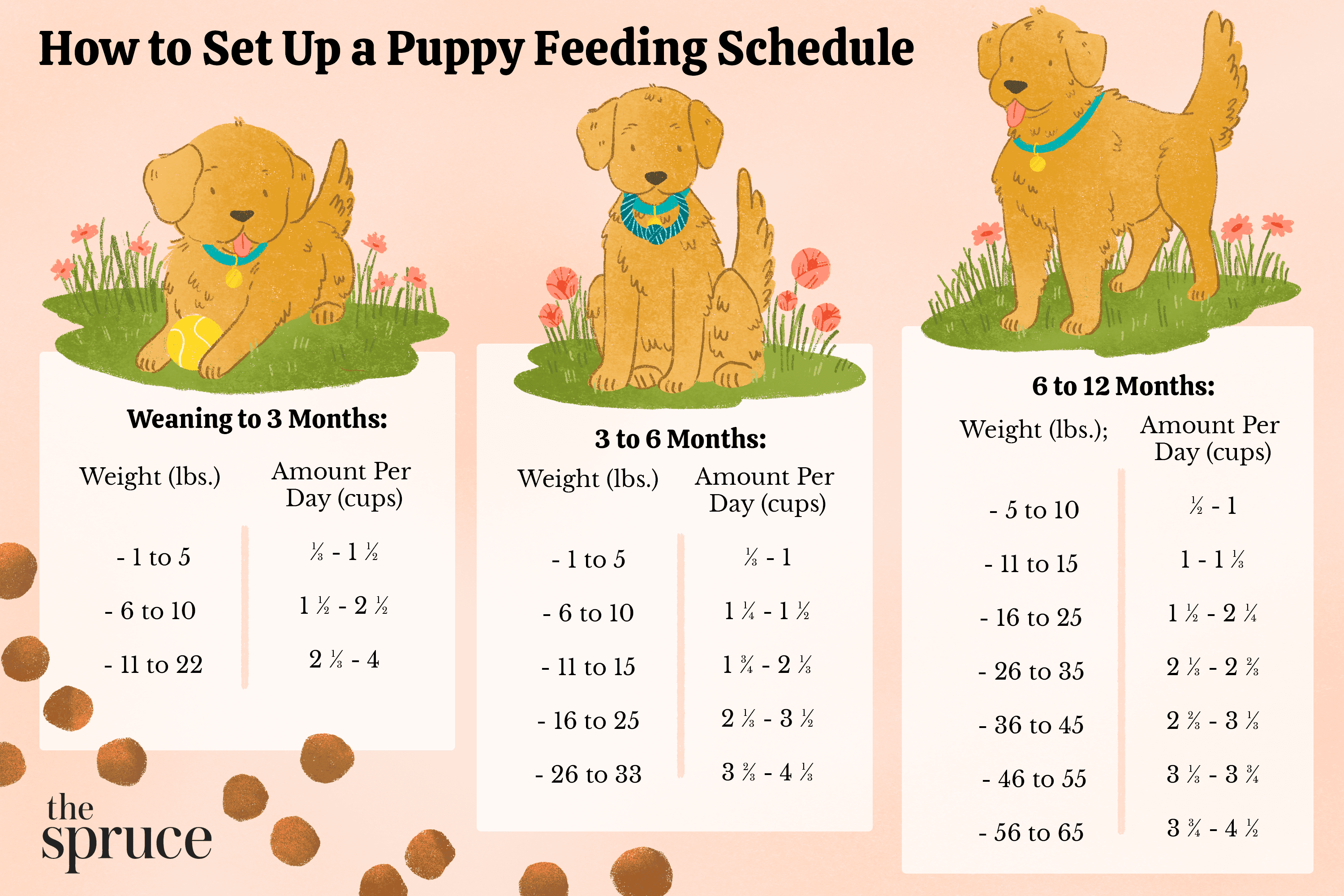
Feed your puppy at set times. This helps predict bathroom needs. Puppies thrive on stability and clear patterns.
Gradual Freedom Increase
Give your puppy more freedom step by step. Start with small areas in your home. Slowly allow access to larger spaces as your puppy learns. This prevents accidents and builds trust.
Never rush the process. Watch your puppy carefully. Control their space to avoid mistakes. Gradual freedom helps your puppy feel safe and confident.
Ongoing Praise And Rewards
Always praise your puppy for going potty outside. Use treats or kind words to encourage good habits. Positive feedback strengthens learning.
Keep rewards consistent. This keeps your puppy motivated. Celebrate small successes to keep training fun and effective.

Credit: www.foodexsaudiexpo.com
Credit: www.depedmati.com
Frequently Asked Questions
How Long Does Puppy Potty Training Usually Take?
Puppy potty training typically takes 4 to 6 months. Consistency, patience, and routine speed up progress. Younger puppies need frequent bathroom breaks. Each puppy learns at its own pace, so stay positive and persistent.
What Are The Best Signs A Puppy Needs To Potty?
Common signs include sniffing, circling, whining, or heading to the door. Watch for sudden restlessness or pacing. Recognizing these cues helps prevent accidents. Prompt response reinforces good potty habits effectively.
How Often Should I Take My Puppy Outside?
Take your puppy outside every 1 to 2 hours. Also, bring them out after eating, drinking, playing, or sleeping. Frequent trips help establish a strong potty routine. Regular timing reduces accidents and builds good habits.
Should I Use Puppy Pads Or Go Outside For Training?
Outdoor potty training is best for long-term success. Puppy pads may confuse puppies and delay outdoor training. Use pads only if outdoor access is limited. Gradually transition from pads to outside for clear routines.
Conclusion
Potty training a puppy takes patience and consistency. Keep routines simple and clear. Praise your puppy for good behavior. Expect accidents; they are part of learning. Use the tips regularly to see progress. Small steps lead to big improvements. Stay calm and positive throughout the process.
Soon, your puppy will learn where to go. Enjoy the journey with your new friend. Success is possible with time and care.