

Teaching your dog to sit is one of the easiest and most important commands you can give. Imagine having your dog listen to you instantly, making walks and visits to the park calm and enjoyable.
Whether your dog is a playful puppy or an older companion, learning to sit can improve your bond and keep your furry friend safe. You’ll discover simple, step-by-step methods that anyone can follow. Ready to turn your dog into a well-behaved buddy?
Let’s get started!
Preparing For Training
Preparing for training helps set your dog up for success. It creates a calm space where your dog can focus. Preparation also makes the training process smooth and enjoyable. A good start builds trust and helps your dog learn faster.
Choosing The Right Environment
Pick a quiet place with few distractions. A small room or fenced yard works well. Avoid noisy areas or places with many people. The space should feel safe for your dog. Clear the area of toys or items that may distract.
Gathering Necessary Supplies
Have treats ready to reward your dog. Use small, soft treats your dog likes. Prepare a clicker if you use clicker training. Bring a leash to keep your dog close. Have a comfortable mat or blanket for your dog to sit on.
Setting Realistic Expectations
Understand your dog needs time to learn. Start with short training sessions of 5 to 10 minutes. Repeat sessions daily to build a habit. Expect mistakes and stay patient. Celebrate small progress to keep motivation high.
Credit: tractive.com
Basic Training Techniques
Training a dog to sit is one of the easiest commands to teach. It builds a strong foundation for more complex training. Basic techniques use simple actions and clear communication. Patience and practice are key to success. These methods help your dog understand what you want clearly.
Using Treats And Rewards
Treats motivate dogs to learn new commands. Use small, tasty treats that your dog loves. Show the treat to get your dog’s attention. Give the treat immediately after your dog sits. This helps your dog connect the action with the reward. Praise your dog with a happy voice too.
The Lure And Reward Method
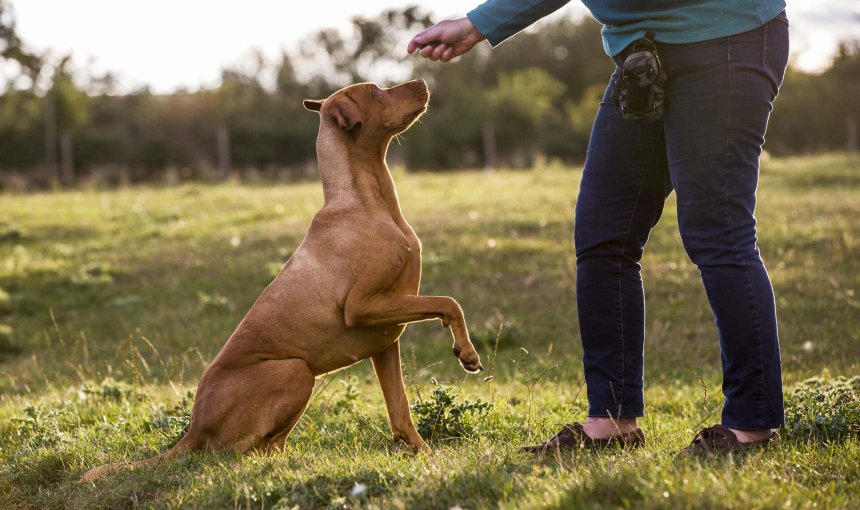
Hold a treat close to your dog’s nose. Slowly move the treat above their head. This makes your dog naturally sit to follow the treat. Say “sit” clearly as your dog moves down. Once the dog sits, give the treat right away. Repeat this step several times each day.
Timing And Consistency
Timing is very important in dog training. Reward your dog the moment they sit. Delayed rewards confuse your dog. Practice the sit command several times a day. Use the same word and hand signal each time. Consistency helps your dog learn faster and better.
Step-by-step Sit Command
Teaching your dog to sit is one of the easiest and most useful commands. It helps your dog learn patience and focus. This step-by-step guide breaks down the sit command into simple parts. Follow each step carefully to see quick results.
Getting Your Dog’s Attention
First, find a quiet place with few distractions. Stand in front of your dog and call their name softly. Hold a treat close to their nose. Let your dog smell it but do not give it yet. Your dog’s eyes should focus on the treat and you.
Guiding The Sit Position
Slowly move the treat above your dog’s head. Move it back toward their tail. This motion makes your dog naturally sit down to follow the treat. As soon as your dog’s bottom touches the ground, say “sit” clearly. Give the treat immediately to reward the behavior.
Reinforcing The Command
Repeat this exercise several times each day. Use the word “sit” every time before guiding your dog. Gradually reduce the use of treats after your dog starts to sit on command. Praise your dog with a happy voice and petting. Consistency helps your dog understand and obey the sit command.
Troubleshooting Common Issues
Training a dog to sit can sometimes be tricky. Many dog owners face common challenges. These issues can slow progress or cause frustration. Understanding how to fix these problems helps you train better. Below are key tips for troubleshooting common issues during sit training.
Dealing With Distractions
Distractions make it hard for dogs to focus. Start training in a quiet space. Use low distractions at first. Gradually add more distractions as your dog improves. Keep training sessions short to hold attention. Reward your dog quickly when they sit. This helps them connect the command with the action.
Managing Stubborn Behavior
Some dogs refuse to sit right away. Patience is crucial. Use a calm, firm voice. Avoid yelling or punishment. Try different rewards like treats or toys. Break the command into smaller steps. Praise any attempt to sit. Consistency will encourage your dog to listen.
Avoiding Common Mistakes
Many owners rush the training process. Don’t expect immediate results. Avoid repeating the command too many times. This can confuse your dog. Use clear and simple words. Always reward good behavior quickly. Never punish your dog for not sitting. Keep training fun and positive for best results.
Advanced Tips For Faster Results
Training your dog to sit quickly requires more than just basic commands. Advanced techniques speed up learning and build strong habits. These tips focus on clear communication and consistent practice.
Small changes in how you train can create big improvements. Use these strategies to make your sessions more effective and enjoyable for your dog.
Short, Frequent Training Sessions
Keep training sessions brief, around 5 to 10 minutes each. Short sessions help your dog stay focused and avoid boredom. Repeat these sessions several times a day. This frequent practice builds muscle memory and faster learning. End each session on a positive note to keep your dog eager for the next one.
Using Verbal And Hand Signals
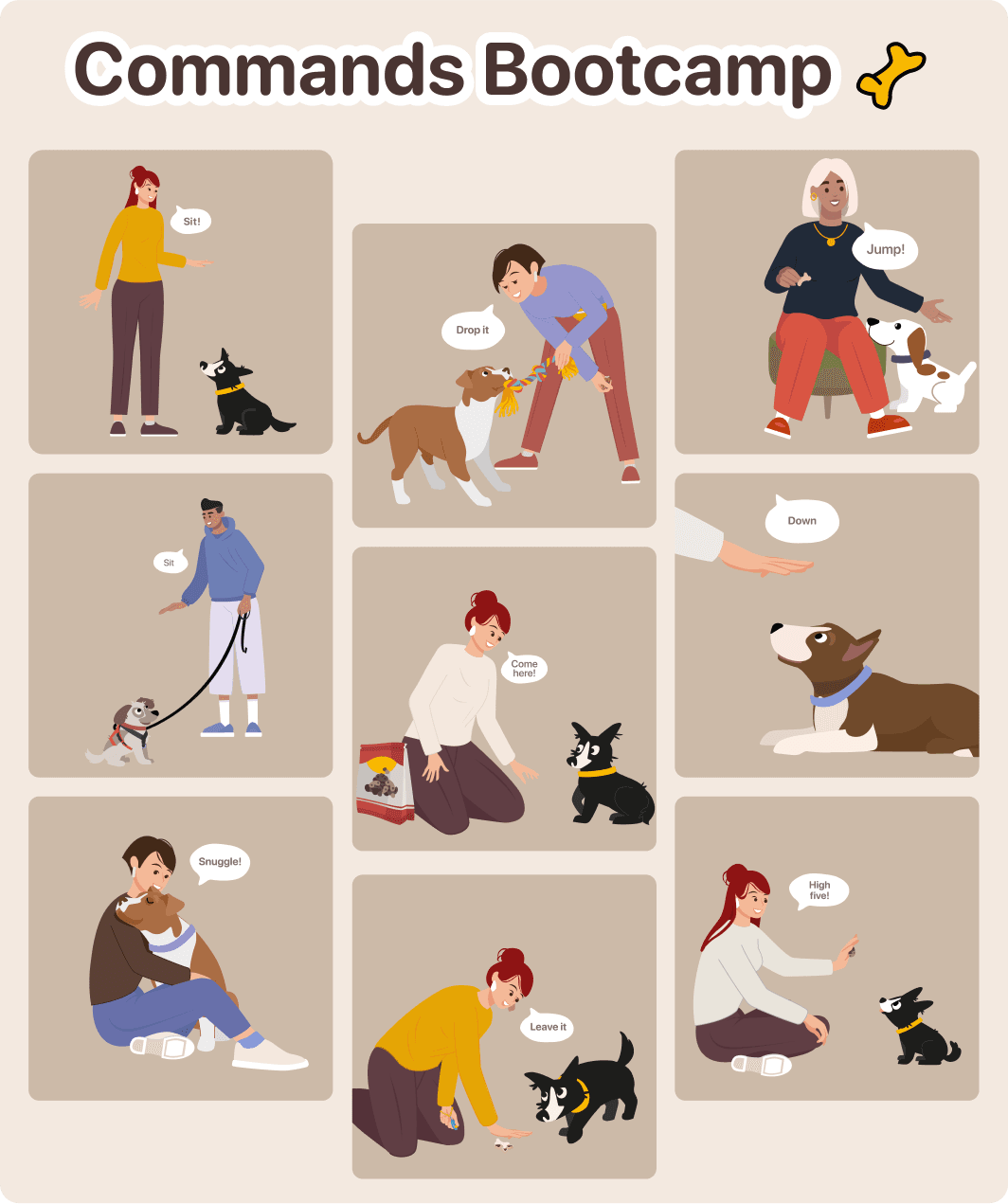
Combine verbal commands with clear hand signals. Dogs respond well to visual cues along with words. Use the same words and signals every time for consistency. This dual approach improves understanding and speeds up response time. Over time, your dog will obey even if you use only one type of cue.
Practicing In Different Settings
Train your dog in various places like the park, yard, or inside the house. Different environments teach your dog to obey commands everywhere. Start in quiet areas, then gradually add distractions. This practice makes your dog reliable in real-world situations. It also builds confidence and focus during training.
Credit: www.woofz.com
Maintaining The Sit Command
Maintaining the sit command is key to good dog training. Teaching your dog to sit is just the start. Keeping the behavior strong takes ongoing effort. Dogs need clear signals and consistent practice to obey reliably. This section explains how to keep the sit command firm and easy for your dog to follow.
Regular Practice And Reinforcement
Practice the sit command every day. Short sessions work best. Repeat the command and reward your dog when it sits. Use praise and treats to encourage good behavior. Consistent practice helps your dog remember what to do. Avoid long sessions that bore your dog. Keep training fun and positive.
Gradually Reducing Treats
Start by giving treats every time your dog sits. After your dog learns well, reduce treats slowly. Give treats only sometimes, not always. Use praise or petting as rewards too. This helps your dog obey without expecting food. It builds trust and good habits. Be patient during this change.
Incorporating Sit Into Daily Routine
Use the sit command in daily activities. Ask your dog to sit before meals or walks. Practice sitting before opening doors or greeting people. This makes the command part of everyday life. Your dog learns to listen in many situations. It strengthens your bond and control. Keep commands simple and clear.

Credit: www.threads.com
Frequently Asked Questions
How Long Does It Take To Train A Dog To Sit?
Training a dog to sit usually takes a few days to a week. Consistent short sessions improve learning speed. Patience and positive reinforcement help your dog master the command faster.
What Treats Are Best For Training A Dog To Sit?
Small, soft, and tasty treats work best for training. They motivate your dog and are easy to eat quickly. Avoid large or hard treats that distract or slow training.
Can Puppies Learn To Sit Like Adult Dogs?
Yes, puppies can learn to sit just like adult dogs. Early training helps build good habits and strengthens your bond. Keep sessions short and gentle for best results.
How Often Should I Train My Dog To Sit Daily?
Train your dog to sit 2-3 times daily in short 5-minute sessions. Frequent practice reinforces the command without overwhelming your dog. Consistency is key to success.
Conclusion
Training your dog to sit builds good behavior and trust. Practice daily with patience and praise. Keep sessions short and fun to hold your dog’s attention. Use treats to reward success and repeat often. Small steps lead to big progress over time.
Enjoy the bonding moments during training. A well-trained dog makes life easier and happier. Start today and watch your dog learn quickly. Consistency is key to lasting results. You and your dog will both benefit greatly.


