

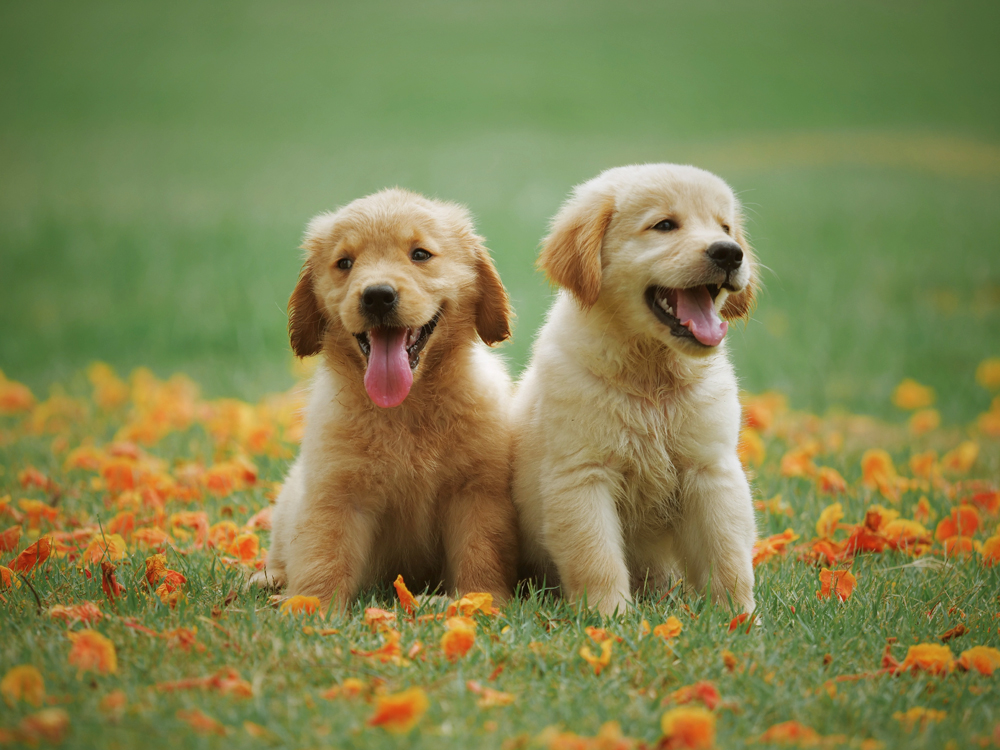
Raising sibling puppies can be both exciting and challenging. You want them to grow up happy, healthy, and well-behaved—but sometimes, managing two playful pups at once feels overwhelming.
What if you could avoid common mistakes and create a peaceful, loving home for your furry duo? You’ll discover simple yet powerful tips that make raising sibling puppies easier and more rewarding. Keep reading to learn how to turn your puppy chaos into harmony.
Preparing Your Home
Preparing your home for sibling puppies is key for their comfort and safety. It helps them feel secure and reduces stress. Setting up the right environment supports healthy growth and good behavior.
Safe Spaces For Each Puppy
Create a cozy area for each puppy. Use small beds or crates with soft blankets. These spots become their personal safe zones. Puppies learn to relax and rest there. Keep these spaces quiet and away from heavy foot traffic.
Essential Supplies
Gather all necessary items before puppies arrive. Food and water bowls, chew toys, and grooming tools are vital. Choose sturdy and puppy-safe toys to avoid choking hazards. Have cleaning supplies ready for accidents.
Puppy-proofing Tips
Remove anything harmful or fragile from their reach. Secure electrical cords and small objects. Block off stairs and unsafe rooms. Use baby gates to control their movement. Check for toxic plants and chemicals in accessible areas.
Managing Puppy Introductions
Introducing sibling puppies to each other is a key step for happy living. The right start helps avoid fights and builds strong bonds. Careful management of their first meetings shapes their future relationship. Keep these tips in mind to create a calm, friendly environment.
First Meeting Strategies
Choose a neutral space for their first meeting. Avoid places where one puppy feels the owner’s full attention. Let both puppies explore the area calmly. Keep leashes loose to allow gentle sniffing. Watch their body language closely for signs of comfort or stress.
Monitoring Early Interactions
Stay close during early playtimes. Look for friendly play, like chasing and gentle mouthing. Separate them briefly if play gets too rough. Praise calm behavior with soft voices or treats. Early monitoring helps prevent bad habits or fear.
Handling Initial Conflicts
Small squabbles are normal but step in if it escalates. Use a calm voice to interrupt fights. Avoid yelling or harsh punishment that may scare them. Give each puppy space to cool down. Keep conflicts short and rare for peaceful growth.
Establishing Boundaries
Raising sibling puppies can be fun and challenging. Establishing boundaries is key to keeping peace. Clear rules help puppies learn what is okay and what is not. This makes their home life happier and safer. Boundaries also reduce fights and confusion between siblings.
Setting Rules For Playtime
Playtime should be fun but calm. Set limits on rough play to avoid injuries. Teach puppies to take turns with toys. Stop play if it gets too wild. Use gentle commands like “easy” or “stop.” Consistent rules help puppies understand good behavior.
Creating Feeding Routines
Feed puppies at the same time every day. Use separate bowls to prevent food fights. Watch them eat to stop guarding or growling. Praise calm behavior near food. A steady routine builds trust and reduces stress during meals. It also helps puppies grow strong and healthy.
Using Crates And Rest Areas
Give each puppy its own crate or resting space. This area is for quiet and rest only. Crates help puppies feel safe and secure. Teach them to enjoy time alone in their crate. This reduces fighting and offers a break from play. Rest areas also help puppies sleep better.
Credit: poochprofessor.com
Encouraging Positive Social Behavior
Encouraging positive social behavior in sibling puppies helps build a strong bond. Puppies learn how to play and share through good social habits. Teaching these skills early makes their life together happier and safer. Positive social behavior sets the foundation for well-mannered adult dogs.
Rewarding Good Interactions
Praise puppies when they play nicely. Use treats or gentle petting to show approval. Reward calm behavior and sharing toys. This helps puppies understand which actions are good. Consistent rewards build trust and encourage more positive behavior.
Redirecting Negative Behavior
Stop rough or aggressive play quickly. Gently separate the puppies if needed. Offer a toy or a different activity to distract them. Avoid yelling or harsh punishment. Calm redirection teaches puppies limits without fear. This keeps their relationship healthy and safe.
Socialization With Other Dogs
Introduce puppies to other friendly dogs early. Supervised playdates help puppies learn new social cues. Meeting different dogs reduces fear and aggression later. Socialization builds confidence and good manners outside the home. It prepares puppies for real-world interactions.
Training Techniques For Siblings
Training sibling puppies can be a challenge and a joy at the same time. These young dogs learn fast but need clear guidance to grow well. Using the right techniques helps each puppy develop good habits and respect. Training siblings together and apart builds strong bonds and good manners.
Focus on both individual and group training. This balance creates confident and well-behaved dogs. Patience and regular practice make all the difference. Here are some effective training methods for sibling puppies.
Individual Training Sessions
Train each puppy alone for short times. This helps you see their unique strengths and weaknesses. Puppies learn commands better without distractions from siblings. It builds trust between you and each puppy. Simple commands like sit, stay, and come work well here. Keep sessions fun and brief to hold their attention.
Group Training Benefits
Training siblings together teaches social skills and teamwork. Puppies learn to follow commands even with distractions. It also saves time by training all at once. Group sessions show who leads and who follows in the pack. Use treats and praise to reward good group behavior. This strengthens their bond and obedience.
Consistency And Patience
Be consistent with rules and commands for all puppies. Mixed signals confuse them and slow progress. Use the same words and gestures every time. Patience is key; puppies learn at their own pace. Stay calm during mistakes and guide gently. Regular training builds strong habits over time.

Credit: doodledoods.com
Preventing Rivalry And Aggression
Raising sibling puppies can be joyful but also challenging. Preventing rivalry and aggression is key for a peaceful home. Puppies may compete for attention, toys, or food. This can lead to fights or stress. Understanding how to stop these problems early helps keep the peace.
Recognizing Signs Of Jealousy
Watch for signs like growling or snapping. One puppy may block the other from toys or food. Tail tucking or avoiding the sibling also shows stress. Early signs help stop rivalry before it grows. Pay close attention during play and feeding times.
Calming Tense Situations
Separate puppies if they start to fight. Use a calm voice to soothe them. Give each puppy its own toys and space. Reward good behavior with treats or praise. Keep routines consistent to reduce stress. Calm energy from you helps puppies relax.
Seeking Professional Help
Some puppies need more help to get along. A trainer or behaviorist can offer advice. They teach how to manage fights and build trust. Early help prevents long-term problems. Don’t wait if aggression gets worse or lasts long.
Maintaining Long-term Harmony
Keeping peace between sibling puppies takes ongoing care. Their bond can grow strong, but tension may appear. Long-term harmony needs daily effort and gentle guidance. Understanding their needs helps avoid fights and stress. A calm, happy home means puppies thrive together.
Regular Exercise Together
Exercise helps puppies use energy and stay calm. Playtime with both siblings builds trust and friendship. Activities like walks or fetch improve behavior and health. Exercising together reduces boredom and stops bad habits. Make sure both puppies get enough time to run.
Balanced Attention And Affection
Give each puppy equal love and care. Sharing attention prevents jealousy and rivalry. Praise good behavior from both puppies often. Spend special time with each one alone. Fair affection builds confidence and keeps peace in the home.
Monitoring Changes Over Time
Watch your puppies’ behavior as they grow. Signs of stress or aggression need quick action. Changes may come with age or new experiences. Keep track of feeding, play, and rest habits. Early detection helps maintain harmony for years.

Credit: taketheleadk9training.com
Frequently Asked Questions
How To Socialize Sibling Puppies Effectively?
Socialize sibling puppies by introducing them to various environments and people early. Supervise their interactions and reward positive behavior. This builds confidence and reduces fear, helping them grow into well-adjusted adult dogs.
What Are The Best Training Tips For Sibling Puppies?
Train sibling puppies separately at first to focus on individual needs. Use consistent commands, positive reinforcement, and short sessions. This approach prevents competition and ensures each puppy learns effectively.
How To Prevent Rivalry Between Sibling Puppies?
Prevent rivalry by giving each puppy equal attention and resources. Avoid favoritism and provide separate feeding and resting areas. Encouraging cooperative play and individual bonding time reduces jealousy and conflict.
When Should Sibling Puppies Be Separated During Training?
Separate sibling puppies during training sessions if competition arises. Short, individual training helps focus and reduces distractions. Gradually reintroduce joint sessions once basic commands are learned.
Conclusion
Raising sibling puppies takes patience and care every day. Give each puppy love and attention to build trust. Teach them rules early to avoid behavior problems later. Playtime and training help them grow strong and happy. Watch their interactions to keep peace between siblings.
Enjoy the fun and challenges of raising two pups. With kindness and consistency, they will become great friends. Keep learning and adapting as they grow together. Your effort will bring joy and a happy home.


