

Choosing the perfect puppy is an exciting moment, but it can also feel overwhelming. You want a furry friend who fits your lifestyle and brings joy for years to come.
How do you make sure you pick the right one? This guide will walk you through simple, practical tips to help you find a puppy that matches your needs and personality. Keep reading—you’re just a few steps away from meeting your new best friend.

Credit: www.thehonestkitchen.com
Choosing The Right Breed
Choosing the right breed is a key step in picking a puppy. Different breeds have different needs and traits. Matching a breed with your lifestyle helps create a happy home for both you and the puppy.
Think about daily routines, space, and the type of care you can provide. This makes life easier and more enjoyable for everyone.
Matching Breed To Lifestyle
Some breeds need lots of exercise and outdoor time. Others prefer quiet and short walks. Choose a breed that fits your activity level and daily habits. This keeps the puppy healthy and happy.
Consider your work hours and family size. A very active dog may not fit well in a small apartment. On the other hand, a calm breed might suit a busy household better.
Considering Size And Energy Levels
Small breeds need less space but can be very energetic. Large breeds may need more room and exercise. Think about your living space and how much energy you can handle.
High-energy dogs need playtime and mental challenges. Low-energy breeds are better for quiet environments. Pick a breed whose size and energy match your lifestyle.
Evaluating Grooming Needs
Some dogs shed a lot and need regular brushing. Others have short hair that is easy to care for. Grooming needs affect your time and budget.
Long-haired breeds may require professional grooming. Short-haired breeds usually need less care. Choose a breed with grooming needs you can manage comfortably.
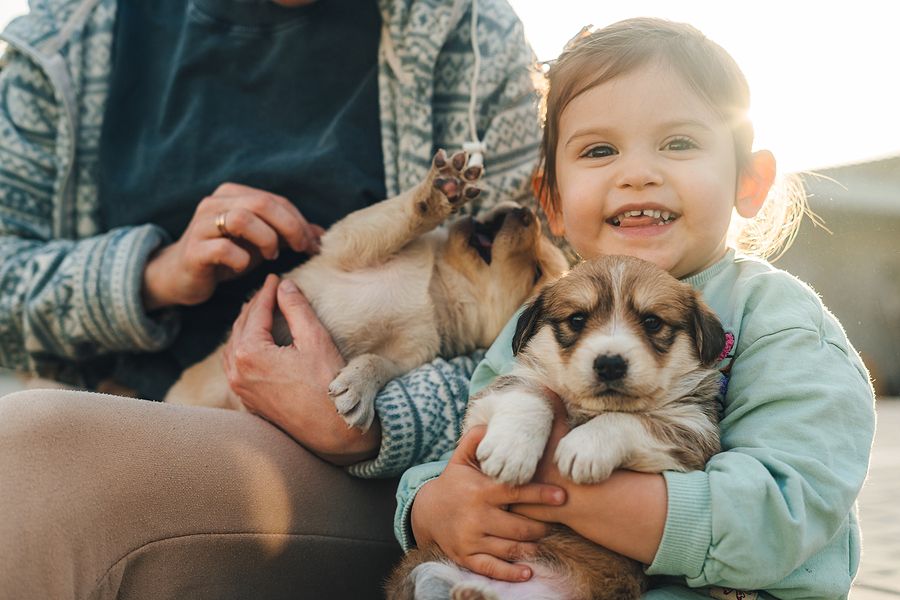
Credit: midlandspetcare.com
Assessing Puppy Health
Assessing a puppy’s health is key before bringing it home. Healthy puppies grow into happy dogs. Spotting health issues early saves money and stress later. Focus on three main areas: physical appearance, behavior, and vaccination records. Each gives clues about the puppy’s well-being.
Checking Physical Appearance
Look for clear eyes without redness or discharge. The nose should be moist and clean. Ears must be free from smell or dirt. Coat should be shiny and smooth, not patchy. Check the puppy’s skin for lumps or redness. The puppy should move easily without limping.
Observing Behavior And Temperament
A healthy puppy is active and curious. It should react to sounds and movements. Watch for signs of fear or aggression. Puppies that hide or seem weak may be unwell. Playfulness shows good energy and social skills. Quiet but alert behavior is normal too.
Verifying Vaccination Records
Ask for official vaccination documents from the breeder or shelter. Vaccines protect puppies from serious diseases. Check the dates and types of vaccines given. Make sure the puppy received its first shots. A vaccinated puppy needs fewer vet visits later.
Visiting Breeders And Shelters
Visiting breeders and shelters is an important step in choosing a new puppy. This visit lets you see the puppy’s environment and meet the people caring for them. It helps you decide if the place is clean, safe, and caring. Watching how puppies behave can also show their health and social skills. Spending time in these places builds trust and gives you peace of mind about your choice.
Questions To Ask Breeders
Ask about the puppy’s parents. Are they healthy? Have they been tested for common diseases? Find out about the puppy’s age and vaccinations. How long has the breeder cared for the puppies? Request information about the puppy’s temperament. Will they provide support after adoption? Good breeders welcome questions and share details openly.
Spotting Responsible Breeding Practices
Look for clean and spacious living areas. Puppies should have room to play and rest. Check if the breeder socializes puppies early. Healthy puppies have bright eyes and clean coats. Avoid places where puppies seem scared or sick. Responsible breeders focus on health, behavior, and environment. They follow rules and care for all animals well.
Benefits Of Adopting From Shelters
Shelters often have many puppies needing homes. Adoption saves lives and gives puppies a second chance. Shelter staff know each puppy’s behavior and health history. Adopted puppies can come with vaccinations and spaying done. Shelter visits let you meet many puppies and find the right match. Adoption is a kind choice that supports animal welfare.
Preparing Your Home
Preparing your home for a new puppy is an important step. It helps your puppy feel safe and happy right away. A well-prepared home makes training easier and keeps your puppy healthy. Start by making a safe space, getting supplies, and planning training routines.
Creating A Safe Space
Choose a quiet spot for your puppy to rest and relax. Use a crate or a small fenced area to keep them secure. Remove items that can harm your puppy, like wires or small objects. Soft bedding helps your puppy feel comfortable and calm. This space becomes their safe zone during the first days.
Gathering Essential Supplies
Buy food and water bowls that are easy to clean. Pick puppy food that suits their age and breed. Get toys for chewing and playing to keep them busy. Have a collar, leash, and ID tag ready for walks. Don’t forget grooming tools like brushes and nail clippers.
Setting Up A Training Plan
Decide on basic rules before your puppy arrives. Plan short and simple training sessions daily. Use positive words and treats to encourage good behavior. Teach potty training and basic commands early. Consistency helps your puppy learn faster and feel secure.
Building A Bond Early
Building a bond early with your new puppy helps create trust and love. This bond shapes your puppy’s behavior and happiness. Strong connections make training easier and life more joyful.
Start the bond by spending time and sharing experiences. These moments teach your puppy about your world and show them they are safe.
Spending Quality Time
Spend quiet moments with your puppy every day. Hold them gently and talk softly. Play simple games like fetch or tug-of-war. These activities help your puppy feel loved and secure. Avoid rushing or overwhelming your puppy. Small, calm interactions build trust quickly.
Introducing Socialization
Expose your puppy to new sights, sounds, and people. Let them meet other dogs in a safe place. These experiences help your puppy learn how to behave around others. Socialization reduces fear and aggression in the future. Keep the sessions short and positive. Praise your puppy for calm behavior.
Establishing Routines
Create a daily schedule for feeding, walks, and playtime. Puppies feel safe when life is predictable. Consistent routines help them learn good habits fast. Stick to the same times and places as much as possible. Routines also make toilet training easier. Your puppy will know what to expect.

Credit: www.youtube.com
Frequently Asked Questions
How Do I Choose The Right Puppy Breed?
Consider your lifestyle, living space, and activity level. Research breeds’ temperament, size, and care needs. Match a breed that fits your daily routine and family dynamics for a happy, healthy relationship.
What Age Is Best For Picking A Puppy?
Choosing a puppy between 8 to 12 weeks old is ideal. At this age, they are weaned and begin socialization. This timing helps with training and bonding, ensuring a smoother transition to your home.
How Can I Assess A Puppy’s Health Before Buying?
Check for clear eyes, clean ears, and a shiny coat. Observe their energy levels and breathing. Ask for veterinary records and vaccination history to ensure the puppy is healthy and well-cared for.
Should I Consider The Puppy’s Temperament?
Yes, temperament is crucial. Spend time interacting with the puppy to gauge friendliness and behavior. Choose a puppy whose temperament suits your family environment and lifestyle for better compatibility.
Conclusion
Choosing the right puppy takes time and care. Think about your home and daily life. Match a puppy’s energy with your routine. Meet the puppy several times before deciding. Watch how the puppy behaves and interacts. Trust your feelings and ask questions.
A good start helps build a strong bond. Enjoy the journey of finding your new friend. Patience and love make all the difference. Your perfect puppy is waiting for you.


