

If you have an American Bulldog puppy, you know how full of energy and personality they are. Training your new furry friend might feel challenging, but it doesn’t have to be.
With the right tips, you can shape your puppy into a well-behaved companion who listens and loves being around you. You’ll discover simple and effective training tips that will make your life easier and your puppy happier. Ready to turn those playful bursts into good habits?
Let’s dive in!
Choosing The Right Training Approach
Choosing the right training approach for American Bulldog puppies shapes their behavior and happiness. This breed is strong and smart, needing a clear and gentle method. Training builds trust and helps puppies learn good manners. The right approach fits their natural energy and curiosity.
Understanding how your puppy learns best saves time and avoids frustration. Use methods that encourage good habits and reduce bad ones. Training should be fun and safe for both you and your puppy.
Positive Reinforcement Techniques
Positive reinforcement uses rewards to encourage good behavior. Treats, praise, and petting work well for American Bulldogs. Reward your puppy right after they do something right. This helps them connect the action with the reward.
Avoid punishment or harsh words. These can cause fear and confusion. Keep training sessions short and happy to keep your puppy interested. Positive reinforcement builds confidence and a strong bond.
Consistency And Patience
Consistency is key in training American Bulldog puppies. Use the same commands and rules every day. This helps your puppy understand what you want. Patience is important too. Puppies need time to learn new skills.
Repeat training exercises regularly but keep sessions brief. Stay calm and gentle, even if progress seems slow. Your calm attitude helps your puppy feel safe and eager to learn.
Setting Realistic Goals
Set small and clear goals for your puppy’s training. Start with simple tasks like sitting or coming when called. Gradually increase difficulty as your puppy improves. Realistic goals prevent frustration for both of you.
Celebrate small wins and be ready to adjust goals as needed. Remember, every puppy learns at their own pace. Patience and clear goals lead to steady progress.
Basic Commands To Teach Early
Teaching basic commands early helps your American Bulldog puppy learn good behavior. It builds trust and makes training easier. Start with simple commands that your puppy can understand quickly. Practice daily in short sessions to keep your puppy interested. Consistency and patience are key for success.
Sit, Stay, And Come
“Sit” is the first command to teach. Hold a treat above your puppy’s nose. Move the treat back over its head. The puppy will naturally sit down. Say “sit” and give the treat immediately. Repeat until your puppy sits on command.
“Stay” teaches your puppy to wait. Ask your puppy to sit first. Show your palm and say “stay.” Step back slowly. If the puppy stays, give praise and a treat. Increase the distance over time. This command helps keep your dog safe.
“Come” brings your puppy to you. Use a happy voice and say “come.” Use a leash or long line for control. Reward your puppy with treats and affection when it comes. Practice in safe, enclosed areas for best results.
Leash Training Essentials
Leash training starts with a well-fitted collar or harness. Let your puppy wear the collar indoors first. Attach the leash and let the puppy drag it around. Hold the leash and walk slowly. Praise your puppy for walking beside you.
Stop if your puppy pulls. Stand still and wait for calm behavior. Use treats to encourage walking close to you. Keep sessions short and positive. Leash training helps with control and safety during walks.
Housebreaking Tips
Housebreaking needs patience and routine. Take your puppy outside often, especially after eating or sleeping. Choose a specific spot for bathroom breaks. Use a consistent phrase like “go potty.” Praise and reward your puppy immediately after success.
Watch for signs your puppy needs to go. Clean accidents with enzyme cleaner to remove smells. Avoid punishment as it can cause fear. A clean and consistent routine speeds up housebreaking.
Socializing Your Puppy
Socializing your American Bulldog puppy is key for a happy, well-behaved dog. It helps your puppy learn how to act around people, other dogs, and different places. Early socialization reduces fear and aggression later in life. Start socializing your puppy as soon as possible. Make each new experience positive and calm.
Introducing To New People
Let your puppy meet many people of all ages and looks. Some may wear hats or glasses. Allow gentle petting and soft voices. Keep meetings short and fun. Praise your puppy for calm behavior. Avoid forcing your puppy to interact if scared. Give time to adjust at its own pace.
Meeting Other Dogs
Choose friendly dogs for your puppy’s first meetings. Keep dogs on a leash at first. Watch for signs of stress or fear. Let them sniff and explore each other slowly. Praise good manners and calm play. Avoid crowded dog parks until your puppy feels confident. Regular meetings build social skills and confidence.
Handling Different Environments
Take your puppy to many places. Parks, streets, and quiet stores are good choices. Let your puppy hear different sounds like cars and people talking. Notice how your puppy reacts. Stay calm and offer treats for bravery. Change environments often to build comfort. This helps your puppy adapt to new situations easily.

Credit: www.amazon.com
Managing Common Behavioral Issues
American Bulldog puppies are strong and smart dogs. They need proper training to grow well. Managing common behavioral problems early helps avoid future trouble. Focus on clear rules and gentle correction. Patience and consistency are key. Understanding their natural instincts guides effective training.
Biting And Chewing
Puppies explore the world with their mouths. Biting and chewing are normal but must be controlled. Give safe chew toys to redirect their biting. Stop biting by saying “no” firmly and offering a toy. Praise the puppy when it chews the right items. Avoid rough play that encourages biting. Regular exercise reduces excess energy that causes chewing.
Excessive Barking
Bulldogs may bark to get attention or warn. Too much barking can annoy family and neighbors. Teach the “quiet” command and reward silence. Ignore barking for attention so it does not increase. Give enough playtime to keep the puppy calm. Use calm voices to avoid exciting the puppy. Consistent training helps control barking habits.
Separation Anxiety
Bulldogs love their owners and dislike being alone. Separation anxiety causes whining, barking, or destruction. Start with short alone times and slowly increase them. Give toys or treats to keep the puppy busy. Create a safe, comfortable space for the puppy. Avoid long goodbyes that increase stress. Calm departures and arrivals help the puppy feel secure.
Advanced Training Strategies
Advanced training strategies build on basic skills your American Bulldog puppy already knows. These methods boost focus and obedience in more challenging situations. They help your puppy listen better and act calmly around distractions. Training becomes more fun and effective with these approaches.
Impulse Control Exercises
Impulse control teaches your puppy to wait and think before acting. Start with simple commands like “stay” or “wait” during meals. Gradually increase the waiting time to improve patience. Use treats or toys as rewards only after your puppy stays calm. This training reduces jumping and grabbing habits. It helps your dog stay steady in exciting moments.
Recall Improvement
Recall means your puppy comes back when called. Practice recall in quiet areas first to avoid distractions. Use a happy tone and give a treat or praise for returning fast. Increase distance and add distractions over time. Keep recall sessions short and positive. Reliable recall keeps your dog safe and close to you.
Trick Training
Teaching tricks boosts your puppy’s brain and strengthens your bond. Choose simple tricks like “roll over,” “shake,” or “spin.” Break tricks into small steps and reward each progress. Use clear signals and repeat often. Trick training improves focus and listening skills. It also makes training sessions enjoyable for your puppy.
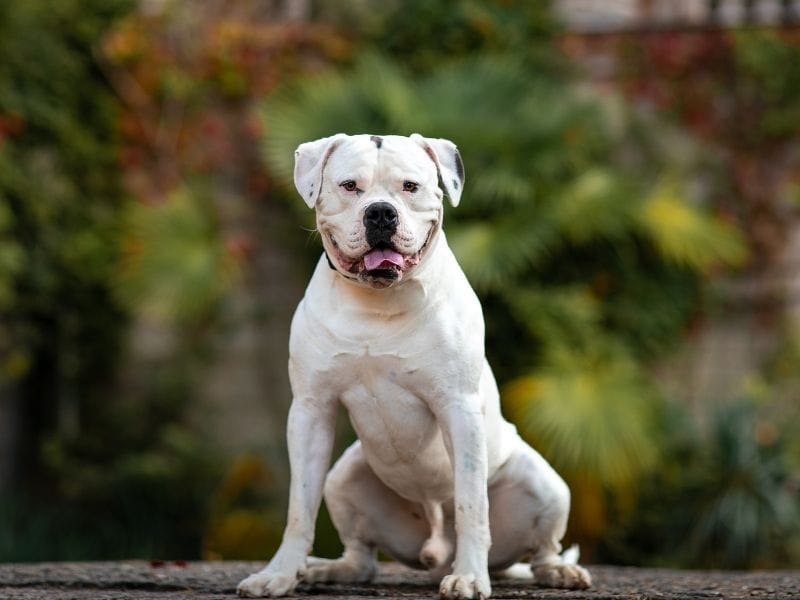
Credit: www.borrowmydoggy.com
Tools And Resources For Training
Training American Bulldog puppies needs the right tools and resources. These tools help make training easier and more effective. Choosing the right equipment and support can improve your puppy’s learning experience. It also builds a strong bond between you and your puppy.
Recommended Training Equipment
Start with a sturdy collar or harness for control. Use a leash about six feet long for training walks. Treat pouches keep rewards handy during sessions. Clickers help mark good behavior clearly. Training mats or beds teach puppies to stay in one place. Chew toys distract and satisfy their strong jaws.
Useful Training Apps
Training apps offer step-by-step guides for puppy commands. Some apps track progress and remind you of training times. Many apps include videos to show correct techniques. They provide tips on dealing with common puppy problems. Apps are useful for busy owners who need quick help.
Professional Training Services
Professional trainers offer expert advice tailored to your puppy. Group classes help socialize your American Bulldog with others. Private sessions focus on specific issues or goals. Trainers teach you how to communicate clearly with your dog. They provide support and motivation throughout training.
Maintaining Long-term Success
Training American Bulldog puppies is just the start. Maintaining long-term success requires steady effort and smart habits. Consistency helps your puppy remember what you teach. It also builds a strong bond between you and your dog.
Focus on daily routines and adjust your methods as your puppy grows. Celebrate good behavior often. These steps keep training effective and enjoyable.
Regular Practice Routines
Set specific times for training every day. Short, frequent sessions work best for puppies. Practice commands in different places to help your puppy learn well. Regular practice makes training a habit, not a chore.
Adapting Training As Puppy Grows
Your puppy’s needs change as it gets older. Increase training difficulty slowly to match its skills. Teach new commands and reduce treats over time. Adjust training to keep your puppy interested and challenged.
Rewarding Good Behavior
Use praise and treats to reward good behavior. This motivates your puppy to listen and learn. Be clear and consistent with rewards. Avoid punishing mistakes; focus on positive actions instead.

Credit: www.borrowmydoggy.com
Frequently Asked Questions
How Early Should I Start Training American Bulldog Puppies?
Start training as soon as you bring your puppy home. Early training builds good habits and social skills. Puppies learn best between 8 to 16 weeks. Consistency and positive reinforcement are key during this critical period.
What Are The Best Training Techniques For American Bulldogs?
Use positive reinforcement like treats and praise. Be consistent with commands and routines. Short, frequent training sessions work best. Avoid harsh punishments to prevent fear or aggression. Socialize your puppy early to improve behavior.
How Can I Stop My American Bulldog Puppy From Biting?
Redirect biting to chew toys immediately. Teach bite inhibition through gentle correction. Praise calm, gentle play behaviors. Consistent training helps reduce biting over time. Socialization also decreases mouthy behavior in puppies.
How Often Should I Train My American Bulldog Puppy Daily?
Train your puppy 2 to 3 short sessions daily. Each session should last 5 to 10 minutes. Frequent practice reinforces learning and keeps your puppy engaged. Avoid long sessions to prevent boredom or frustration.
Conclusion
Training American Bulldog puppies takes patience and clear steps. Start with simple commands and reward good behavior. Keep sessions short and fun to hold their attention. Consistency helps your puppy learn faster and build trust. Remember, every puppy is different and learns at its own pace.
Enjoy the process and celebrate small wins. A well-trained American Bulldog becomes a happy and loyal companion. Keep practicing daily for the best results. Training creates a strong bond between you and your puppy.

