

If you have a new puppy, you’ve probably noticed those sharp little teeth coming in fast. Teething can be tough—not just for your puppy but for you too.
You might be wondering how to soothe your puppy’s sore gums and stop the chewing chaos before it wrecks your favorite shoes. You’ll discover simple, effective tips that make teething easier for both of you. Keep reading, and you’ll learn how to turn this challenging phase into a smooth, even enjoyable, part of your puppy’s growth.

Credit: www.animalhospitalofclemmons.com
Signs Your Puppy Is Teething
Teething is a natural stage in your puppy’s growth. It usually starts around three weeks old and can last several months. During this time, your puppy’s baby teeth fall out, making way for adult teeth. This process can cause discomfort and lead to certain behaviors and symptoms. Recognizing these signs helps you support your puppy better.
Common Behaviors To Watch
Puppies often chew more than usual during teething. They gnaw on toys, furniture, or shoes to relieve gum pain. You might notice them drooling more than normal. Some puppies become restless or irritable. They may also bite gently when playing. These behaviors show your puppy needs comfort and safe chewing options.
Physical Symptoms Of Teething
Look for swollen or red gums around the teeth. Your puppy might have small bleeding spots in the mouth. Teeth may appear loose or missing. Sometimes, puppies lose their appetite for a short time. Mild fever or sneezing can happen but is less common. Watching these symptoms helps you care for your puppy’s health during teething.
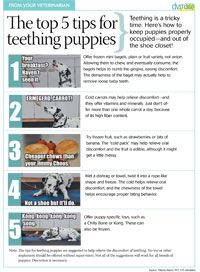
Credit: www.dvm360.com
Safe Chew Toys For Puppies
Teething is a tough time for puppies. Their gums hurt, and they want to chew. Safe chew toys help ease this pain. They keep puppies busy and protect your belongings. Choosing the right toys is important for health and comfort.
Materials That Soothe Gums
Soft rubber toys are gentle on tender gums. They provide just enough resistance to massage sore spots. Frozen nylon or silicone toys offer a cool, calming effect. Natural materials like untreated wood or cotton also soothe. Avoid hard or sharp textures that may hurt sensitive gums.
Toys To Avoid
Stay away from small toys that puppies can swallow. Avoid toys with loose parts or stuffing inside. Hard plastic or metal toys can damage new teeth. Chewing on shoes or household items can be dangerous. Choose durable, safe toys designed for teething puppies only.
Home Remedies To Ease Discomfort
Teething is a tough time for puppies and their owners. Puppies feel pain and irritation as new teeth grow. Home remedies can help soothe their discomfort safely. These simple methods offer relief without harsh chemicals or medicines. They also strengthen the bond between you and your puppy. Focus on natural, gentle care to keep your puppy calm and happy.
Cold Treats And Their Benefits
Cold treats help numb the sore gums. They reduce swelling and ease pain fast. Frozen carrots or ice cubes wrapped in cloth work well. Special puppy teething toys that chill in the freezer are also great. Make sure treats are safe and not too hard. Cold soothes the gums and distracts puppies from chewing furniture. Use cold treats for short periods to avoid tooth damage.
Gentle Gum Massages
Massaging your puppy’s gums is calming and pain-relieving. Use a clean finger or soft cloth. Rub the gums gently in small circles. This increases blood flow and eases soreness. Puppies often enjoy the attention and comfort. Massages also help puppies get used to mouth handling. Do it for a few minutes daily, watching your puppy’s reaction. Stop if your puppy shows signs of pain.
Creating A Puppy-friendly Environment
Creating a puppy-friendly environment helps your teething puppy feel safe and calm. Puppies explore with their mouths during teething. This can lead to chewing on things they should not. Setting up a space that suits their needs protects both your puppy and your belongings.
Protecting Your Belongings
Keep small or valuable items out of reach. Puppies chew on anything they find. Store shoes, cords, and toys in closed cabinets or high shelves. Use baby gates to block off areas with many items. Offer safe chew toys to divert their attention. Replace any damaged toys to avoid choking hazards.
Designing A Comfortable Space
Choose a quiet corner for your puppy’s bed. Soft bedding supports their growing joints. Keep water nearby for easy access. Add a few chew toys to comfort sore gums. Make sure the area is free from drafts. A calm space helps puppies rest and feel secure.
Training Tips During Teething Phase
Training a puppy during the teething phase requires patience and care. Puppies chew to soothe their sore gums. Teaching them what is okay to chew helps protect your home and your puppy’s health. Early training sets good habits for the future. Focus on guiding your puppy gently and consistently.
Redirecting Chewing Behavior
Provide safe chew toys to your puppy. Offer these toys whenever your puppy starts to chew on something wrong. Remove items that your puppy should not chew. Praise your puppy for chewing the right toys. This helps your puppy understand what is allowed. Change toys often to keep your puppy interested. Supervise your puppy to catch bad chewing early. Redirecting chewing stops damage and teaches good behavior.
Positive Reinforcement Techniques
Use treats and praise to reward good behavior. Reward your puppy immediately after chewing the right toy. Use a happy voice to encourage your puppy. Avoid punishment, as it can cause fear or confusion. Be consistent with rewards to build strong habits. Positive reinforcement creates a trusting bond. This method makes training easier and more effective during teething.

Credit: waggintailsvetclinic.com
When To See A Veterinarian
Teething is a normal stage for puppies, but some signs need a vet’s attention. Knowing when to see a veterinarian helps keep your puppy safe and healthy. Watch your puppy closely during this time. Some symptoms show that help is needed right away.
Signs Of Serious Issues
Bleeding gums that do not stop need a vet’s care. Excessive drooling or bad smell from the mouth can signal infection. If your puppy refuses to eat or drink, this is a warning. Swelling around the mouth or face needs a professional check. Also, watch for fever or constant whining. These signs show your puppy may be in pain or sick.
Professional Teething Solutions
Veterinarians offer safe treatments for teething troubles. They can suggest special toys that soothe your puppy’s gums. Sometimes, vets prescribe medicine to ease pain or stop infection. They also check for broken teeth or other problems. Trust their advice to help your puppy feel better fast.
Frequently Asked Questions
What Are The Signs Of Teething In Puppies?
Puppies often chew more, drool, and seem restless when teething. They may also bite gently and have swollen gums. These signs usually start around 3 weeks old and last until 6 months. Recognizing these helps you provide proper care and comfort.
How Can I Soothe My Teething Puppy’s Pain?
Offer cold chew toys or wet washcloths chilled in the fridge. Gently massaging your puppy’s gums with a clean finger also helps. Avoid giving hard or sharp objects that can harm their gums. Consistent comfort reduces their discomfort effectively.
When Do Puppies Finish Teething Completely?
Most puppies finish teething by 6 months old. Their baby teeth fall out, making room for adult teeth. Regular dental checks ensure healthy growth. Knowing this timeline helps you manage chewing behavior and dental health properly.
What Foods Are Best For Teething Puppies?
Soft, nutritious foods like wet puppy food or soaked kibble ease chewing. Avoid hard treats that can hurt sensitive gums. Proper diet supports healthy tooth development and overall growth. Consult your vet for tailored feeding advice.
Conclusion
Teething is a normal part of a puppy’s growth. It can cause discomfort, but you can help ease it. Provide safe chew toys and keep your puppy busy. Watch for signs of pain or unusual behavior. Stay patient and gentle during this time.
Your puppy will soon have healthy, strong teeth. Caring well now builds trust and good habits. Enjoy these moments—they pass quickly. Puppies grow fast and need your love and care.


