

Are you struggling to get your puppy to sleep through the night without accidents or crying? Crate training at night can feel overwhelming, but with the right tips, you can make it easier for both you and your furry friend.
Imagine peaceful nights where your puppy feels safe and comfortable, and you get the rest you deserve. Keep reading to discover simple, effective steps that will turn nighttime crate training into a smooth and stress-free experience for you and your puppy.
Choosing The Right Crate
Choosing the right crate is a key step in crate training your puppy at night. The crate should feel like a safe and cozy spot. Puppies sleep better when their crate fits their needs perfectly. Consider size, comfort, material, and where you place the crate in your home.
Size And Comfort
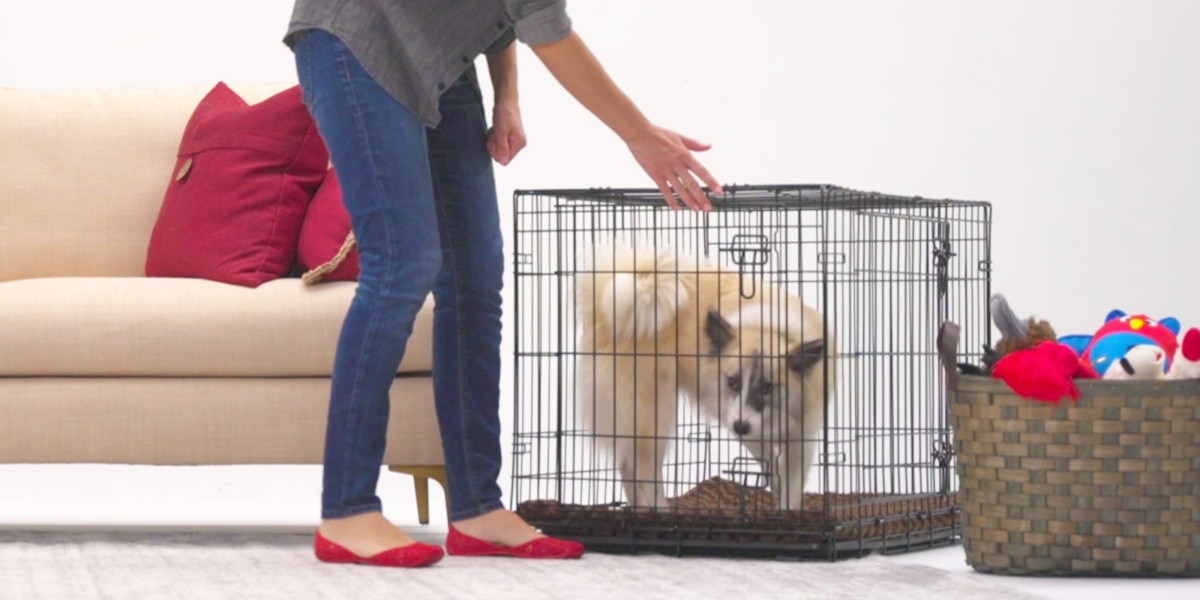
The crate must be big enough for your puppy to stand, turn, and lie down. Too small a crate feels cramped and uncomfortable. Too large, and the puppy may use one side as a bathroom. Soft bedding inside adds comfort. Use washable blankets or pads to keep it clean.
Material And Design
Choose a crate made of sturdy materials like metal or strong plastic. Metal crates offer good airflow and visibility. Plastic crates provide a cozy, den-like feel and block drafts. Look for rounded edges to keep your puppy safe. A crate with a removable tray makes cleaning easier.
Location In The House
Place the crate in a quiet, calm area but not too isolated. Puppies like to be near family at night. Avoid spots with loud noises or bright lights. A bedroom corner or living room works well. Make sure the spot is warm and free from drafts to keep your puppy comfortable.
Preparing Your Puppy For The Crate
Preparing your puppy for the crate is a key step for successful crate training at night. The goal is to make the crate a safe and happy place. Start slowly and with patience. Let your puppy explore the crate in a calm way. This helps reduce fear and builds trust. A positive start makes your puppy more comfortable staying inside the crate later.
Introducing The Crate Positively
Place the crate in a quiet, familiar area. Leave the door open at first. Allow your puppy to go inside on their own. Do not force or push your puppy into the crate. Speak softly and use a calm tone. Let your puppy sniff and explore freely. This creates a good first impression of the crate.
Using Treats And Toys
Use tasty treats to encourage your puppy to enter the crate. Toss a few treats inside the crate. Praise your puppy each time they go in. Offer favorite toys inside the crate as well. Toys keep your puppy busy and relaxed. This builds a positive connection with the crate.
Short Practice Sessions
Start with short crate sessions of just a few minutes. Close the door gently and stay nearby. Gradually increase the time your puppy stays in the crate. Watch for signs of stress or discomfort. End each session with praise and treats. Short, positive sessions help your puppy adjust comfortably.
Establishing A Nighttime Routine
Creating a calm and predictable nighttime routine helps puppies feel safe and relaxed. A steady routine reduces anxiety and helps your puppy learn when it is time to sleep. This routine prepares your puppy’s body and mind for rest. Establish clear steps before bedtime to build good habits early.
Consistent Bedtime Schedule
Set a fixed bedtime for your puppy every night. Going to bed at the same time helps their internal clock adjust. Your puppy will start to feel sleepy as bedtime nears. This makes crate training easier and less stressful for both of you.
Pre-bedtime Exercise
Give your puppy some playtime before bed. Light exercise helps release extra energy. Avoid intense play, which can make your puppy more awake. A short walk or gentle play can calm your puppy’s mind. Tired puppies settle faster inside their crate.
Limiting Food And Water Intake
Stop feeding your puppy an hour before bedtime. This reduces the chance of needing a bathroom break at night. Limit water intake 30 minutes before sleep to avoid accidents. Keeping this routine helps your puppy hold bladder overnight. It also supports better sleep for both of you.
Credit: www.purina.com
Handling Nighttime Whining
Handling nighttime whining is a common challenge in crate training puppies. Puppies may whine for many reasons. They might need to go outside or just want attention. Understanding how to handle this can help your puppy learn quickly. It also helps you get better sleep during those first few weeks.
Distinguishing Between Needs And Whining
Not all whining means the same thing. Sometimes, your puppy needs to go to the bathroom. Other times, it is just seeking comfort. Watch your puppy’s body language. If they pace or sniff, it could mean a bathroom break. If they lie down but still whine, they might want attention. Learning these signs helps you respond correctly. This avoids giving attention for attention’s sake.
When To Respond
Respond to your puppy only when needed. If they need to go out, take them quietly and calmly. Avoid bright lights or loud noises that wake them more. After the break, put them back in the crate. Ignore whining that tries to get attention. Giving in too soon teaches bad habits. Wait a few minutes to see if the whining stops. This patience helps your puppy learn to settle down alone.
Staying Calm And Consistent
Keep your voice soft and calm when you check on your puppy. Do not get angry or frustrated. Your puppy will sense your feelings. Calmness helps them feel safe and secure. Be consistent in your responses every night. Stick to the same routine and rules. This consistency builds trust and helps your puppy adapt faster. A calm and steady owner makes crate training easier for everyone.
Encouraging Bathroom Breaks
Encouraging bathroom breaks is key to successful crate training at night. Puppies have small bladders and need to go often. Helping them understand when and where to go prevents accidents. Gentle guidance makes the process smooth for both of you.
Timing Nighttime Potty Trips
Take your puppy out right before bedtime. Set an alarm to wake up once during the night. Most puppies need to go every four hours or less. Watch for signs like whining or sniffing. Timing these trips keeps your puppy comfortable and dry.
Keeping Breaks Quiet And Quick
Keep nighttime potty trips calm and quiet. Use a soft voice and dim lights. Avoid play or excitement during these breaks. This helps your puppy stay sleepy and ready to return to the crate. Quick trips teach your puppy this is just a bathroom stop.
Rewarding Successful Trips
Give gentle praise or a small treat after your puppy goes outside. Keep rewards low-key to avoid waking them up too much. Reward helps your puppy learn that going outside is good. This positive link encourages better bathroom habits at night.

Credit: www.reddit.com
Troubleshooting Common Issues
Troubleshooting common problems during nighttime crate training helps your puppy feel safe. It improves their comfort and your peace. Understanding typical issues makes the process easier. You can guide your puppy with patience and care.
Separation Anxiety
Some puppies feel scared when left alone in the crate. They may cry or try to escape. To ease anxiety, place a piece of your clothing in the crate. Your scent comforts them. Speak softly and stay close at first. Gradually increase the time they spend alone.
Excessive Barking
Barking can disturb your sleep and signal distress. Check if your puppy needs to potty or drink water. Do not yell or punish. Quietly reassure them with gentle words. A calm voice helps reduce barking. Keep the crate near your bedroom so they feel less lonely.
Reluctance To Enter The Crate
Your puppy may avoid the crate at first. Make the crate inviting with soft blankets and toys. Use treats to encourage them inside. Never force them. Let your puppy explore the crate at their own pace. Reward calm behavior near and inside the crate.
Maintaining Progress Long-term
Maintaining progress in crate training at night is essential for lasting success. Consistency and patience help your puppy feel safe and comfortable over time. This section covers key ways to keep the good habits going as your puppy grows. Follow these tips to support your puppy’s learning and independence.
Gradual Crate Freedom
Give your puppy more freedom slowly. Start by leaving the crate door open for short times. Let your puppy explore the area around the crate. Increase this time little by little each night. This helps your puppy trust the crate as a safe place. Avoid sudden changes that can cause stress or confusion.
Consistent Training Reinforcement
Keep training sessions regular and short. Praise your puppy every time it enters the crate calmly. Use treats or toys as rewards to encourage good behavior. Stick to the same commands and routines. This consistency makes the puppy understand what is expected. Avoid punishing your puppy for mistakes to maintain trust.
Adjusting As Puppy Grows
Change the crate size as your puppy gets bigger. Make sure the crate stays comfortable and not too tight. Adjust bedtime and bathroom breaks based on your puppy’s age. Older puppies can stay in the crate longer at night. Watch your puppy’s behavior and adapt training to meet new needs.
Credit: pethealthhouse.com
Frequently Asked Questions
How Long Does Crate Training Take At Night?
Crate training duration varies, usually 1-2 weeks. Consistency and patience speed up the process. Puppies learn to associate the crate with safety and comfort.
What Is The Best Crate Size For Puppies?
Choose a crate big enough for your puppy to stand, turn, and lie down comfortably. Avoid oversized crates to prevent accidents inside.
How To Calm A Puppy In The Crate At Night?
Use soft bedding and a favorite toy to comfort your puppy. A white noise machine or gentle voice can soothe them effectively.
When Should I Let My Puppy Out At Night?
Take your puppy out every 2-3 hours during the first few nights. This prevents accidents and helps establish a bathroom routine.
Conclusion
Crate training a puppy at night takes patience and calm. Keep a routine, so your puppy feels safe and knows what to expect. Give them a comfortable space with their favorite blanket or toy. Stay consistent with bathroom breaks to avoid accidents.
Remember, every puppy learns at their own pace. Celebrate small wins and stay positive. Soon, your puppy will sleep peacefully through the night. This helps both of you get better rest. Keep trying, and your efforts will pay off.


