

Are you wondering when it’s the right time to switch your furry friend to adult dog food? Making this change at the perfect moment can keep your dog healthy and full of energy.
Too early or too late, and you might miss out on important nutrients your dog needs. You’ll discover clear signs to watch for and simple tips to make the transition smooth. Keep reading to give your dog the best care at every stage of their life.
Credit: www.lucautosrl.it
Signs Your Dog Is Ready For Adult Food
Knowing the right time to switch your dog to adult food is important. Dogs grow fast, but each dog is unique. Watching for clear signs helps make the change smooth. It keeps your dog healthy and happy. Below are key indicators to guide you.
Age Milestones To Watch
Puppies usually start adult food between 9 and 12 months old. Small breeds may switch earlier, around 9 months. Large breeds often need more time, closer to 12 months. Breed size matters because growth rates differ. Use age as a general guide, not the only rule.
Behavioral Changes
Energy levels may change as your dog grows. Puppies are very active and curious. Adult dogs often show calmer behavior. Appetite patterns may shift too. If your dog seems less hungry or more settled, it may be time. Watch your dog’s mood and activity closely.
Physical Growth Indicators
Your dog’s body shape tells a lot. Look for a fuller, more muscular build. Puppy features like big paws or a round face may start to fade. Teeth development is another sign. Permanent teeth usually appear by 6 months. When growth slows, adult food can support maintenance.

Credit: mcdavidbalkans.com
Choosing The Right Adult Dog Food
Choosing the right adult dog food is important for your pet’s health. Adult dogs need food that fits their age, size, and activity. Feeding the right food helps keep them strong and happy. It also supports their energy and immune system. Understanding what to look for makes picking the best food easier.
Nutritional Requirements
Adult dogs need a balance of protein, fats, and carbohydrates. Protein helps build muscles. Fats give energy and keep the coat shiny. Carbohydrates provide fuel for daily activities. Dogs also need vitamins and minerals for good health. Each dog’s needs may change with age and activity level. A well-balanced diet supports their overall wellness.
Types Of Adult Dog Food
Dry kibble is popular and easy to store. It helps keep teeth clean by reducing plaque. Canned food contains more moisture and is tasty for picky eaters. Semi-moist food is soft and convenient but may have more sugar. Some owners choose raw or homemade diets for more control over ingredients. Each type has pros and cons to consider.
Reading Food Labels
Check the first ingredients for quality proteins like chicken or beef. Avoid foods with too many fillers like corn or soy. Look for added vitamins and minerals to meet nutritional needs. Check the guaranteed analysis for protein and fat percentages. Avoid artificial colors, flavors, and preservatives. Understanding labels helps choose healthy food for your dog.
Transitioning From Puppy To Adult Food
Switching your dog from puppy food to adult food is an important step. This change supports their growth and health as they mature. The transition should be smooth and careful to avoid stomach issues. Watch your dog closely during this time. Their needs and reactions guide how you proceed.
Gradual Switch Methods
Start by mixing a small amount of adult food with puppy food. Increase the adult food portion slowly over 7 to 10 days. This helps your dog’s digestive system adjust. Sudden changes can cause upset stomach or refusal to eat. Keep the total amount of food the same during the switch.
Monitoring Your Dog’s Reaction
Observe your dog’s appetite and energy levels daily. Check for signs like vomiting, diarrhea, or constipation. Watch for changes in stool consistency and frequency. If your dog seems uncomfortable, slow down the transition. Healthy skin and coat also indicate a good diet change.
Common Transition Challenges
Some dogs may reject the new food at first. Try warming the food slightly to improve smell and taste. Picky eaters may need more patience and encouragement. Digestive upset can happen but usually clears up quickly. Consult a vet if problems last more than a week.
Special Considerations For Different Breeds
Choosing the right time to switch your dog to adult food depends on many factors. Breed plays a big role in this decision. Different breeds grow at different speeds and have unique nutritional needs. Understanding these special needs helps keep your dog healthy and happy.
Small Vs. Large Breed Needs
Small breeds mature faster than large breeds. Many small dogs become adults by 9 to 12 months. Large breeds take longer, often 12 to 18 months. Feeding adult food too early can cause growth problems in large dogs. Small breeds need more calories per pound. Their food must support quick metabolism and energy use. Large breeds require food that supports joint health and slow growth. This helps prevent bone and joint issues later.
Breed-specific Dietary Concerns
Some breeds have special diet needs. For example, Bulldogs often need food that supports skin health. Huskies need more fat in their diet for energy. Poodles may need food that supports coat quality. Certain breeds are prone to allergies and need limited ingredient diets. Others may require food low in fat or calories to avoid weight gain. Knowing your breed’s risks helps choose the best adult food.
Signs Your Dog May Need A Diet Change
Dogs show clear signs when their diet no longer suits their needs. Paying attention to these signs helps keep your pet healthy. Changes in food can improve their well-being and comfort.
Watch your dog closely for any shifts in behavior or health. These clues guide you to adjust their diet properly. Early action prevents bigger problems later on.
Weight Fluctuations
Sudden weight gain or loss can signal diet issues. Too much food or the wrong type can cause weight changes. Monitor your dog’s weight weekly to catch problems early. A balanced diet helps maintain a healthy weight.
Energy Level Changes
Low energy or hyperactivity may relate to diet quality. A poor diet can make your dog tired or restless. Healthy food fuels their body and mind properly. Notice if your dog seems less active or unusually hyper.
Digestive Issues
Frequent vomiting, diarrhea, or constipation often link to diet. These issues cause discomfort and can lead to illness. Changing food to a gentler option may help digestion. Keep track of your dog’s bathroom habits for signs.
Consulting Your Veterinarian
Knowing when to switch your dog to adult food is important for their health. Your veterinarian can guide you through this change safely. They understand your dog’s unique needs and growth patterns. This advice helps you avoid feeding mistakes and keeps your dog strong and happy.
When To Seek Advice
Ask your vet about switching to adult food around your dog’s first birthday. Some breeds need adult food earlier or later. Watch for signs like slower growth or less energy. These can mean it’s time to change their diet. Your vet can check your dog’s weight and health to decide the best time.
Questions To Ask Your Vet
Ask what type of adult food fits your dog’s breed and size. Inquire about portion sizes and feeding frequency. Check if your dog needs special nutrients or supplements. Find out how to watch for any diet problems. Your vet can suggest brands that match your dog’s health needs.

Credit: www.cruceroclick.com
Frequently Asked Questions
When Should I Switch My Puppy To Adult Dog Food?
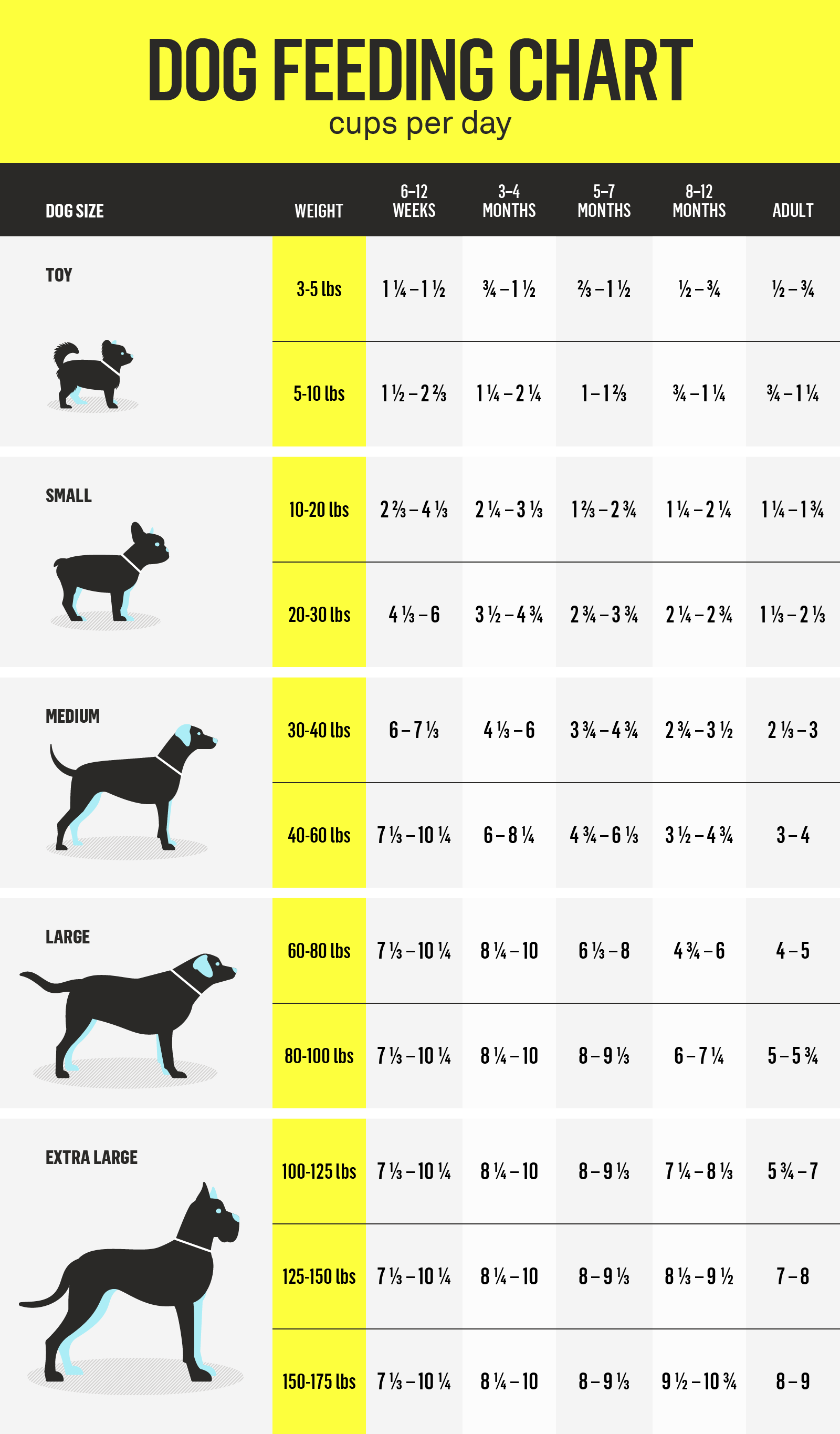
Switch your puppy to adult dog food around 12 months old. Large breeds may need up to 18-24 months. Consult your vet for breed-specific guidance. Transition gradually over 7-10 days to avoid digestive upset.
How Do I Know If My Dog Needs Adult Food?
Signs include reaching full size, stable weight, and decreased growth rate. Adult dog food suits maintenance rather than growth. Check your vet’s advice to confirm the best feeding stage for your dog.
Can I Give Adult Dog Food To A Puppy?
It’s not recommended. Adult dog food lacks essential nutrients for puppy growth. Puppies need higher protein, fat, and calories. Feeding adult food too early may stunt development and cause health issues.
What Are The Benefits Of Adult Dog Food?
Adult dog food supports maintenance, balanced nutrition, and healthy weight. It contains appropriate protein and fat levels for adult dogs. This food type helps prevent obesity and supports overall health during adulthood.
Conclusion
Switching your dog to adult food at the right time matters. Watch for signs like age and size changes. Proper nutrition supports their health and energy. Choose food that fits your dog’s needs well. Consult your vet for the best advice.
Feeding adult food too early or late can cause problems. Stay attentive to your dog’s growth and behavior. A healthy diet helps your dog live a happy life. Keep learning to give your pet the best care. Your dog will thank you with a wagging tail.


