
Bringing a Bernese Mountain Dog puppy into your home is an exciting experience filled with joy and new challenges. You want your puppy to grow into a well-behaved, happy companion, but training such a large and gentle breed can feel overwhelming.
What if you had simple, effective tips that make training easier and more enjoyable for both of you? You’ll discover practical advice to help your Bernese Mountain Dog puppy learn quickly and build a strong bond with you. Keep reading to unlock the secrets to successful training that will set you and your puppy up for a lifetime of happiness.
Choosing The Right Supplies
Choosing the right supplies for your Bernese Mountain Dog puppy helps set the stage for smooth training. The correct gear keeps your puppy safe and comfortable. It also makes teaching new skills easier and more fun. Picking quality items fits your puppy’s size and energy level. It supports good habits from the start.
Essential Puppy Gear
Start with a sturdy collar or harness. It should fit snugly but not too tight. Choose a leash about six feet long for control and freedom. A soft bed or crate offers a safe resting spot. Chew toys help with teething and keep your puppy busy. Food and water bowls need to be the right size and easy to clean. Puppy pads or a designated potty area support house training.
Safe Training Tools
Use positive tools like clickers or treats to reward good behavior. Avoid harsh collars or prong devices that can hurt your puppy. Gentle, consistent tools build trust and respect. Training treats should be small and healthy to avoid overfeeding. Interactive toys and puzzles stimulate your puppy’s mind. Safety always comes first in training to create a happy learning experience.
Credit: www.woodlotcompanions.com
Starting Socialization Early
Starting socialization early is vital for a Bernese Mountain Dog puppy. It helps them grow confident and well-behaved. Early social experiences shape how they react to the world. This phase is perfect to introduce new sights, sounds, and friends. Proper socialization reduces fear and aggression later. Begin gently and keep experiences positive and calm. Small steps build trust and curiosity. Consistent exposure helps your puppy feel safe and happy.
Introducing New People
Allow your puppy to meet many people. Different ages, sizes, and appearances are good. Friendly greetings help your puppy learn manners. Let them sniff and explore at their own pace. Avoid forcing the puppy into uncomfortable situations. Praise calm and gentle behavior with treats. This builds positive feelings about strangers. Early meetings prevent fear of new faces later.
Exposure To Other Animals
Introduce your Bernese puppy to other animals carefully. Dogs, cats, or small pets help widen their world. Watch body language for signs of stress or fear. Use controlled and safe environments for first meetings. Short and calm interactions work best. Reward polite and calm behavior with treats and praise. Early animal contact teaches your puppy to be friendly. It lowers chances of aggression or anxiety.
Handling Different Environments
Take your puppy to various places regularly. Parks, streets, and quiet neighborhoods are good options. New sounds like cars, children, and birds are learning moments. Let your puppy explore on a leash safely. Keep sessions short and enjoyable. Praise bravery and calmness in new spots. This helps your puppy adapt to changes easily. Variety in environments builds a confident and balanced dog.
Basic Commands To Teach
Teaching basic commands to your Bernese Mountain Dog puppy builds a strong bond. It sets clear rules and keeps your puppy safe. These commands help your dog learn good manners and behave well in different places.
Start training early. Keep sessions short and fun. Use treats and praise to encourage your puppy. Be patient and consistent. These simple commands are the foundation of all training.
Sit And Stay
“Sit” is the first command every puppy should learn. Hold a treat above your puppy’s nose. Move it back slowly over their head. When they sit, say “sit” and give the treat. Repeat this often.
“Stay” teaches your puppy to wait. Ask your puppy to sit. Show your open hand and say “stay.” Step back slowly. If your puppy stays, return and reward. Increase distance and time little by little.
Come When Called
This command keeps your puppy safe. Use a happy voice and say your puppy’s name, then “come.” When your puppy comes, give praise and a treat. Practice indoors first, then outside in safe areas.
Never call your puppy to punish. Make “come” a happy word. This builds trust and makes your puppy eager to respond.
Leash Walking
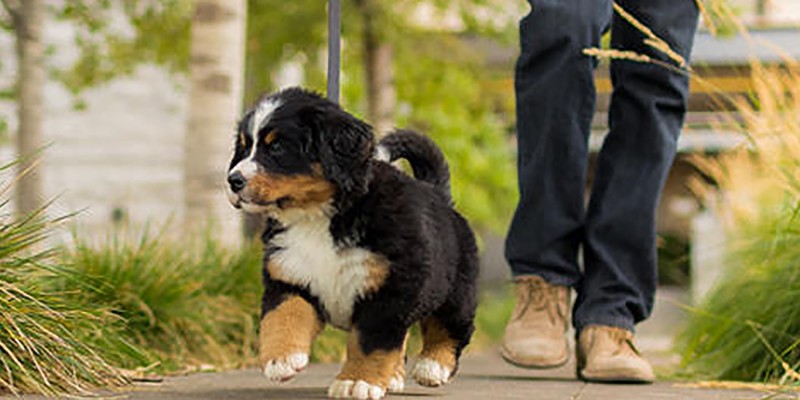
Leash walking teaches your puppy to walk beside you. Start indoors with a short leash. Let your puppy explore, then gently guide them to your side. Say “heel” or “let’s go” to encourage walking together.
If your puppy pulls, stop walking. Wait until the leash is loose, then move again. This teaches your puppy that pulling does not help. Practice daily for short times.

Credit: www.youtube.com
House Training Techniques
House training is a key step for your Bernese Mountain Dog puppy. It helps keep your home clean and builds good habits. Patience and consistency make training easier and faster. This section covers simple techniques to help your puppy learn where to go.
Establishing A Routine
Puppies thrive on routine. Take your Bernese puppy outside at the same times daily. Early morning, after meals, and before bedtime work well. Regular trips reduce accidents inside the house. Use the same door to go outside every time. This helps your puppy understand where to go.
Using Positive Reinforcement
Praise your puppy when they go potty outside. Use kind words and gentle pets. Giving treats works well too. This encourages your dog to repeat the behavior. Avoid punishment as it can cause fear or confusion. Positive reinforcement builds trust and good habits.
Dealing With Accidents
Accidents will happen. Clean the area with an odor remover. This stops your puppy from returning to the same spot. Never yell or hit your puppy for accidents. Instead, calmly take them outside next time. Stay patient. Learning takes time for young puppies.
Managing Chewing And Biting
Bernese Mountain Dog puppies explore the world through their mouths. Chewing and biting are natural behaviors at this stage. Managing these actions helps protect your belongings and keeps your puppy safe. Teaching them what is okay to chew and bite builds good habits early.
Providing Appropriate Chew Toys
Offer a variety of chew toys to your puppy. Choose toys that are safe and durable. Toys with different textures keep them interested. Rotate toys regularly to prevent boredom. Chew toys satisfy your puppy’s need to bite. This reduces the chance of them chewing on furniture or shoes.
Redirecting Undesirable Behavior
Gently stop your puppy when they bite hands or clothes. Replace your hand with a chew toy immediately. Praise your puppy when they bite the toy instead. Avoid yelling or harsh punishment. Consistency helps your puppy learn faster. Teach bite inhibition by letting out a soft yelp if bitten. This mimics how puppies communicate with each other.
Credit: www.purina.com
Building Confidence And Independence
Building confidence and independence is key for your Bernese Mountain Dog puppy’s growth. A confident puppy feels safe and happy. An independent pup learns to enjoy time alone without stress. These traits help your dog adapt to new places and people easily. Start with small steps. Be patient and gentle. Celebrate every little success.
Encouraging Exploration
Let your puppy explore new spaces safely. Use a leash in open areas to prevent running off. Allow sniffing and investigating. This builds curiosity and bravery. Avoid forcing your puppy into unknown places. Let them move at their own speed. Praise them for checking out new things. Exploration teaches your pup to trust their surroundings. It also reduces fear in new situations.
Alone Time Training
Help your puppy get used to being alone briefly. Start with a few minutes in another room. Return before your pup gets upset. Use toys or treats to keep them busy. Gradually increase alone time each day. This prevents separation anxiety later. Make alone time a calm and positive experience. Your puppy will learn to relax and enjoy their own space. Independence grows with practice and patience.
Health And Nutrition Tips
Taking care of your Bernese Mountain Dog puppy’s health and nutrition is very important. Good health supports their strong growth and happy life. Proper nutrition and regular health checks help avoid many problems. Early care sets a strong base for the future.
Healthy food and vet visits are essential. Pay close attention to what your puppy eats and how often they see the vet. These habits protect your puppy from illness and keep their energy high. Let’s explore some key tips to keep your Bernese Mountain Dog puppy healthy and strong.
Balanced Diet For Growth
Puppies need a diet full of nutrients to grow well. Choose food rich in protein for muscle development. Include healthy fats for energy and shiny fur. Vitamins and minerals support bones and the immune system. Avoid feeding too many treats or human food. Fresh water must always be available.
Feed your puppy according to its age and weight. Smaller, frequent meals are best for young puppies. Check the food label to ensure it suits large breed puppies. Balanced nutrition helps build strong bones and healthy joints.
Regular Vet Checkups
Visit the vet often to keep your puppy healthy. Regular checkups catch health issues early. Vaccinations protect against common diseases. The vet checks for parasites like fleas and worms. They also advise on diet and exercise.
Keep a record of all vet visits and treatments. Early detection of problems leads to easier treatment. Your vet is your partner in caring for your puppy. Do not skip scheduled visits to ensure long-term health.
Common Training Challenges
Training a Bernese Mountain Dog puppy can bring joy and challenges. This breed is smart but can show stubbornness. Some puppies also struggle with being alone. Knowing these common training challenges helps you prepare well. It makes training smoother and builds a strong bond with your dog.
Handling Stubbornness
Bernese Mountain Dogs can be slow to obey commands. They need clear and patient training. Use short, simple commands and repeat them often. Avoid harsh punishment. It can make stubbornness worse. Reward good behavior with praise or treats. This helps your puppy want to listen more.
Keep training sessions short to hold their attention. Consistency is key. Train every day, even for a few minutes. This builds good habits and reduces stubborn moments.
Preventing Separation Anxiety
Bernese Mountain Dog puppies may feel nervous alone. This can cause barking or chewing. Start by leaving your puppy alone for very short times. Slowly increase the time as they get used to it. Create a safe space with toys and a comfy bed.
Do not make a big deal when you leave or return. Stay calm and quiet. This teaches your puppy that being alone is normal. Regular exercise helps reduce anxiety. A tired puppy feels less worried when left alone.
Consistency And Patience
Training a Bernese Mountain Dog puppy needs consistency and patience. These two qualities help your puppy learn faster and feel safe. Without them, training can become confusing and slow for your puppy. Staying steady in your approach builds trust and good habits. Patience gives your puppy the time to understand new commands and behaviors.
Setting Realistic Goals
Start with small, clear goals for your puppy. Short training sessions work best. Expect your puppy to learn one thing at a time. Avoid pushing for too much too soon. Celebrate small wins to keep motivation high. Realistic goals stop frustration for both you and your puppy. They create a positive training experience.
Staying Calm During Setbacks
Setbacks happen in puppy training. Your Bernese puppy might forget commands or act out. Stay calm and avoid punishment. Patience helps your puppy try again without fear. Calm reactions teach your puppy that mistakes are okay. This encourages steady progress and stronger learning.
Frequently Asked Questions
How Early Should Bernese Puppy Training Begin?
Training should start as soon as you bring your Bernese puppy home. Early socialization and basic commands are key. This helps build good habits and reduces behavioral issues. Consistency and patience during the first weeks are essential for effective training.
What Are The Best Training Methods For Bernese Puppies?
Positive reinforcement works best for Bernese puppies. Use treats, praise, and play to reward good behavior. Avoid harsh punishments, as they can create fear. Gentle, consistent training helps build trust and encourages learning.
How Long Does Bernese Puppy Training Typically Take?
Basic training usually takes 8 to 12 weeks with regular sessions. Advanced obedience and social skills can take several months. Consistency and daily practice are crucial to achieving lasting results.
How Do I Handle Bernese Puppy Biting And Chewing?
Redirect biting to appropriate chew toys immediately. Provide plenty of safe toys to satisfy chewing needs. Avoid rough play that encourages biting. Consistent, gentle correction helps teach bite inhibition.
Conclusion
Training a Bernese Mountain Dog puppy takes time and patience. Consistent practice helps build good habits early. Use simple commands and gentle guidance daily. Praise your puppy for small successes to encourage learning. Socialize your dog with people and other pets often.
Keep training sessions short to hold their attention. Remember, every puppy learns at its own pace. Enjoy the process and watch your puppy grow into a well-behaved dog. Good training sets the foundation for a happy life together.