

Have you ever wondered what dog grooming really includes? If you want your furry friend to look great and feel healthy, understanding the basics of grooming is key.
From keeping their coat shiny to ensuring their nails are trimmed just right, grooming is more than just a beauty routine—it’s essential for your dog’s well-being. You’ll discover exactly what goes into dog grooming and how each step helps your pet stay happy and comfortable.
Keep reading to learn what you might be missing in your dog’s care routine!
Basics Of Dog Grooming
Basic dog grooming is essential for your pet’s health and happiness. It keeps your dog clean, comfortable, and looking good. Regular grooming helps spot skin problems early and prevents infections. It also strengthens the bond between you and your dog.
Brushing And Combing
Brushing removes dirt, loose hair, and tangles. It spreads natural oils that keep the coat shiny and healthy. Use the right brush for your dog’s fur type. Regular brushing reduces shedding and prevents mats.
Bathing Techniques
Bathing cleans the skin and fur from dirt and germs. Use dog-friendly shampoo to avoid skin irritation. Rinse well to remove all soap. Dry your dog gently with a towel or dryer on low heat.
Nail Trimming
Trim your dog’s nails to avoid pain and injury. Long nails can cause walking problems. Use a proper nail clipper and cut carefully. Stop if you see blood and try again later.
Ear Cleaning
Clean ears prevent infections and bad smells. Use a vet-approved cleaner and cotton balls. Avoid pushing deep inside the ear canal. Check for redness, swelling, or unusual odor.
Dental Care
Healthy teeth prevent bad breath and dental disease. Brush your dog’s teeth with a pet toothbrush and toothpaste. Offer dental chews to reduce plaque. Regular dental care keeps your dog’s mouth healthy.

Credit: www.happytailsinc.com
Tools For Grooming
Dog grooming needs specific tools to keep your pet clean and healthy. These tools help manage fur, skin, nails, ears, and teeth. Proper equipment makes grooming easier and safer for both you and your dog. Knowing the right tools to use is essential for good grooming habits.
Choosing The Right Brush
Different dogs need different brushes based on their fur type. For short hair, a bristle brush works well. Long-haired dogs benefit from slicker brushes to remove tangles. A pin brush is gentle and good for sensitive skin. Regular brushing stops mats and spreads natural oils.
Shampoo And Conditioner
Use shampoos made specifically for dogs. Human shampoos can irritate their skin. Choose formulas for your dog’s coat type and skin needs. Conditioners help keep fur soft and reduce tangling. Always rinse well to avoid residue that can cause itching.
Nail Clippers And Files
Trim nails carefully to avoid hurting your dog. Use clippers designed for pet nails for better control. Files smooth rough edges after clipping. Short nails prevent discomfort and protect floors. Regular nail care supports your dog’s walking comfort.
Ear Cleaning Supplies
Dogs need ear cleaning to avoid infections. Use gentle solutions made for pets. Cotton balls or pads work better than cotton swabs. Clean the outer ear carefully without pushing deep inside. Regular checks help catch ear problems early.
Toothbrushes And Toothpaste
Dental care is vital for your dog’s health. Use brushes made for dogs with soft bristles. Dog toothpaste is safe to swallow and tastes good. Brushing teeth removes plaque and prevents bad breath. Aim to brush teeth several times each week.
Grooming Frequency
Grooming frequency varies for each dog. It depends on their coat, lifestyle, and health. Regular grooming keeps dogs clean and healthy. It also helps spot skin problems early. Understanding how often to groom your dog is key to proper care.
Breed-specific Needs
Different breeds require different grooming schedules. Long-haired dogs need more frequent brushing. Short-haired breeds groom less often. Some breeds shed heavily and need regular baths. Knowing your dog’s breed guides grooming frequency.
Seasonal Grooming
Season changes affect your dog’s coat and skin. Dogs shed more in spring and fall. Extra grooming helps remove loose fur. Bathing and brushing protect skin from dryness. Adjust grooming to match the season’s demands.
Age Considerations
Puppies need gentle grooming to get used to it. Older dogs may need more frequent care. Aging skin and coat can become fragile. Regular grooming helps maintain comfort and health. Tailor grooming to suit your dog’s age.
Health Benefits Of Grooming
Grooming is more than just keeping your dog looking nice. It plays a big role in your pet’s health. Regular grooming helps spot problems early. It also keeps your dog comfortable and clean. The health benefits of grooming are important for every dog owner to know.
Preventing Skin Issues
Brushing and washing your dog removes dirt and dead skin. It stops skin problems like infections and rashes. Grooming also helps keep the skin dry and healthy. Regular checks prevent itchy and painful skin conditions. Healthy skin means a happier dog.
Detecting Parasites Early
Parasites like fleas and ticks hide in your dog’s fur. Grooming helps find these pests fast. Early detection stops bites and infections. It also prevents parasites from spreading to other pets. Checking for parasites keeps your dog safe and healthy.
Improving Coat Quality
Grooming improves the shine and softness of your dog’s coat. Brushing spreads natural oils across the fur. This keeps the coat smooth and less tangled. A good coat protects your dog from cold and heat. Regular grooming makes the coat look clean and bright.
Grooming Tips For Different Coat Types
Different dog coats need different grooming care. Knowing the right tips helps keep your dog healthy and happy. Grooming suits each coat type in a special way. This guide covers short-haired, long-haired, and curly or wavy coats. Follow these tips to make grooming easier and more effective for your dog.
Short-haired Dogs
Short-haired dogs need less brushing but still benefit from regular care. Use a soft-bristle brush to remove loose hair and dirt. Bathing once a month keeps their skin clean without drying it out. Check their ears and nails often. Short coats show dirt easily, so wiping with a damp cloth helps between baths.
Long-haired Dogs
Long-haired dogs require daily brushing to prevent tangles and mats. Use a slicker brush or comb to work through the fur gently. Trim hair around the eyes and paws to avoid irritation. Regular baths keep the coat soft and shiny. Dry the coat fully to stop skin infections. Patience is key when grooming long hair.
Curly And Wavy Coats
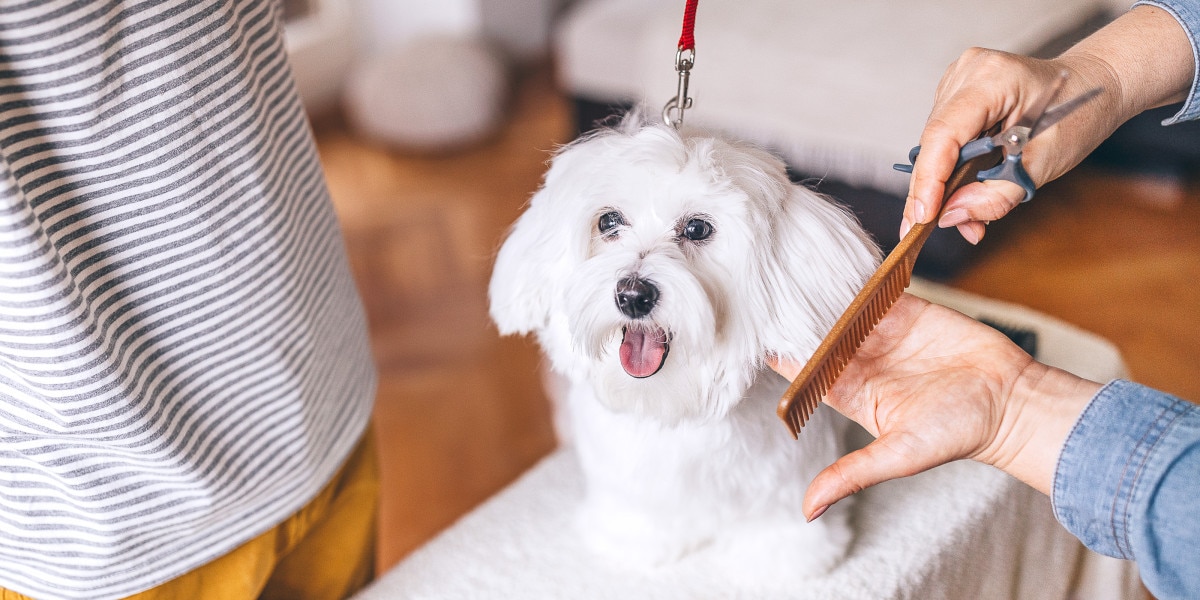
Curly and wavy coats need special attention to avoid knots. Brush several times a week with a wide-tooth comb. Use conditioner in baths to keep curls soft and bouncy. Trim hair regularly to maintain shape and prevent matting. These coats trap dirt easily, so cleaning is important. Handle curls gently to keep them healthy.
Credit: www.purina.com
Professional Grooming Vs. Home Grooming
Choosing between professional grooming and home grooming depends on several factors. Both have benefits and challenges. Professional grooming offers expert care, special tools, and thorough cleaning. Home grooming saves money and builds bonding time with your dog. Understanding when to visit a groomer, how to groom at home, and cost differences helps you decide the best option for your pet.
When To Visit A Groomer
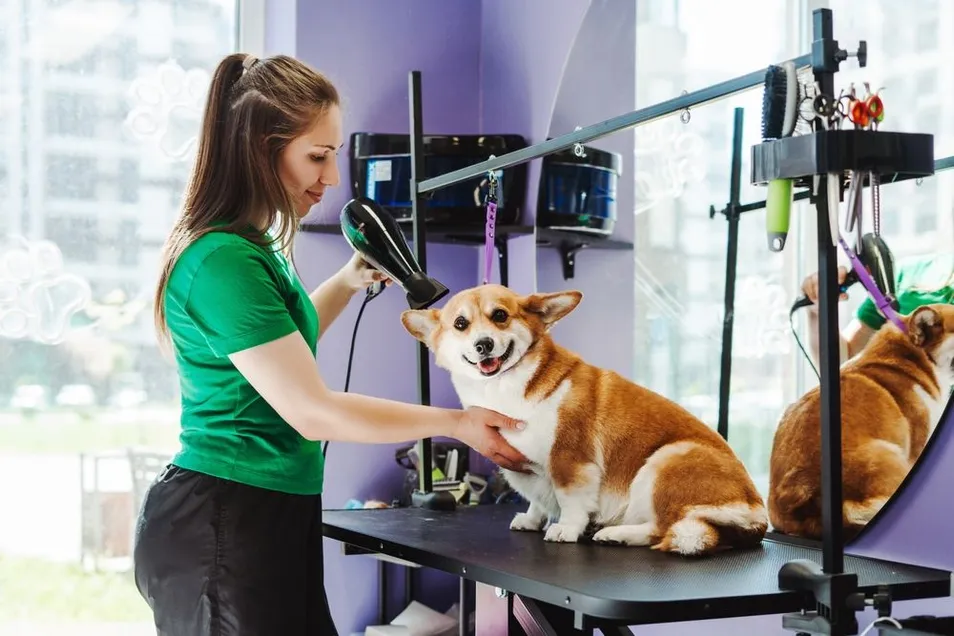
Visit a groomer if your dog has thick or long fur. Groomers handle mats, tangles, and difficult cuts easily. Dogs with skin problems or special needs also benefit from professional care. Groomers can spot health issues early. If your dog feels stressed or you lack time, a groomer is the right choice.
Diy Grooming Tips
Start with brushing your dog regularly to prevent mats. Use dog-friendly shampoo and lukewarm water. Trim nails carefully to avoid hurting your dog. Clean ears with a soft cloth and vet-approved solution. Keep sessions short and calm to keep your dog relaxed. Practice makes grooming easier at home.
Cost Considerations
Professional grooming costs more due to skilled work and equipment. Prices vary by dog size and grooming type. Home grooming requires upfront investment in tools but saves money long-term. Consider your budget and how often your dog needs grooming. Balance costs with your dog’s comfort and health.
Handling Grooming Challenges
Handling grooming challenges is a key part of caring for your dog. Grooming can be tough for some pets and owners. Dogs may feel scared, have skin problems, or owners might make mistakes. Knowing how to face these challenges makes grooming easier. It helps keep dogs calm, healthy, and happy.
Dealing With Anxious Dogs
Many dogs get nervous during grooming. Sudden movements or strange tools can scare them. Speak softly and move slowly to help calm your dog. Use treats to create a positive experience. Short sessions work better than long ones. Patience is important. Stop if your dog shows stress signs. Try grooming in a quiet, safe place.
Managing Sensitive Skin
Some dogs have delicate or dry skin. Harsh shampoos and rough brushing can hurt them. Use gentle, dog-friendly products made for sensitive skin. Brush softly and avoid pulling mats. Watch for redness or irritation after grooming. Bathing less often helps keep skin healthy. Consult a vet if skin problems continue.
Avoiding Common Mistakes
Many owners make simple grooming errors. Using the wrong tools can cause pain or injury. Cutting nails too short leads to bleeding. Skipping regular brushing causes tangles and mats. Not checking ears and teeth misses health issues. Learn proper techniques before grooming. Regular grooming keeps dogs clean and comfortable.
Credit: shelleydriveanimalclinic.net
Frequently Asked Questions
What Services Are Included In Dog Grooming?
Dog grooming includes bathing, brushing, hair trimming, nail clipping, ear cleaning, and teeth brushing. These services maintain your dog’s hygiene and appearance while preventing health issues like mats and infections.
How Often Should You Groom A Dog?
Grooming frequency depends on your dog’s breed and coat type. Most dogs benefit from grooming every 4 to 8 weeks to keep their coat healthy and clean.
Why Is Professional Dog Grooming Important?
Professional grooming ensures thorough cleaning, proper haircuts, and health checks. Experts can spot skin problems early and use safe tools, enhancing your dog’s comfort and well-being.
Can Grooming Improve My Dog’s Health?
Yes, grooming helps prevent skin infections, reduces shedding, and keeps nails at a healthy length. It also promotes good circulation and early detection of health issues.
Conclusion
Dog grooming includes brushing, bathing, nail trimming, and ear cleaning. These steps keep your dog healthy and happy. Regular grooming helps prevent skin problems and discomfort. It also strengthens the bond between you and your pet. Clean, well-groomed dogs feel better every day.
Remember, grooming is part of good pet care. Keep it simple and consistent for best results. Your dog will thank you with a wagging tail.


