
Potty training your puppy can be a tricky experience, especially when your pup pees outside but doesn’t poop. You might feel confused or worried about why this is happening and how to fix it.
Don’t worry—this is a common challenge, and with the right tips, you can help your puppy learn where to do both their business. Keep reading, and you’ll discover simple, effective strategies that make potty training easier and less stressful for both you and your furry friend.
Common Potty Training Challenges
Potty training a puppy is not always easy. Many owners find their puppy pees outside but avoids pooping. This challenge can cause frustration and confusion. Understanding common potty training issues helps solve these problems faster. It also makes training less stressful for you and your puppy.
Why Puppies Pee Outside But Avoid Pooping
Puppies often pee outside because it feels easier and faster. Pooping takes more time and is a bigger task for them. Sometimes, puppies may feel scared or unsure about pooping outside. They may also have a weak bladder but a sensitive bowel. This means they can hold poop longer than pee. Some puppies just need more time to feel safe to poop outdoors.
Behavioral Reasons Behind Pooping Issues
Puppies may avoid pooping outside due to fear or anxiety. Loud noises or strange smells can scare them away. Puppies may also have had a bad experience outside. This can make them hesitant to poop in the same spot. Another reason is a lack of routine. Without a set schedule, puppies get confused about when to go. Patience and consistency help them learn better habits.

Credit: www.amazon.com
Setting Up For Success
Setting up for success is the first step in potty training a puppy. It helps your puppy learn where to go and builds good habits. A clear plan makes training easier and faster. Focus on two main things: choosing the right potty spot and creating a consistent schedule. These help your puppy understand expectations and feel secure.
Choosing The Right Potty Spot
Pick a quiet and easy-to-reach area outside. Avoid busy or noisy places that scare your puppy. Use the same spot every time. The puppy will learn to associate this place with going potty. Keep the spot clean to encourage use. A familiar scent helps your puppy know it is the right place.
Creating A Consistent Schedule
Take your puppy outside at the same times daily. Puppies usually need to go after waking, eating, or playing. Regular trips reduce accidents inside. Watch for signs like sniffing or circling. These show your puppy needs to go. Consistency helps the puppy learn faster. Be patient and stick to the routine.
Training Techniques To Encourage Pooping
Training a puppy to poop outside can be tricky. Some puppies pee outside but do not poop. This part of potty training needs special focus. Using the right techniques can help your puppy learn to poop outdoors. Patience and consistency are important. Here are two key training methods to encourage pooping.
Using Positive Reinforcement
Praise your puppy immediately after it poops outside. Use treats or kind words to reward good behavior. This helps the puppy connect pooping outside with positive feelings. Never punish your puppy for accidents. Instead, reward every small success. Repeat the praise and treats often to build a good habit.
Incorporating Commands And Cues
Choose a simple word or phrase like “Go potty” or “Do your business.” Use this command each time you take your puppy outside. Say the command gently and wait for the puppy to respond. Over time, your puppy will link the command with the action. This makes it easier to guide your puppy to poop on demand.
Health Factors To Consider
Potty training a puppy can be tricky, especially when they pee outside but do not poop. Sometimes, health issues affect their bathroom habits. Knowing what to watch for helps keep your puppy safe and comfortable. Understanding health factors is key to successful training.
Identifying Medical Causes
Some puppies pee outside but avoid pooping due to health problems. Constipation or stomach pain can make pooping painful. Parasites, infections, or dietary issues may cause discomfort. Watch for signs like straining, crying, or sitting awkwardly. Changes in appetite or energy levels can also hint at problems.
When To Consult A Veterinarian
Visit a vet if your puppy shows signs of pain or distress. Difficulty pooping for more than two days needs medical attention. Blood in stool or diarrhea are warning signs. A vet can diagnose and treat infections or blockages. Early help prevents serious health issues and aids training progress.
Environmental And Emotional Influences
Puppies can be sensitive to their surroundings and feelings. These factors often affect potty training success. Sometimes, a puppy pees outside but avoids pooping. Understanding environmental and emotional influences can help you guide your puppy better.
Stress and discomfort can make puppies hold their poop. They might feel scared or unsure about the outdoor space. Creating a calm and safe setting helps puppies relax and do their business comfortably.
Reducing Stress And Anxiety
A calm puppy learns faster. Loud noises, strange smells, or sudden changes cause stress. Keep the potty area quiet and peaceful. Use a gentle voice when guiding your puppy. Routine helps too. Take your puppy out at the same times daily. This predictability lowers anxiety and builds confidence.
Ensuring A Comfortable Outdoor Area
Check the outdoor spot carefully. Make sure it is clean and free of sharp objects. Soft grass or dirt is better than hard concrete. Puppies prefer familiar scents, so try to use the same place. Avoid areas with many distractions like other animals or loud traffic. A comfortable space encourages your puppy to poop outside without fear.
Tools And Products That Help
Potty training a puppy that pees outside but does not poop can be tricky. Using the right tools helps guide your puppy and keep your home clean. These products support training and make the process easier for both of you.
Harnesses And Leashes For Control
A good harness keeps your puppy safe and comfortable. It gives you better control during walks and potty breaks. Leashes help guide your puppy to the right spot to poop. Short leashes keep your puppy close, making training more effective. Choose a harness that fits well and feels soft on your puppy’s skin. This encourages them to wear it without fuss.
Cleaning Products To Remove Odors
Cleaning up accidents quickly is crucial. Use enzyme-based cleaners to remove odors completely. These cleaners break down urine and feces smells. Removing smells stops your puppy from returning to the same spot. Avoid harsh chemicals that can harm your puppy or damage floors. Cleaners made for pet messes protect your home and help with training success.
Troubleshooting Persistent Problems
Potty training a puppy can sometimes bring unexpected challenges. One common issue is when a puppy pees outside but does not poop. This problem can be frustrating for pet owners. Persistent issues like this need a careful approach to find the right solution. Troubleshooting helps identify what might be causing the problem and how to fix it.
Adjusting Training Methods
Changing your training method can improve results. Puppies may need more time to feel comfortable pooping outside. Try taking your puppy to the same spot every time. Using a consistent command like “go potty” helps. Reward your puppy immediately after they poop outside. Avoid rushing or punishing your puppy for accidents. Patience and calm behavior encourage better habits. Watch your puppy’s signals closely. Some puppies need more breaks or a quieter place to poop.
Seeking Professional Help
Sometimes, training alone is not enough. A veterinarian can check for health issues causing problems. Constipation or digestive problems might stop your puppy from pooping. A professional dog trainer can also provide advice. Trainers can observe your puppy and suggest changes. They offer tips for handling stubborn or shy puppies. Getting help early can make potty training easier and faster.
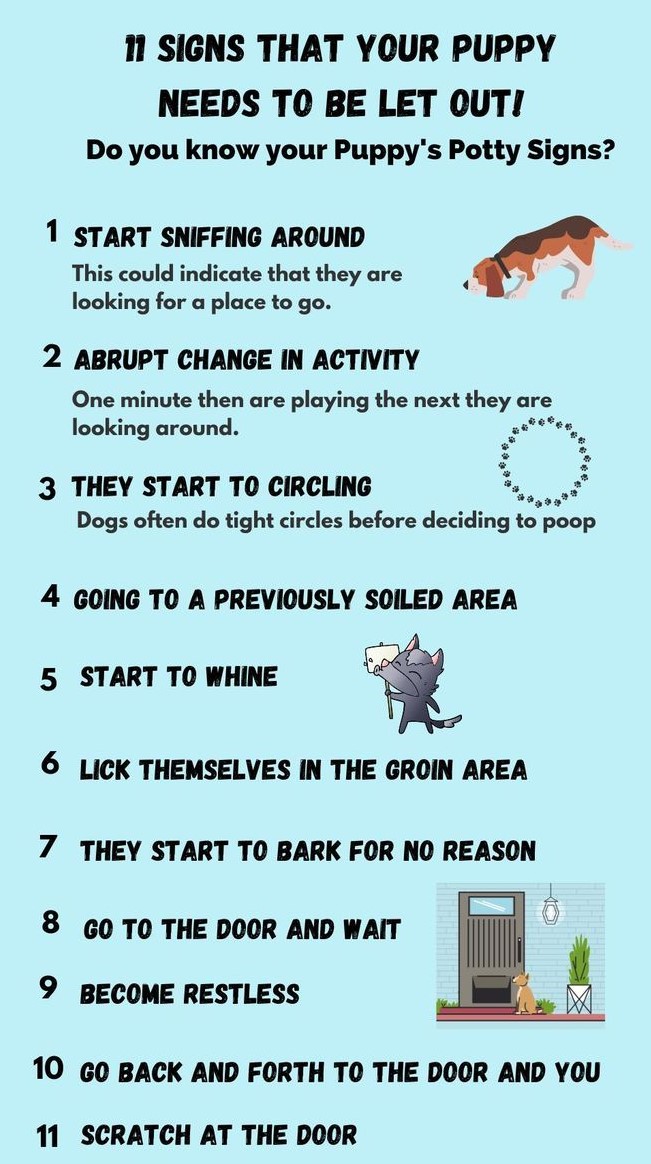
Credit: suburban-k9.com

Credit: www.youtube.com
Frequently Asked Questions
Why Does My Puppy Pee But Not Poop Outside?
Puppies may feel anxious or unsure about pooping outdoors. It takes more time to gain their confidence and routine. Consistent schedules and positive reinforcement help encourage them to poop outside comfortably.
How Can I Encourage My Puppy To Poop Outdoors?
Use a consistent potty schedule and take your puppy to the same spot. Praise and reward them immediately after pooping. Patience and positive reinforcement create a strong habit for outdoor pooping.
When Should I Be Concerned About My Puppy Not Pooping Outside?
If your puppy refuses to poop outside after consistent training, or shows signs of discomfort, consult a vet. Health issues or stress might cause this behavior. Early intervention ensures your puppy’s well-being.
Can Diet Affect My Puppy’s Outdoor Pooping Habits?
Yes, diet impacts digestion and bowel movements. Feed a balanced, high-quality puppy food and maintain regular feeding times. Proper nutrition helps regulate pooping patterns, making outdoor potty training easier.
Conclusion
Potty training a puppy takes time and patience. Puppies learn at their own speed. Keep routines simple and stay consistent every day. Praise your puppy for good behavior outside. Watch for signs that your puppy needs to go. Remember, accidents happen—stay calm and try again.
Soon, your puppy will pee and poop outside. Enjoy the process and build a strong bond. With care, success is just around the corner.


