

Housebreaking a puppy can be challenging on any day, but winter adds a whole new set of hurdles. You want your puppy to learn quickly, but cold weather, slippery sidewalks, and shorter daylight hours make the process tougher.
Don’t worry—this guide is here to help you navigate those chilly months with ease. Keep reading to discover simple, effective tips that will make housebreaking your puppy in winter smoother for both you and your furry friend. You’ll soon have a happy, well-trained pup—even when it’s freezing outside.
Preparing For Winter Housebreaking
Preparing for winter housebreaking needs extra care and planning. Cold weather can make potty training harder for puppies. A warm, safe spot and steady routines help your puppy learn faster. Start early to avoid accidents inside your home. Proper preparation keeps your puppy comfortable and confident during training.
Choose The Right Spot
Pick a place outside that stays clear of snow and ice. A spot near your door works best to reduce cold trips. Make sure it is easy to reach and safe for your puppy. Consistently use the same spot so your puppy recognizes it. This helps build good habits quickly.
Gather Necessary Supplies
Keep supplies ready for cold weather outings. Use a warm coat or sweater for your puppy. Have towels to dry your puppy after potty time. Carry treats to reward good behavior immediately. These items make training easier and more comfortable.
Set A Consistent Schedule
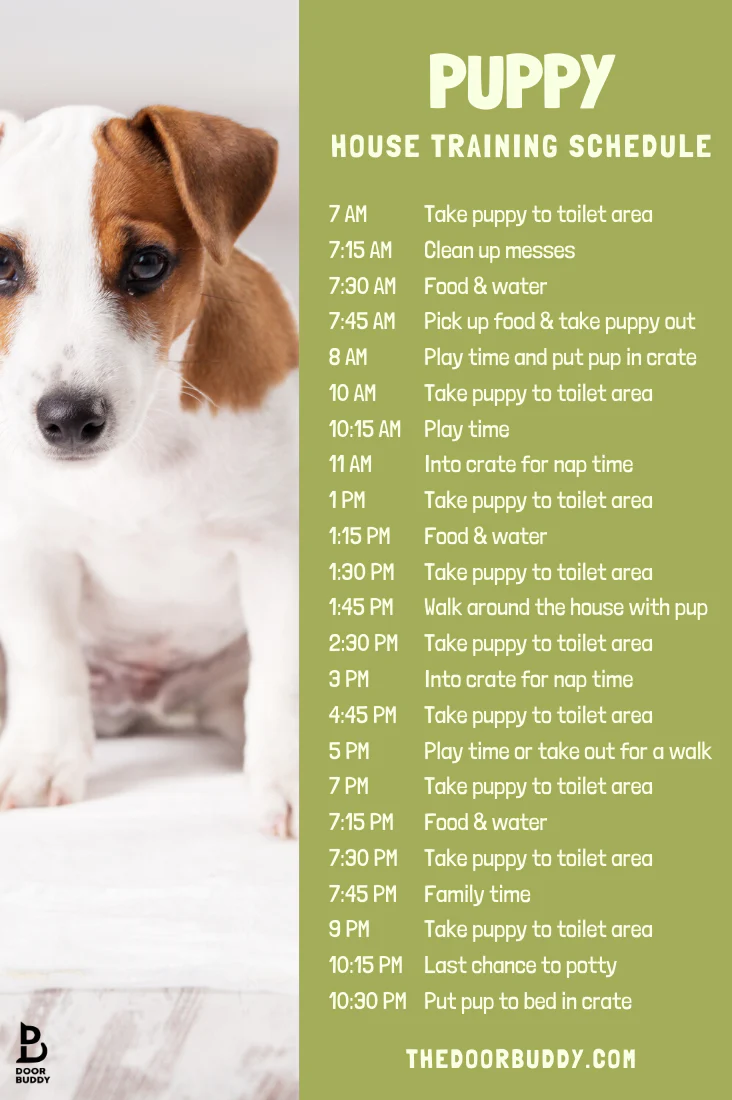
Create a regular schedule for potty breaks. Take your puppy out first thing in the morning and before bed. Frequent trips help prevent accidents inside. Stick to the same times each day. This routine helps your puppy understand when to go outside.

Credit: www.doggoneproblems.com
Training Techniques For Cold Weather
Training a puppy during winter needs special care. Cold weather can make housebreaking harder. Puppies may feel uncomfortable outside. They might rush their business or refuse to go. Using smart training techniques helps your puppy learn faster. It keeps your puppy safe and warm.
Use Positive Reinforcement
Praise your puppy for going outside. Use treats or a happy voice. Positive reinforcement makes puppies want to repeat good behavior. Avoid punishment. It can confuse and scare your puppy. Reward your puppy right after they finish. This helps them connect the action with the reward.
Keep Outdoor Trips Short
Cold weather can be tough on puppies. Keep bathroom trips brief to avoid discomfort. Take your puppy out just long enough to do their business. Return indoors quickly to warm up. Short trips reduce the chance of accidents inside the house.
Dress Your Puppy For The Cold
Some puppies get cold fast. Use a warm coat or sweater to protect your puppy. Clothes help keep your puppy comfortable outside. Proper gear makes bathroom trips easier. Warm puppies are more willing to stay outside longer.
Managing Indoor Accidents
Managing indoor accidents is a key part of housebreaking a puppy during winter. Cold weather makes it harder for puppies to go outside often. This can lead to more accidents inside the home. Handling these accidents well helps your puppy learn faster. It also keeps your home clean and fresh.
Clean Up Thoroughly
Clean all accidents quickly and completely. Use a pet-safe cleaner that removes odors. This stops your puppy from returning to the same spot. Avoid using ammonia-based cleaners. They smell like urine to puppies and can confuse them. A clean area helps prevent repeated accidents.
Create Indoor Potty Areas
Set up a special potty spot inside your home. Use puppy pads or a small patch of fake grass. Place it in a quiet, easy-to-reach area. Guide your puppy to this spot often. Praise them when they use it. This teaches your puppy a good place to go indoors.
Stay Patient And Consistent
Puppies need time to learn house rules. Expect accidents and stay calm. Use the same words and signals for potty time. Take your puppy to the same spot regularly. Consistency helps your puppy understand what you want. Patience makes training less stressful for both of you.
Adjusting To Seasonal Challenges
Housebreaking a puppy in winter brings unique challenges. Cold weather, snow, and shorter days change how puppies learn. Adjusting your approach helps your puppy succeed. Patience and consistency become even more important in winter months.
Here are key tips to handle seasonal hurdles during house training.
Dealing With Snow And Ice
Snow and ice make potty trips tricky. Cold surfaces can scare or hurt your puppy’s paws. Clear a small spot outside for your puppy to use. Use pet-safe ice melt to avoid paw irritation. Dry your puppy’s paws after each trip to prevent frostbite.
Handling Limited Daylight
Shorter days mean fewer daylight hours for potty breaks. Take your puppy out early morning and early evening. Use bright outdoor lights near your potty spot. Consider potty pads indoors for late-night needs. Keep a routine to help your puppy know when to go.
Keeping Your Puppy Motivated
Winter weather can make puppies less eager to go outside. Use treats and praise to encourage potty trips. Dress your puppy in a warm coat or sweater. Keep trips short but frequent to avoid discomfort. Play and positive words help your puppy stay happy and focused.
Expert Tips For Success
Housebreaking a puppy in winter needs patience and good care. Cold weather can make training harder for young dogs. Using smart strategies helps your puppy learn faster and stay safe. Follow expert tips to keep your puppy healthy and happy during this time.
Monitor Health And Comfort
Watch your puppy closely for signs of cold or discomfort. Puppies get cold quickly because of their small size. Check their paws for ice or salt after walks. Dry them well to avoid sickness. Keep outdoor trips short but frequent. Warm clothing can protect sensitive breeds from cold.
Use Crate Training Effectively
Crate training creates a safe space for your puppy indoors. It helps control accidents and builds a bathroom routine. Make the crate cozy with blankets and toys. Never use the crate for punishment. Let your puppy rest there after outside trips. This encourages good habits and comfort.
Seek Professional Advice When Needed
Ask a vet or trainer for help if problems appear. Early guidance can prevent bad habits from forming. Professionals give tips tailored to your puppy’s breed and age. They also recommend the best schedule for bathroom breaks in winter. Don’t hesitate to reach out for support.
Credit: labiosthetique.ee

Credit: www.youtube.com
Frequently Asked Questions
How Can I Housebreak My Puppy During Winter?
To housebreak a puppy in winter, establish a consistent potty schedule. Use warm clothing and quick trips outside. Praise your puppy immediately after they go outdoors. Keep the potty area clear of snow and ice for safety and ease.
What Are The Best Winter Potty Training Tips?
Dress your puppy warmly and choose a sheltered potty spot. Limit outdoor time to prevent discomfort. Reward your puppy with treats and affection. Be patient, as cold weather can slow training progress.
How Do I Prevent Accidents Indoors In Winter?
Take your puppy outside frequently, especially after meals and naps. Use crate training to manage indoor time. Clean accidents promptly with enzymatic cleaners to remove odors. Consistency and positive reinforcement reduce indoor accidents.
Should I Adjust Potty Breaks For Cold Weather?
Yes, increase potty breaks to avoid indoor accidents. Short, frequent outings help your puppy learn while minimizing cold exposure. Monitor your puppy’s behavior and adjust schedules as needed for success.
Conclusion
Housebreaking a puppy in winter takes patience and care. Keep routines steady and praise your puppy often. Dress warmly and take your puppy outside quickly. Watch for signs your puppy needs to go out. Be calm and consistent to build good habits.
Remember, cold weather can slow progress but stay positive. Your puppy will learn with time and love. Enjoy the process and celebrate small wins. Winter can be tough, but success is possible. Keep trying, and your puppy will grow into a well-trained dog.


