
Playing with your puppy is one of the most joyful parts of having a new furry friend. But do you know how to make playtime fun and safe for both of you?
The right tips can help you build a strong bond, keep your puppy happy, and even teach important skills along the way. If you want to turn every play session into a moment your puppy looks forward to, keep reading.
Your puppy will thank you for it!
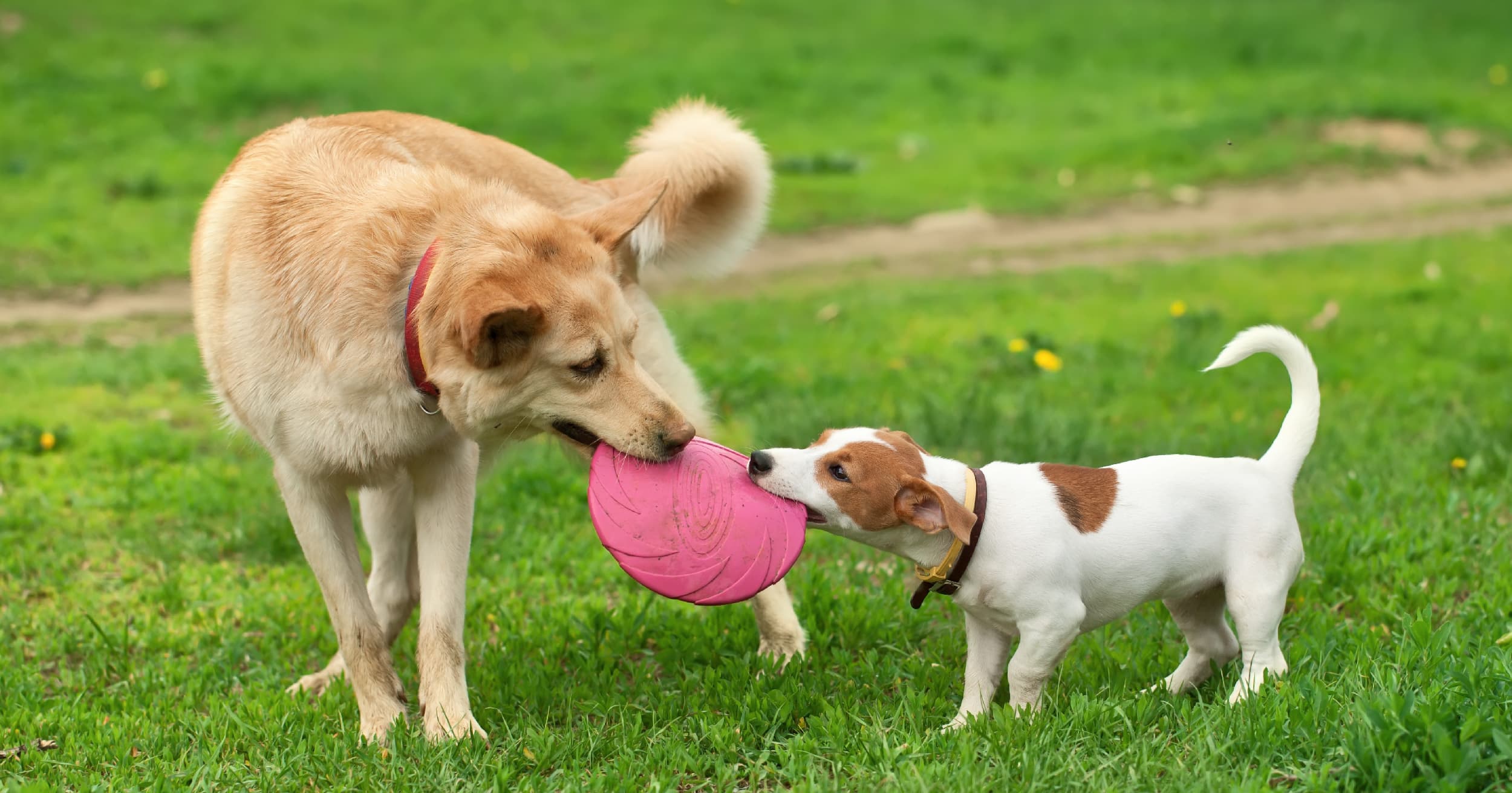
Credit: www.diamondpet.com
Choosing The Right Toys
Choosing the right toys for your puppy is very important. The right toys keep your puppy safe and happy. Puppies need toys that match their size and chewing strength. Toys also help your puppy learn and stay active. Picking good toys can make playtime fun and healthy.
Safe Toys For Puppies
Choose toys made from non-toxic materials. Avoid toys with small parts that can break off. Soft rubber toys are gentle on puppy teeth. Check toys often for wear and tear. Replace damaged toys to prevent choking risks. Safety is the first rule in picking puppy toys.
Interactive Toys For Engagement
Interactive toys keep your puppy’s mind busy. Puzzle toys hide treats to encourage thinking. Toys that move or make sounds catch attention. These toys stop boredom and reduce bad behavior. They help puppies learn and feel happy.
Diy Toy Ideas
Simple household items can become great toys. Use old socks tied in knots for tug games. Fill a plastic bottle with treats for a fun challenge. Make sure DIY toys are clean and safe. These toys save money and create bonding moments.
Setting Up Playtime Routine
Setting up a playtime routine helps your puppy feel safe and happy. Puppies need regular play to grow strong and learn good habits. A routine makes playtime fun and easy for both of you. It also helps your puppy know what to expect each day. Consistent play helps build trust and deepens your bond.
Best Time For Play
Choose times when your puppy is calm but alert. Early morning and early evening work well. Avoid play right after meals. Puppies often feel sleepy then. Play before nap times can also help your puppy relax better.
Duration And Frequency
Keep play sessions short at first. Five to ten minutes is perfect for young puppies. Play two to three times daily. Too long play can tire your puppy quickly. Short, frequent sessions keep play fun and safe.
Creating A Play-friendly Space
Pick a quiet area without many distractions. Use soft flooring to protect your puppy’s joints. Remove sharp or breakable objects. Toys should be safe and easy to clean. A tidy space helps your puppy focus on play.
Basic Tricks To Teach
Teaching your puppy basic tricks builds trust and improves behavior. It also makes playtime fun and rewarding. Start with simple commands that your puppy can learn quickly. Practice each trick in short sessions. Be patient and use treats or praise as rewards.
Sit And Stay
Begin with the “sit” command. Hold a treat above your puppy’s nose. Move it back slowly. When the puppy sits, say “sit” and give the treat. Next, teach “stay.” Ask your puppy to sit. Show your palm and say “stay.” Step back slowly. Return and reward if the puppy stays.
Come When Called
Choose a quiet place for this trick. Call your puppy’s name followed by “come.” Use a happy, clear voice. When the puppy comes, reward with treats or praise. Repeat often. This trick helps keep your puppy safe and close.
Paw And Shake
Hold a treat in your hand. Show it to your puppy. Say “paw” and gently lift one paw. Give the treat and praise. Repeat this several times. Soon, your puppy will offer the paw on command. Add “shake” as a fun variation.
Credit: www.adaptil.co.uk
Using Positive Reinforcement
Using positive reinforcement helps build trust and good behavior in puppies. It encourages your puppy to repeat actions you like. This method makes training fun and effective. Puppies learn faster when they feel happy and safe.
Treats And Rewards
Small treats work well to reward good behavior. Choose tasty snacks your puppy enjoys. Give treats right after your puppy does something right. This helps your puppy connect the treat with the action. Treats should be small to avoid overfeeding.
Verbal Praise
Use kind words and a happy tone to praise your puppy. Say “good job” or “well done” clearly. Puppies respond to your voice and feel encouraged. Verbal praise strengthens the bond between you and your puppy. Always praise immediately after the right behavior.
Consistency In Training
Be consistent with your commands and rewards every day. Use the same words for the same actions. Consistency helps your puppy understand what you want. Training sessions should be short but regular. Patience and steady practice bring the best results.
Games To Boost Bonding
Playing games with your puppy helps build trust and love. These games make your puppy happy and teach good behavior. Simple play activities create strong bonds and keep your puppy active. Try these fun games to enjoy time together and grow closer.
Fetch Variations
Fetch is a classic game that puppies enjoy. Change the game by using different toys or balls. Throw the toy in new directions to keep your puppy guessing. Use soft toys for indoor play to avoid damage. Praise your puppy when they bring the toy back. This game improves your puppy’s focus and obeying skills.
Hide And Seek
Hide and seek is a fun way to train your puppy’s nose and brain. Hide behind furniture or doors and call your puppy’s name. Let them find you and reward with gentle petting or treats. This game teaches your puppy to listen and follow. It also helps reduce separation anxiety.
Tug Of War
Tug of war builds strength and teaches control. Use a strong rope or tug toy for this game. Let your puppy pull gently while you hold the toy. Stop the game if your puppy bites too hard. Teach the “drop it” command during play. This game helps your puppy learn limits and have fun.
Handling Puppy Energy
Puppies have lots of energy that needs managing. Handling puppy energy well helps keep your puppy happy and calm. It also makes playtime safe and fun. Understanding your puppy’s energy helps you respond the right way.
Recognizing Energy Levels
Watch your puppy’s behavior closely. High energy means jumping, running, and barking. Low energy shows as resting or slow movements. Puppies change energy fast, so stay alert. Knowing energy signs helps you plan playtime better.
Channeling Energy Positively
Use toys to direct energy into play. Fetch and tug games work well. Short training sessions also burn energy and teach good habits. Avoid rough play that might encourage biting. Positive activities help your puppy stay calm later.
When To Take Breaks
Stop play before your puppy gets tired or restless. Signs include heavy panting and slowing down. Breaks prevent over-excitement and accidents. Offer water and a quiet space to rest. Rest keeps your puppy healthy and ready for more fun.
Safety Tips During Play
Playing with your puppy is fun and important for their growth. Safety during play helps keep your puppy healthy and happy. Watch for signs that your puppy needs a break. Create a safe space to avoid accidents. Follow these tips to ensure safe playtime.
Avoiding Overexertion
Young puppies tire quickly. Stop play if your puppy pants heavily or slows down. Too much exercise can hurt their growing bones and joints. Short play sessions are best. Let your puppy rest often.
Monitoring Play Behavior
Watch how your puppy plays. Notice if they seem scared or too rough. Interrupt play if biting or scratching starts. Teach gentle play early. Stay calm and use a firm voice if needed.
Safe Play Environment
Choose a quiet, enclosed space for play. Remove sharp or small objects. Check the area for toxic plants or chemicals. Use soft toys made for puppies. Clean toys regularly to avoid germs.
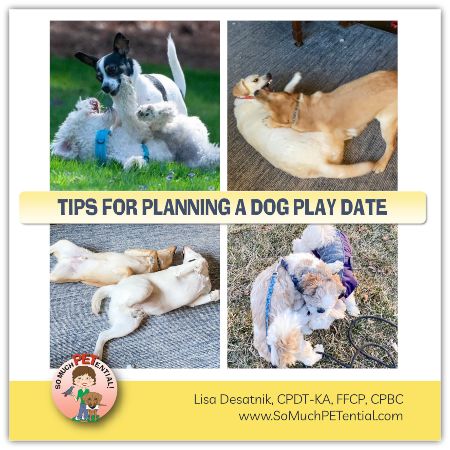
Credit: somuchpetential.com
Frequently Asked Questions
How Often Should I Play With My Puppy Daily?
Playing with your puppy 2-3 times a day is ideal. Short, frequent sessions keep them engaged and prevent exhaustion. Regular play supports healthy development and strengthens your bond effectively.
What Are The Best Toys For Puppy Playtime?
Soft chew toys, squeaky toys, and interactive puzzles work well. Choose age-appropriate, safe toys to stimulate your puppy mentally and physically. Rotate toys often to maintain their interest and promote healthy chewing habits.
How Can I Keep My Puppy Safe During Play?
Supervise playtime closely and avoid small or sharp objects. Use puppy-safe toys and play in a secure, enclosed space. Always watch for signs of fatigue or stress to ensure your puppy’s well-being.
When Should I Stop Playing With My Puppy?
Stop play if your puppy shows tiredness, aggression, or disinterest. Overplaying can cause stress or injury. Allow rest periods to help your puppy recover and stay healthy.
Conclusion
Playing with your puppy builds trust and happiness. Keep sessions short and fun to hold their attention. Use gentle voices and praise to encourage good behavior. Toys and treats make playtime more exciting. Remember, patience helps your puppy learn and grow.
Enjoy these moments; they create strong bonds. Play often, but also let your puppy rest. Happy puppies grow into happy dogs. Simple steps lead to joyful, healthy playtimes together.


