

If you want your puppy to feel safe, happy, and well-behaved, kennel training is a must. It’s not just about teaching your puppy to stay in a crate—it’s about creating a cozy space that becomes their little sanctuary.
But where do you start? How do you make sure your puppy loves their kennel instead of fearing it? You’ll discover simple, effective tips that make kennel training easy and stress-free for both you and your furry friend. Keep reading to unlock the secrets that turn your puppy’s kennel into their favorite place!
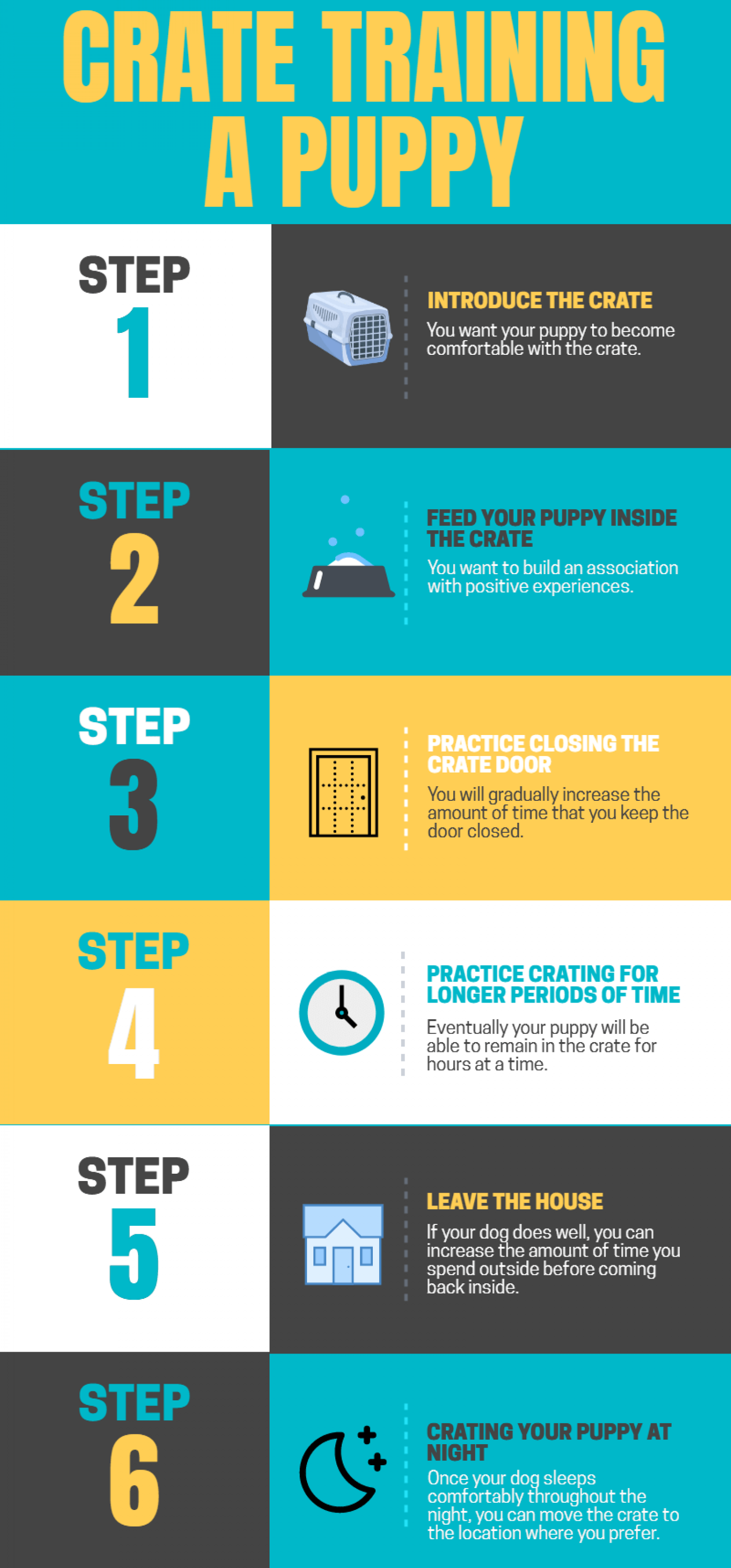
Credit: suburban-k9.com
Choosing The Right Kennel
Choosing the right kennel is key to your puppy’s training success. The kennel should feel safe and cozy. It becomes your puppy’s small den, a place to relax and feel secure. Picking the right kennel helps your puppy settle faster and enjoy the space.
Size And Comfort
The kennel must fit your puppy comfortably. It should be big enough to stand, turn, and lie down easily. Avoid kennels that are too large; puppies may use extra space as a bathroom. A snug but roomy kennel makes your puppy feel safe and calm.
Material And Durability
Choose a kennel made of strong, safe materials. Plastic kennels are easy to clean and quiet. Metal kennels offer durability and good visibility. Make sure the materials do not have sharp edges or small parts that can harm your puppy.
Ventilation And Safety
Good airflow is important for your puppy’s comfort. Kennels with proper ventilation prevent overheating and keep air fresh. Check for secure locks and no gaps where your puppy can get stuck. Safety comes first in every kennel choice.

Credit: www.foodexsaudiexpo.com
Introducing The Kennel
Introducing your puppy to a kennel is the first step in creating a safe space. This space helps your puppy feel calm and secure. The kennel becomes a cozy spot for rest and comfort. Start slowly and make the kennel a positive place. Patience matters here.
Making It Inviting
Place soft bedding inside the kennel. Use blankets or a small pillow for comfort. Keep the kennel in a quiet area. Avoid loud noises and heavy foot traffic. Open the door to allow free access. Let your puppy explore the kennel without pressure. This builds trust and curiosity.
Using Toys And Treats
Put favorite toys inside the kennel. Toys make the space fun and interesting. Add small treats to reward your puppy. Treats encourage your puppy to enter and stay. Use treats during short visits at first. This creates a happy connection to the kennel.
Gradual Familiarization
Start with short kennel sessions. Close the door for a few seconds only. Slowly increase the time inside the kennel. Stay nearby and speak softly for comfort. Let your puppy come out when ready. Gradual steps reduce fear and build confidence.
Establishing A Routine
Establishing a routine helps your puppy feel safe and confident in their kennel. A clear daily schedule reduces anxiety and builds good habits. Puppies learn best with regular, repeated activities. This section covers key parts of a solid routine.
Consistent Feeding Times
Feed your puppy at the same times every day. Predictable meals help regulate digestion and energy. Puppies get used to eating on schedule and feel secure. Avoid feeding right before kennel time to prevent discomfort.
Scheduled Bathroom Breaks
Take your puppy outside often, especially after meals and naps. Regular bathroom breaks teach them where to go. Consistency reduces accidents in the kennel and house. Watch for signs your puppy needs to go out.
Regular Play Sessions
Include playtimes at set periods during the day. Play helps burn energy and keeps your puppy happy. A tired puppy rests better in the kennel. Use play to bond and teach good behavior too.
Credit: www.aspcapetinsurance.com
Positive Reinforcement Techniques
Positive reinforcement is a kind way to teach your puppy. It helps them learn what you want without fear or stress. Using treats, praise, and gentle encouragement makes training fun and effective. Puppies respond well to kindness and rewards.
This method builds trust between you and your puppy. It encourages good behavior by showing them what earns your approval. Keep the training sessions short and positive. Consistency is the key to success in kennel training.
Rewarding Good Behavior
Always reward your puppy immediately after good behavior. Use small treats that they really like. This helps your puppy connect the action with the reward. Treats should be given in a calm and happy tone. This makes your puppy want to repeat the behavior.
Rewards can also be toys or extra playtime. Find what motivates your puppy the most. Be patient. Some puppies take time to learn what is right.
Using Praise Effectively
Use clear and cheerful words to praise your puppy. Say “good job” or “well done” with a happy voice. Your puppy listens to your tone more than your words. Smile and pet your puppy gently while praising.
Praise alone can be very powerful. It helps your puppy feel safe and loved. Avoid over-praising, as it might confuse your puppy. Balance praise with calm and steady training.
Avoiding Punishment
Never punish your puppy for mistakes. Punishment can cause fear and slow learning. Puppies might hide or act scared. This breaks the trust between you and your puppy.
Instead, ignore unwanted behavior and reward good actions. Redirect your puppy gently to the right behavior. Positive reinforcement teaches better than punishment. Your puppy will learn faster and feel happier.
Handling Common Challenges
Handling common challenges during kennel training helps build trust and comfort. Puppies face new experiences and may react with fear or stress. Understanding these issues makes training smoother. Patience and consistency are key to success. Below are practical tips for common problems.
Dealing With Whining
Whining is a common way puppies ask for attention or express discomfort. Avoid reacting immediately to whining. Responding can teach them to use whining for rewards. Instead, wait until the puppy is quiet before giving attention. Use a calm, soft voice to soothe your puppy. Provide a favorite toy or blanket inside the kennel. This helps create a positive association and reduces whining over time.
Preventing Escape Attempts
Escape attempts happen when puppies feel trapped or bored. Make the kennel a safe, cozy space with bedding and toys. Check that the kennel door is securely fastened. Choose a kennel size that allows comfortable movement but not too large to encourage escape. Regular exercise before kennel time reduces restlessness. Avoid leaving the puppy in the kennel for too long. Short, frequent sessions build tolerance and reduce escape behavior.
Managing Separation Anxiety
Separation anxiety causes stress when puppies are alone. Start by leaving the kennel for short periods. Gradually increase the time away while staying calm and relaxed. Use treats or chew toys to distract your puppy. Avoid dramatic goodbyes or greetings to lessen anxiety. Create a consistent routine around kennel time. This predictability helps puppies feel safe and secure.
Speeding Up The Training Process
Speeding up the kennel training process makes life easier for both you and your puppy. Faster training means your puppy learns good habits sooner. It also helps reduce stress for your puppy and family. The key is to train smart and stay patient.
Short And Frequent Sessions
Keep training sessions short to hold your puppy’s attention. Five to ten minutes per session works well. Repeat these sessions several times a day. Frequent practice helps your puppy remember commands better. Avoid long sessions that tire your puppy.
Consistency Across Caregivers
All family members should use the same training steps. Consistent rules help your puppy understand what to do. Use the same words and tone during training. Mixed signals confuse the puppy and slow progress. Consistency builds trust and confidence.
Tracking Progress
Write down your puppy’s daily training success. Note what works well and what needs improvement. Tracking helps spot patterns and adjust your approach. Celebrate small wins to stay motivated. Progress tracking keeps training focused and effective.
Maintaining Long-term Success
Keeping your puppy comfortable and happy in their kennel needs steady effort. Consistency builds trust and makes the kennel a safe space. Long-term success in kennel training depends on routine, growth, and positive moments.
Regular Kennel Use
Use the kennel daily to help your puppy feel at home. Short stays during play or rest times create habit. Avoid long, sudden stays that may cause fear or stress. Regular use makes the kennel a normal part of life.
Adapting To Puppy Growth
Change the kennel size as your puppy grows. A kennel too small feels cramped. Too large can feel unsafe. Adjust bedding and toys to suit your puppy’s age and size. Keep the space cozy and secure.
Continuous Positive Experiences
Make the kennel a happy place with treats and toys. Praise your puppy for calm behavior inside. Avoid forcing them in, which can create fear. Positive moments build a strong bond with the kennel.
Frequently Asked Questions
How Long Should I Kennel Train My Puppy Daily?
Start with 10-15 minutes daily and gradually increase time. Puppies need frequent breaks. Consistency helps them adjust and feel safe in the kennel.
When Is The Best Age To Start Kennel Training?
Begin kennel training as early as 8 weeks old. Early training helps puppies learn boundaries and build positive associations with the kennel.
How Do I Make Kennel Training Enjoyable For My Puppy?
Use treats, toys, and praise inside the kennel. Create a positive environment to help your puppy associate the kennel with comfort and safety.
What Are Common Kennel Training Mistakes To Avoid?
Avoid using the kennel as punishment or leaving your puppy too long. Inconsistent training and neglecting breaks can cause stress and fear.
Conclusion
Consistent kennel training helps puppies feel safe and calm. Keep training sessions short and positive. Use treats and praise to encourage good behavior. Remember, patience is key for lasting results. Your puppy will learn to enjoy their kennel space. This creates a happy, well-adjusted dog.
Start early and stay gentle throughout the process. Small daily steps build strong habits over time. Trust grows with kind and steady guidance. Soon, your puppy will see the kennel as a cozy home.


