If you’ve just brought home a German Shepherd puppy, you know how exciting—and sometimes overwhelming—it can be. Training your puppy the right way from the start is key to raising a well-behaved, confident dog.
But where do you begin? What are the secrets to effective German Shepherd dog training that actually work? You’ll discover simple, proven tips that will make training your puppy easier and more enjoyable. Get ready to build a strong bond with your new best friend and watch your puppy grow into the loyal companion you’ve always wanted.
Keep reading—you won’t want to miss these essential training tips!

Credit: www.amazon.com
Choosing The Right Training Approach
Choosing the right training approach is key for your German Shepherd puppy’s success. Each puppy learns differently. A good method fits your puppy’s personality and your lifestyle. This helps build trust and makes learning fun. Start with a plan that is kind and clear. Training should be simple and steady. This way, your puppy will understand what you expect.
Positive Reinforcement Techniques
Positive reinforcement works well for German Shepherd puppies. Reward good behavior with treats, praise, or play. This encourages your puppy to repeat the behavior. Avoid punishment as it can cause fear or confusion. Use a calm voice and gentle touch. Celebrate small wins to keep your puppy motivated.
Consistency And Patience
Consistency helps your puppy learn faster. Use the same commands and routines every day. This reduces confusion and builds habits. Patience is important because puppies need time to understand. Do not rush or show frustration. Give breaks if your puppy seems tired or distracted. Training is a slow process, but steady effort pays off.
Setting Realistic Goals
Set small, clear goals for each training session. Focus on one skill at a time. Avoid expecting too much too soon. Celebrate progress, not perfection. Realistic goals keep your puppy from feeling overwhelmed. They also help you see improvement clearly. This builds confidence for both you and your puppy.
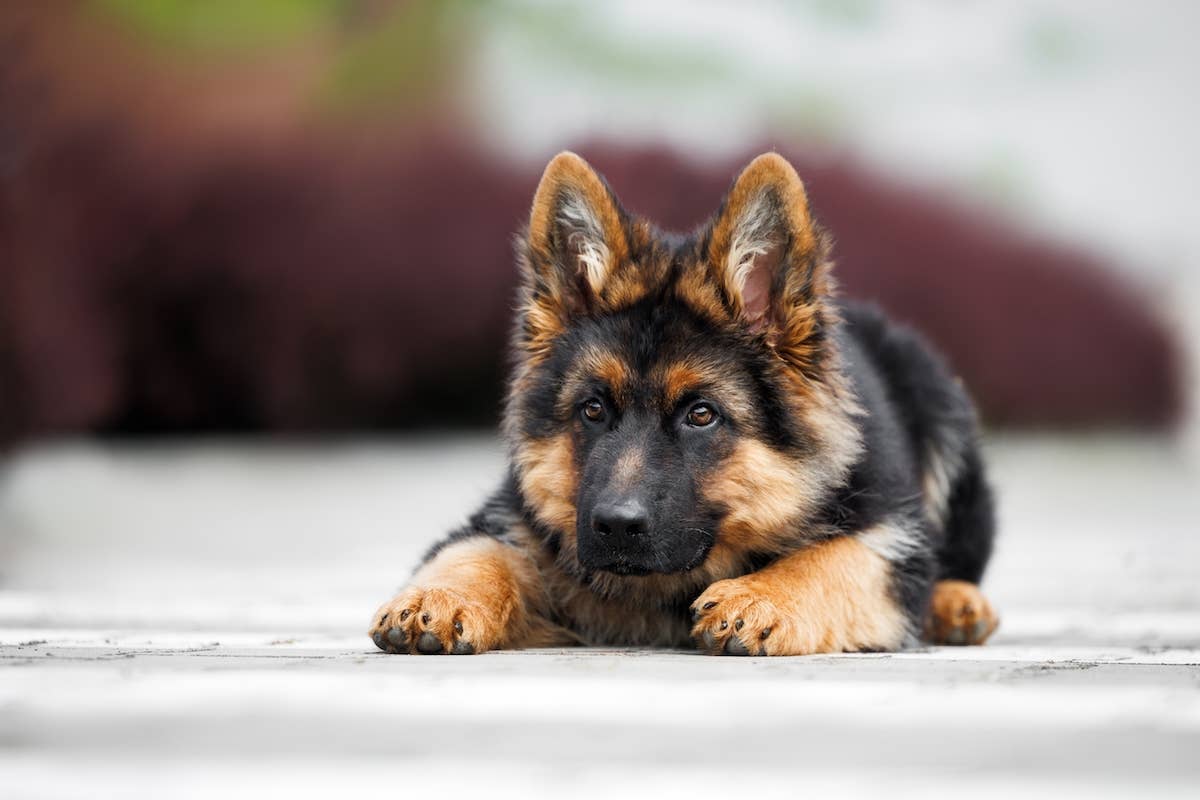
Credit: paradepets.com
Basic Commands For Puppies
Training your German Shepherd puppy with basic commands builds a strong bond. It helps your puppy understand what you expect. Teaching simple commands early makes future training easier. Puppies learn best with short, clear lessons and lots of praise.
Sit And Stay
Start with the “Sit” command to gain control. Hold a treat above your puppy’s nose. Move it back slowly, so the puppy sits. Say “Sit” clearly and give the treat. Repeat several times each day. Once your puppy sits, add “Stay.” Use a hand signal and say “Stay.” Step back slowly and reward if your puppy stays put.
Come When Called
The “Come” command keeps your puppy safe. Use a happy voice to say “Come.” Show a treat or toy to attract attention. When your puppy comes, give praise and the treat. Practice in quiet places first. Gradually add distractions as your puppy improves. Always reward your puppy for coming quickly.
Leave It And Drop It
“Leave It” stops your puppy from picking up bad things. Hold a treat in your closed hand and say “Leave It.” Wait until your puppy stops trying. Reward with a different treat from the other hand. “Drop It” helps when the puppy has something dangerous. Say “Drop It” and show a treat. When your puppy drops the item, give the treat and praise.
Housebreaking Strategies
Housebreaking your German Shepherd puppy is a key part of training. It sets the foundation for good habits. Patience and consistency are important to help your puppy learn quickly. Use simple steps that fit your daily routine.
Crate Training Benefits
Crate training helps your puppy feel safe and secure. Dogs do not like to soil their sleeping area. This natural instinct makes crate training effective for housebreaking. It also limits your puppy’s freedom, preventing accidents.
Use a crate that fits your puppy comfortably. Let your puppy explore the crate with the door open first. Gradually increase the time your puppy spends inside. Reward calm behavior to create positive feelings.
Establishing A Bathroom Routine
Set regular times to take your puppy outside. Puppies often need to go after eating, drinking, and waking up. Choose a quiet spot for bathroom breaks. Always take your puppy to the same place.
Use a simple command like “go potty” during bathroom time. Praise your puppy immediately after they finish. This helps your puppy understand what you expect. Consistency speeds up learning and reduces accidents.
Handling Accidents Effectively
Accidents happen, especially at the start. Do not punish your puppy for mistakes. Clean the area thoroughly to remove smells. This stops your puppy from returning to the same spot.
Watch for signs your puppy needs to go out. Offer a quick trip outside when you see these signs. Reward success to encourage good habits. Patience helps your puppy grow into a well-trained dog.
Socialization Tips
Socializing a German Shepherd puppy is very important. It helps your puppy grow into a confident and friendly dog. Early socialization teaches your puppy how to behave around people, animals, and new places. Start socializing your puppy as soon as possible. This will make training easier and your dog happier.
Introducing New People
Let your puppy meet many different people. Include men, women, and children. Allow your puppy to sniff and explore at its own pace. Keep meetings short and positive. Use treats and praise to create good feelings. Avoid forcing your puppy to meet someone. Let it approach people when ready. This builds trust and reduces fear.
Exposure To Other Animals
Allow your puppy to meet other dogs and pets. Choose calm and friendly animals for first meetings. Watch closely to keep play safe and fun. Stop interactions if your puppy seems scared or aggressive. Meeting other animals helps your puppy learn social skills. This lowers the chance of aggression later. Keep these meetings frequent but brief at first.
Familiarizing With Different Environments
Take your puppy to many places. Parks, busy streets, and quiet gardens all work well. Let your puppy see new sights and hear new sounds. Walk on grass, pavement, and dirt to feel different textures. New environments build your puppy’s confidence. This helps prevent fear of new places in the future. Always stay calm and patient during these trips.
Managing Chewing And Biting
Managing chewing and biting is a common challenge with German Shepherd puppies. These behaviors are natural but need guidance. Proper training helps protect your home and builds good habits for your dog.
Puppies explore the world with their mouths. They chew to relieve teething pain and test their environment. Without direction, chewing can damage furniture or harm people. Biting can also become a problem if not controlled early.
Providing Appropriate Toys
Give your puppy safe and durable chew toys. Toys help satisfy the urge to chew. Choose different textures to keep your puppy interested. Rotate toys to prevent boredom. Always check toys for wear and replace broken ones. This keeps chewing on toys, not your belongings.
Redirecting Undesired Behavior
When your puppy chews or bites something wrong, gently redirect them. Offer a toy instead of your hand or furniture. Use a firm “no” or “ah-ah” to show disapproval. Praise your puppy when they chew the right item. Consistent redirection teaches what is okay to bite.
Teaching Bite Inhibition
Bite inhibition means your puppy learns to control bite strength. When the puppy bites too hard, react with a sharp “ouch” or stop play. This signals that biting hurts. Slowly, your puppy will learn to bite softly. Practice this often to prevent rough biting as they grow.

Credit: www.youtube.com
Advanced Training Tricks
Advanced training tricks help your German Shepherd puppy grow smart and well-behaved. These skills go beyond basic commands. They build strong habits and improve your bond. Training keeps your puppy active and happy. It also prepares them for real-life situations. Practice regularly and stay patient for best results.
Leash Walking Skills
Teach your puppy to walk calmly on a leash. Start in a quiet place with few distractions. Use a short leash for better control. Reward your puppy for staying close and not pulling. Stop walking if they pull and wait until they calm down. This helps them learn good leash manners.
Recall And Off-leash Control
Recall means your puppy comes back when called. Use a clear, happy voice for the recall command. Start indoors or in a fenced yard. Reward your puppy with treats or praise when they return. Practice often and increase the distance slowly. Off-leash control keeps your dog safe outside. Only try off-leash in a safe area.
Teaching Fun Commands
Fun commands keep training enjoyable for your puppy. Teach tricks like spin, shake, or roll over. Use small treats and praise to encourage learning. Keep sessions short and fun to hold attention. These tricks improve your puppy’s focus and obedience. They also create a joyful training experience.
Maintaining Motivation And Progress
Keeping your German Shepherd puppy motivated during training is key to steady progress. Training should feel fun and rewarding for your puppy. Consistency and positive reinforcement help your puppy learn faster. Use simple methods to keep your puppy interested and eager to learn.
Using Treats And Praise
Treats are a powerful tool to motivate your puppy. Give small, tasty treats right after good behavior. Pair treats with kind words and gentle petting. Praise helps your puppy feel happy and encouraged. Avoid overfeeding treats to keep your puppy healthy. Use treats wisely to reward progress and effort.
Short And Frequent Sessions
Short training sessions suit young puppies best. Limit sessions to five or ten minutes. Puppies have short attention spans and get tired easily. Train several times a day for better results. Frequent practice helps your puppy remember commands. Keep sessions fun to prevent boredom or frustration.
Tracking Training Milestones
Track your puppy’s progress to stay motivated. Write down new skills your puppy learns. Celebrate small wins like sitting or coming on command. Tracking helps you see improvement over time. Adjust training plans based on your puppy’s needs. This keeps training focused and effective.
Frequently Asked Questions
How Early Should I Start Training My German Shepherd Puppy?
Start training your German Shepherd puppy as early as 8 weeks old. Early training helps build good habits and social skills. Consistency and positive reinforcement are key for effective learning during this critical development phase.
What Are The Best Techniques For Puppy German Shepherd Training?
Use positive reinforcement like treats, praise, and play to motivate your puppy. Keep training sessions short and fun. Avoid harsh punishments, focusing instead on reward-based methods to encourage good behavior and build trust.
How Do I Socialize My German Shepherd Puppy Properly?
Expose your puppy to various people, animals, and environments safely and gradually. Positive social experiences reduce fear and aggression. Early socialization helps your German Shepherd grow into a confident, well-adjusted adult dog.
How Often Should I Train My German Shepherd Puppy Daily?
Train your puppy in short sessions, 3 to 5 times daily. Each session should last 5 to 10 minutes to maintain attention. Frequent, consistent practice helps reinforce commands and improves learning outcomes.
Conclusion
Training a German Shepherd puppy takes time and patience. Start early with simple commands and gentle praise. Keep sessions short and fun to hold their attention. Consistency helps your puppy learn good habits fast. Socialize your dog with people and other pets often.
Remember, small steps lead to big progress. Enjoy the journey of growing together. Your puppy will become a loyal and well-behaved friend. Training builds trust and a strong bond. Stay positive and keep practicing every day.