Bringing a new puppy home is exciting, but it can also feel overwhelming. You want to give your furry friend the best start, but where do you begin?
What if you could avoid common mistakes and build a strong bond from day one? You’ll discover simple, effective tips that make caring for your puppy easier and more rewarding. Keep reading to unlock the secrets to a happy, healthy puppy and a stress-free experience for you.
:strip_icc()/Puppy-food-feeding-schedule-2804779-a35fb27f23bd427cbea6ed24236fee22.jpg)
Credit: www.thesprucepets.com
Choosing The Right Puppy
Choosing the right puppy is a big step. It shapes your life and your new friend’s future. Picking the perfect puppy means thinking about your lifestyle, home, and how much time you have. This careful choice helps avoid problems later. Let’s explore key points to guide your decision.
Breed Considerations
Different breeds have different needs and traits. Some dogs need lots of exercise. Others prefer calm homes. Size matters too. Small dogs fit well in apartments. Big dogs need more space. Think about allergies. Some breeds shed less. Temperament is important. Friendly breeds suit families. Active breeds match energetic owners. Research breeds to find a good fit.
Selecting A Reputable Breeder
A good breeder cares about puppies’ health and behavior. They provide clean, safe places for dogs. Ask about health checks and vaccinations. A responsible breeder answers your questions clearly. They show you the puppy’s parents. Avoid breeders who rush sales or hide information. Visiting the breeder helps see conditions. Trustworthy breeders want happy puppies and owners.
Adoption Options
Shelters and rescues have many puppies needing homes. Adoption saves lives and reduces overpopulation. Staff help match you with a puppy’s personality. Many mixed breeds have great traits. Adoption fees are often lower than buying. Adopted puppies may need patience for training. The joy of giving a home is great reward. Consider adoption for a loving, loyal companion.

Credit: petcareadvisorusa.com
Preparing Your Home
Bringing a new puppy home is exciting and needs careful planning. Preparing your home helps your puppy feel safe and happy. It also protects your belongings and keeps your puppy out of trouble.
Puppy-proofing Tips
Remove small objects that puppies can swallow. Hide electrical cords and keep cleaning products out of reach. Close cabinets and block off dangerous areas like stairs. Use baby gates to limit where your puppy can go. Check for plants that are toxic to dogs and remove them. Make your home safe so your puppy can explore without harm.
Essential Supplies
Get food and water bowls that won’t tip easily. Buy a collar, leash, and ID tags for walks. Have a soft bed for your puppy to rest on. Stock up on puppy food recommended by your vet. Provide chew toys to keep your puppy busy and healthy. Keep grooming tools like brushes and nail clippers ready.
Safe Spaces For Puppies
Choose a quiet corner for your puppy’s bed or crate. This spot should be warm and away from loud noises. A crate gives your puppy a cozy den to feel secure. Use blankets or cushions to make the space comfortable. Make sure the puppy can easily enter and exit the area. A safe space helps your puppy relax and sleep well.
Feeding And Nutrition
Feeding and nutrition play a big role in your new puppy’s health and growth. Proper nutrition helps your puppy build strong bones and a healthy immune system. It also gives your puppy the energy to explore and learn.
Choosing the right food and feeding it at the right times supports good habits. Avoiding harmful foods keeps your puppy safe and well. Here are some simple tips to guide you.
Best Puppy Food Choices
Pick a food made for puppies. Puppy food has extra nutrients for growth. Look for high-quality ingredients like real meat and grains. Avoid foods with too many fillers or artificial additives. Wet or dry food both work well, depending on your puppy’s preference.
Feeding Schedule
Feed your puppy three to four times a day. Puppies need small meals often to keep their energy up. Stick to the same times each day. This helps your puppy feel secure and learn routine. Always have fresh water available after meals.
Avoiding Harmful Foods
Never give your puppy chocolate, grapes, or onions. These can cause serious health problems. Avoid foods with caffeine or artificial sweeteners. Do not feed cooked bones or fatty scraps. Keep human food away to prevent stomach upset.
Training Basics
Training a new puppy sets the stage for a happy life together. It builds trust and good habits early on. Simple, clear steps help your puppy learn fast. Consistency and patience make training easier for both of you.
Housebreaking Techniques
Start housebreaking by creating a routine. Take your puppy outside often, especially after eating or sleeping. Choose a specific spot for potty breaks. Praise your puppy immediately after they go outside. Clean up accidents inside with an enzyme cleaner. Avoid punishment; it confuses your puppy. Patience and regular trips outside lead to success.
Basic Commands
Teach simple commands like “sit,” “stay,” and “come.” Use short, clear words and repeat them. Show your puppy what to do with gentle guidance. Practice commands several times a day in short sessions. Reward your puppy for obeying quickly. Keep training fun and stress-free for better results.
Positive Reinforcement
Positive reinforcement means rewarding good behavior. Use treats, praise, or petting as rewards. Ignore bad behavior instead of punishing it. This encourages your puppy to repeat good actions. Be consistent with rewards to help learning stick. Positive methods build a strong bond and confidence in your puppy.
Socialization And Play
Socialization and play are key for your new puppy’s growth. They help your dog feel safe and happy. Social time and fun activities build good habits early. This section shares tips on meeting people and pets, safe play, and avoiding bad behavior.
Introducing To People And Pets
Start by showing your puppy to family members gently. Let your puppy sniff and explore at their own speed. Keep meetings short and calm to avoid stress. Introduce your puppy to other dogs in a quiet place. Watch for signs of fear or aggression. Praise your puppy for calm and friendly behavior. Meeting many people and pets helps your puppy feel confident.
Safe Play Activities
Choose toys that are soft and safe for puppies. Avoid small items that your puppy can swallow. Play fetch with light balls or soft toys. Tug-of-war is fun but use gentle force only. Keep playtimes short to prevent tiredness. Watch your puppy to stop play if they seem scared or upset. Safe play teaches your puppy good manners and builds trust.
Preventing Behavioral Issues
Socialization helps stop biting and fear later. Use play to teach your puppy what is okay. Say “no” firmly if your puppy bites hands. Reward good behavior with treats and praise. Avoid rough play that can cause bad habits. Early training and social time reduce barking and chewing problems. A well-socialized puppy grows into a calm, happy dog.
Health Care Essentials
Taking care of a new puppy’s health is very important. Good health care helps your puppy grow strong and happy. It prevents many problems and keeps your puppy safe. Start early with the right steps.
Vaccination Schedule
Puppies need vaccines to fight diseases. The first shots usually start at six to eight weeks old. Follow the vet’s plan for boosters every few weeks. Vaccines protect against parvovirus, distemper, and rabies. Keep a record of all vaccinations.
Regular Vet Visits
Visit the vet often to check your puppy’s health. The vet will watch growth and detect problems early. Regular visits also help with flea and worm treatments. Ask the vet about diet and care advice. Early care means fewer health issues later.
Common Puppy Illnesses
Puppies can get colds, diarrhea, or infections. Watch for signs like vomiting, coughing, or loss of appetite. Some illnesses need quick vet care. Clean living areas and good food lower the risk. Knowing common issues helps you act fast.
Exercise And Mental Stimulation
Exercise and mental stimulation are vital for a happy, healthy puppy. They help your puppy burn energy, stay fit, and avoid bad behavior. Puppies need activities that challenge their mind and body every day. This keeps them calm and well-behaved at home.
Daily Exercise Needs
Puppies require regular exercise to grow strong and healthy. Short walks and play sessions work well. Start with 5-10 minutes, then add more time as your puppy grows. Avoid too much running or jumping to protect young joints. Exercise helps reduce anxiety and improves sleep.
Interactive Toys
Interactive toys keep puppies busy and sharp. Toys that hide treats make your puppy think and work for rewards. Puzzle toys improve problem-solving skills. Chew toys also help soothe teething pain. Rotate toys often to keep your puppy interested and excited.
Training Games
Training games build your puppy’s mind and strengthen your bond. Teach simple commands like sit, stay, and come. Use treats and praise to reward good behavior. Short sessions of 5-10 minutes are best. Games help improve focus and obedience while making learning fun.
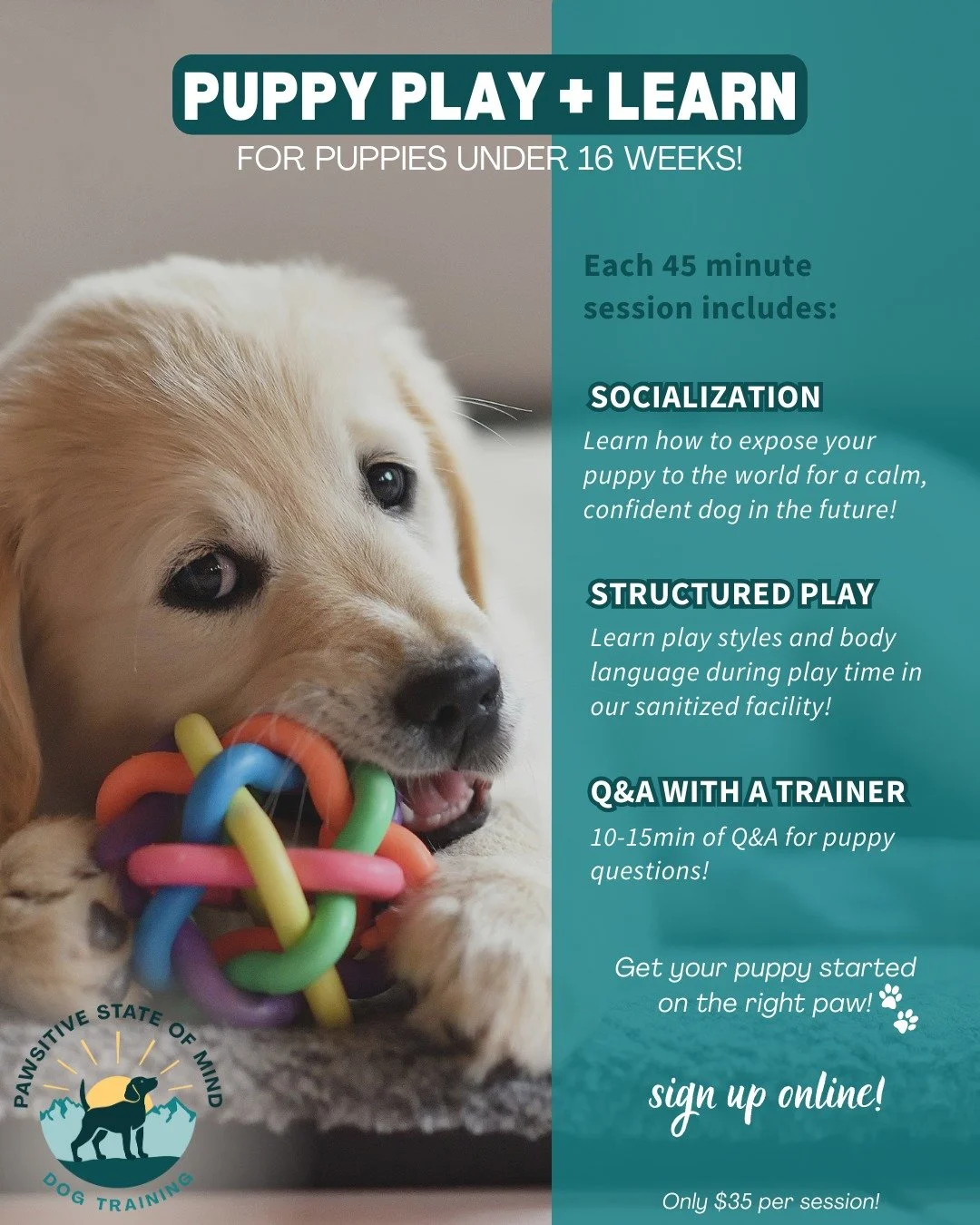
Credit: www.pawsitivestateofmind.com
Grooming Basics
Starting grooming early helps your puppy stay healthy and happy. Grooming is more than looks. It keeps skin clean and prevents problems. It also builds trust between you and your puppy. Simple steps make grooming easy and fun.
Bathing Tips
Use warm water to keep your puppy comfortable. Choose a gentle shampoo made for dogs. Wet your puppy’s coat before applying shampoo. Rinse well to avoid skin irritation. Dry your puppy with a soft towel. Avoid bath time that is too long or too often.
Brushing And Coat Care
Brush your puppy’s coat regularly to prevent mats. Use a brush suited for your puppy’s fur type. Start brushing gently to get your puppy used to it. Brushing removes dirt and loose hair. It also spreads natural oils for a shiny coat.
Nail Trimming
Keep your puppy’s nails short and smooth. Use dog nail clippers made for small nails. Trim a little at a time to avoid cutting the quick. If unsure, ask a vet or groomer for help. Regular nail trims protect your puppy’s paws and comfort.
Traveling With Your Puppy
Traveling with your new puppy can be exciting but also challenging. Puppies need comfort and safety during trips. Preparing well helps make the journey smooth. This section shares tips to keep your puppy safe and happy on the road.
Car Safety Tips
Secure your puppy with a pet seat belt or crate. Never let your puppy ride with its head outside the window. Keep windows closed enough to prevent jumping out. Use a well-ventilated crate for small puppies. Avoid feeding your puppy just before travel to prevent motion sickness. Stop often for bathroom breaks and water.
Travel Essentials
Pack water, food, and bowls for your puppy. Bring a leash and waste bags for stops. Carry a favorite toy or blanket for comfort. Keep vaccination records and ID tags handy. A small first-aid kit can be useful. Prepare for weather changes with a jacket or cooling mat.
Managing Stress On The Road
Start with short trips to help your puppy adjust. Speak in calm, soft tones during travel. Offer treats and praise to create positive feelings. Avoid loud music or sudden movements in the car. Plan breaks to let your puppy stretch and relax. Watch for signs of anxiety or discomfort.
Frequently Asked Questions
How Do I Prepare My Home For A New Puppy?
Prepare your home by puppy-proofing all areas. Remove hazardous items and secure electrical cords. Create a designated puppy space with bedding, toys, and water. This ensures safety and comfort for your new puppy’s adjustment.
What Is The Best Diet For A New Puppy?
Feed your puppy high-quality, age-appropriate puppy food. Consult your vet for recommendations based on breed and size. Provide fresh water at all times. Proper nutrition supports healthy growth and development during early months.
How Often Should I Train My New Puppy?
Train your puppy daily with short, consistent sessions lasting 5-10 minutes. Use positive reinforcement techniques like treats and praise. Early training builds good behavior and strengthens your bond. Consistency is key for effective learning.
When Should I Schedule My Puppy’s First Vet Visit?
Schedule the first vet visit within a week of bringing your puppy home. The vet will check health, start vaccinations, and discuss parasite prevention. Early veterinary care is essential for your puppy’s long-term wellness.
Conclusion
Bringing a new puppy home is exciting and full of joy. Patience and care help build a strong bond. Keep training simple and consistent every day. Give your puppy plenty of love and safe space. Small steps lead to big progress in puppy growth.
Remember, every puppy learns at its own pace. Enjoy each moment with your furry friend. Your new puppy will soon become a happy, trusted family member. Keep these tips close to make the journey smooth and fun.