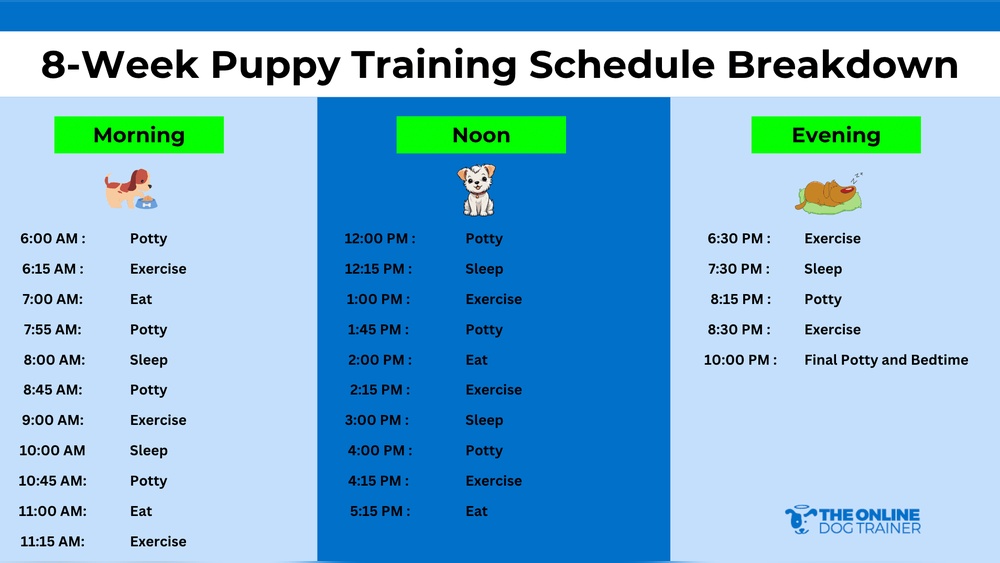
Bringing a new puppy home is exciting, but nights can be tough—for both of you. If your puppy cries or whines in the crate, it can leave you feeling frustrated and exhausted.
What if there was a way to make nighttime calm and peaceful? You’re about to discover simple, effective tips that will help your puppy feel safe and comfortable in their crate at night. Keep reading, and you’ll learn how to turn bedtime into a stress-free routine that benefits both you and your furry friend.
Choosing The Right Crate
Choosing the right crate is key to a smooth night crate training experience. A good crate feels safe and cozy for your puppy. It helps them settle down and sleep through the night. The right crate also supports your training goals. Consider size, material, and location carefully to create the best space for your puppy.
Size Matters
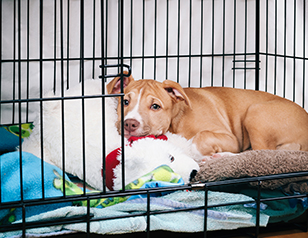
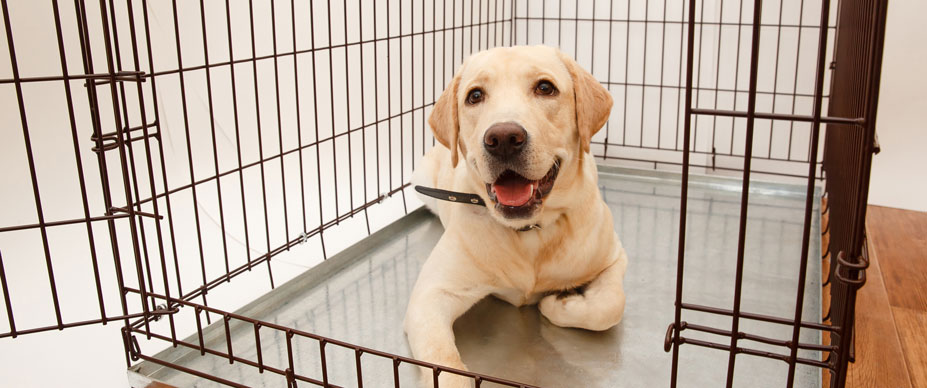
The crate must be large enough for your puppy to stand, turn, and lie down. Too small feels cramped and uncomfortable. Too big can make your puppy use one side as a bathroom. Measure your puppy’s length and height before buying. Pick a crate with some extra room but not too much.
Material Options
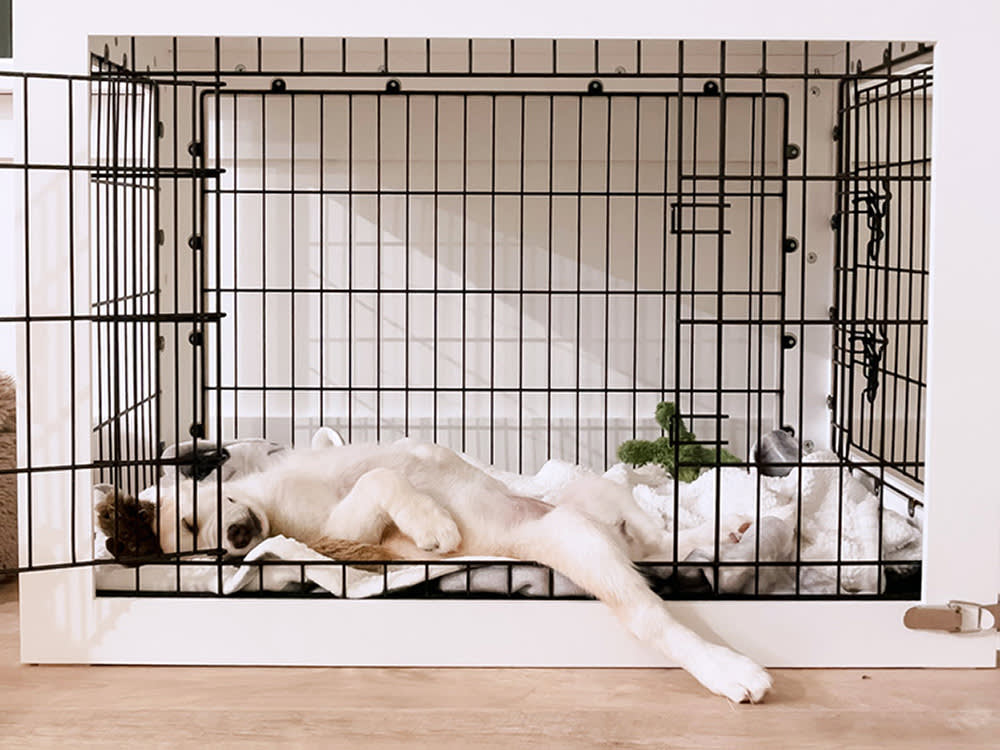
Crates come in plastic, metal, and fabric styles. Plastic crates offer privacy and warmth. Metal crates provide good airflow and visibility. Fabric crates are lightweight and easy to carry. Choose a material based on your puppy’s needs and your lifestyle. Ensure it is sturdy and safe.
Location Tips
Place the crate in a quiet, calm spot in your home. Avoid busy or noisy areas that may stress your puppy. A warm corner with soft lighting works well. Keep the crate near you at night for comfort. Puppies feel less alone and are less likely to whine.
Preparing Your Puppy
Preparing your puppy for crate training at night sets the stage for success. This phase helps your puppy feel safe and calm in a new space. Start by making the crate a positive place. Gradual introduction and comfort items make a big difference. Patience and consistency help your puppy adjust quickly.
Introducing The Crate
Place the crate in a quiet, familiar area. Let your puppy explore it at their own pace. Keep the door open during the day. Encourage your puppy to enter with treats or praise. Avoid forcing them inside. Short visits at first build comfort. Slowly increase the time spent in the crate.
Creating A Cozy Space
Add soft bedding inside the crate. Use blankets or a small dog bed. Make sure the space is not too warm or cold. Keep the crate clean and dry. A cozy crate feels like a safe den. Avoid overcrowding the crate with too many items. Comfort helps your puppy relax at night.
Using Toys And Comfort Items
Place favorite toys inside the crate. Chew toys help reduce stress and boredom. Avoid noisy toys that might disturb sleep. A worn shirt with your scent can comfort your puppy. Rotate toys to keep interest high. Comfort items create a positive link to the crate. They help your puppy settle easily.
Establishing A Nighttime Routine
Establishing a nighttime routine helps your puppy feel safe and calm. A clear routine sets expectations and reduces anxiety. Puppies thrive on regular habits, especially at night. This routine makes crate training easier for both of you. Consistency is key to helping your puppy settle down and sleep well.
Consistent Bedtime
Choose a bedtime and stick to it every night. Puppies sleep better with a fixed schedule. A consistent bedtime helps regulate their body clock. This predictability comforts your puppy inside the crate. Avoid changing the bedtime to keep the routine clear.
Pre-bedtime Exercise
Give your puppy some playtime before bedtime. Exercise helps burn off extra energy. Tired puppies fall asleep faster and stay calm. Keep play gentle and not too exciting. Avoid rough play that might make your puppy too awake.
Limiting Food And Water
Stop feeding your puppy about two hours before bed. Limiting food reduces the need to go potty at night. Offer water earlier, then remove the bowl near bedtime. This helps your puppy hold their bladder through the night. Avoid giving treats or snacks late in the evening.
Positive Reinforcement Techniques
Positive reinforcement plays a key role in crate training puppies at night. It helps your puppy feel safe and happy in the crate. Using kind and gentle rewards encourages good behavior. This method builds trust and makes training easier.
Rewarding Calm Behavior
Reward your puppy when it stays calm in the crate. Give praise or a soft voice to show approval. Calm moments help your puppy learn the crate is a peaceful place. Avoid giving attention during whining or barking. This teaches your puppy that calmness brings rewards.
Using Treats Effectively
Use small, tasty treats to encourage your puppy. Offer treats right after your puppy behaves well. Timing is important to connect the treat with good actions. Keep treats ready before bedtime to reward quietly. Treats help your puppy want to stay calm and quiet.
Avoiding Punishment
Never punish your puppy for crate behavior. Punishment creates fear and makes training harder. Stay patient and gentle at all times. Focus on rewarding the good, not punishing the bad. A happy puppy learns faster and loves the crate.
Handling Nighttime Whining
Handling nighttime whining is a common challenge in crate training puppies. Puppies often cry or whine at night because they feel lonely, scared, or need to go outside. Knowing how to respond helps your puppy learn calm behavior and sleep through the night. It also reduces stress for you and your puppy.
Assessing Needs
First, check if your puppy really needs something. Puppies may whine because they are hungry, thirsty, or need to relieve themselves. Take your puppy outside to potty before bedtime. Make sure fresh water is available. A tired puppy sleeps better and cries less.
Sometimes puppies cry because they feel cold or uncomfortable. Add a soft blanket inside the crate. A warm, cozy space helps your puppy feel safe and calm. Watch for signs of illness or pain if whining continues.
When To Ignore
Ignore whining if the puppy is safe and has no needs. Responding every time can teach your puppy to cry for attention. Be patient. Puppies learn quickly with consistent responses.
Wait a few minutes before checking on your puppy. If crying stops, reward calm behavior the next day. Avoid opening the crate during whining. This helps your puppy understand that quietness brings comfort.
Comforting Without Reinforcing
Comfort your puppy without encouraging whining. Speak softly or gently touch the crate. Do not pick up or play with the puppy while whining. This can teach them to use crying for attention.
Use a calm, steady voice to reassure your puppy. Create a routine that helps your puppy feel secure. A predictable bedtime routine reduces anxiety and whining.
Credit: www.alphapaws.com
Nighttime Bathroom Breaks
Nighttime bathroom breaks are important for crate training puppies. Puppies have small bladders and need to relieve themselves during the night. Regular breaks help prevent accidents in the crate and make the puppy more comfortable. These trips should be part of your nightly routine to build good habits.
Scheduling Breaks
Set specific times for bathroom breaks at night. Most puppies need to go out every two to three hours. Try to take your puppy outside right before bedtime. Then, schedule one or two breaks during the night. This helps your puppy learn when to expect bathroom time.
Quick And Calm Trips
Keep nighttime trips short and quiet. Avoid playing or excitement during these breaks. Take your puppy to the same spot outside every time. Use a calm voice to encourage bathroom behavior. After they finish, return to the crate without delay. This teaches your puppy that night means calm and sleep.
Cleaning Up Properly
Clean any accidents in the crate quickly and well. Use an enzyme cleaner to remove all odors. This prevents your puppy from returning to the same spot. Avoid strong-smelling cleaners that may scare the puppy. Keeping the crate clean supports faster crate training success.
Troubleshooting Common Issues
Crate training a puppy at night can have challenges. Many puppies struggle with being alone or staying calm inside the crate. Knowing how to fix common problems helps both you and your puppy sleep better. This section covers signs of separation anxiety, ways to reduce crate aversion, and how to adjust crate time for your puppy’s needs.
Separation Anxiety Signs
Puppies with separation anxiety may whine, bark, or scratch the crate. They might try to escape or seem restless. Watch for heavy panting or drooling. These signs show your puppy feels scared or stressed. Early action can reduce anxiety and make crate time easier.
Crate Aversion Solutions
Make the crate a positive place. Place soft bedding and favorite toys inside. Feed your puppy meals in the crate. Praise calm behavior with gentle words or treats. Avoid forcing your puppy inside. Gradual, calm introduction helps your puppy accept the crate.
Adjusting Crate Time
Start with short crate periods. Slowly increase time as your puppy adapts. Let your puppy out for bathroom breaks. Do not leave your puppy too long inside. Watch your puppy’s reactions and adjust timing. Consistency and patience build comfort and trust.
Credit: www.fourpaws.com
Credit: www.kinship.com
Frequently Asked Questions
How Long Should A Puppy Stay In A Crate At Night?
Puppies should stay in their crate for 2-3 hours at night initially. Gradually increase crate time as they grow. This prevents accidents and helps build comfort and trust with the crate.
What Is The Best Crate Location For Nighttime Training?
Place the crate in a quiet, dim, but accessible area near you. This reduces anxiety and allows quick response if the puppy needs a bathroom break.
How To Stop Nighttime Barking In Crate Training?
Ignore barking to avoid reinforcing it. Use calming commands and reward quiet behavior. Ensure the puppy has had exercise and bathroom breaks before bedtime.
When Should I Take My Puppy Out During The Night?
Take your puppy out immediately if they whine or bark persistently. Usually, a bathroom break every 3-4 hours is sufficient for young puppies.
Conclusion
Crate training a puppy at night takes time and patience. Stay calm and consistent with your routine. Praise your puppy for good behavior in the crate. Keep the crate comfortable with soft bedding and toys. Expect some accidents but don’t get discouraged.
Your puppy will learn to feel safe inside the crate. Nighttime crate training helps both you and your puppy sleep better. Stick to these tips, and success will come. Remember, every puppy learns at its own pace. Keep trying, and enjoy the journey together.