

Are you struggling to find a way to keep your puppy safe and happy while you’re not around? Crate training might be the answer you’ve been looking for.
When done right, it gives your puppy a cozy space to relax and helps you manage their behavior easily. But how do you make sure your puppy loves their crate and sees it as a safe haven, not a punishment?
You’ll discover simple, effective tips that make crate training smooth and stress-free—for both you and your furry friend. Keep reading to unlock the secrets to a calm, well-trained puppy!
Choosing The Right Crate
Choosing the right crate for your puppy is very important. It helps your puppy feel safe and comfortable. The right crate size and material make a big difference. Also, placing the crate in a good spot helps your puppy adjust faster. These tips help you pick the best crate for your new friend.
Size And Material Options
Choose a crate that fits your puppy well. It should be big enough to stand and turn around. Too large a crate can make your puppy feel unsafe. Look for crates made from sturdy materials like plastic or metal. Plastic crates give a cozy space. Metal crates have good airflow and are strong. Soft-sided crates are light but less durable. Pick a crate that matches your puppy’s size and behavior.
Safe Placement In Your Home
Place the crate in a quiet and safe area. Avoid spots with loud noises or heavy traffic. Keep it away from direct sunlight or cold drafts. A calm place helps your puppy relax inside the crate. Make sure the crate is easy to reach for you. This allows quick access for feeding and cleaning. A well-placed crate supports good crate training habits.
Introducing The Crate
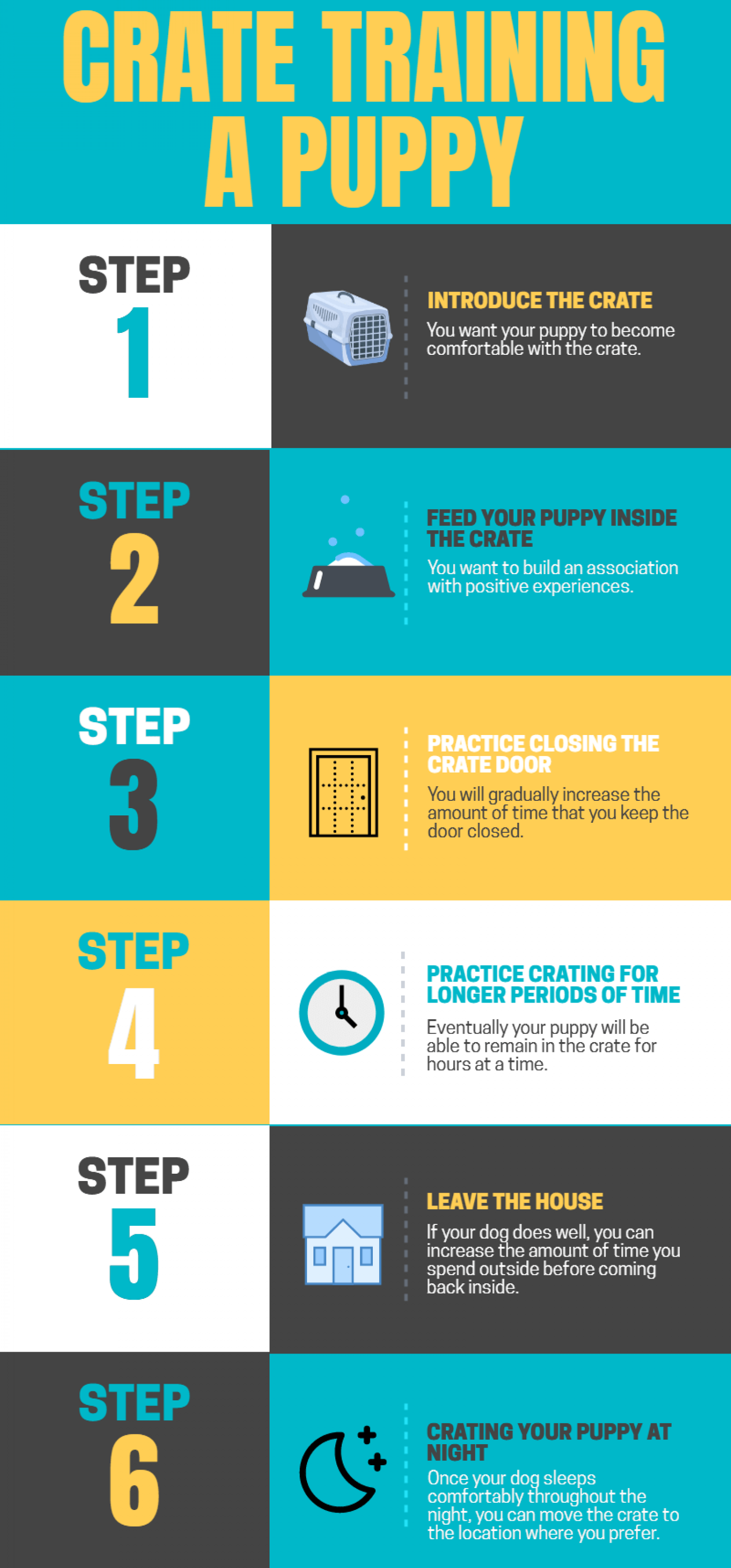
Introducing the crate to your puppy is an important step in training. It helps create a safe space for your dog. The crate becomes a little den where your puppy can feel calm and secure. Start slowly and make the crate a positive place from the beginning. This helps your puppy enjoy spending time there.
Making The Crate Inviting
Place soft bedding inside the crate. Add a favorite toy or two. This makes the crate comfortable and welcoming. Keep the crate in a quiet area of your home. Let your puppy explore the crate at its own pace. Never force your puppy inside. Use treats to encourage your puppy to enter. Speak gently and calmly to build trust. The goal is to make the crate feel like a cozy retreat.
First Experiences Inside
Start with short sessions inside the crate. Close the door for just a few seconds. Praise your puppy when it stays calm. Gradually increase the time spent inside. Always stay nearby at first. Give treats and speak softly through the door. This builds a good connection with the crate. Avoid using the crate for punishment. The first experiences should be happy and stress-free.
Building Positive Associations
Building positive associations helps your puppy enjoy the crate. This step makes crate training easier and less stressful. Your puppy will feel safe and happy inside the crate. Positive feelings encourage your puppy to use the crate often.
Using Treats And Toys
Give your puppy treats when it enters the crate. Treats create a good link with the crate. Use favorite toys inside the crate to keep your puppy busy. Toys help your puppy relax and feel safe. Change toys sometimes to keep interest high.
Creating A Comfortable Space
Make the crate cozy with soft bedding or a blanket. Comfort helps your puppy stay calm and rest well. Place the crate in a quiet area without loud noises. Avoid cold or drafty spots to keep the puppy warm. A comfy crate feels like a small den.

Credit: www.showven.cn
Establishing A Routine
Creating a routine helps your puppy feel safe and calm in their crate. Dogs like habits. They find comfort in knowing what happens next. This reduces stress and makes crate training easier.
Start by setting regular crate times. Make these times part of your puppy’s daily schedule. Consistency helps your puppy learn faster. It also builds trust in the crate as a safe space.
Consistent Crate Times
Choose specific times to place your puppy in the crate. Morning, afternoon, and night work well. Keep these times the same every day. Your puppy will expect crate time and adjust quickly.
Short crate sessions at first avoid stress. Gradually increase the duration. Always watch your puppy’s comfort and behavior. End sessions with praise or treats. This makes the crate a positive place.
Balancing Crate Time And Play
Balance crate time with plenty of play and exercise. Puppies need to burn off energy. Tired puppies rest better in the crate. Playtime helps prevent boredom and bad habits.
After play, your puppy will relax more easily in the crate. Use play as a reward for good crate behavior. This balance keeps your puppy happy and healthy.
Handling Resistance
Handling resistance during crate training is a common hurdle for many puppy owners. Puppies might feel scared or confused about the crate. They may try to avoid it or even cry when placed inside. Understanding this resistance helps make training smoother. Patience and the right approach can turn the crate into a safe and happy space.
Common Challenges
Puppies may whine or bark inside the crate. They might scratch at the door or refuse to enter. Some puppies see the crate as a punishment. This makes them anxious or fearful. Resistance often comes from unfamiliarity and discomfort. Each puppy reacts differently to the crate. Recognizing these challenges is the first step to success.
Calm And Patient Approaches
Speak softly and use gentle tones near the crate. Avoid forcing your puppy inside. Let them explore the crate at their own pace. Offer treats and toys as positive rewards. Sit near the crate to provide comfort. Keep training sessions short and stress-free. Patience helps build trust and reduces fear. Calmness makes the crate a peaceful spot.
Nighttime Crate Tips
Nighttime crate training helps your puppy feel safe and calm. It sets a routine and creates a cozy space for rest. Proper tips can make nights peaceful for both you and your puppy.
Helping Your Puppy Sleep Well
Choose a quiet spot for the crate, away from noise and lights. Use soft bedding inside the crate to make it comfy. Keep a consistent bedtime to help your puppy settle. A gentle toy or blanket with your scent can comfort your puppy. Avoid feeding your puppy right before bedtime to reduce bathroom needs.
Minimizing Nighttime Whining
Ignore whining at first to avoid reinforcing the behavior. Check your puppy calmly if the whining continues for a long time. Make sure your puppy has gone potty before bedtime. Give a last chance to play or walk before crate time. Stay calm and patient; whining usually stops as your puppy adjusts.
Crate Training For Travel
Crate training helps your puppy feel safe during travel. It makes trips less stressful for both of you. Puppies learn to see the crate as a cozy, secure space. This comfort helps them stay calm in cars or unfamiliar places. Preparing your puppy for travel with crate training is key to smooth journeys.
Safe Car Trips
Use a sturdy crate that fits well in your car. Place the crate where it won’t move or slide. Keep the puppy inside the crate during the ride for safety. Avoid letting your puppy roam free in the car. This prevents distractions and accidents. Stop often for breaks to let your puppy stretch and relieve itself. Never leave your puppy alone in a parked car.
Familiarizing The Crate Outside Home
Take the crate outside the house before trips. Let your puppy explore it in the yard or park. Place treats and toys inside the crate to create positive feelings. Practice short stays in the crate away from home. This reduces anxiety during travel. The puppy learns the crate is a safe place everywhere.
Avoiding Common Mistakes
Crate training helps puppies feel safe and learn good habits. Avoiding common mistakes makes this training easier and better for your puppy. Mistakes can cause stress and slow progress. Knowing what to avoid keeps training smooth and positive.
Overusing The Crate
Too much time in the crate can hurt your puppy’s mood. Puppies need play, exercise, and time with you. Using the crate only for short periods helps your puppy stay happy. Long hours can make the crate a place of punishment. Balance crate time with fun and freedom.
Ignoring Puppy’s Needs
Puppies need bathroom breaks and food on a schedule. Ignoring these needs causes accidents and discomfort. Watch your puppy’s signals for when it needs to go out. Give water and meals outside the crate when possible. Meeting your puppy’s needs builds trust and good habits.
Signs Of Progress
Tracking your puppy’s progress during crate training is important. It shows that your efforts are working. Recognizing the signs helps you know when to move forward or slow down. Patience is key. Every puppy learns at a different pace. Watch for changes in behavior that show comfort and calmness inside the crate. These signals mean your puppy feels safe and relaxed.
Recognizing Comfort And Calmness
Your puppy will start to enter the crate without fear or hesitation. They may lie down and rest quietly. No whining or scratching at the door is a good sign. Look for relaxed body language like soft eyes and a wagging tail. These signs show your puppy trusts the crate as a safe space. Calm behavior means they are ready for longer crate times.
Adjusting Training Steps
Once your puppy shows comfort, change your training routine slowly. Increase the time spent in the crate by a few minutes each day. Add distractions like soft music or toys to help them stay calm. If your puppy seems stressed, go back a step. Keep training sessions short and positive. Adjusting the steps prevents setbacks and builds confidence.

Credit: www.foodexsaudiexpo.com
Credit: www.cruceroclick.com
Frequently Asked Questions
How Long Should Crate Training Take For Puppies?
Crate training duration varies by puppy, but consistency is key. Most puppies adapt within 1 to 2 weeks with regular, positive crate time. Patience and gradual increase in crate duration help ensure success and reduce anxiety.
What Is The Best Crate Size For My Puppy?
Choose a crate large enough for your puppy to stand, turn around, and lie down comfortably. Avoid oversized crates, as they may encourage accidents. Adjust crate size as your puppy grows to maintain comfort and safety.
How Often Should Puppies Be Crated Daily?
Puppies should be crated for short periods, typically 1 to 3 hours during the day. Avoid excessive crating to prevent distress. Use the crate mainly for naps, bedtime, and safe confinement when unsupervised.
Can Crate Training Help With Puppy Housebreaking?
Yes, crate training aids housebreaking by teaching bladder control. Puppies naturally avoid soiling their sleeping area. Regular crate breaks and positive reinforcement improve successful toilet training.
Conclusion
Crate training helps puppies feel safe and calm. Be patient and consistent every day. Use treats and praise to encourage good behavior. Let your puppy explore the crate slowly. Avoid forcing them inside or rushing the process. A happy puppy learns faster and trusts you more.
Keep training sessions short and positive. Soon, your puppy will enjoy their cozy space. This builds good habits for a lifetime. Keep these tips in mind for success. Your puppy will thank you with love and loyalty.


