

Bringing a new puppy into your home is exciting, but training can feel overwhelming. What if you could make this process simple and stress-free?
Imagine having a well-behaved puppy that listens to you without constant frustration. You’ll discover easy puppy training tips that anyone can follow. These practical steps will help you build a strong bond with your furry friend while teaching them good habits quickly.
Keep reading to unlock the secrets to a happy, obedient puppy and enjoy every moment of your time together.
Choosing The Right Training Approach
Choosing the right training approach helps your puppy learn faster and stay happy. Each puppy has a unique personality and learning style. Finding the best method makes training easier for both of you. Focus on kindness, clear signals, and rewards. These elements build trust and good behavior.
Positive Reinforcement Basics
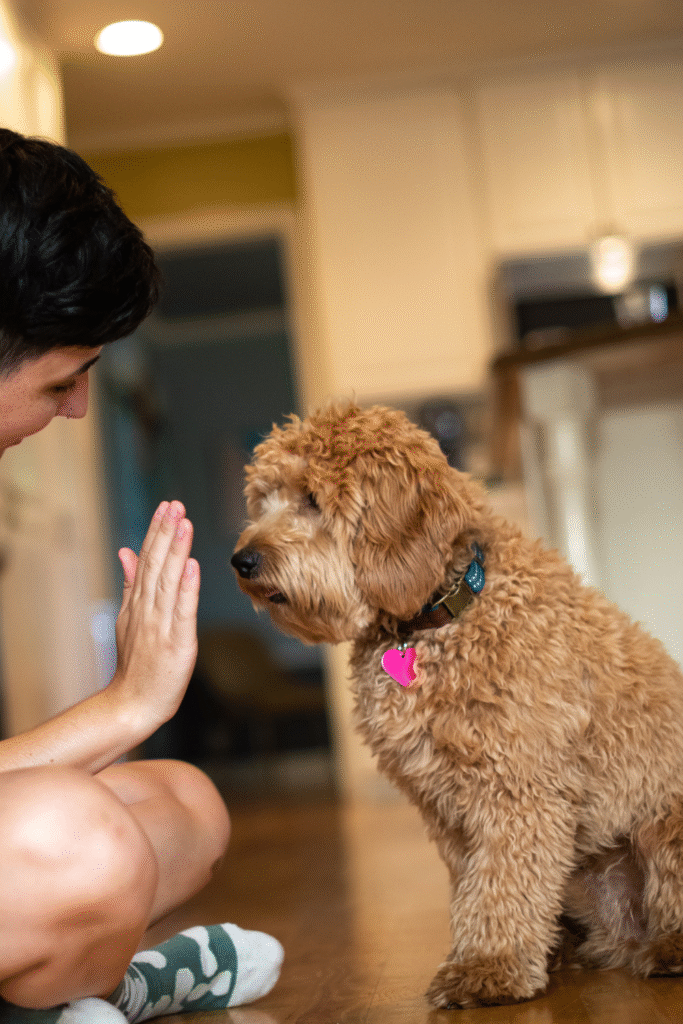
Positive reinforcement means giving rewards for good behavior. Treats, praise, or playtime work well. This method encourages puppies to repeat actions. Avoid punishment or harsh words. They can cause fear and slow learning. Reward your puppy immediately after good behavior. This helps your puppy connect actions with rewards.
Consistency And Patience
Consistency is key in puppy training. Use the same commands and signals every time. This avoids confusion and speeds learning. Patience helps your puppy feel safe. Puppies take time to learn new skills. Avoid rushing or showing frustration. Keep training sessions short and regular. Celebrate small successes to stay motivated.

Credit: www.amazon.com
Essential Commands To Teach First
Teaching your puppy essential commands sets the foundation for good behavior. These commands help keep your puppy safe and make daily life easier. Start training early for the best results. Keep sessions short and fun to hold your puppy’s attention.
Sit And Stay
“Sit” is one of the easiest commands to teach. It helps your puppy learn control and focus. Use a treat to guide your puppy into a sitting position. Say “sit” clearly and reward immediately. Practice often to build consistency.
“Stay” teaches patience and discipline. Ask your puppy to sit first. Then say “stay” with a hand signal. Step back slowly and reward if your puppy stays put. Increase distance and time gradually.
Come When Called
“Come” keeps your puppy safe in many situations. Use a cheerful tone to call your puppy’s name followed by “come.” Reward with praise and treats when your puppy responds. Practice in a quiet area first. Make coming to you always positive.
Leave It
“Leave it” prevents your puppy from picking up dangerous items. Hold a treat in your closed hand and say “leave it.” Wait for your puppy to stop trying. When they do, give a different treat from the other hand. Repeat until your puppy understands.
House Training Made Simple
House training a puppy can feel tough. It takes patience and clear steps. Keep training simple to help your puppy learn fast. Follow these easy tips to make house training smooth and stress-free.
Establishing A Routine
Set regular times for feeding and potty breaks. Puppies thrive on routine. Take your puppy outside first thing in the morning. Also, after meals and naps. Consistent timing helps your puppy understand when to go. Praise your puppy every time it goes outside.
Using Crate Training
Use a crate as a safe space for your puppy. Puppies do not like to soil their sleeping area. A crate helps teach bladder control. Keep the crate comfortable with soft bedding. Never use the crate for punishment. Let your puppy out for potty breaks often.
Handling Accidents Calmly
Accidents will happen. Do not yell or punish your puppy. Clean the area well to remove smells. Use a calm voice to say “no” if you catch them. Redirect your puppy outside quickly. Patience and kindness build trust and good habits.
Credit: puppulse.com
Socializing Your Puppy
Socializing your puppy is one of the most important steps in training. It helps your puppy feel safe and confident around people, dogs, and new places. Early socialization reduces fear and prevents behavior problems later in life.
Start socializing your puppy as soon as possible. Keep experiences positive and gentle. Let your puppy explore at their own pace.
Introducing New People
Let your puppy meet different people often. Include men, women, and children of all ages. Allow your puppy to approach new people calmly. Avoid forcing contact. Praise your puppy for calm behavior. This builds trust and friendliness.
Meeting Other Dogs
Arrange safe meetings with other friendly dogs. Choose dogs that are calm and vaccinated. Keep the first meetings short and positive. Watch for signs of fear or aggression. Stop if your puppy feels stressed. This helps your puppy learn good social skills.
Exposure To Different Environments
Take your puppy to various places. Try parks, streets, pet stores, and quiet areas. Let your puppy experience different sounds and sights. Keep these visits short and fun. This helps your puppy adapt to new surroundings easily.
Dealing With Common Challenges
Training a puppy brings joy but also some challenges. These problems can be tough for new owners. Understanding common issues helps you handle them calmly. Patience and consistency are key to success. Here are simple tips to manage usual puppy troubles.
Biting And Chewing
Puppies explore the world with their mouths. Biting and chewing are normal but can hurt or damage things. Offer safe chew toys to redirect this behavior. Say “no” firmly when biting skin or clothes. Praise your puppy for gentle play. Consistent training stops unwanted biting over time.
Excessive Barking
Dogs bark to communicate. Too much barking can annoy neighbors or family. Identify what causes your puppy to bark. It could be fear, boredom, or attention seeking. Teach a quiet command and reward your puppy when silent. Daily exercise helps reduce extra energy and barking.
Separation Anxiety
Many puppies feel scared alone. This leads to whining, barking, or destructive acts. Start with short separations and increase time slowly. Leave a favorite toy or blanket with your scent. Keep arrivals and departures calm and quiet. Helping your puppy feel safe reduces anxiety.
Tools And Resources To Help
Training a puppy can be easier with the right tools and resources. These help guide you and keep your puppy interested. Using proper items makes learning fun and fast. It also builds a strong bond between you and your puppy.
Training Treats And Toys
Small treats work well as rewards during training. Choose healthy snacks that your puppy loves. Toys also help, especially chew toys and fetch balls. These keep your puppy active and focused. Using treats and toys together creates a fun learning time.
Helpful Apps And Guides
Many apps offer step-by-step training help. They remind you when to train and track progress. Guides and videos show clear instructions for each step. These tools fit well into busy schedules. They also help you learn the best training methods.
When To Seek Professional Help
Some puppies need extra help beyond home training. If your puppy shows fear or aggression, get advice from a trainer. Professionals can fix bad habits early. They also teach you how to handle tough situations. Getting help saves time and stress in the long run.

Credit: www.wisconsindesignerdoodles.com
Frequently Asked Questions
How Do I Start Training My Puppy At Home?
Begin with basic commands like sit, stay, and come. Use positive reinforcement with treats. Keep sessions short and consistent daily.
What Is The Best Age To Train A Puppy?
Start training as early as 7-8 weeks old. Early training builds good habits and social skills. Puppies learn quickly at a young age.
How Can I Potty Train My Puppy Quickly?
Take your puppy outside frequently, especially after meals. Praise and reward them immediately after they go. Be patient and consistent with the routine.
Why Is Positive Reinforcement Important In Puppy Training?
Positive reinforcement encourages good behavior through rewards. It builds trust and motivation in your puppy. Avoid punishment to prevent fear or anxiety.
Conclusion
Training your puppy can be simple and fun. Be patient and consistent every day. Use clear commands and reward good behavior. Keep training sessions short to hold your puppy’s attention. Remember, puppies learn best with kindness and routine. Enjoy the process and celebrate small wins.
A well-trained puppy makes life easier and happier. Start early and stay positive for great results. Your puppy will thank you with love and trust.


