Potty training your puppy can feel overwhelming, but it doesn’t have to be. Imagine having a clean home and a happy puppy who knows exactly where to go.
You’re just a few simple steps away from making that a reality. You’ll discover easy-to-follow tips that will save you time, reduce stress, and build a stronger bond with your furry friend. Keep reading, and you’ll soon enjoy a smoother, more confident potty training experience.

Credit: petcareadvisorusa.com
Prepare For Training
Preparing for potty training sets the stage for success. It helps your puppy learn faster and makes the process smoother. Good preparation also reduces accidents in the house. Start by creating a clear plan and gathering what you need.
Choose A Designated Spot
Pick one spot outside where your puppy will always go. This helps your puppy recognize where to potty. The spot should be easy to reach and quiet. Consistency teaches your puppy faster and avoids confusion.
Gather Necessary Supplies
Get all supplies before training begins. You will need puppy pads, treats, cleaning products, and a leash. Treats motivate your puppy to learn. Cleaning products remove smells that cause repeat accidents.
Set A Consistent Schedule
Feed your puppy at the same times every day. Take your puppy to the potty spot after eating, playing, or waking up. Regular trips help your puppy build good habits. A consistent schedule makes training easier and clearer.
Establish A Routine
Setting a routine helps your puppy learn faster. Dogs like knowing what to expect. A clear schedule makes training easier. Your puppy will feel safe and confident. Potty training becomes simple when you follow a plan.
Regular Feeding Times
Feed your puppy at the same times every day. This controls when they need to go potty. Avoid free feeding or random meal times. A set feeding schedule helps predict bathroom breaks. It also supports healthy digestion.
Frequent Outdoor Breaks
Take your puppy outside often. Puppies cannot hold their bladder long. Young puppies may need a break every hour. After meals, play, or naps, head outdoors. Praise them when they go potty outside. This builds good habits quickly.
Monitor Puppy’s Signals
Watch for signs your puppy needs to go. Sniffing, circling, or whining are common signals. Act fast when you see these behaviors. Take them outside immediately. Catching these signs helps prevent accidents indoors.
Use Positive Reinforcement
Positive reinforcement is a key method to potty train your puppy effectively. It helps your puppy understand what behavior you want. This approach builds trust and encourages good habits. Puppies respond well to praise and rewards. It makes training a fun and happy time for both of you.
Reward Good Behavior
Give your puppy a treat or kind words when they go potty outside. This shows them that they did something right. Use small, tasty treats that your puppy loves. Immediate rewards help your puppy connect the action with the praise. Consistency is important. Always reward good behavior to reinforce the habit.
Avoid Punishment
Do not scold or punish your puppy for accidents. Punishment can create fear and confusion. It may make your puppy hide or avoid you. Focus on guiding your puppy rather than punishing mistakes. Stay calm and gentle. Positive training builds a stronger bond and better results.
Be Patient And Encouraging
Puppies learn at their own pace. Some take longer to understand where to go potty. Keep your tone happy and encouraging. Celebrate small successes to keep your puppy motivated. Patience helps reduce stress for both of you. Training takes time, but positive reinforcement makes it easier.
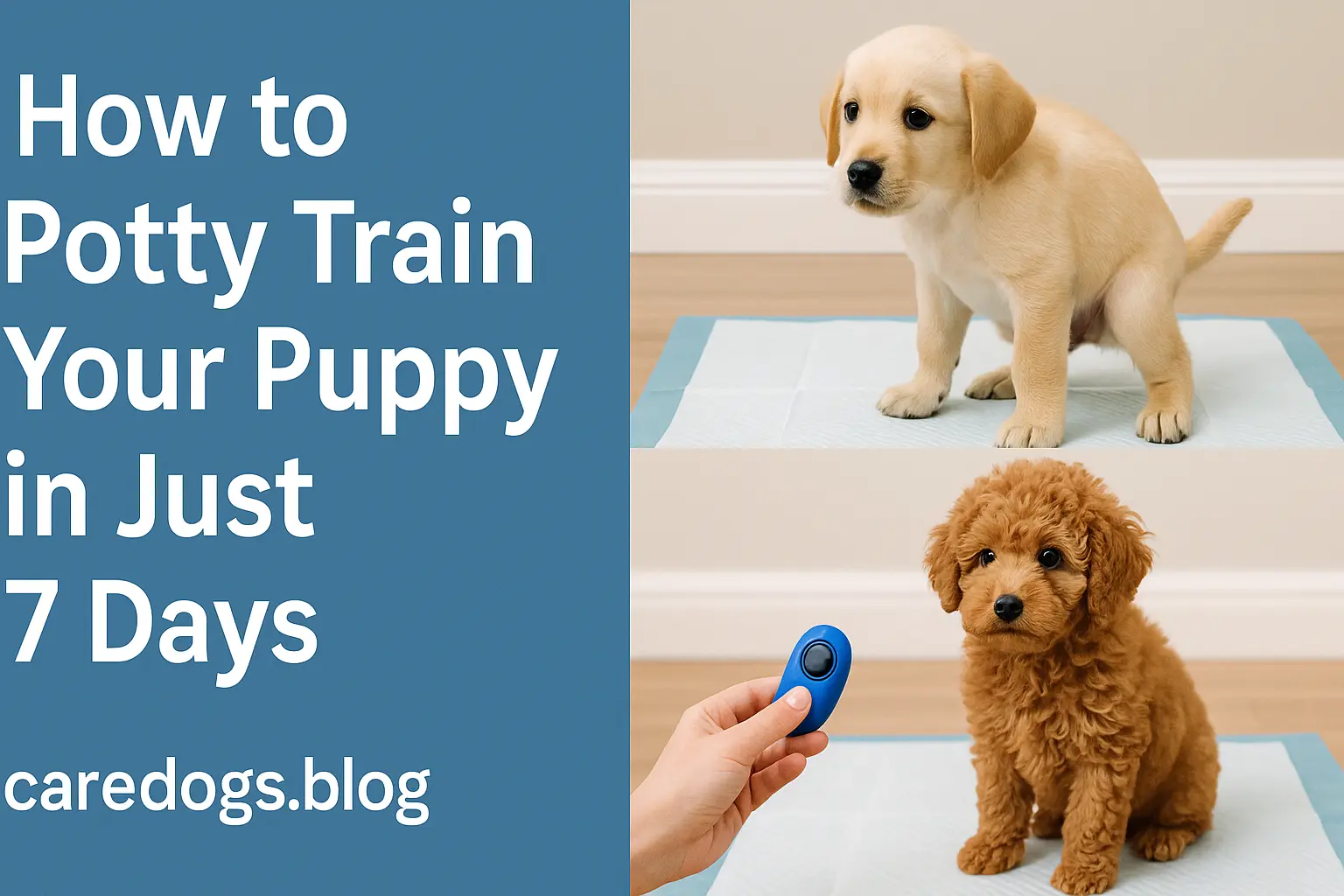
Credit: caredogs.blog
Handle Accidents Calmly
Accidents happen during puppy potty training. It is important to handle them calmly. Reacting with anger can scare your puppy and slow training progress. Stay patient and use each accident as a learning moment.
Clean Up Thoroughly
Clean the accident spot well to remove all odors. Use a pet-safe cleaner to prevent your puppy from returning there. A clean area helps avoid repeat accidents in the same place.
Stay Calm And Consistent
Keep your voice soft and steady. Do not yell or punish your puppy. Calmness teaches your puppy that accidents are normal and part of learning. Consistent reactions build trust and routine.
Redirect Puppy Gently
After an accident, guide your puppy to the correct potty spot. Use gentle words and praise when they go in the right place. Positive redirection encourages good habits without fear.
Crate Training Benefits
Crate training is a helpful method for potty training puppies. It creates structure and comfort for your puppy. Using a crate teaches your puppy to hold their bladder. It also helps prevent accidents in the house. Crate training gives your puppy a quiet place to rest. This makes training easier for both of you.
Create A Safe Space
A crate gives your puppy a small, cozy area. This space feels safe and secure. Puppies like having their own spot to relax. It helps reduce stress and anxiety. Your puppy learns to enjoy being alone without fear. This safe space supports better potty training habits.
Limit Freedom During Training
Keeping your puppy in a crate limits their freedom. This prevents them from wandering and having accidents. Puppies usually avoid soiling where they sleep. The crate helps teach your puppy to wait before going outside. It sets clear boundaries during potty training. This control speeds up learning and reduces messes.
Gradually Increase Crate Time
Start by keeping your puppy in the crate for short times. Slowly increase the time as they get comfortable. This builds your puppy’s trust in the crate. Avoid leaving them too long at once. Gradual increase helps your puppy adjust without stress. It makes potty training smoother and more successful.
Troubleshoot Common Issues
Potty training a puppy can sometimes be tricky. Many owners face common problems that slow progress. Knowing how to handle these issues helps keep training on track. Here are some useful tips to troubleshoot common potty training problems.
Dealing With Regression
Sometimes puppies forget their potty habits. This is called regression. It happens when puppies feel stressed or scared. Changes like moving to a new home can cause this. Stay calm and keep routines steady. Praise your puppy for good behavior. Avoid punishment as it can make regression worse. Patience is key to overcoming setbacks.
Managing Stubbornness
Some puppies resist potty training rules. They may ignore commands or delay going outside. Use clear, simple commands your puppy can learn easily. Reward your puppy immediately after they potty outside. Consistency helps reduce stubborn behavior. Avoid showing frustration. Puppies learn best with gentle guidance and regular practice.
When To Seek Professional Help
Sometimes training problems need expert advice. If your puppy keeps having accidents, a vet visit can rule out health issues. A professional trainer can offer personalized tips. Seek help if training stalls for weeks or you feel overwhelmed. Early support improves results and reduces stress for you and your puppy.

Credit: m.youtube.com
Frequently Asked Questions
How Long Does Puppy Potty Training Usually Take?
Puppy potty training typically takes 4 to 6 months. Consistency, patience, and regular schedules speed up the process. Every puppy learns at its own pace, so adapt your approach as needed.
What Are The Best Potty Training Methods For Puppies?
Effective methods include crate training, frequent outdoor trips, and positive reinforcement. Reward your puppy immediately after they eliminate outside. Avoid punishment to build trust and encourage proper habits.
How Often Should I Take My Puppy Outside To Potty?
Take your puppy outside every 1 to 2 hours initially. Also, bring them out after eating, drinking, playing, or waking up. Frequent trips reduce accidents and teach your puppy where to go.
What Signs Show My Puppy Needs To Potty?
Common signs include sniffing, circling, whining, or heading to the door. Watch your puppy closely to catch these cues. Prompt response helps prevent indoor accidents and reinforces good behavior.
Conclusion
Potty training a puppy takes time and patience. Keep routines steady and reward good behavior. Watch your puppy closely to learn their signals. Clean accidents quickly to avoid repeat mistakes. Stay calm and consistent through the process. Soon, your puppy will understand where to go.
Enjoy this learning time—it builds trust and friendship. Every small step is progress worth celebrating. Keep practicing, and success will come with love.