

Training your puppy can feel overwhelming, but it doesn’t have to be. Imagine having a well-behaved, happy dog who listens to you and fits perfectly into your home.
With the right tips, you can make this a reality faster than you think. Whether you’re starting from day one or trying to fix some tricky habits, these simple, effective strategies will help you build a strong bond with your puppy and set them up for success.
Keep reading—your perfect puppy is just a few steps away.

Credit: resources.sdhumane.org
Choosing The Right Training Method
Choosing the right training method helps your puppy learn faster and better. It builds trust between you and your dog. Training should be clear, kind, and consistent. Different puppies respond well to different styles. Finding the best approach makes training enjoyable for both of you.
Positive Reinforcement Techniques
Positive reinforcement uses rewards to encourage good behavior. Treats, praise, and toys work well as rewards. Reward your puppy immediately after the right action. This helps them connect the behavior with the reward. Avoid punishment. It can cause fear and confusion. Positive methods build confidence and a strong bond.
Consistency And Routine
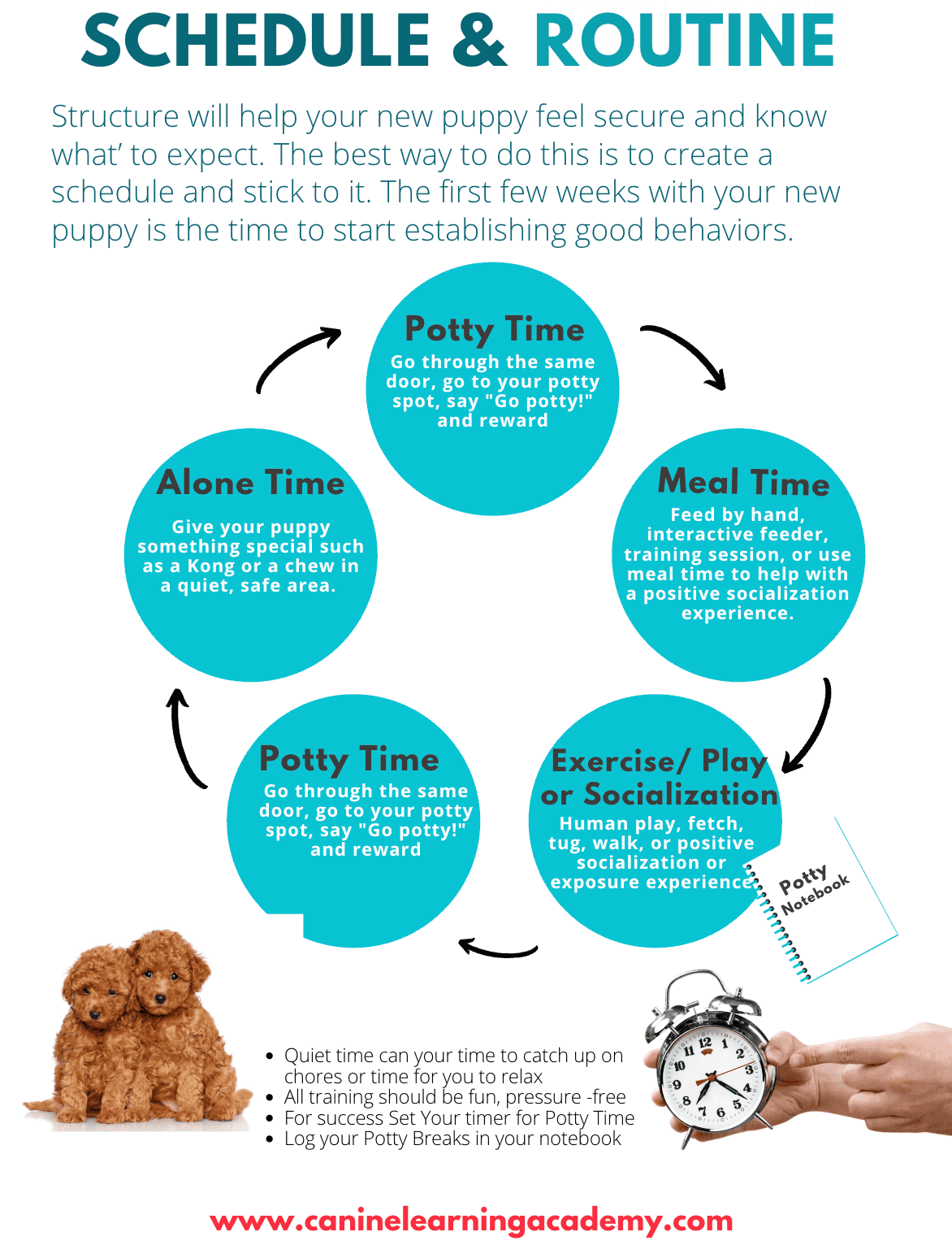
Consistency helps puppies understand what you expect. Use the same commands and gestures every time. Train at the same times each day to build routine. A steady schedule makes learning easier. Avoid changing rules or commands often. This confuses puppies and slows progress. Patience and repetition lead to success.
Avoiding Common Mistakes
Many trainers make simple mistakes that hurt training. Do not shout or use harsh punishment. It can scare your puppy. Avoid training sessions that last too long. Puppies have short attention spans. Stop training before your puppy gets tired or bored. Never give up. Keep training short, fun, and positive.
Basic Commands Every Puppy Should Learn
Training a puppy starts with teaching basic commands. These commands build good habits. They help your puppy understand what you expect. Basic commands keep your puppy safe and happy. They also make life easier for you.
Sit And Stay
“Sit” is the first command most puppies learn. It helps control excitement and focus attention. Teach your puppy to sit by holding a treat above its nose. Move the treat back over its head. When the puppy sits, say “sit” and give the treat.
“Stay” teaches your puppy to wait patiently. Start by asking your puppy to sit. Show your palm and say “stay.” Take one step back. If the puppy stays, give a treat. Increase the distance and time slowly.
Come When Called
“Come” is an important safety command. Use a happy voice and call your puppy’s name. Say “come” and show a treat or toy. Praise the puppy when it comes to you. Practice this often in safe, enclosed areas.
Keep training short and positive. Avoid calling your puppy for bad things. This helps your puppy respond quickly and happily.
Leave It And Drop It
“Leave it” prevents your puppy from picking up harmful things. Hold a treat in your closed hand. Let the puppy sniff but not take it. Say “leave it.” When the puppy stops trying, give a different treat.
“Drop it” helps your puppy release objects safely. Offer a treat while saying “drop it.” Trade the treat for the item. Praise your puppy for letting go. This command protects your puppy and belongings.
Housebreaking And Crate Training
Housebreaking and crate training form the foundation of good puppy habits. These methods help your puppy learn where to go to the bathroom and create a safe space for them. Consistency and patience are key during this process. A well-trained puppy feels secure and behaves better at home.
Establishing A Bathroom Schedule
Set a regular time for your puppy to go outside. Take them out first thing in the morning, after meals, and before bedtime. Puppies need to relieve themselves often, so watch for signs like sniffing or circling. Praise your puppy each time they go in the right spot. This helps them understand what you expect.
Using The Crate Effectively
Choose a crate just big enough for your puppy to stand and turn around. Use the crate as a safe spot, not a punishment. Encourage your puppy to enter with treats or toys. Keep crate time short at first and increase it gradually. This helps your puppy feel calm and secure inside.
Dealing With Accidents
Accidents are normal during housebreaking. Clean the area thoroughly to remove smells that attract your puppy back. Never punish your puppy for accidents. Instead, guide them back to the right behavior. Patience and positive reinforcement help your puppy learn faster.
Socializing Your Puppy
Socializing your puppy is a key step in training. It helps your puppy become friendly and confident. A well-socialized puppy grows into a calm and happy dog. Meeting different people, animals, and places builds good habits early. Start socializing as soon as your puppy is ready. Make each experience positive and safe. This section covers important tips for socializing your puppy.
Introducing New People And Pets
Let your puppy meet many people gently. Show your puppy that new faces are safe. Use treats to create good feelings. Allow your puppy to approach strangers on their own time. Introduce your puppy to other pets slowly. Watch for signs of fear or stress. Keep initial meetings short and calm. Positive first meetings help your puppy trust others.
Exposure To Different Environments
Take your puppy to many places. Parks, streets, and pet stores are good options. Different sounds and sights teach your puppy to stay calm. Walk your puppy on different surfaces like grass and pavement. Avoid crowded or noisy places at first. Gradually increase the challenge as your puppy grows. New environments help your puppy adapt well.
Preventing Fear And Aggression
Stay calm and patient during socialization. Do not force your puppy into scary situations. Watch your puppy’s body language closely. Stop and remove your puppy from stress quickly. Reward calm behavior with treats and praise. Early socialization lowers chances of fear or aggression. A confident puppy grows into a friendly adult dog.
Managing Chewing And Biting
Managing chewing and biting is a key part of training a puppy. Puppies explore the world with their mouths. This natural behavior can become a problem if not guided well. Chewing on furniture or biting people must be controlled early. Teaching your puppy what is okay to chew and how to bite gently helps build good habits.
Providing Appropriate Chew Toys
Give your puppy safe and fun chew toys. Choose toys made for puppies, soft but durable. Chew toys satisfy their urge to chew. They protect your belongings from damage. Keep toys clean and replace when worn out. Offer different textures to keep your puppy interested.
Redirecting Unwanted Behavior
When your puppy bites hands or furniture, calmly stop them. Say “No” or “Ouch” in a firm voice. Then give a chew toy instead. This teaches them what is okay to bite. Avoid rough play that encourages biting. Reward gentle behavior with praise or treats.
Teaching Bite Inhibition
Bite inhibition means teaching your puppy to control their bite strength. If they bite too hard, let out a yelp or stop playing. This mimics how other puppies learn limits. Be consistent and patient. Praise your puppy when they use a soft mouth. This helps keep everyone safe and happy.
Credit: carrington.edu
Advanced Training Tips
Advanced training helps your puppy learn beyond the basics. It builds stronger skills and better behavior. This stage challenges your dog’s mind and body. It also makes training more fun and rewarding.
Teaching Tricks And Commands
Start with simple tricks like “shake” or “roll over.” Use clear and consistent words for each trick. Break the trick into small steps for easier learning. Reward your puppy with treats or praise after success. Practice tricks regularly but keep sessions short. Tricks improve your dog’s focus and strengthen your bond.
Using Clicker Training
Clicker training uses a small device that makes a clicking sound. The click marks the exact moment your puppy does something right. This helps your dog understand which behavior earns a reward. Start by clicking and giving a treat to build a positive link. Use the clicker to guide your puppy through new commands. This method is quick and clear for dogs.
Maintaining Training Progress
Practice learned commands daily to keep skills sharp. Change the training location to avoid distractions and test focus. Use varied rewards like treats, toys, or affection to keep interest. Be patient and consistent to prevent confusion. Keep training sessions short and fun to maintain motivation. Regular review helps your puppy remember and obey commands well.
Credit: caninelearningacademy.com
Frequently Asked Questions
How Long Should Puppy Training Sessions Be?
Puppy training sessions should be brief, lasting 5 to 10 minutes. Short sessions keep puppies focused and prevent boredom. Frequent, consistent training throughout the day is more effective than long, infrequent sessions. This helps reinforce good behavior and maintains your puppy’s interest in learning.
When Is The Best Age To Start Training Puppies?
The best age to start training puppies is between 7 and 8 weeks. At this stage, puppies are more receptive and eager to learn basic commands. Early training builds a strong foundation for good behavior and socialization, making future training easier and more effective.
What Are The Essential Commands To Teach Puppies First?
Essential commands to teach puppies first include “sit,” “stay,” “come,” and “down. ” These basic commands promote safety and control in everyday situations. Starting with simple commands helps puppies learn discipline and builds trust between you and your pet.
How Can I Prevent Biting During Puppy Training?
To prevent biting, redirect your puppy’s attention to chew toys. Use gentle but firm verbal cues like “no” or “ouch” when biting occurs. Consistently reward gentle play and avoid roughhousing. This teaches puppies appropriate behavior and reduces aggressive biting habits.
Conclusion
Training puppies takes patience, time, and kindness. Start with small steps and stay consistent. Praise good behavior to encourage learning. Avoid harsh words or actions that scare your puppy. Remember, every puppy learns at their own pace. Enjoy the moments and build a strong bond.
Training helps puppies grow into happy, well-behaved dogs. Keep practicing and stay positive throughout the process. Your efforts will bring lasting rewards and a loyal friend.


