
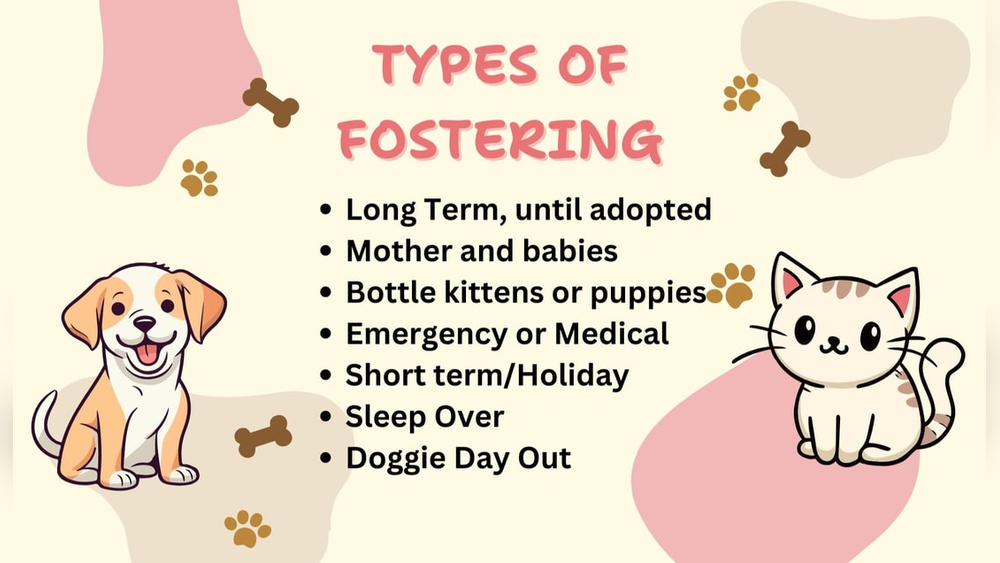
Are you ready to open your heart and home to a little bundle of energy? Fostering puppies can be one of the most rewarding experiences you’ll ever have.
But it also comes with its own set of challenges and surprises. Whether you’re a first-timer or looking to improve your skills, these tips on fostering puppies will help you build a strong bond and give those pups the best start in life.
Keep reading, and discover how you can make a real difference—one wagging tail at a time.
Credit: wagwalking.com
Preparing Your Home
Preparing your home for a foster puppy creates a safe and welcoming space. It helps the puppy feel calm and secure. Proper preparation also makes caring easier and safer for both of you.
Start with a quiet area where the puppy can rest without too much noise or traffic. This space should be easy to clean and free from hazards. Organizing supplies nearby saves time and keeps everything ready.
Safe Space Setup
Choose a small, quiet corner for the puppy’s safe space. Use a crate or a playpen to create boundaries. Add a soft bed or blanket for comfort. Keep the area free from sharp or small objects. This helps the puppy relax and feel protected.
Essential Supplies
Gather all basic supplies before the puppy arrives. Include food and water bowls, puppy food, and treats. Have chew toys, a collar, and a leash ready. Keep cleaning supplies handy for accidents. These items support good care and training.
Puppy-proofing Tips
Remove or secure electrical cords and cables. Store cleaning products and medicines out of reach. Block access to stairs or unsafe rooms. Check for loose objects the puppy might swallow. Puppy-proofing prevents accidents and keeps the puppy safe.
Feeding And Nutrition
Feeding and nutrition are vital parts of raising healthy puppies. Proper diet helps puppies grow strong and stay active. Good nutrition supports their immune system and overall development.
Choosing the right food ensures puppies get all needed nutrients. Feeding schedule sets a routine that helps digestion. Hydration keeps puppies alert and prevents health problems.
Choosing The Right Food
Select food made especially for puppies. Puppy food has more protein and vitamins than adult dog food. Pick brands with natural ingredients and no fillers. Avoid foods with artificial colors or preservatives. Consult a vet for special diet needs or allergies.
Feeding Schedule
Feed puppies small meals several times a day. Younger puppies need four meals; older ones need two or three. Keep feeding times consistent to build a routine. Watch their weight and adjust portions as they grow. Avoid giving too many treats between meals.
Hydration Needs
Fresh water must be available at all times. Puppies drink more when eating dry food. Change water daily to keep it clean. Watch for signs of dehydration like dry gums or lethargy. Encourage drinking by placing bowls in quiet, easy spots.
Health Care Basics
Caring for a puppy’s health is a top priority for any foster parent. Puppies need special attention to grow strong and stay safe. Understanding health care basics helps prevent common problems early.
Good health care means following a vaccination schedule, watching for signs of illness, and knowing when to see a vet. This keeps puppies healthy and happy during their critical growth stages.
Vaccination Timeline
Puppies start vaccinations at six to eight weeks old. Core vaccines protect against parvovirus, distemper, and adenovirus. They need booster shots every three to four weeks until sixteen weeks old. Rabies vaccination usually happens at twelve to sixteen weeks. Follow your vet’s advice for exact timing and vaccine types.
Common Health Issues
Diarrhea and vomiting are common in young puppies. They can result from diet changes or infections. Watch for coughing, sneezing, or nasal discharge. Fleas, ticks, and worms also affect puppies often. Early treatment stops these problems from getting worse.
When To Visit The Vet
Visit the vet if a puppy shows constant diarrhea or vomiting. Lethargy, loss of appetite, or difficulty breathing needs urgent care. Also, see the vet for any wounds or unusual lumps. Regular check-ups help catch health problems early and keep vaccines updated.
Socializing Puppies
Socializing puppies is a key step in raising happy, confident dogs. It helps them learn how to behave around people, animals, and new places. Proper socialization reduces fear and anxiety later in life. Start early and be patient. Let your puppy explore safely and enjoy new experiences.
Introducing To People
Allow your puppy to meet different people often. Include children, adults, and seniors. Keep meetings calm and gentle. Let the puppy approach at their own pace. Praise and reward good behavior with treats or kind words. Avoid forcing contact. Positive interactions build trust and friendliness.
Meeting Other Pets
Introduce your puppy to other pets carefully. Start with calm and friendly animals. Use a leash for control. Watch body language closely. Stop if any pet shows signs of stress or aggression. Short, frequent meetings work best. This teaches your puppy to play nicely and respect others.
Handling New Environments
Take your puppy to various places. Try parks, quiet streets, and pet-friendly stores. Let them see different sights and sounds. Keep visits short at first. Bring familiar toys or blankets for comfort. New environments help puppies become adaptable and brave in new situations.
Training Essentials
Training is a key part of fostering puppies. It helps them learn good behavior and become happy pets. Start training early. Puppies catch habits fast. Use simple steps to guide them. Stay patient and calm. Consistency makes training easier for both of you.
House Training Tips
Set a regular schedule for bathroom breaks. Take the puppy outside often, especially after eating or sleeping. Choose one spot for bathroom use. Praise your puppy when they go there. Clean accidents quickly with a pet-safe cleaner. Avoid punishment. It confuses puppies and slows progress.
Basic Commands
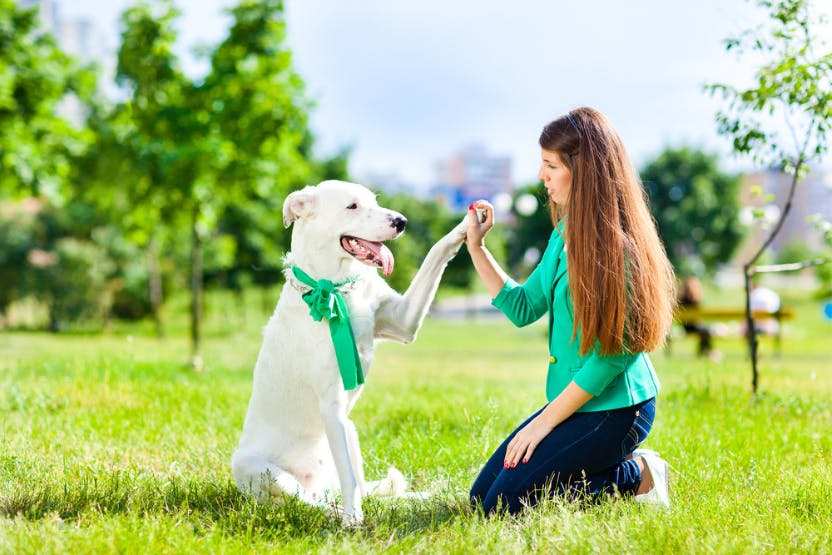
Teach simple commands like “sit,” “stay,” and “come.” Use clear words and a calm voice. Show the puppy what you want with hand signals. Practice commands in short sessions daily. Repeat often to help your puppy remember. Celebrate small successes with praise or treats.
Positive Reinforcement
Reward good behavior with treats, pets, or kind words. Ignore bad behavior instead of scolding. Positive reinforcement builds trust and encourages learning. Use rewards right after the puppy follows a command. This helps them connect the action with the reward. Keep training fun and rewarding.

Credit: ollydog.com
Managing Behavior
Managing a puppy’s behavior is key to a happy home. Puppies explore the world with their mouths. This can lead to chewing, biting, and other challenging behaviors. Understanding these actions helps you guide your puppy gently and firmly. Consistent training and patience create a strong bond and a well-behaved dog.
Dealing With Chewing
Puppies chew to explore and soothe teething pain. Provide safe chew toys to protect your belongings. Redirect your puppy to toys when they start chewing on wrong items. Praise your puppy when they chew the right things. Keep shoes and cords out of reach. This prevents bad habits early on.
Biting And Nipping
Nibbling is natural for puppies learning about their world. Teach bite inhibition by saying “no” firmly but calmly. Stop playtime if biting becomes too hard or frequent. Offer toys for your puppy to bite instead. Gentle and consistent correction helps reduce biting quickly. Reward calm and gentle play to encourage good behavior.
Separation Anxiety
Puppies can feel scared when left alone. Start by leaving your puppy alone for short times. Gradually increase the time apart to build confidence. Give your puppy a safe space with toys and water. Avoid long goodbyes to keep your puppy calm. Training patience helps your puppy feel secure and relaxed.
Tracking Growth And Development
Tracking a puppy’s growth and development is key to good care. It helps spot health issues early. It also ensures the puppy grows strong and happy. Regular checks guide your feeding and playtime routines. You learn what is normal and what needs attention. This way, the puppy gets the best start in life.
Milestone Monitoring
Puppies reach many milestones as they grow. Watch for their first steps, teeth coming in, and play behavior. Note when they start to hear sounds or see clearly. These milestones show the puppy’s brain and body are developing well. Keep a simple chart to track these events. Share this information with your vet during visits.
Weight And Size Checks
Weigh the puppy often to track healthy growth. Use the same scale and weigh at the same time. Record the weight and measure length and height too. Growth should be steady, not too fast or slow. Sudden changes may mean health problems. Report unusual growth patterns to your vet immediately.
Behavioral Changes
Watch how the puppy acts each day. Changes in energy or mood can signal health or stress issues. Note if the puppy becomes shy or overly aggressive. Check if eating and sleeping habits change suddenly. Behavioral shifts often show how the puppy feels inside. Early detection helps fix problems quickly.

Credit: www.furryfriendsrescue.org
Preparing For Adoption
Preparing for adoption is a key step in fostering puppies. It sets the stage for a smooth handover to their new families. Careful planning helps puppies find loving and suitable homes. It also supports families in welcoming their new pets with confidence and joy.
Matching Puppies With Families
Matching puppies with the right families is important. Consider the puppy’s energy, size, and personality. Some puppies need active homes with lots of playtime. Others do well in calm, quiet environments. Ask families about their lifestyle and experience with dogs. This helps ensure a good fit for both puppy and family. Good matches lead to happier, long-lasting relationships.
Transition Tips
Help puppies adjust to new homes smoothly. Share routines and habits with the new family. This includes feeding times, play preferences, and sleeping spots. Encourage families to keep a calm, patient attitude. Small steps ease the puppy’s stress and confusion. A familiar blanket or toy can comfort the puppy. Regular check-ins with the foster family support a smooth transition.
Post-adoption Support
Offer guidance after the puppy joins its new home. Answer questions about behavior, health, and training. Encourage families to visit the vet and start basic training early. Provide resources like local dog trainers or pet groups. Stay available for advice and emotional support. This helps families build strong bonds with their new pets. Good support reduces returns and promotes happy adoptions.
Frequently Asked Questions
What Are The Essential Supplies For Fostering Puppies?
You need food, water bowls, bedding, toys, and cleaning supplies. Puppy pads and a crate also help with training and safety.
How Often Should Puppies Be Fed During Fostering?
Feed puppies 3 to 4 times a day. Adjust portions based on their age and weight. Fresh water must always be available.
How Do I Socialize Foster Puppies Properly?
Expose puppies to various people and gentle animals daily. Use positive reinforcement to encourage good behavior and build confidence.
When Should Foster Puppies Visit The Vet?
Schedule a vet visit within the first week. Ensure vaccinations, deworming, and health checks are up to date.
Conclusion
Fostering puppies brings joy and teaches responsibility. Each puppy needs love, care, and patience daily. Training helps them grow into happy, healthy dogs. Remember to provide safe spaces and gentle guidance. Small efforts make a big difference in their lives.
Enjoy watching these little ones learn and play. Your time and kindness truly shape their future. Fostering is a rewarding way to help animals in need. Keep these tips in mind and cherish every moment.


