

Have you ever noticed your dog doing something that just doesn’t make sense? Maybe they’re suddenly chasing invisible things, spinning in circles, or barking at nothing at all.
These strange dog behaviors can leave you puzzled and wondering what’s really going on in your pet’s mind. Understanding why your furry friend acts this way can help you connect with them better and even spot potential health issues early.
Keep reading to uncover the surprising reasons behind these odd actions and learn how to respond in a way that keeps your dog happy and healthy.

Credit: www.youtube.com
Common Strange Dog Behaviors
Dogs often show behaviors that seem odd or strange. These actions can puzzle dog owners. Understanding these common behaviors helps in caring for your dog better.
Some strange dog actions are normal and part of their nature. Others might signal a need for attention or care. Let’s explore some common strange dog behaviors.
Excessive Barking
Barking is how dogs communicate. Excessive barking can mean boredom, fear, or excitement. Sometimes dogs bark to alert you about something. Training can help reduce too much barking.
Circling Before Lying Down
Dogs often circle before they rest. This behavior comes from wild ancestors. Circling helps them find a comfortable spot. It also makes the area safe and soft.
Tail Chasing
Tail chasing may look funny but can signal stress. Puppies chase tails for fun or to burn energy. If it happens a lot, it might show anxiety or boredom. Attention and playtime can help.
Sniffing Everything
Dogs use their nose to learn about the world. Sniffing helps them find food, friends, and dangers. It is normal for dogs to sniff a lot. Letting your dog explore with its nose is good for mental health.
Medical Causes Behind Odd Actions
Dogs sometimes show strange behaviors that worry their owners. Many of these odd actions come from medical issues. Understanding these causes can help you care better for your dog. It can also guide you to seek the right help quickly.
Medical problems affect a dog’s brain, body, and senses. These changes often cause unusual actions. Here are some common medical reasons behind odd dog behavior.
Neurological Disorders
Neurological disorders affect the brain and nerves. They can cause confusion, shaking, or staring spells. Dogs might walk in circles or seem lost. Some disorders lead to sudden aggression or fear. These signs need a vet’s checkup soon.
Pain And Discomfort
Pain can make dogs act strangely. They may hide or avoid touch. Some dogs lick or bite one spot nonstop. This behavior shows they are hurting inside. Arthritis, injuries, or infections often cause this pain.
Sensory Decline
Dogs lose senses as they age. Poor eyesight or hearing makes them confused. They might not respond to calls or bump into things. This loss can cause anxiety or unusual barking. Helping them adjust improves their quality of life.
Hormonal Imbalances
Hormones control many body functions. Imbalances can change mood and behavior. Dogs may act restless, anxious, or aggressive. Thyroid problems are a common cause. A simple blood test can identify these issues.
Psychological Triggers
Dogs show strange behaviors often due to psychological triggers. These triggers affect their minds and cause unusual actions. Understanding these triggers helps owners respond better to their pets. This section explains key psychological triggers behind odd dog behaviors.
Anxiety And Stress
Anxiety makes dogs restless and nervous. Stress can cause pacing, barking, or hiding. Loud noises or changes at home increase anxiety. Dogs may chew furniture or scratch doors. These behaviors show their need for comfort and safety.
Boredom And Lack Of Stimulation
Bored dogs look for ways to entertain themselves. They might dig holes or chase their tails. Lack of exercise and mental challenges leads to trouble. Toys and walks help reduce boredom. Without these, dogs develop habits that seem strange.
Fear Responses
Fear makes dogs act in surprising ways. They may freeze, growl, or run away. New people or places trigger fear. Some dogs bark loudly to protect themselves. Understanding fear helps owners avoid stress for their pets.
Obsessive-compulsive Tendencies
Some dogs repeat actions over and over. This includes licking, spinning, or tail chasing. Such behaviors show obsessive-compulsive traits. They often happen when dogs feel uneasy. Training and attention can reduce these tendencies.
Environmental Influences
Dogs react strongly to the world around them. Their environment shapes how they act every day. Strange behaviors often come from changes or surprises in their surroundings. Understanding these environmental influences helps explain why dogs behave oddly sometimes. It also guides better care and training.
Changes In Surroundings
Dogs notice even small changes in their home or yard. Moving furniture or new smells can confuse them. These changes may cause anxiety or strange actions like pacing or hiding. Dogs need time to adjust. Keeping some familiar things helps them feel safe.
Exposure To New Stimuli
New sights, sounds, or smells can startle dogs. Loud noises, unfamiliar objects, or crowds may cause barking or trembling. Some dogs become curious, others shy away. Gradual exposure helps dogs get used to new stimuli. It lowers stress and strange reactions.
Impact Of Other Animals
Other pets influence dog behavior a lot. A new cat or dog can cause jealousy or excitement. Dogs may act protective or playful. Sometimes, they show fear or aggression. Watching interactions closely helps prevent problems. Positive introductions make living together easier.
Household Dynamics
Family routines affect dogs deeply. Changes in daily schedules or who is home can confuse dogs. Visitors or noisy children might trigger unusual behaviors. Dogs thrive with clear, consistent rules. Calm, steady households reduce stress and odd actions.
Breed-specific Quirks
Dogs show strange behaviors that vary by breed. These breed-specific quirks come from their history and jobs. Understanding these traits helps us care for dogs better. Some dogs herd, others guard, and some love to hunt. Their play styles also differ a lot. Each breed has unique traits that make them special.
Herding Instincts
Breeds like Border Collies and Australian Shepherds have strong herding instincts. They often try to herd people, animals, or even objects. This behavior can seem strange but is natural for them. They may nip at heels or circle around. These dogs need activities that let them use this instinct. Without outlets, they may get restless or anxious.
Territorial Behaviors
Some breeds guard their home or family fiercely. German Shepherds and Rottweilers often show territorial behaviors. They bark or growl at strangers nearby. This trait helps protect their owners but can cause issues if not trained. These dogs watch their space closely and may mark territory. Proper socialization can help manage these behaviors well.
Hunting Drives
Hunting breeds like Beagles and Dachshunds have strong prey drives. They love to chase small animals or scents. These dogs may dig or follow smells for long distances. Hunting drives can lead to escape attempts or chasing wildlife. Giving them scent games or tracking activities can satisfy this need. Without mental stimulation, they may become bored or destructive.
Playfulness Variations
Play styles vary widely between breeds. Labrador Retrievers often enjoy fetch and water games. Bulldogs may prefer short, gentle play sessions. Some terriers love rough-and-tumble play and digging. Understanding a breed’s playfulness helps keep dogs happy. It also builds a strong bond between owner and pet.
Credit: www.newsweek.com
How To Respond To Strange Behavior
Noticing strange behavior in your dog can feel confusing. It is important to respond calmly and carefully. Understanding what triggers these actions helps you support your pet properly. Acting quickly can prevent problems from getting worse.
Monitoring And Recording
Keep a close eye on your dog’s behavior. Write down what you see and when it happens. Note any changes in eating, sleeping, or energy levels. This record helps identify patterns or triggers. It also provides useful details for any expert you consult.
Consulting A Veterinarian
Visit a vet to rule out health issues. Strange behavior can signal illness or pain. Describe the changes you observed and share your notes. The vet can perform tests and suggest treatments. Early checkups can prevent serious problems.
Behavioral Training Tips
Use positive reinforcement to guide your dog. Reward good behavior with treats or praise. Avoid punishment, which can increase anxiety or fear. Keep training sessions short and consistent. Patience and kindness encourage better habits.
When To Seek Professional Help
Contact a dog behaviorist if problems continue. Experts understand complex behaviors and offer solutions. Seek help if your dog shows aggression or fear. Professional guidance ensures safety for everyone. Early intervention improves your dog’s wellbeing.
Preventing Odd Habits
Preventing odd habits in dogs helps keep them happy and healthy. Strange behaviors often come from boredom, stress, or lack of attention. Owners can reduce these behaviors by giving dogs the right care and structure. Simple steps can make a big difference in your dog’s behavior.
Regular Exercise
Exercise helps dogs use their energy in a good way. Daily walks or playtime keep them active and calm. Active dogs are less likely to develop strange habits. Exercise also improves their mood and health.
Mental Enrichment
Dogs need mental challenges to stay sharp. Puzzle toys and training sessions work well. Mental games stop boredom and reduce stress. A busy mind means fewer odd behaviors.
Consistent Routine
Dogs feel safe with a set daily routine. Feeding, walking, and playtime at the same hours help. A stable routine lowers anxiety and confusion. Consistency teaches good habits and reduces odd actions.
Positive Reinforcement
Reward good behavior with treats or praise. Positive reinforcement encourages dogs to repeat good acts. Ignore or redirect bad behavior gently. This method builds trust and shapes better habits.
Credit: www.newsweek.com
Frequently Asked Questions
Why Do Dogs Suddenly Start Spinning In Circles?
Dogs spin in circles to release energy, reduce anxiety, or express excitement. It can also be a compulsive behavior needing attention.
What Causes Dogs To Chase Their Tails Frequently?
Tail chasing often indicates boredom, stress, or a medical issue. It’s important to monitor and consult a vet if excessive.
Why Do Dogs Suddenly Freeze And Stare At Nothing?
This behavior may signal a partial seizure, anxiety, or sensory overload. Observing frequency helps determine if veterinary advice is needed.
What Does It Mean When A Dog Howls Unexpectedly?
Howling communicates anxiety, alerts to sounds, or responds to loneliness. It’s a natural instinct linked to their wild ancestors.
Conclusion
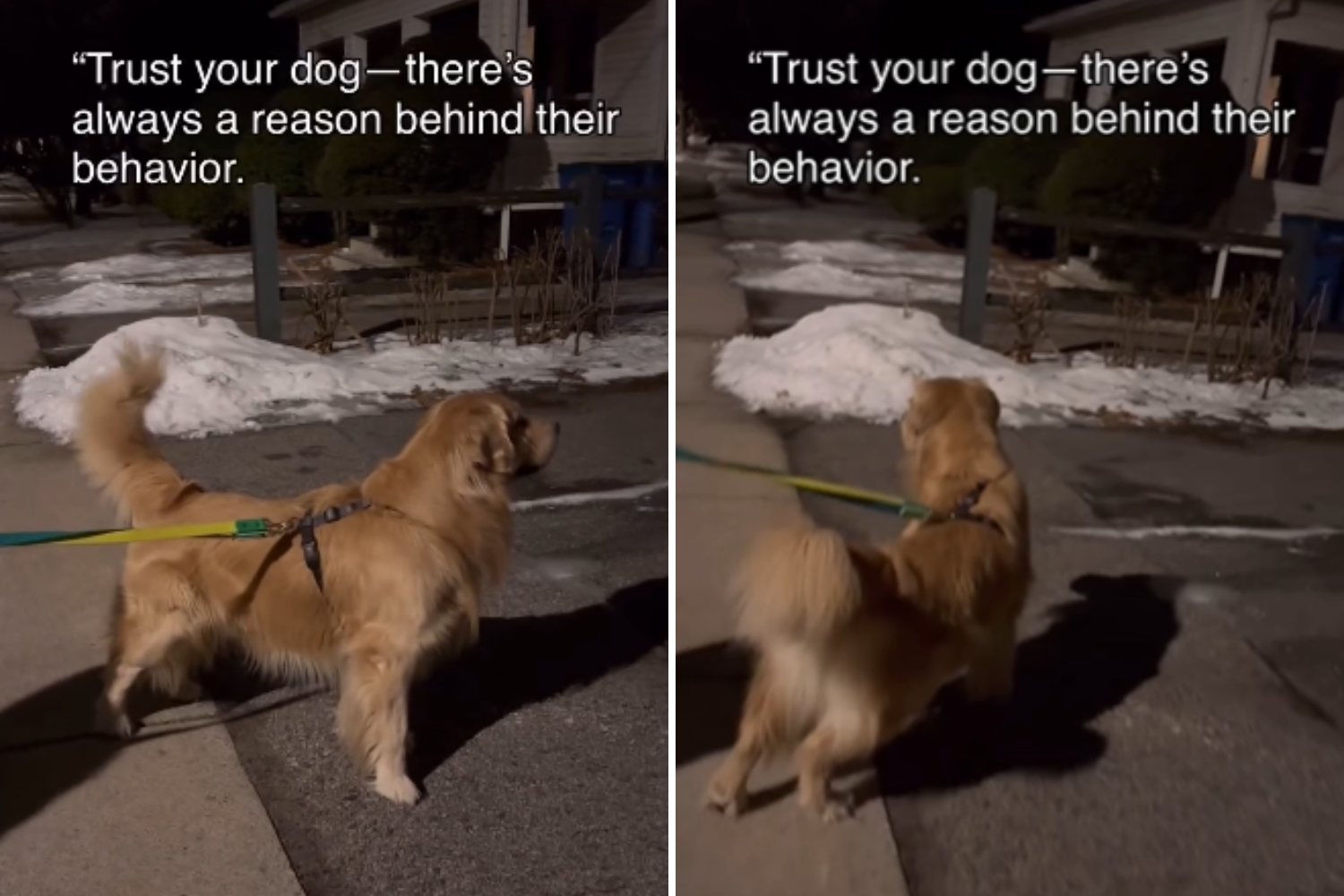
Strange dog behavior can seem puzzling at times. Dogs use actions to tell us how they feel. Watching closely helps us understand their needs. Some behaviors show excitement, fear, or discomfort. Paying attention keeps your dog happy and safe. Trust your pet’s signals and respond kindly.
Every dog is unique, so be patient. Learning about these behaviors builds a stronger bond. Enjoy the journey of knowing your furry friend better. Caring for dogs means respecting their way to communicate.


