
How often should dogs be groomed? If you’re a dog owner, this question probably crosses your mind more than once.
Grooming isn’t just about keeping your furry friend looking good—it’s essential for their health and happiness. But with so many different breeds and coat types, figuring out the right grooming schedule can feel confusing. You’ll discover exactly how often your dog needs grooming, why it matters, and simple tips to make the process easier for both of you.
Keep reading to ensure your dog stays comfortable, clean, and cared for every day.
Credit: www.summitdogandcat.com
Grooming Basics For Dogs
Grooming is an important part of caring for a dog. It helps keep your pet clean and healthy. Regular grooming also allows you to check for any skin problems or parasites. Understanding the basics of dog grooming will help you keep your dog comfortable and happy.
Different dog breeds need different grooming care. Some dogs need more frequent grooming than others. Knowing these basics can make grooming easier for both you and your dog.
Importance Of Regular Grooming
Regular grooming keeps your dog’s coat clean and shiny. It removes dirt, dead hair, and loose fur. Grooming also prevents mats and tangles, which can hurt your dog’s skin.
Checking your dog’s skin during grooming helps find cuts or infections early. Grooming reduces the chance of fleas and ticks. It also helps control shedding, keeping your home cleaner.
Common Grooming Tasks
Brushing is the most common grooming task. It removes loose hair and prevents matting. Bathing helps remove dirt and odors. Use dog-friendly shampoo to protect their skin.
Nail trimming is important to avoid pain and injury. Clean your dog’s ears to prevent infections. Brushing your dog’s teeth supports good oral health.
Factors Influencing Grooming Frequency
Grooming is important for every dog. The right grooming schedule depends on many things. Knowing these factors helps keep your dog clean and healthy. It also makes grooming easier and less stressful. Understanding what affects grooming frequency helps you care for your dog better.
Breed And Coat Type
Different breeds have different coats. Some dogs have short hair, while others have long or curly fur. Long-haired dogs need grooming more often to prevent mats. Curly coats trap dirt and require regular care. Short-haired dogs usually need less grooming but still benefit from brushing. Coat type affects how often you should groom your dog.
Age And Health
Puppies need gentle grooming to get used to it. Older dogs might have sensitive skin or health issues. Dogs with skin problems or allergies need careful grooming. Regular grooming can spot health problems early. Age and health affect how often grooming is safe and comfortable.
Lifestyle And Activity Level
Active dogs that play outside get dirty faster. Dogs who swim or run in mud need more baths. Calm indoor dogs stay cleaner longer. Busy dogs need more frequent grooming to keep their coats healthy. A dog’s daily activities impact how often grooming is needed.
Recommended Grooming Schedules
Dogs need grooming to stay clean and healthy. Grooming helps remove dirt, loose hair, and prevents skin problems. Different types of dogs need grooming at different times. Following a proper schedule keeps your dog comfortable and looking good.
Knowing how often to groom your dog depends on their coat type. Some breeds need frequent grooming. Others need it less often. Let’s explore the recommended grooming schedules for various coat types.
Short-haired Breeds
Short-haired dogs have smooth coats that shed less. Grooming once a month is usually enough. A quick brush helps remove loose fur. Bathing every 6 to 8 weeks keeps their skin clean. Short-haired breeds stay fresh with simple care.
Long-haired Breeds
Long-haired dogs need grooming more often. Brushing every few days prevents tangles and mats. Bathing every 4 to 6 weeks keeps their coat healthy. Regular trims stop hair from becoming too long. Long coats need steady attention to stay neat.
Double-coated Breeds
Double-coated dogs have a thick undercoat and a topcoat. They shed heavily twice a year. Brush them weekly to remove loose fur. During shedding seasons, brush daily if possible. Bathing every 6 to 8 weeks is ideal. This care helps avoid matting and skin issues.
Hairless Breeds
Hairless dogs need special grooming. Their skin can get dry or oily. Bathing every 1 to 2 weeks helps keep skin clean. Use gentle shampoos made for sensitive skin. Moisturize often to avoid dryness. Hairless dogs need more skin care than coat care.

Credit: purrfectgrooming.pet
Signs Your Dog Needs Grooming
Dogs need regular grooming to stay healthy and happy. Sometimes, they cannot tell us when they need help. Watch for clear signs that your dog needs grooming. These signs can help you know the right time to brush, bathe, or trim your dog’s fur.
Matting And Tangles
Knots and mats in your dog’s fur can cause pain. They pull on the skin and make your dog uncomfortable. Mats trap dirt and moisture, leading to skin problems. Regular brushing helps stop mats from forming. Check your dog’s fur often, especially behind ears and under legs.
Skin Irritations
Redness, bumps, or sores on the skin show a need for grooming. Dirt and dead hair can cause irritation. Grooming removes these irritants and soothes the skin. If your dog scratches or licks a lot, it may be itchy. Clean and trim fur can reduce skin problems and help your dog feel better.
Unpleasant Odors
A strong smell from your dog can mean it’s time for a bath. Dirt, oils, and bacteria build up on the skin and fur. This causes bad odors that regular grooming can fix. Bathing and cleaning ears keep your dog smelling fresh. Smell your dog often to catch odors early and keep your pet clean.
Diy Grooming Tips
Grooming your dog at home saves money and builds trust. It also keeps your dog clean and healthy. You do not need special skills, just simple tools and patience. Here are some easy tips for grooming your dog by yourself.
Brushing Techniques
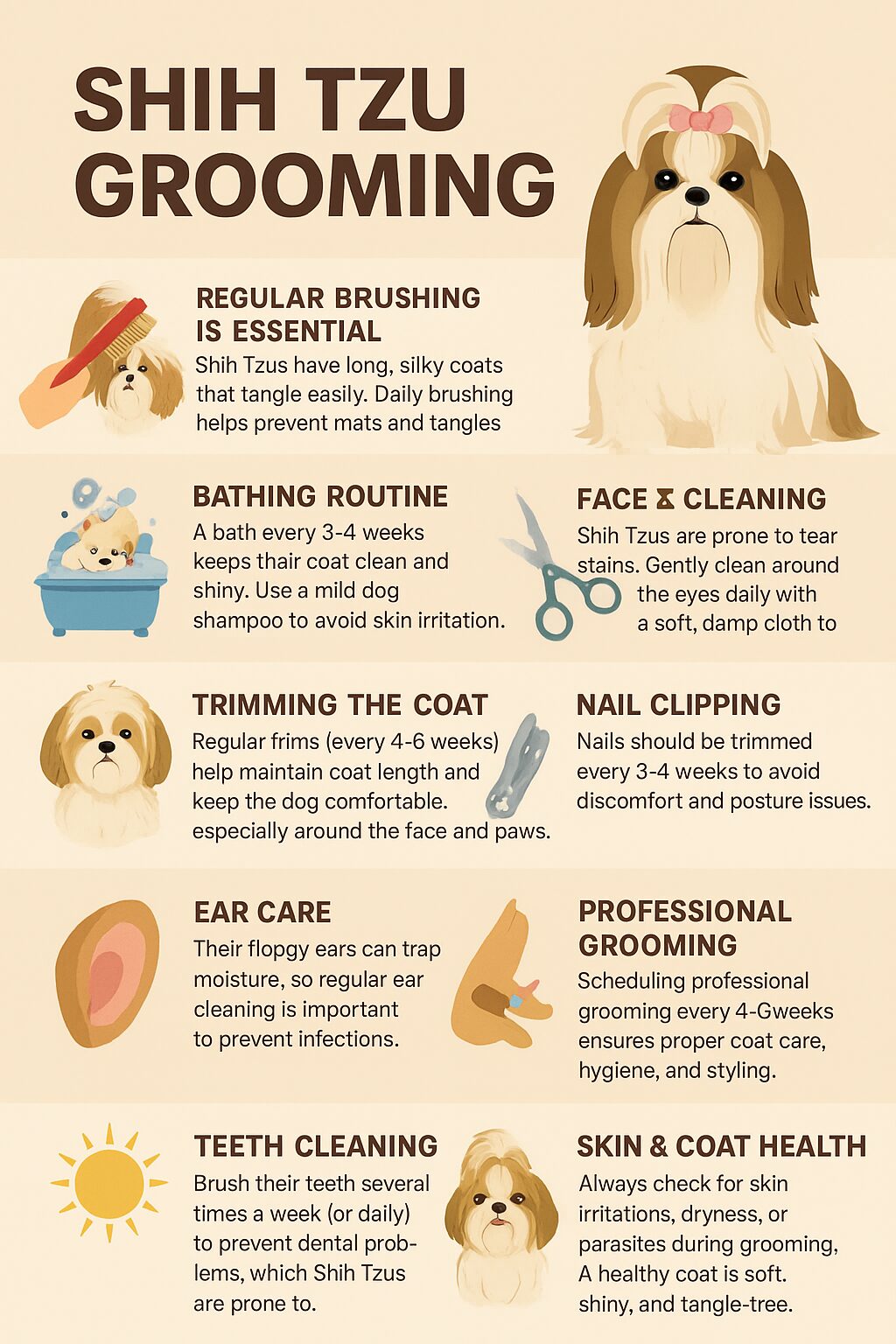
Brushing removes dirt and loose fur. Use a brush suited for your dog’s coat type. Brush gently in the direction of hair growth. Start from the head and move toward the tail. Pay attention to areas behind ears and under legs. Brush your dog regularly to prevent mats and tangles.
Bathing Guidelines
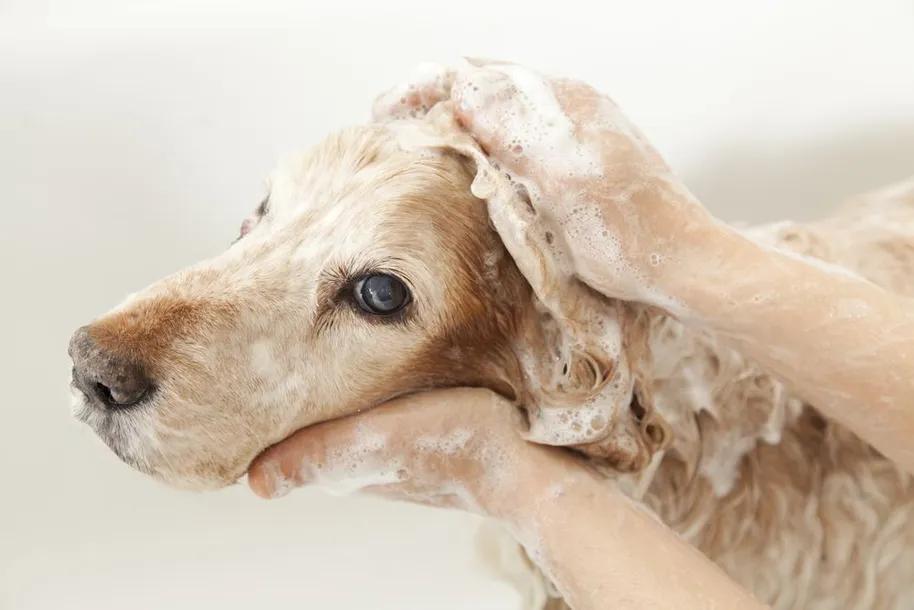
Bath your dog only when needed, about once a month. Use lukewarm water and dog-friendly shampoo. Wet your dog’s coat thoroughly before applying shampoo. Massage shampoo gently into the fur and skin. Rinse well to avoid irritation. Dry your dog with a towel or low heat dryer.
Nail Trimming Basics
Trim nails every 3-4 weeks or when you hear clicking sounds. Use sharp nail clippers designed for dogs. Cut small bits at a time to avoid hitting the quick. The quick is the pink area inside the nail. If unsure, trim less to prevent bleeding. Reward your dog with treats for good behavior.
Credit: brooklynpetspa.com
Professional Grooming Services
Professional grooming services keep your dog healthy and looking great. Groomers do more than just cut hair. They clean ears, trim nails, and check for skin problems. Regular visits help catch health issues early. This care supports your dog’s comfort and happiness.
When To Visit A Groomer
Visit a groomer every 4 to 8 weeks. Dogs with thick or long fur may need visits more often. Short-haired dogs can go longer between appointments. Watch for mats, bad smells, or dirty ears. These signs mean it is time for grooming.
Choosing The Right Groomer
Pick a groomer with good reviews and experience. Ask about their methods and tools. A kind groomer helps your dog feel safe. Check if they can handle your dog’s breed and size. Personal recommendations can guide you to trusted groomers.
Cost Considerations
Grooming costs vary by size, breed, and services. Basic grooming costs less than full-service packages. Some groomers charge extra for nail trimming or teeth cleaning. Set a budget but remember quality care matters most. Regular grooming saves money by preventing health problems.
Health Benefits Of Grooming
Grooming does more than keep your dog looking nice. It helps keep your dog healthy and happy. Regular grooming can stop many problems before they start. It also makes your dog feel better every day.
Preventing Parasites
Grooming helps find fleas, ticks, and other bugs early. These parasites cause itching and skin problems. Brushing and bathing your dog remove these pests. This protects your dog from infections and diseases.
Early Detection Of Health Issues
While grooming, you can spot lumps, bumps, or wounds. Early signs of illness become visible on the skin. Detecting problems early means quicker treatment. Your dog stays healthier and avoids pain.
Improved Comfort And Appearance
Grooming removes dirt, mats, and dead hair. This makes your dog feel clean and comfortable. A neat coat also stops skin irritation. Your dog looks better and feels happier every day.
Frequently Asked Questions
How Often Should Short-haired Dogs Be Groomed?
Short-haired dogs generally need grooming every 6 to 8 weeks. Regular brushing removes loose hair and keeps their coat healthy. Bathing should be done monthly or as needed to maintain cleanliness without drying out their skin.
When Is The Best Time To Groom A Puppy?
Puppies should start grooming early, around 8 weeks old. Early grooming helps them get used to the process. Regular brushing and gentle baths prepare them for future grooming sessions and promote good coat health.
How Does Breed Affect Grooming Frequency?
Different breeds have unique grooming needs. Long-haired breeds require grooming every 4 to 6 weeks. Short-haired breeds need grooming less frequently, around every 6 to 8 weeks. Understanding your dog’s breed helps set the right grooming schedule.
Can Grooming Prevent Health Issues In Dogs?
Yes, regular grooming helps detect skin problems early. It prevents mats, infections, and parasites like ticks and fleas. Grooming also promotes better hygiene and overall health for your dog.
Conclusion
Regular grooming keeps dogs healthy and happy. Different breeds need grooming at different times. Short-haired dogs may need less frequent care. Long-haired dogs require more attention to avoid mats. Watch your dog’s coat and skin for signs. Clean ears and trimmed nails are part of grooming.
Grooming also helps spot health problems early. Set a grooming routine that fits your dog’s needs. Consistent care improves comfort and reduces shedding. Healthy dogs feel better and stay active longer. Keep grooming simple and stress-free for best results.


