Are you wondering how to crate train your older dog without stress or frustration? You might think crate training is only for puppies, but it’s never too late to teach your furry friend this helpful skill.
Imagine having a safe space your dog loves—a spot where they feel calm and secure. You’ll discover simple, proven steps to make crate training easy and enjoyable for both you and your dog. Keep reading to unlock the secrets to a happier, more relaxed pet and a more peaceful home.

Credit: www.diggs.pet
Benefits Of Crate Training Older Dogs
Crate training an older dog has many benefits. It helps create a safe space for your pet. Older dogs can feel confused or stressed with new routines. A crate gives them a quiet place to relax and feel secure. It also helps manage their behavior and reduce anxiety. Many owners find crate training useful for both the dog and themselves.
Safety And Comfort
A crate acts as a cozy den for your older dog. It keeps them safe from household dangers. Sharp objects, stairs, or busy areas can be risky. Inside the crate, your dog can rest without worry. This space becomes their personal comfort zone. They learn to associate the crate with calm and peace.
Reducing Anxiety
Older dogs often feel anxious in new settings. Crate training helps lower their stress levels. The crate provides a familiar spot where they feel calm. It can reduce fear during loud noises or visits. Having a private place helps your dog stay relaxed. Over time, this lowers their overall anxiety.
Managing Behavior
Crate training helps control unwanted behaviors. It prevents chewing on furniture or accidents inside the house. Your dog learns to hold their bladder and wait patiently. The crate teaches boundaries and good habits. This structure helps older dogs feel secure and well-behaved. It also makes daily routines easier for both of you.
Credit: www.hillspet.com.au
Choosing The Right Crate
Choosing the right crate is key to successful training for an older dog. The crate should feel safe and comfortable. It must meet your dog’s size and personality needs. This helps your dog accept the crate faster. A good crate makes the training less stressful and more effective.
Crate Size And Type
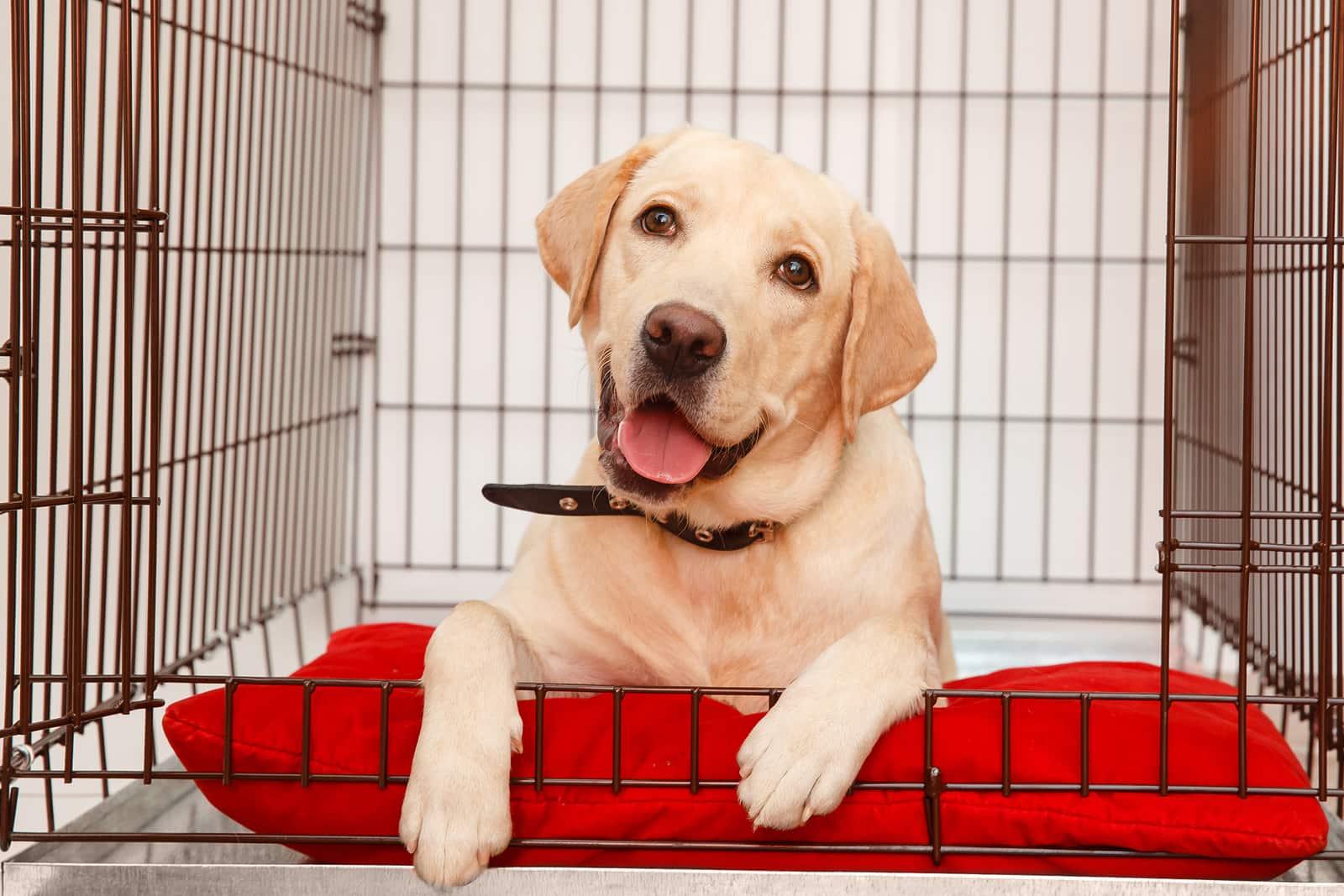
The crate size must allow your dog to stand, turn, and lie down. Too small crates cause discomfort and stress. Too big crates can encourage accidents. Choose a crate that fits your dog’s current size. Consider your dog’s breed and weight. Some dogs prefer soft-sided crates. Others feel safer in metal crates. Pick a crate type that matches your dog’s comfort and security needs.
Location Matters
Place the crate in a quiet but not isolated spot. Your dog should see family members from the crate. This reduces anxiety and loneliness. Avoid noisy or busy areas like kitchens or near loud machines. A calm, familiar place helps your dog relax. Keep the crate away from direct sunlight or drafts. Comfort boosts your dog’s trust in the crate.
Preparing Your Dog For The Crate
Preparing your dog for the crate is a key step in crate training. Older dogs may feel unsure about a new space. Patience and care help them adjust. Creating a positive experience makes the crate inviting. This section covers how to introduce the crate gently and keep your dog interested.
Introducing The Crate Slowly
Place the crate in a quiet room where your dog spends time. Leave the door open at first. Let your dog explore it on their own. Do not force your dog inside. Sit near the crate and talk softly. This builds trust and reduces fear. Gradually, encourage your dog to enter by placing treats inside. Close the door for a few seconds once your dog is comfortable. Increase time slowly while staying calm and patient.
Using Treats And Toys
Treats and toys create a happy link to the crate. Use your dog’s favorite treats to guide them inside. Hide treats at different spots inside the crate. Offer a special toy only when your dog is in the crate. This makes the crate a fun place. Praise your dog gently after they enter. Keep sessions short and positive. This helps your dog look forward to crate time.
Step-by-step Crate Training Process
Crate training an older dog requires patience and a clear plan. The process helps your dog feel safe and comfortable in the crate. Follow these steps to make crate training effective and stress-free.
Short Initial Sessions
Start with very short crate sessions. Let your dog explore the crate without pressure. Use treats to create positive feelings. Close the door for just a few minutes. Stay near your dog to offer comfort. Repeat this several times a day.
Gradually Increasing Time
Slowly increase the time your dog spends inside. Add a few minutes every day. Watch for signs of stress or discomfort. Keep sessions calm and positive. Offer treats or toys inside the crate. This helps your dog enjoy the space more.
Staying Consistent
Consistency is key to crate training success. Use the crate at the same times daily. Make crate time part of your dog’s routine. Always use the same commands or cues. Avoid using the crate as punishment. Consistency builds trust and comfort over time.
Handling Common Challenges
Crate training an older dog can come with some challenges. These hurdles may test your patience but are not impossible to overcome. Understanding these common issues helps you stay calm and consistent. Here are ways to handle typical problems during crate training.
Dealing With Whining And Barking
Whining and barking often mean your dog feels uncomfortable or lonely. Avoid letting your dog out while whining. This teaches that noise leads to freedom. Instead, wait for quiet moments to open the crate door. Offer praise and treats when your dog stays calm. Use a calm voice to soothe your pet. Sometimes, soft music or a favorite toy inside the crate helps too.
Managing Resistance
Resistance to the crate is common with older dogs. Start slow and keep crate time short. Use treats to create positive feelings about the crate. Never force your dog inside. Let your dog explore the crate at its own pace. Keep the crate in a busy area to reduce fear. Patience and gentle encouragement work best here.
Addressing Separation Anxiety
Separation anxiety can cause distress when crated alone. Begin by leaving the dog in the crate for a few minutes. Gradually increase the time as your dog gets used to it. Avoid dramatic goodbyes or greetings. Provide toys to keep your dog busy. Consider using calming sprays or pads if anxiety is strong. Consult a vet if anxiety continues to worsen.
Maintaining Crate Training Long-term
Maintaining crate training long-term is important for your dog’s comfort and safety. It helps your dog see the crate as a safe space. Consistent use keeps the training strong and reduces stress for your pet. The crate should feel like a cozy den, not a punishment.
Regular Crate Use
Use the crate daily to keep your dog familiar with it. Short periods of crate time work best. Let your dog rest or nap inside. Avoid using the crate only for punishment. Make crate time part of your dog’s routine.
Bring your dog to the crate before leaving the house. This helps them stay calm and relaxed. Praise your dog for entering the crate. It builds a positive connection with the space.
Keeping The Crate Inviting
Make the crate a welcoming place with soft bedding. Add favorite toys or chews for comfort. Keep the crate clean and fresh. A pleasant smell invites your dog to rest there.
Change toys regularly to keep your dog interested. Avoid overcrowding the crate with too many items. The right balance makes the crate cozy and enjoyable. This encourages your dog to use the crate happily.
When To Seek Professional Help
Crate training an older dog can be a challenge. Sometimes, the process may not go as planned. Knowing when to seek professional help can save time and reduce stress. Experts can offer guidance tailored to your dog’s needs.
Signs Your Dog Needs Professional Help
Your dog shows extreme fear or anxiety near the crate. They may bark nonstop, try to escape, or refuse to enter. These behaviors can signal deeper issues. Persistent accidents inside the crate also suggest a problem.
Benefits Of Consulting A Trainer Or Behaviorist
Professionals know how to handle older dogs with past trauma. They create safe, step-by-step training plans. Trainers teach you techniques to build trust and comfort. A behaviorist can identify underlying fears or medical problems.
Choosing The Right Professional
Look for certified trainers or licensed behaviorists. Ask about their experience with older dogs. Choose someone patient and understanding. A good professional listens and adapts methods to your dog’s personality.
Credit: k9basics.com
Frequently Asked Questions
How Long Does Crate Training Take For Older Dogs?
Crate training duration varies by dog but usually takes 1 to 3 weeks. Consistency and patience speed up progress. Older dogs may need extra encouragement and positive reinforcement.
Can Older Dogs Learn To Love Their Crate?
Yes, older dogs can learn to enjoy their crate. Gradual introduction and positive rewards make the crate a safe, comfortable space.
What Are The Best Crate Training Tips For Senior Dogs?
Use treats, praise, and short sessions to build comfort. Avoid forcing your dog and keep the crate cozy with blankets or toys.
How Do I Stop My Older Dog From Whining In The Crate?
Ignore whining initially to avoid reinforcing it. Ensure the crate is comfortable and provide breaks. Reward calm, quiet behavior to encourage silence.
Conclusion
Crate training an older dog takes time and patience. Start slow and stay consistent each day. Use treats and praise to encourage good behavior. Keep the crate a safe, calm space for your dog. Expect some setbacks but don’t give up easily.
Your dog will learn to enjoy their crate. This training helps with safety and comfort at home. Small steps lead to big progress over time. Trust the process and enjoy the bond you build.