

If you have a Pitbull or are thinking about getting one, understanding their behavior is key to building a strong bond. You might have heard mixed things about Pitbulls, but what’s really true?
Knowing how your Pitbull thinks and acts can help you keep them happy and well-behaved. You’ll discover the real traits of Pitbull dogs and how you can connect with your furry friend like never before. Keep reading to unlock the secrets behind Pitbull dog behavior and make your relationship even better.
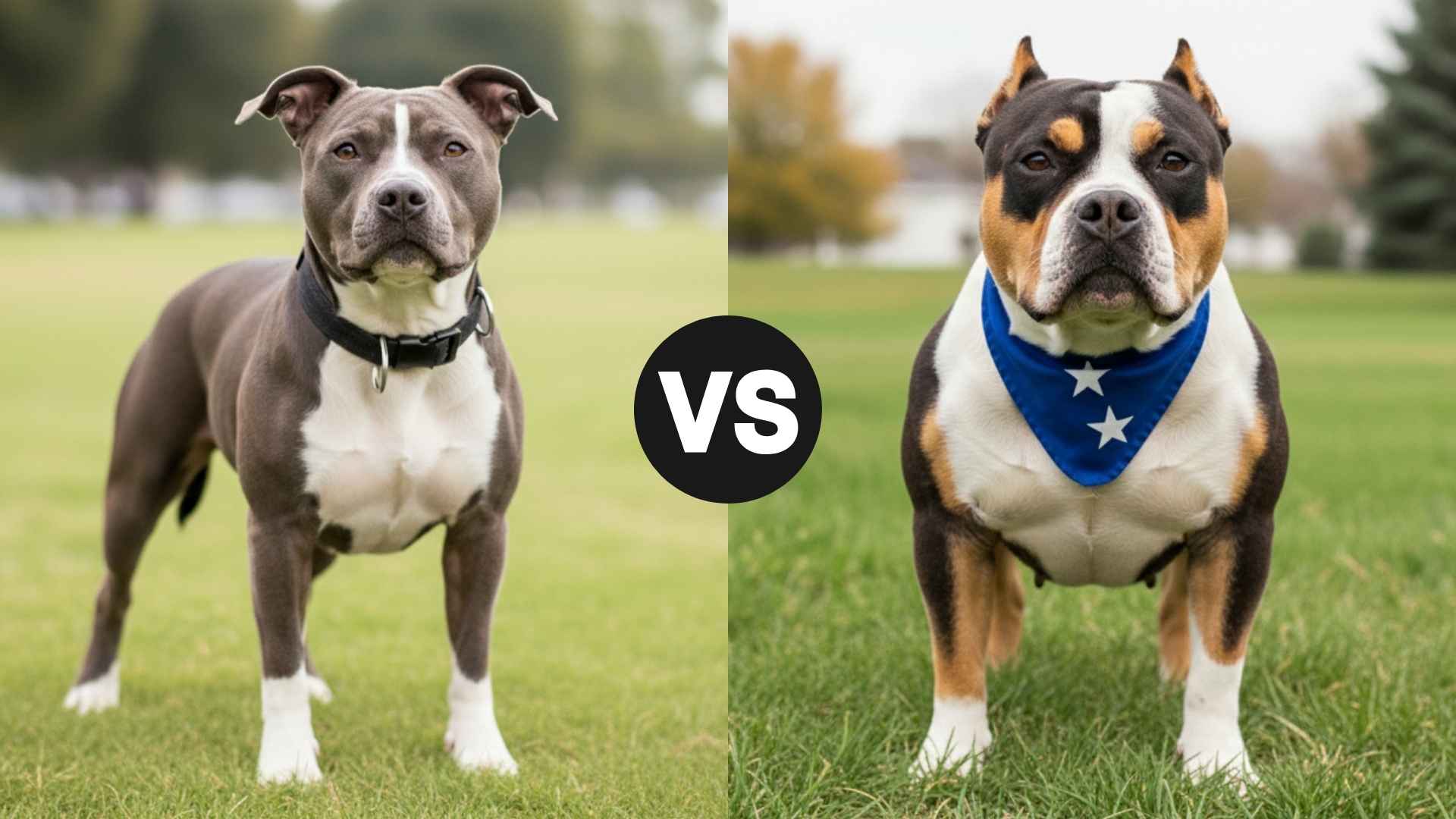
Credit: worldanimalfoundation.org
Pitbull Temperament
The temperament of a Pitbull is often misunderstood. Many think these dogs are aggressive, but their true nature is quite different. Pitbulls are known for being loyal and loving pets. They show great affection to their families and enjoy human company. Understanding their temperament helps owners build a strong bond with their dogs.
Common Personality Traits
Pitbulls are confident and brave dogs. They are friendly and eager to please people. These dogs are intelligent and learn commands quickly. Many Pitbulls show a strong desire to be close to their owners. They are also gentle and patient, especially with children. Some can be stubborn, requiring consistent training.
Social Behavior
Pitbulls like meeting new people and other animals. Early socialization helps them behave well around others. They can be protective of their family and home. Proper training reduces any signs of aggression. Pitbulls enjoy playing and interacting with family members. They rarely shy away from friendly dogs and pets.
Energy Levels
Pitbulls have high energy and need daily exercise. Running, walking, and playtime keep them happy and healthy. Without enough activity, they may become bored and restless. Active owners suit Pitbulls best. These dogs love games that challenge their minds and bodies.

Credit: www.onegreenplanet.org
Communication Styles
Pitbulls communicate in many ways beyond just barking. Their communication style includes body language, sounds, and subtle signs. Understanding these helps build trust and a stronger bond.
Body Language
Pitbulls use their bodies to express feelings. A wagging tail can show happiness or excitement. Ears standing up may mean alertness or curiosity. Relaxed muscles and a soft gaze often show contentment. Stiff posture or raised hackles warn of discomfort or threat. Watching these signals helps understand what your dog feels.
Vocalizations
Pitbulls use different sounds to communicate. Barking can mean alert, play, or stress. Growling warns of discomfort or danger. Whining often shows need or anxiety. Howling might express loneliness or call attention. Listening to these sounds gives clues about their mood.
Signs Of Stress
Stress signs in pitbulls are often subtle. Panting even without heat or exercise can mean stress. Yawning or licking lips frequently shows nervousness. Avoiding eye contact or turning the head signals discomfort. Pacing or trembling also indicates anxiety. Recognizing stress helps to calm your dog quickly.
Training Challenges
Training a Pitbull can be rewarding but comes with unique challenges. These dogs are strong-willed and energetic. They need clear guidance and patience. Understanding common training issues helps improve your approach. Motivation and consistency play key roles in their learning process.
Common Behavioral Issues
Pitbulls may show stubbornness during training sessions. They sometimes display aggression toward other dogs. Excessive barking and chewing can also be problems. Lack of socialization often leads to fear or anxiety. These behaviors require careful attention and correction.
Motivation Techniques
Positive reinforcement works best with Pitbulls. Use treats, praise, and toys as rewards. Short training sessions keep their focus sharp. Avoid harsh punishment; it can cause fear. Building trust encourages cooperation and eagerness to learn.
Consistency Importance
Consistency creates clear rules for Pitbulls to follow. Everyone in the family must use the same commands. Regular training times build good habits. Inconsistent signals confuse the dog and slow progress. Patience and steady effort lead to lasting behavior change.
Positive Reinforcement
Positive reinforcement is a gentle and effective way to train Pitbulls. It helps build trust and good behavior. This method rewards the dog for doing something right. It encourages them to repeat that behavior more often.
Using positive reinforcement creates a happy learning environment. It strengthens the bond between you and your Pitbull. The dog learns what you want without fear or stress.
Reward-based Methods
Reward-based training uses treats, praise, or toys. These rewards come immediately after the desired action. Treats work well because dogs love food. Verbal praise and petting also motivate Pitbulls.
Choose rewards your dog likes most. Use small, tasty treats for quick learning. Change rewards sometimes to keep your dog interested.
Timing And Patience
Timing is key in positive reinforcement. Give the reward right after the good behavior. Delays confuse the dog and weaken learning.
Patience is important too. Some behaviors take time to learn. Practice often and stay calm. Your Pitbull will understand with consistent effort.
Avoiding Punishment
Avoid punishment during training. Harsh words or actions can scare your dog. Fear harms trust and slows progress.
Focus on what you want your Pitbull to do. Reward good behavior instead of punishing mistakes. This approach helps your dog feel safe and eager to learn.
Socialization Tips
Socialization is key to raising a well-behaved Pitbull. It helps them grow confident and calm. Early and regular social experiences reduce fear and aggression. This section shares simple tips for socializing your Pitbull with dogs, people, and places.
Introducing To Other Dogs
Start with calm and friendly dogs. Choose a quiet, neutral place for introductions. Keep your Pitbull on a leash but loose enough to move. Watch body language closely. If signs of stress appear, separate and try again later. Short, positive meetings build good habits. Praise your dog for calm behavior around others.
Meeting New People
Expose your Pitbull to different people gently. Include adults, children, and people wearing hats or glasses. Let your dog approach at its own pace. Avoid forcing contact. Use treats and soft words to create a positive feeling. This helps your dog trust strangers. Regular meetings make your Pitbull more friendly and relaxed.
Exposure To Environments
Take your Pitbull to various places often. Parks, busy streets, and pet stores are good spots. Change the routine to keep your dog curious and alert. Keep your dog safe with a leash and watch for hazards. Praise calm behavior in new settings. This training builds confidence and reduces anxiety in your dog.

Credit: wildearth.com
Exercise Needs
Pitbulls are active dogs that need regular exercise. Exercise helps them stay healthy and happy. Without enough activity, they may become bored or restless. This can lead to unwanted behaviors. Understanding their exercise needs is key to a well-behaved pitbull.
Daily Activity Recommendations
Pitbulls require at least one hour of exercise every day. Walks, runs, and playtime are great options. Break the exercise into two or three sessions. This keeps your dog energized and engaged. Avoid intense activity in hot weather to prevent overheating.
Mental Stimulation
Exercise is not only physical but also mental. Puzzle toys and training sessions challenge their minds. Teaching new commands or tricks keeps them sharp. Mental work tires a pitbull just like physical play. A tired mind means a calm dog.
Preventing Destructive Behavior
Without enough exercise, pitbulls may chew or dig. These behaviors are signs of boredom or excess energy. Regular physical and mental activity reduces these problems. Give your dog plenty of outlets for energy. This creates a happier and safer home.
Health And Behavior Link
The health of a Pitbull plays a big role in its behavior. A dog that feels good acts differently from one in pain or discomfort. Health problems can change how a Pitbull behaves around people and other animals. Understanding this link helps owners care better for their pets.
Common Health Issues
Pitbulls can face health problems like hip dysplasia and allergies. These conditions cause pain and stress. Skin infections and joint problems also affect their daily life. Ignoring these issues can lead to changes in mood and activity.
Impact On Temperament
Health problems often make Pitbulls more irritable or shy. Pain can cause them to avoid play or socializing. They might growl or snap if hurt. A healthy dog is usually more calm and friendly.
Regular Vet Visits
Regular check-ups catch health problems early. Vets can spot signs owners may miss. Timely treatment helps keep a Pitbull happy and well-behaved. Routine care includes vaccinations, dental checks, and weight control.
Frequently Asked Questions
What Is Typical Pitbull Dog Behavior?
Pitbulls are loyal, energetic, and affectionate dogs. They enjoy social interaction and thrive with proper training and exercise. Early socialization helps reduce aggression and promotes friendly behavior. Pitbulls are intelligent and eager to please, making them responsive to consistent guidance.
Are Pitbulls Naturally Aggressive Dogs?
Pitbulls are not naturally aggressive. Aggression often results from poor training or neglect. With positive socialization and care, they are friendly and trustworthy. They respond well to firm, loving leadership and can be gentle family companions.
How Do Pitbulls Behave Around Children?
Pitbulls are generally good with children when properly trained. They are protective, playful, and patient companions. Supervised interactions ensure safety and foster positive relationships. Early socialization helps Pitbulls adapt well to family life.
Can Pitbulls Get Along With Other Pets?
Yes, Pitbulls can coexist peacefully with other pets. Early socialization and gradual introductions are key. Proper training helps minimize territorial behavior. Many Pitbulls enjoy the company of other dogs and animals when raised together.
Conclusion
Pitbulls are loving and loyal dogs. They need proper training and care. Socializing them early helps reduce aggressive behavior. Patience and consistency build trust with your dog. Understanding their nature leads to a happy relationship. Treat them with kindness and respect every day.
Each pitbull has a unique personality to discover. Good behavior comes from good guidance and love. Keep learning about pitbull behavior for better care. A well-trained pitbull makes a wonderful companion.

