Have you ever noticed your dog acting in a way that just doesn’t make sense? Maybe they’re suddenly spinning in circles, barking at nothing, or hiding in strange places.
These odd behaviors can be confusing and even worrying for you as a pet owner. But what if understanding these strange actions could help you connect with your furry friend on a deeper level? You’ll discover why your dog might be behaving oddly and what you can do to help.
Keep reading—your dog’s surprising behavior might have a simple explanation that changes how you see them forever.
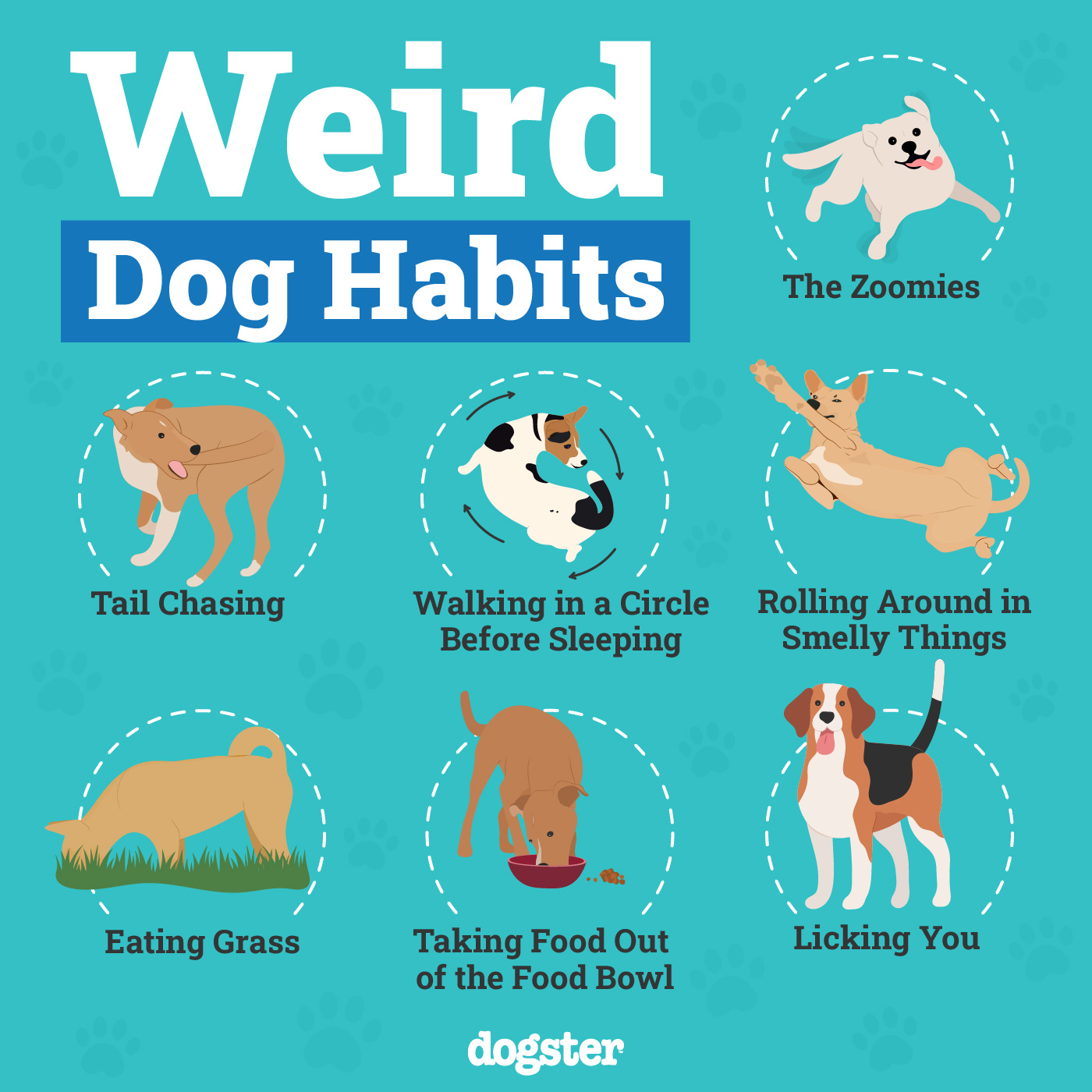
Credit: www.dogster.com
Common Strange Behaviors
Dogs sometimes act in ways that seem odd or hard to understand. These strange behaviors can confuse owners. Knowing common strange behaviors helps in caring for your dog better.
These actions might show your dog is stressed, scared, or not feeling well. Paying attention to these signs is important for your dog’s health and happiness.
Excessive Barking
Dogs bark to communicate. But too much barking can signal a problem. It might mean boredom, fear, or anxiety. Sometimes, dogs bark because they want attention or feel lonely. Watching when and why your dog barks helps find the cause.
Sudden Aggression
A friendly dog may suddenly growl or snap. This change can surprise owners. Sudden aggression may come from pain or fear. It can also be a sign of illness or stress. Knowing your dog’s normal behavior helps spot these changes early.
Compulsive Actions
Some dogs repeat certain actions again and again. This could be licking, tail chasing, or pacing. These compulsive actions often point to stress or anxiety. They can also mean boredom or a medical issue. Getting advice from a vet can help manage these behaviors.
Unusual Sleeping Patterns
Dogs usually sleep a lot, but changes in sleep can be strange. Some dogs sleep too little or too much. Others wake up often during the night. Unusual sleeping patterns might show health problems or stress. Watching your dog’s sleep helps catch these signs early.
Medical Causes
Strange behavior in dogs can sometimes point to medical problems. These issues affect your dog’s health and mood. Understanding these medical causes helps you spot problems early. Acting fast can improve your dog’s life and comfort.
Neurological Issues
Neurological problems affect the brain and nerves. Dogs may act confused or lose balance. Seizures and twitching are common signs. These issues need a vet’s attention quickly. Early care can prevent serious damage.
Pain And Discomfort
Pain changes how dogs behave. They may hide, growl, or avoid touch. Injuries or arthritis often cause discomfort. Watch for limping or restlessness. Treating pain helps your dog feel safe again.
Hormonal Imbalances
Hormones control many body functions. Imbalances can cause mood swings or aggression. Dogs might drink or pee more than usual. Thyroid problems are a common cause. A vet can diagnose and treat hormone issues.
Nutritional Deficiencies
Poor diet can lead to strange behavior. Lack of vitamins affects brain and body health. Dogs may seem tired or act oddly. Feeding balanced food supports good health. Supplements might be needed after vet advice.
Environmental Triggers
Dogs often show strange behavior due to changes in their environment. These triggers can confuse or stress them. Understanding these triggers helps owners provide better care and comfort. Dogs rely on stable surroundings to feel safe and happy. Sudden changes can make them anxious or restless.
Changes In Surroundings
A move to a new house or rearranging furniture can upset dogs. They feel lost without familiar sights and smells. This confusion may cause hiding, barking, or pacing. Dogs need time to adjust to new spaces. Gentle reassurance helps them feel secure again.
Loud Noises
Loud sounds like fireworks, thunder, or construction can frighten dogs. Their sensitive hearing makes these noises overwhelming. Fear may cause trembling, whining, or trying to escape. Safe, quiet places offer relief during noisy events. Owners should stay calm to help their pets relax.
New Pets Or People
Introducing new animals or visitors can disturb a dog’s routine. Dogs may feel threatened or unsure about strangers. This can lead to growling, hiding, or aggression. Slow introductions and positive experiences build trust. Dogs learn to accept new friends with patience.
Lack Of Stimulation
Dogs need mental and physical activity daily. Boredom can trigger odd behaviors like chewing or barking. Without enough exercise, they feel restless and unhappy. Regular walks, playtime, and toys keep dogs engaged. A busy dog is usually a calm and content dog.
Emotional Factors
Dogs show strange behavior for many reasons. Emotional factors play a big role. Dogs feel emotions just like people. Their feelings affect how they act every day.
Understanding these feelings helps us care for dogs better. It also helps solve odd behavior problems. Here are some common emotional reasons behind strange actions.
Anxiety And Stress
Anxiety makes dogs nervous and restless. They may bark or pace a lot. Stress comes from changes or loud noises. Dogs might hide or chew things. These signs show they need comfort and calm.
Fear Responses
Fear causes dogs to act oddly. They may freeze or run away. Some growl or snap to protect themselves. Fear can come from new places or people. Knowing their fears helps prevent bad reactions.
Separation Distress
Dogs feel upset when left alone. They may howl or destroy items. This shows separation distress or loneliness. Dogs need routines and safe spaces. It helps them feel secure and less anxious.
Attention-seeking
Dogs want to be noticed by owners. Strange acts like jumping or barking ask for attention. They learn this gets a reaction. Giving them love and playtime reduces these behaviors.
Behavioral Solutions
Behavioral problems in dogs can be confusing for owners. Strange actions may signal stress, fear, or boredom. Solutions often involve changing how you interact with your dog. Small changes can lead to big improvements in behavior.
Consistency and patience are key. Understanding your dog’s needs helps build a stronger bond. This section covers practical ways to help your dog behave better.
Training Techniques
Training helps dogs learn what is okay and what is not. Use clear commands and keep sessions short. Practice regularly to reinforce good habits. Avoid punishment; it can cause fear and worsen behavior. Teach basic commands like sit, stay, and come first.
Positive Reinforcement
Reward good behavior with treats, praise, or play. Positive reinforcement motivates dogs to repeat actions. Ignore bad behavior instead of punishing it. This approach builds trust and encourages learning. Always reward immediately to link action and reward clearly.
Routine Establishment
Dogs thrive on routine. Set fixed times for feeding, walks, and play. A steady schedule reduces anxiety and confusion. Predictable routines help dogs feel safe and calm. Change routines slowly to avoid stress.
Socialization Tips
Expose your dog to new people, animals, and places early. Socialization reduces fear and aggression. Start with calm, controlled settings. Use positive reinforcement during social interactions. Regular socialization improves your dog’s confidence and behavior.

Credit: unionlakepetservices.com
When To See A Vet
Strange behavior in dogs can be worrying. Knowing when to see a vet helps protect your dog’s health. Some signs are clear, others subtle. Acting early can prevent serious problems. Always trust your instincts about your pet.
Recognizing Warning Signs
Look for sudden changes in behavior. Loss of appetite or energy is one sign. Unusual aggression or fear can mean pain or illness. Repeated shaking, limping, or hiding also signal trouble. Watch for changes in bathroom habits. Vomiting or diarrhea often need vet attention. Strange noises like excessive barking or whining matter too.
Diagnostic Procedures
The vet will start with a physical exam. Blood tests check for infections or organ issues. X-rays or ultrasounds reveal internal problems. Sometimes, stool or urine tests are needed. Your dog’s history helps guide the vet’s choices. Accurate diagnosis is key to proper care.
Treatment Options
Treatment depends on the diagnosis. Medications can relieve pain or fight infection. Surgery may be needed for injuries or tumors. Dietary changes help some health conditions. Behavior therapy can assist with anxiety or fear. Follow the vet’s instructions carefully for best results.
Follow-up Care
Regular check-ups track your dog’s progress. Adjustments to treatment may be necessary. Monitor your dog’s behavior and report changes. Keep a record of symptoms and medication times. Early action helps maintain your dog’s well-being. Stay attentive and patient throughout recovery.
Preventive Measures
Preventive measures help keep your dog healthy and happy. Strange behavior often signals health or emotional issues. Acting early can stop problems from getting worse. Simple daily habits protect your dog’s well-being and peace of mind.
Regular Health Checks
Schedule vet visits at least twice a year. Early detection of illnesses prevents strange behavior. Watch for changes in eating, sleeping, or energy. Regular checks help catch issues before they escalate. Keep vaccinations and parasite control up to date.
Mental Stimulation
Provide puzzles and toys to keep your dog’s mind active. Boredom can cause odd or destructive behavior. Teach new tricks and commands regularly. Mental challenges reduce stress and anxiety. A sharp mind supports better behavior overall.
Safe Environment Setup
Remove hazards from your dog’s living space. A secure area prevents accidents and fear. Use gates or fences to limit access to unsafe zones. Create a quiet, cozy spot for rest. A calm environment helps reduce stress-driven behavior.
Consistent Exercise
Give your dog daily physical activity. Exercise burns excess energy and reduces frustration. Walks, playtime, and runs improve mood and health. Consistent routines provide stability and comfort. Active dogs show fewer signs of strange behavior.

Credit: m.youtube.com
Frequently Asked Questions
Why Do Dogs Exhibit Strange Behavior Suddenly?
Sudden strange behavior in dogs can indicate stress, illness, or environmental changes. It’s essential to observe patterns and consult a vet if needed.
Can Strange Behavior Signal Health Problems In Dogs?
Yes, unusual actions like excessive licking or aggression may signal health issues. Early vet visits help diagnose and treat underlying problems effectively.
How Can I Calm My Dog’s Strange Behavior?
Provide a calm environment, consistent routine, and positive reinforcement. Exercise and mental stimulation also reduce anxiety and improve behavior in dogs.
Are Strange Dog Behaviors Linked To Anxiety?
Many strange behaviors stem from anxiety or fear. Identifying triggers and providing comfort can reduce these behaviors and improve your dog’s well-being.
Conclusion
Strange behavior in dogs can be puzzling and sometimes worrying. Watch your dog closely to understand what they need. Some odd actions might mean your dog feels stressed or sick. Always talk to a vet if unusual behavior lasts long.
Learning about your dog’s habits helps build a stronger bond. Dogs show love in many unique ways. Stay patient and caring as you explore their behavior. Your dog depends on you for comfort and safety. Keep observing, and enjoy the special connection you share.