

Have you ever caught your dog mounting furniture, other pets, or even people and wondered why they do it? This behavior can be confusing and sometimes embarrassing, but understanding what’s behind it can help you respond the right way.
You’ll discover the real reasons dogs mount, what it means for their health and emotions, and simple steps you can take to manage or prevent it. Keep reading to unlock the secrets behind your dog’s mounting behavior and strengthen the bond you share.
Reasons Behind Dog Mounting
Dog mounting is a common behavior seen in many dogs. It can surprise or confuse dog owners. Understanding why dogs mount helps in managing this behavior properly. Dogs mount for several reasons, not just for mating.
Hormonal Influences
Hormones play a big role in dog mounting. Intact dogs, especially males, mount more often. Testosterone increases this behavior. Spaying or neutering can reduce mounting caused by hormones. Some female dogs also mount during their heat cycle.
Social And Dominance Signals
Mounting can show social rank among dogs. It is a way to establish dominance. Dogs use this behavior to communicate who leads. Sometimes it is a sign of respect or control. This helps keep peace in a dog group.
Play And Excitement
Dogs often mount during playtime. It shows excitement or high energy. Puppies and young dogs mount more when they play. This behavior is normal and part of social learning. It usually decreases with age.
Stress And Anxiety Triggers
Some dogs mount when they feel stressed or anxious. It acts like a coping mechanism. Mounting helps them calm down or feel safe. Changes in environment or loud noises can trigger this. Observing patterns helps identify stress-related mounting.
Medical Causes
Mounting may signal health issues in dogs. Urinary tract infections can cause discomfort and mounting. Skin allergies or irritations might also lead to mounting. Some neurological problems increase this behavior. A vet checkup is important to rule out medical causes.
Credit: nativepet.com
Identifying Mounting Behavior
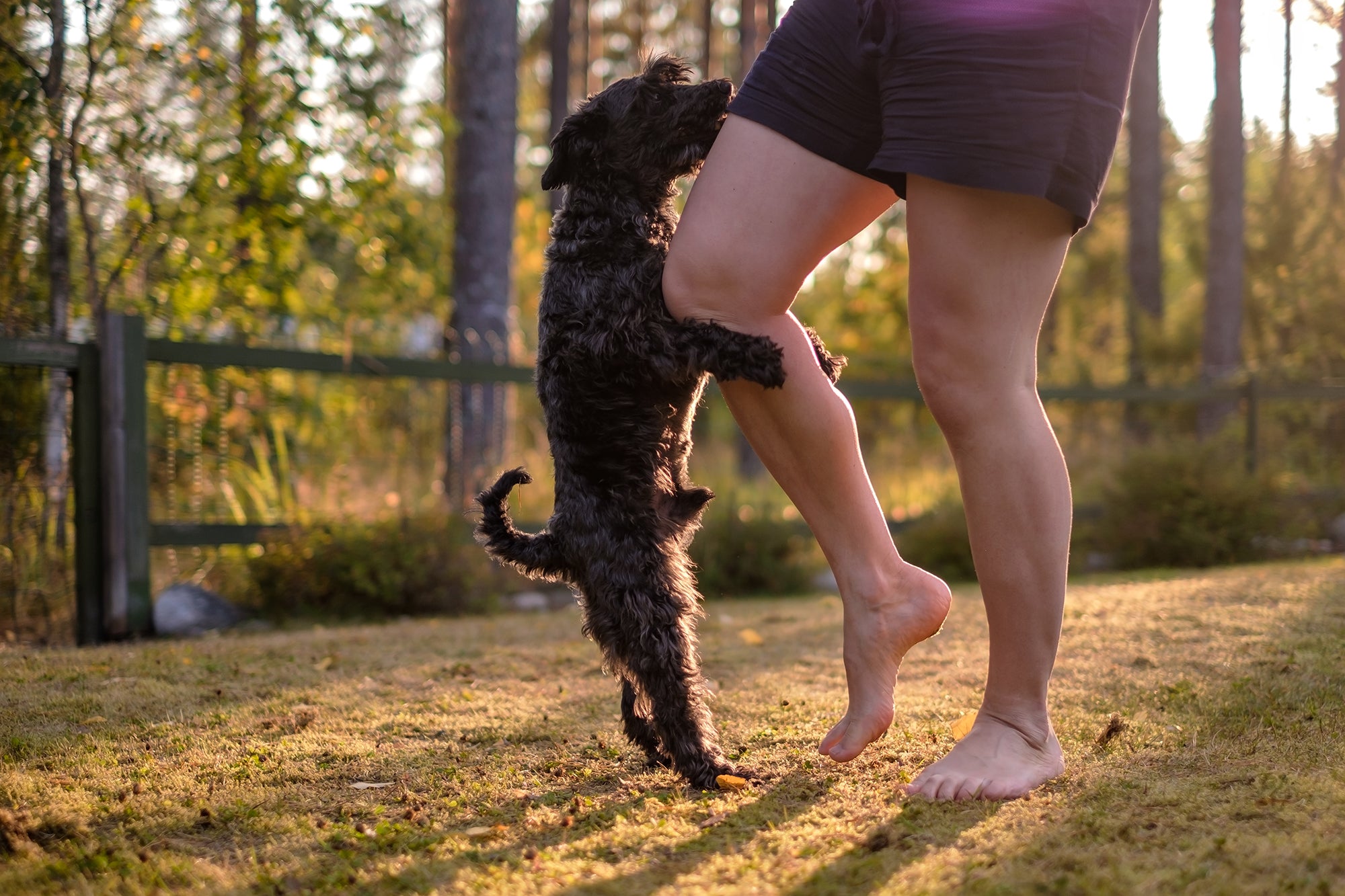
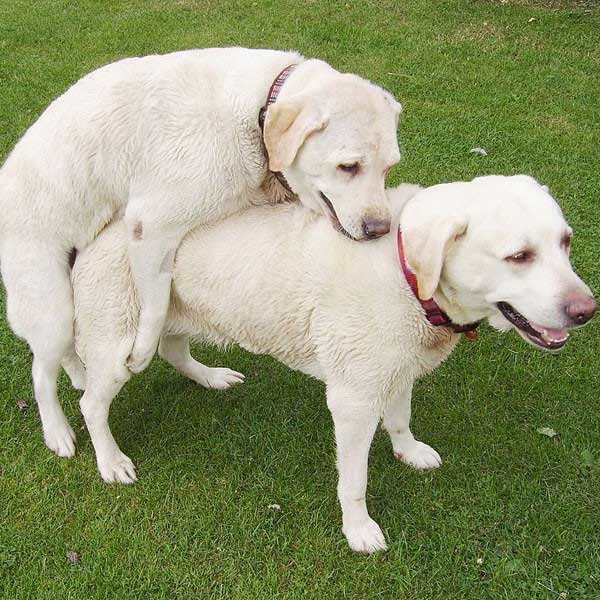
Understanding your dog’s mounting behavior starts with knowing how to spot it. Mounting is when a dog climbs on or tries to ride another dog, object, or person. This behavior can be confusing for owners. It is not always about dominance or mating. Recognizing mounting helps you respond properly and keep your dog calm.
Signs To Watch For
Look for your dog placing its front paws on another dog or object. The dog may try to climb or hold on. Mounting often comes with a stiff body and focused eyes. Sometimes, dogs make humping motions with their hips. Watch if your dog is restless or excited before mounting.
Age And Breed Factors
Puppies often mount during play or learning social rules. Young dogs use mounting to explore their world and test limits. Some breeds are more likely to mount due to strong energy or instincts. Larger breeds may mount to show strength or play. Older dogs may mount less but still do it sometimes.
Contextual Clues
Check what is happening when your dog mounts. Is it during playtime or after meeting new dogs? Sometimes mounting happens when dogs feel nervous or excited. Mounting may also occur to get attention from you or other pets. Notice if your dog calms down after being redirected.
Addressing Mounting In Puppies
Puppy mounting is a common behavior that can confuse many dog owners. It often appears as a way for puppies to explore their world. This action can also show excitement or stress. Addressing mounting early helps prevent problems later.
Training puppies to understand boundaries is key. Teaching them what is okay and what is not helps them grow well. Proper guidance makes their behavior more controlled and calm.
Early Training Techniques
Start training as soon as possible. Use clear commands like “no” or “stop” when your puppy mounts. Reward good behavior with treats or praise. Consistency helps your puppy learn fast. Avoid harsh punishments that can scare or confuse them.
Redirecting Energy
Puppies have lots of energy to burn. Give them toys to chew or play with. Engage them in games like fetch or tug-of-war. This keeps their mind busy and reduces mounting. Regular exercise helps lower stress and excitement.
Socialization Tips
Introduce your puppy to other dogs early. Watch their play and step in if mounting starts. Teach your puppy to respect other dogs’ space. Social skills help reduce mounting in group settings. Positive experiences build good habits and confidence.
Credit: www.exercise4pets.co.uk
Managing Adult Dog Mounting
Managing adult dog mounting is important for a peaceful home and happy pets. Mounting can cause stress for both dogs and owners. Understanding how to control this behavior helps reduce tension. Consistent training and patience are key to success.
Behavioral Modification Strategies
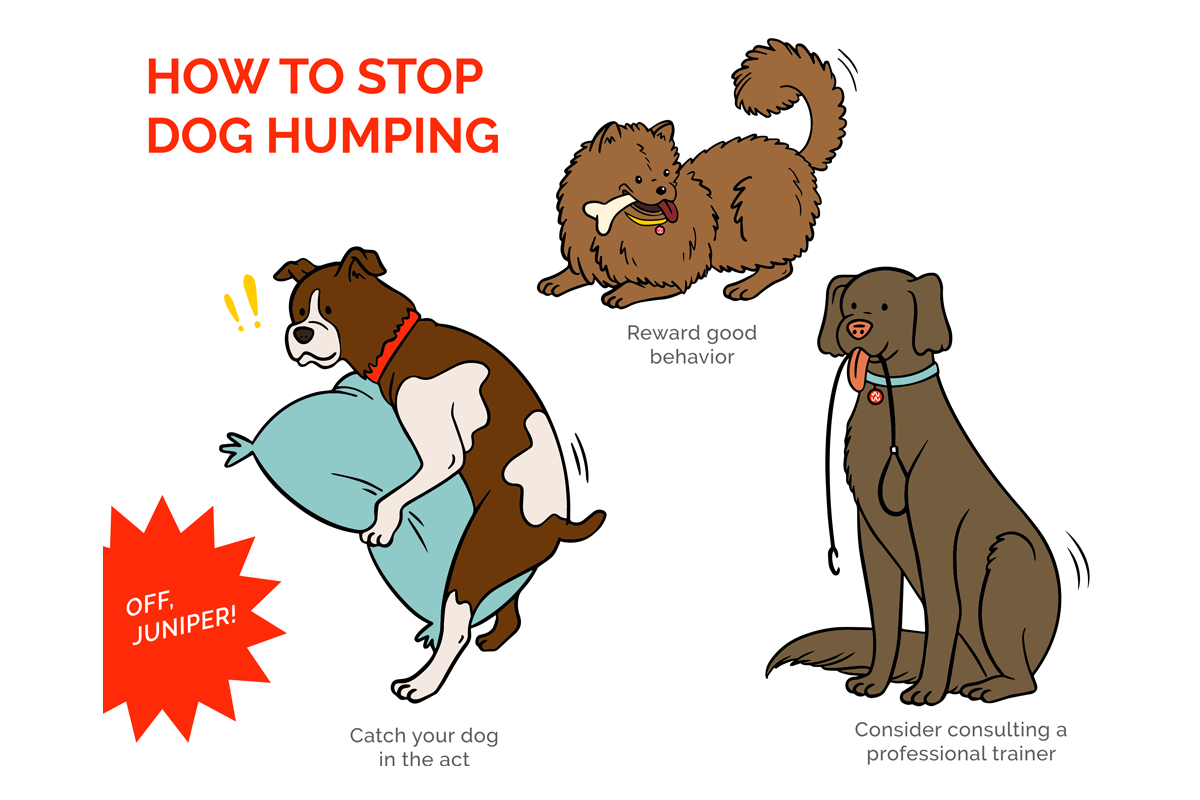
Change your dog’s behavior with clear rules and routines. Stop mounting early with a firm “No” or “Off” command. Reward calm behavior with treats or praise. Avoid punishment, as it can increase stress and worsen behavior. Use positive reinforcement to teach better habits.
Using Commands And Distractions
Commands like “Sit” or “Stay” redirect your dog’s focus. Distract your dog with toys or games when mounting starts. Offer a chew toy or start a play session. Keep your voice calm and steady. This helps your dog shift attention to good activities.
Role Of Exercise And Mental Stimulation
Exercise reduces excess energy that may cause mounting. Take your dog for walks or play fetch daily. Mental games like puzzle toys keep the mind busy. A tired dog is less likely to mount. Balance physical and mental activity for best results.
When To Consult A Veterinarian
Dog mounting behavior can sometimes signal health issues or stress. Knowing when to see a vet helps your dog stay healthy. Not all mounting is normal. Watch for signs that need professional care. Early attention can prevent bigger problems later.
Recognizing Medical Issues
Mounting may indicate infections or skin problems. Urinary tract infections cause discomfort and odd behavior. Allergies might make your dog itchy and restless. Hormonal imbalances can increase mounting frequency. Notice swelling, redness, or pain around the genitals. Sudden changes in behavior need a vet’s checkup.
Possible Treatments
Vets can prescribe antibiotics for infections. Allergy treatments reduce itching and irritation. Hormone therapy may balance your dog’s chemicals. Pain relief helps if mounting causes discomfort. Treatment depends on the exact cause of mounting. Early care improves your dog’s comfort and mood.
Behavioral Therapy Options
Mounting may stem from stress or anxiety. Vets or trainers offer behavioral therapy plans. Training helps redirect your dog’s energy. Exercise reduces boredom and nervous habits. Calm environments lower stress-related mounting. Consistent routines support healthy behavior changes.
Preventive Measures For Healthy Behavior
Preventive measures help keep your dog’s behavior healthy and balanced. Mounting can be a sign of excitement, stress, or dominance. Managing this behavior early avoids problems later. Consistent care and attention support your dog’s well-being.
Consistent Training Routines
Training your dog regularly builds good habits. Use clear commands and reward positive actions. Avoid harsh punishments that cause fear or anxiety. Practice short sessions daily to keep your dog focused. Consistency helps your dog understand what is right.
Balanced Social Interaction
Socializing your dog with other dogs and people is important. It reduces stress and prevents unwanted behaviors. Supervise playtime to ensure safe interactions. Introduce new friends slowly and calmly. Balanced social time helps your dog feel secure and happy.
Regular Health Checkups
Health issues can cause mounting and other behaviors. Schedule regular vet visits to catch problems early. Discuss any changes in behavior with your vet. Proper health care keeps your dog comfortable and calm. Healthy dogs show better behavior and mood.
Credit: goodheartbroadway.com
Frequently Asked Questions
Why Do Dogs Exhibit Mounting Behavior?
Dogs mount to show dominance, relieve stress, or express excitement. It can also be a playful or sexual behavior. Understanding the reason helps in managing it properly and ensuring your dog’s well-being.
Is Dog Mounting A Sign Of Aggression?
Not necessarily. Mounting is often a social or sexual behavior, not always aggression. However, it can sometimes indicate dominance or frustration, so observe your dog’s overall body language.
How Can I Stop My Dog From Mounting Others?
Redirect your dog’s attention to toys or commands. Consistent training and positive reinforcement help reduce mounting. Avoid punishment, as it may increase anxiety or excitement.
Does Neutering Reduce Mounting Behavior In Dogs?
Neutering often reduces sexual mounting but may not stop mounting caused by stress or dominance. It’s a helpful step but not a complete solution for all mounting behaviors.
Conclusion
Dog mounting behavior can mean many things. It shows excitement, stress, or a need to play. Watch your dog closely to understand the cause. Calm and gentle training helps reduce unwanted mounting. Always stay patient and consistent with your approach.
Remember, this behavior is normal but can be managed. Knowing why your dog mounts improves your bond with them. Keep learning about your dog’s needs and feelings. Caring for your dog means understanding their actions clearly.


