Have you noticed your dog acting differently as they get older? You’re not imagining it.
Older dogs often change their behavior in ways that can surprise or even worry you. Understanding these changes can help you give your furry friend the care and comfort they deserve. Keep reading to discover the common signs of aging in dogs and learn how you can make your dog’s golden years truly happy and healthy.
Common Behavior Changes
Older dogs show clear changes in their behavior as they age. These changes help us understand their new needs and feelings. Recognizing these shifts can improve their comfort and care.
Reduced Energy Levels
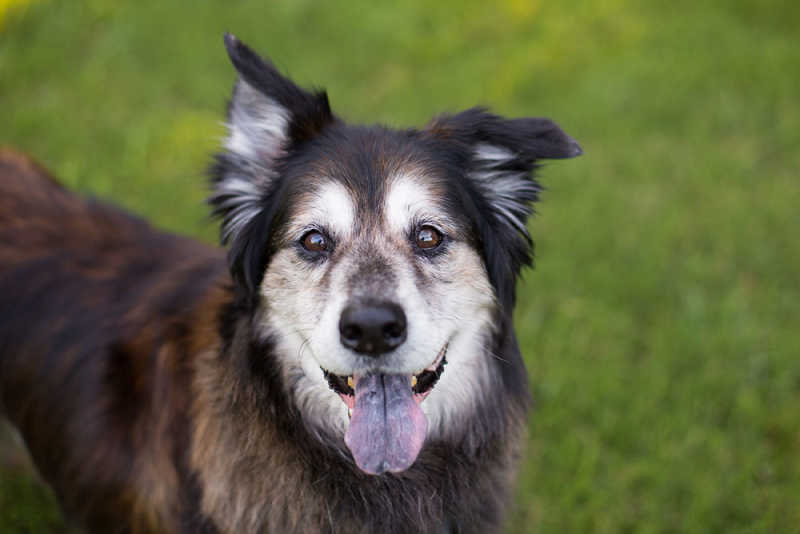
Older dogs often move less than before. Their playtime shortens and walks slow down. This drop in energy is natural and linked to aging muscles and joints.
They may avoid jumping or running as much. Respecting this helps prevent injury and keeps them happy.
Increased Sleep Patterns
Sleep increases significantly in older dogs. They might nap many times during the day. Night sleep can also become deeper but sometimes more restless.
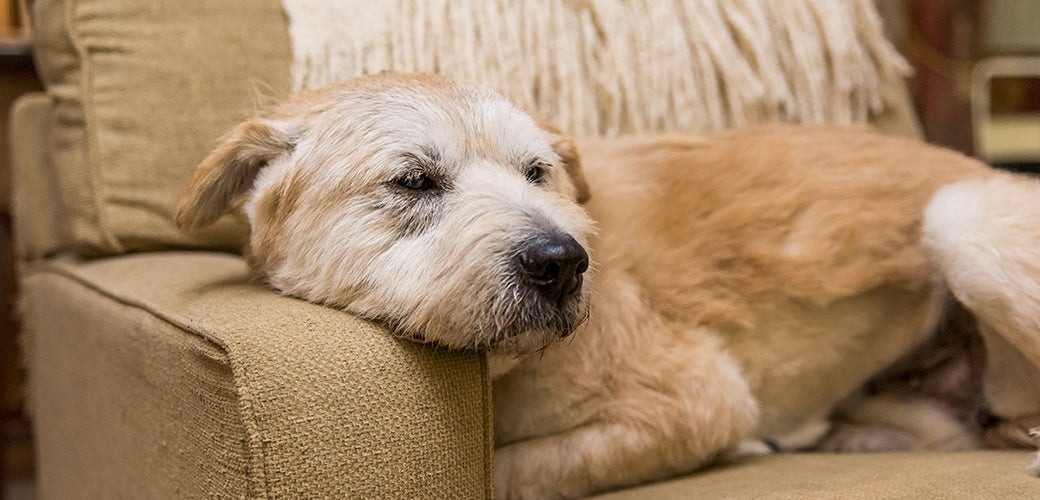
Extra rest supports their body repair and healing. It is important to provide a quiet, comfortable place for sleep.
Changes In Social Interaction
Older dogs may become less social with people and other pets. They might prefer solitude or calm environments. Sometimes, they show less interest in greeting or playing.
Respecting their space shows care. Gentle encouragement can help keep them engaged without stress.
Anxiety And Confusion
Some older dogs experience anxiety or confusion. They may seem lost in familiar places. New noises or changes in routine can upset them.
Signs include pacing, whining, or restlessness. Keeping a steady routine and comforting presence helps ease these feelings.
Physical Factors Affecting Behavior
Older dogs often change how they act because of physical issues. These problems can make them slower, quieter, or less playful. Understanding these factors helps us care for them better. Physical health deeply affects a dog’s mood and behavior.
Arthritis And Mobility Issues
Many older dogs develop arthritis. Their joints hurt and swell. Moving becomes hard and painful. This pain can make dogs grumpy or shy. They may avoid stairs or jumping. Playtime might end sooner than before. Gentle exercise and proper care help ease discomfort.
Sensory Decline
Hearing and sight often get worse with age. Dogs might not hear commands well. They may bump into things or seem confused. Loss of senses makes dogs cautious or nervous. They might bark more or hide. Keeping a calm environment helps them feel safe.
Cognitive Dysfunction
Older dogs can suffer from brain aging. This causes forgetfulness and confusion. They may forget where food is or get lost at home. Their sleep patterns can change too. This condition can lead to anxiety or irritability. Patience and routine support help dogs cope.
Health Screening And Monitoring
Health screening and monitoring are important for older dogs. As dogs age, their bodies change. Regular checks help catch problems early. Careful watching keeps your dog comfortable and healthy. You learn what is normal for your dog. This helps spot any issues fast.
Regular Veterinary Checkups
Schedule visits to the vet twice a year. Vets check teeth, weight, and heart health. Blood tests reveal hidden issues like kidney or liver disease. Vaccines and parasite control keep your dog safe. Early diagnosis means better treatment options.
Recognizing Pain And Discomfort
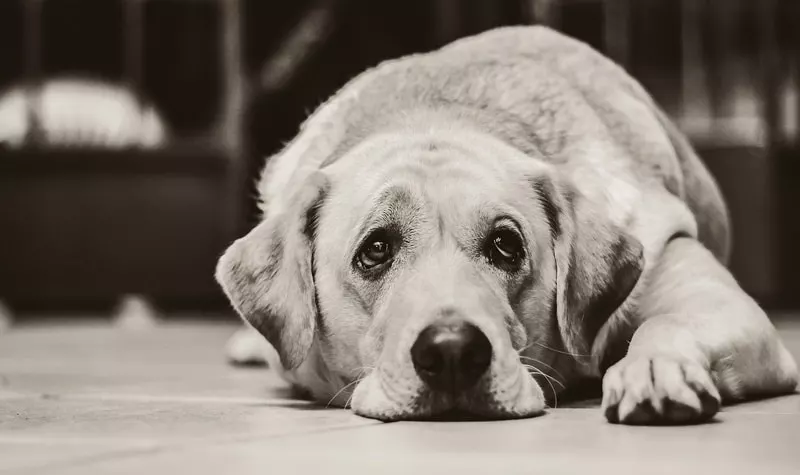
Older dogs may hide pain. Watch for limping or stiffness after rest. Changes in eating or sleeping habits can signal discomfort. Whining or growling might mean pain. Gentle touching helps find sore spots. Report these signs to the vet.
Tracking Behavioral Shifts
Note changes in mood and activity. Less play or more sleep can mean health issues. Confusion or getting lost around home needs attention. Increased barking or aggression may show distress. Keeping a diary helps track these changes over time.
Credit: shallowfordvet.com
Adjusting Daily Routine
Older dogs need a daily routine that fits their changing needs. Their energy and health levels often shift as they age. Adjusting their daily habits helps keep them happy and healthy. Small changes can make a big difference in their comfort and wellbeing.
Exercise Adaptations
Older dogs may not run or jump like before. Shorter walks suit them better now. Gentle play and slow pace help avoid injury. Exercises should focus on joint health and muscle strength. Swimming is a great low-impact activity for older dogs. Watch for signs of tiredness and stop early.
Meal And Feeding Changes
Older dogs need food that supports aging bodies. Special diets with fewer calories and more fiber work well. Smaller, frequent meals help digestion. Check with a vet about the best food type. Fresh water must be available at all times. Feeding times should stay consistent to avoid stress.
Creating Comfortable Rest Areas
Older dogs rest more often and need cozy spots. Soft beds with good support protect aching joints. Place beds in quiet, warm areas away from drafts. Keep rest places clean and easy to access. Add blankets or cushions for extra comfort. A calm space helps dogs relax and feel safe.
Training And Mental Stimulation
Training and mental stimulation remain important for older dogs. They help keep the mind sharp and the body active. Mental challenges can reduce anxiety and improve behavior. Training should adapt to the dog’s age and physical condition. Consistency and patience are key for success.
Gentle Training Techniques
Older dogs benefit from slow and gentle training methods. Use soft tones and clear commands. Avoid harsh corrections or fast movements. Break training into small, manageable steps. Reward with treats or praise to encourage learning. Short sessions work better than long ones.
Interactive Toys And Puzzles
Interactive toys stimulate a dog’s brain and senses. Puzzle feeders make dogs think while eating. Toys with hidden treats keep dogs curious and busy. Choose puzzles suited to your dog’s abilities. Rotate toys often to maintain interest and challenge.
Maintaining Social Engagement
Social interaction keeps older dogs emotionally healthy. Arrange calm playdates or gentle walks with other dogs. Introduce new people slowly and calmly. Social time reduces loneliness and improves mood. Avoid crowded places that may stress your dog.
Emotional Support And Companionship
Older dogs offer more than just companionship. They provide deep emotional support that can brighten daily life. Their calm presence helps reduce feelings of loneliness and stress. Understanding their emotional needs creates a stronger bond. Caring for an older dog involves patience and trust. This relationship grows through shared moments and gentle care.
Building Trust And Patience
Trust takes time, especially with older dogs. They may have past fears or doubts. Approach them calmly and speak softly. Let them come to you at their own pace. Consistent care shows you are reliable. Avoid sudden moves or loud noises. Patience helps them feel safe and loved. Small rewards reinforce good behavior and trust.
Managing Anxiety And Stress
Older dogs can feel anxious easily. Changes in routine or new places might scare them. Create a calm environment at home. Use soft bedding and quiet spaces. Gentle massages or brushing can soothe nerves. Regular walks provide both exercise and comfort. Watch for signs of stress like pacing or whining. Consult a vet for calming options if needed.
Enhancing Bonding Activities
Simple activities boost your connection with an older dog. Short walks allow gentle exercise and fresh air. Play with soft toys or gentle games. Spend time grooming, which relaxes and comforts them. Talk to your dog often; they respond to your voice. These moments build trust and happiness. Sharing quiet time strengthens your emotional link.
Environmental Modifications
Older dogs need changes in their environment to stay comfortable and safe. Their bodies and senses change with age. These changes affect how they move and react to their surroundings. Simple fixes at home can help them feel more secure and happy. Adjusting their living space supports their health and wellbeing. It also makes daily life easier for both dogs and owners.
Safe And Accessible Living Spaces
Clear paths help older dogs move without trouble. Remove clutter that can cause trips or falls. Use non-slip rugs on slippery floors. Make sure their bed is soft and easy to reach. Keep food and water bowls at a comfortable height. Place them where the dog spends most time. These small changes prevent injuries and stress.
Reducing Noise And Distractions
Older dogs may hear less or become anxious with loud sounds. Create quiet areas for rest and calm. Turn off loud TVs or radios during nap times. Avoid sudden noises that startle your dog. Soft background music can soothe some dogs. A peaceful environment helps reduce confusion and stress.
Using Ramps And Supportive Equipment
Joints stiffen, making stairs and jumps hard for older dogs. Ramps help them reach couches or cars safely. Choose ramps with non-slip surfaces and gentle slopes. Supportive harnesses or braces can improve mobility. These tools reduce pain and increase confidence. They let your dog enjoy more activities safely.
Credit: www.smalldoorvet.com
Credit: www.aspca.org
Frequently Asked Questions
How Do Older Dogs’ Behaviors Change With Age?
Older dogs often become less active and sleep more. They may show signs of confusion or anxiety. Changes in hearing and vision are common. These behaviors reflect natural aging and health changes.
Why Do Senior Dogs Become Less Playful?
Senior dogs lose energy and stamina over time. Joint pain or arthritis can limit their movement. They prefer calm activities and rest. This decrease in playfulness helps them conserve energy and avoid discomfort.
How Can I Support My Aging Dog’s Behavior?
Provide a comfortable, quiet environment for your dog. Maintain a consistent routine to reduce anxiety. Regular vet visits help manage health issues. Offer gentle exercise and mental stimulation to keep them engaged.
What Signs Indicate Cognitive Decline In Older Dogs?
Look for disorientation, forgetting commands, or changes in sleep patterns. Older dogs may seem confused or less responsive. These signs suggest canine cognitive dysfunction, similar to dementia in humans. Early detection can improve quality of life.
Conclusion
Older dogs show changes in their behavior as they age. They may slow down and need more rest. Their moods can shift, and they might seek more comfort. Paying attention to these signs helps keep them happy and healthy. Patience and care make a big difference in their lives.
Enjoy the special moments with your older dog every day. Understanding their needs helps strengthen your bond. Aging is natural, but love remains constant.