

Are you passionate about dogs and want to turn that passion into a rewarding career? Becoming an agility dog trainer could be the perfect fit for you.
Imagine helping dogs and their owners build a strong bond while mastering exciting obstacle courses. This job lets you combine love for animals with skill-building and fun. You’ll discover clear, simple steps to start your journey as an agility dog trainer.
By the end, you’ll know exactly what to do to transform your enthusiasm into real success. Keep reading to unlock the secrets to becoming the trainer every dog and owner will trust.

Credit: lightpawsdogtraining.com
Skills Needed For Agility Training
Becoming an agility dog trainer requires more than just a love for dogs. You need specific skills to guide dogs through agility courses successfully. These skills help trainers work well with dogs and improve their performance. Understanding what skills are essential sets a strong foundation for training agility dogs.
Physical Fitness And Coordination
Agility training is active and fast-paced. Trainers must be physically fit to keep up with their dogs. Good coordination helps trainers move smoothly alongside dogs. This skill ensures clear guidance and timing during exercises. Physical fitness also reduces the chance of injury for both trainer and dog.
Animal Behavior Knowledge
Understanding how dogs think and behave is vital. Trainers observe body language and reactions closely. This knowledge helps trainers know when a dog is stressed or excited. It guides how to reward or correct the dog’s actions. A strong grasp of animal behavior creates trust and better learning.
Communication Techniques
Clear communication between trainer and dog is key. Trainers use voice, hand signals, and body movements. Each signal must be simple and consistent. Dogs respond best to clear, calm commands. Good communication builds a strong connection and speeds up learning.
Getting Certified
Getting certified is an important step to become an agility dog trainer. Certification shows you have the skills and knowledge to train dogs effectively. It helps build trust with clients and opens doors for work opportunities.
Certification programs teach the best training methods and safety practices. They also help you stay updated with new techniques in the agility world. Being certified means you follow a standard that ensures quality training for dogs.
Popular Certification Programs
Several organizations offer certification for agility dog trainers. The Certification Council for Professional Dog Trainers (CCPDT) is well-known. They provide exams that test your training knowledge and skills.
The International Association of Canine Professionals (IACP) also offers certification. Their program focuses on various dog training areas, including agility. The National Association of Dog Obedience Instructors (NADOI) certifies trainers in agility and obedience.
Requirements And Prerequisites
Most certification programs ask for some experience in dog training. You may need to train dogs for a set number of hours. Some programs require attending workshops or classes before taking the test.
Basic knowledge of dog behavior and training methods is essential. Many programs require passing a written exam. Some also include a practical test where you demonstrate training skills.
Maintaining Certification
Certification is not a one-time achievement. You must renew it regularly to keep it valid. This often means completing continuing education courses or attending seminars.
Keeping up with new training techniques is important. Programs may require proof of ongoing work as a trainer. Staying certified shows your commitment to quality and professionalism.
Building Practical Experience
Building practical experience is key to becoming a skilled agility dog trainer. Hands-on work helps you understand dog behavior and training techniques better. It also boosts your confidence and teaching skills. Start by finding ways to practice with real dogs and trainers.
Volunteering At Local Clubs
Volunteering at local agility clubs offers real-world training exposure. You can help set up courses and observe training sessions. This lets you see different dogs and trainers in action. Volunteering also connects you with the agility community. It is a great way to learn and grow your skills.
Apprenticeships With Experienced Trainers
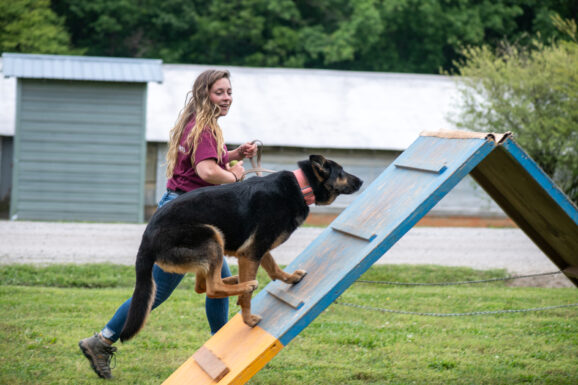
Apprenticeships provide hands-on learning from expert trainers. You assist with training and watch their methods closely. This experience teaches you how to manage dogs and handle challenges. Working alongside a pro helps you learn faster and avoid common mistakes. It is an important step for serious trainers.
Hosting Practice Sessions
Hosting your own practice sessions builds confidence and leadership skills. Invite dogs and owners to join your training drills. This lets you apply what you learned and improve your techniques. Practice sessions also help you understand each dog’s needs. Regular practice sharpens your skills and prepares you for real competitions.
Credit: total.vet
Setting Up Your Training Business
Starting a dog agility training business takes more than skill with dogs. You need a clear plan for your business setup. Setting up your business right helps attract clients and grow your brand. This section covers key points to help you start strong.
Choosing A Location
Select a place that is easy for clients to reach. Outdoor spaces work well but need good weather and safety. Indoor locations offer comfort but may cost more. Make sure the area is large enough for agility equipment. Think about parking and noise levels. A quiet, open space helps dogs focus.
Marketing Your Services
Tell people about your training through simple, clear messages. Use social media platforms to show your work and share success stories. Create flyers and post them in local pet stores and vet clinics. Join community events to meet dog owners. Word of mouth is powerful in this business. Make your training style and results clear.
Pricing And Packages
Set prices that cover your costs and time. Research what other trainers charge in your area. Offer packages like group classes, private lessons, or multi-session deals. Clear pricing helps clients decide quickly. Be flexible with payment methods to suit different customers. Good value keeps clients coming back.
Tools And Equipment Essentials
Starting as an agility dog trainer requires the right tools and equipment. These essentials help trainers guide dogs through courses safely and effectively. Proper gear improves training quality and keeps both dog and trainer comfortable.
Agility Obstacles And Accessories
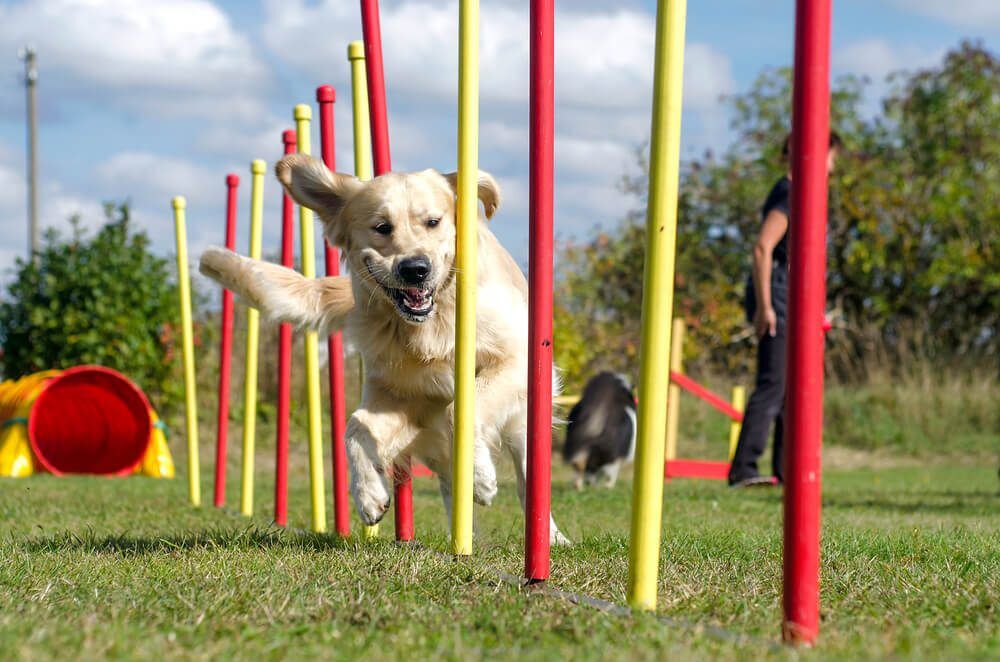
Agility courses use various obstacles like tunnels, jumps, and weave poles. Each piece challenges the dog’s speed and skill. Trainers need adjustable jumps to match different dog sizes. Weave poles help build precision and control. Tunnels teach dogs to move fast through tight spaces. Accessories like pause tables train dogs to stop and wait. Using quality obstacles ensures safe, consistent practice sessions.
Safety Gear For Dogs And Trainers
Safety is key in agility training. Dogs need padded collars or harnesses that do not restrict movement. Trainers wear comfortable shoes with good grip for running on different surfaces. Some trainers use gloves to protect their hands while handling equipment. Soft mats can cushion falls and reduce injuries. Proper safety gear prevents accidents and builds trust during training.
Training Aids And Technology
Training aids help improve communication between dog and trainer. Clickers signal correct behavior quickly and clearly. Treat bags keep rewards handy for motivation. Some trainers use timers to track speed and progress. Video cameras capture training sessions for review and correction. Technology tools make training more precise and effective for better results.
Effective Training Strategies
Effective training strategies are key to becoming a skilled agility dog trainer. These methods help dogs learn quickly and enjoy the process. Training should focus on clear communication and building trust. Consistency and patience guide both trainer and dog through challenges. The right approach makes training fun and successful for every dog.
Positive Reinforcement Methods
Positive reinforcement encourages dogs to repeat good behavior. Use treats, praise, or toys as rewards. Reward dogs immediately after the desired action. This helps dogs connect the action with the reward. Avoid punishment, which can cause fear or confusion. Consistent positive feedback builds confidence and eagerness to learn.
Tailoring To Different Dog Breeds
Each dog breed learns differently and has unique strengths. High-energy breeds may need shorter, more active sessions. Smaller breeds might prefer gentle, slower training steps. Adjust training speed and style to suit the dog’s breed and personality. Observing the dog helps trainers find the best approach. Personalizing training leads to better results and happier dogs.
Handling Common Challenges
Some dogs may face fear, distraction, or stubbornness during training. Break tasks into smaller, easy steps to avoid overwhelm. Use calm, firm voice to keep the dog focused. Take breaks if the dog shows stress or frustration. Patience helps trainers overcome setbacks without losing progress. Understanding and adapting to challenges improves training success.
Networking In The Agility Community
Networking in the agility community plays a key role in becoming a skilled dog trainer. It helps you learn, grow, and find new chances to work with dogs and their owners. Building connections with others in this field opens doors to knowledge and experience. Here are some ways to build a strong network in the agility world.
Joining Clubs And Associations
Joining local and national agility clubs connects you with trainers and enthusiasts. Clubs often host events and training sessions. These gatherings are great for meeting people who share your passion. Membership offers access to resources and expert advice. It also boosts your credibility as a trainer.
Attending Workshops And Competitions
Workshops teach new skills and training methods. Competitions show the latest trends in agility training. Attending both helps you stay updated and improve your techniques. You meet experienced trainers and potential clients there. These events provide hands-on learning and valuable feedback.
Building Client Relationships
Strong client relationships lead to repeat business and referrals. Listen carefully to clients’ needs and goals. Communicate clearly and show patience with both dogs and owners. Trust builds when clients see your dedication and results. Happy clients often recommend you to others, growing your network naturally.
Credit: internationaldogtrainerschool.com
Frequently Asked Questions
What Skills Are Essential For An Agility Dog Trainer?
An agility dog trainer needs patience, communication, and knowledge of dog behavior. Physical fitness and problem-solving skills are also key for effective training sessions.
How Do I Start Training Dogs For Agility?
Begin with basic obedience commands, then introduce agility equipment gradually. Consistency and positive reinforcement help dogs learn faster and enjoy the training process.
What Certifications Are Needed To Become An Agility Trainer?
No mandatory certifications exist, but obtaining dog training credentials boosts credibility. Courses in canine behavior and agility training enhance skills and career opportunities.
How Long Does It Take To Become An Agility Trainer?
It varies; beginners may take several months to learn basics. Gaining experience and mastering techniques can take years of practice and dedication.
Conclusion
Becoming an agility dog trainer takes patience and practice. Start with learning basic training skills and understanding dog behavior. Join local clubs or courses to gain hands-on experience. Keep training your own dog to improve techniques. Stay patient and enjoy the process with your furry friend.
This path builds a strong bond and helps dogs stay active. With dedication, you can guide dogs to succeed in agility sports. Remember, every trainer began with small steps. Now, it’s your turn to take those steps.

