

Have you noticed strange behavior in your spayed dog that seems like she’s in heat? You might be confused because spayed dogs are not supposed to go into heat, right?
Understanding why your spayed dog is acting this way can be puzzling and even worrying. You’ll discover what’s really going on with your furry friend, why these behaviors happen, and how you can help her feel comfortable again. Keep reading to learn the surprising facts every dog owner needs to know.
Credit: www.careanimalclinic.com
Spaying And Heat Cycles
Spaying is a common surgery that stops female dogs from going into heat. It removes the organs that make hormones causing heat cycles. Most dogs stop showing heat signs after spaying. Yet, some spayed dogs might still act like they are in heat. Understanding why this happens helps pet owners manage these behaviors better.
How Spaying Affects Hormones
Spaying removes the ovaries and usually the uterus. These organs produce hormones like estrogen. Estrogen controls the heat cycle in female dogs. Without these hormones, the body stops the heat cycle.
After spaying, hormone levels drop quickly. This stops the signals that cause heat behaviors. Most dogs calm down and lose interest in mating. Their bodies no longer prepare for pregnancy.
Reasons For Heat Signs After Spaying
Some spayed dogs still show heat signs. This can happen if some ovarian tissue remains after surgery. The leftover tissue can produce hormones. This condition is called ovarian remnant syndrome.
Another reason is false heat, caused by hormone changes. The dog might lick the area or swell a bit. These signs are not real heat but can confuse owners.
In rare cases, certain medical problems cause hormone release. This can bring back heat behaviors. A vet check helps find the cause and give the right treatment.
Common Heat-like Behaviors In Spayed Dogs
Spayed dogs usually do not go into heat. Yet, some spayed dogs show behaviors like those in heat. These behaviors confuse many dog owners. Understanding these signs helps in caring for your dog. The following are common heat-like behaviors seen in spayed dogs.
Swelling And Discharge
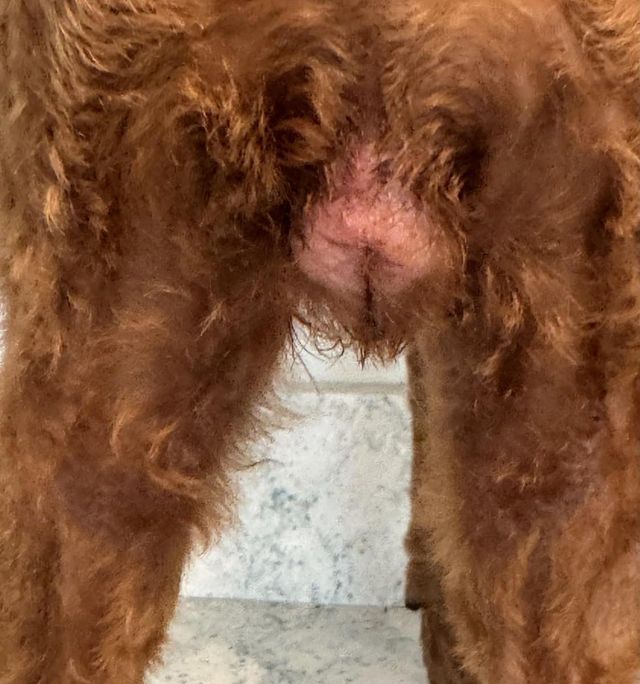
Some spayed dogs may have swelling near their vulva. This swelling looks like what happens during heat. A slight discharge can also appear. This discharge is usually clear or light pink. Such signs happen because of hormone changes or medical issues. Always check with a vet if you see these symptoms.
Restlessness And Vocalization
Spayed dogs might act restless. They may pace or seem anxious. Some dogs will bark or whine more than usual. This vocalization can last for days. These behaviors mimic a dog in heat. Stress or discomfort might cause these signs. Watching your dog’s mood helps you notice changes early.
Attraction To Male Dogs
Even after spaying, some females show interest in male dogs. They may seek attention or try to play more. This behavior may confuse owners. It happens because some hormone levels still exist. Male dogs might also notice and respond to this behavior. Careful supervision during walks is important.
Medical Causes Behind Heat Behavior
Spayed dogs showing signs of heat can confuse many pet owners. These behaviors often have medical reasons. Understanding these causes helps manage your dog’s health better. Three common medical issues trigger heat-like symptoms in spayed dogs.
Ovarian Remnant Syndrome
Ovarian Remnant Syndrome occurs when some ovarian tissue stays after spaying. This leftover tissue still produces hormones. These hormones cause heat behaviors like swelling and bleeding. Surgery may be needed to remove the remaining tissue. Diagnosis involves hormone tests and ultrasound exams.
Hormonal Imbalances
Hormonal imbalances can mimic heat in spayed dogs. The body may produce excess estrogen or progesterone. These hormones cause mood changes and physical signs. Causes include adrenal gland problems or cysts. Treatment depends on the specific hormone involved.
Urinary Tract Infections
Urinary tract infections often cause behaviors similar to heat. Dogs may lick their genitals more and act restless. Infections cause discomfort and swelling in the area. A vet can diagnose with urine tests. Antibiotics usually clear the infection quickly.

Credit: basepaws.com
Behavioral And Environmental Triggers
Spayed dogs usually do not go into heat, but sometimes they show signs similar to a heat cycle. This can confuse many pet owners. Understanding the triggers behind this behavior helps manage your dog’s changes better. Certain behavioral and environmental factors can cause these symptoms to appear even after spaying.
These triggers can affect your dog’s mood and actions. They might show restlessness, changes in appetite, or unusual attention-seeking. Recognizing these triggers helps you support your dog during these phases.
Stress And Anxiety
Stress is a common cause of heat-like behavior in spayed dogs. Loud noises, changes in routine, or new family members can increase stress levels. Anxiety affects hormone levels, causing physical and behavioral changes. Your dog might become clingy or show signs of discomfort. Reducing stress can help lower these symptoms.
Seasonal Changes
Some dogs react to changes in seasons with heat-like behavior. Longer daylight or temperature shifts affect their hormones. These changes can trigger restlessness and mood swings. Even spayed dogs may respond to these environmental cues. Keeping a stable indoor environment can reduce seasonal effects.
Mimicking Other Dogs
Dogs are social animals and often copy behaviors of others. If your dog spends time with intact females in heat, she might mimic their actions. This includes licking, marking, or restlessness. The behavior is a natural response to social signals. Limiting exposure to dogs in heat can help manage this behavior.
When To See A Veterinarian
Spayed dogs should not show signs of heat. If your dog acts like she is in heat, it may signal a health issue. Knowing when to see a veterinarian can protect her health. Early care helps prevent serious problems.
Identifying Symptoms That Need Attention
Watch for bleeding or discharge from the vulva. Swelling or redness can also be a warning. Changes in behavior like restlessness or frequent licking matter. Sudden mood swings or aggression should not be ignored. If your dog shows these signs, seek veterinary help.
Diagnostic Tests And Procedures
The vet may start with a physical exam. Blood tests check hormone levels and overall health. Ultrasound helps look inside the abdomen for abnormalities. X-rays may be used to view the reproductive organs. These tests help find the cause of heat-like symptoms in spayed dogs.
Credit: basepaws.com
Treatment Options And Management
Spayed dogs showing signs of heat can confuse many pet owners. Treatment options vary based on the cause and severity of the symptoms. Proper management helps reduce discomfort and unwanted behaviors.
Careful observation and veterinary advice are essential. Some dogs may need medical help, while others benefit from behavior training. Exploring all options ensures the best care for your dog.
Surgical Solutions
Surgery is sometimes needed if leftover ovarian tissue causes heat signs. This procedure removes any remaining tissue that produces hormones. It stops the heat cycle and related behaviors. Surgery has a high success rate and quick recovery.
Medications To Control Hormones
Hormone therapy can reduce or stop heat behaviors. Vets may prescribe drugs that block hormone production. These medications help calm swelling and mood changes. They require careful dosing and monitoring for side effects.
Behavioral Therapy
Training helps manage unwanted behaviors during heat signs. Techniques include distraction and positive reinforcement. Consistent routines reduce anxiety and stress. Behavioral therapy supports medical treatments well.
Preventing Heat-like Symptoms In Spayed Dogs
Spayed dogs sometimes show signs that look like they are in heat. These behaviors can confuse pet owners. Understanding how to prevent heat-like symptoms helps keep your dog calm and healthy. Proper care and timing are key to avoiding these signs.
Choosing The Right Time For Spaying
Choosing the best time to spay your dog reduces the chance of heat-like symptoms. Many vets suggest spaying before the first heat cycle. Early spaying lowers hormone levels that cause these behaviors. Waiting too long can increase the chance of spotting signs of heat after surgery. Talk with your vet about the best timing for your dog’s breed and size.
Post-surgery Care Tips
Good care after surgery helps your dog recover quickly and comfortably. Keep your dog calm and avoid rough play for at least two weeks. Watch for swelling or unusual discharge near the incision. Give all medications exactly as the vet directs. Proper nutrition supports healing and hormone balance. Regular check-ups ensure no problems develop after spaying.
Frequently Asked Questions
Can Spayed Dogs Go Into Heat?
No, spayed dogs do not go into heat. Spaying removes the ovaries and uterus, stopping heat cycles completely.
Why Does My Spayed Dog Act Like She’s In Heat?
Hormonal imbalances or ovarian remnant syndrome can cause heat-like behavior in spayed dogs. A vet check is advised.
How Long Can Heat-like Behavior Last In Spayed Dogs?
Heat-like behavior due to ovarian remnants can last several weeks. Veterinary treatment is usually required to resolve it.
Can Spayed Dogs Get Pregnant Accidentally?
No, spayed dogs cannot get pregnant. Spaying removes reproductive organs, preventing pregnancy entirely.
Conclusion
Spayed dogs usually do not go into heat, but some may show signs. This can confuse many pet owners. Understanding their behavior helps you stay calm and patient. Keep a close eye on your dog’s health and mood. Consult a vet if unusual signs appear or last long.
With care and attention, your dog will stay happy and healthy. Remember, each dog is different and may act in unique ways. Stay informed and enjoy your time with your furry friend.


