

Have you ever noticed your dog suddenly licking their lips, yawning, or scratching when nothing seems wrong? These small actions might seem random, but they’re actually your dog’s way of dealing with stress or confusion.
This is called dog displacement behavior, and understanding it can change how you connect with your furry friend. If you want to truly know what your dog is feeling and respond in the best way, keep reading. You’ll discover the hidden signs your dog uses to communicate and how to make them feel safe and happy.
What Is Displacement Behavior
Displacement behavior in dogs happens when they feel confused or stressed. Instead of reacting directly, dogs do unrelated actions. These actions seem out of place but help the dog calm down. Understanding this behavior helps owners read their dog’s feelings better.
Origins Of Displacement Actions
Displacement actions come from natural instincts. Dogs use these behaviors to avoid conflict or stress. Long ago, wild dogs showed these actions to keep peace in the group. It is a way to delay a fight or express uncertainty.
Scientists study these actions to understand animal emotions. Displacement behavior is a sign of inner tension. It shows the dog is unsure or nervous about a situation. This helps dogs avoid direct confrontation.
Common Types In Dogs
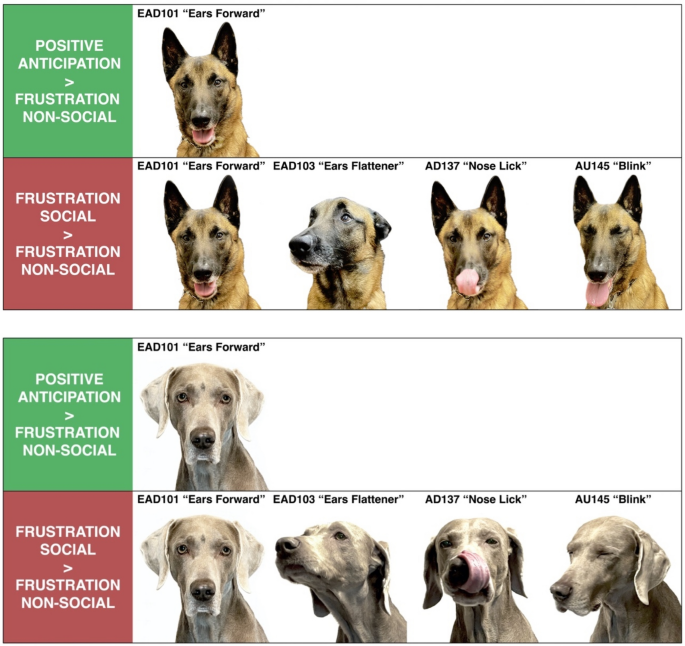
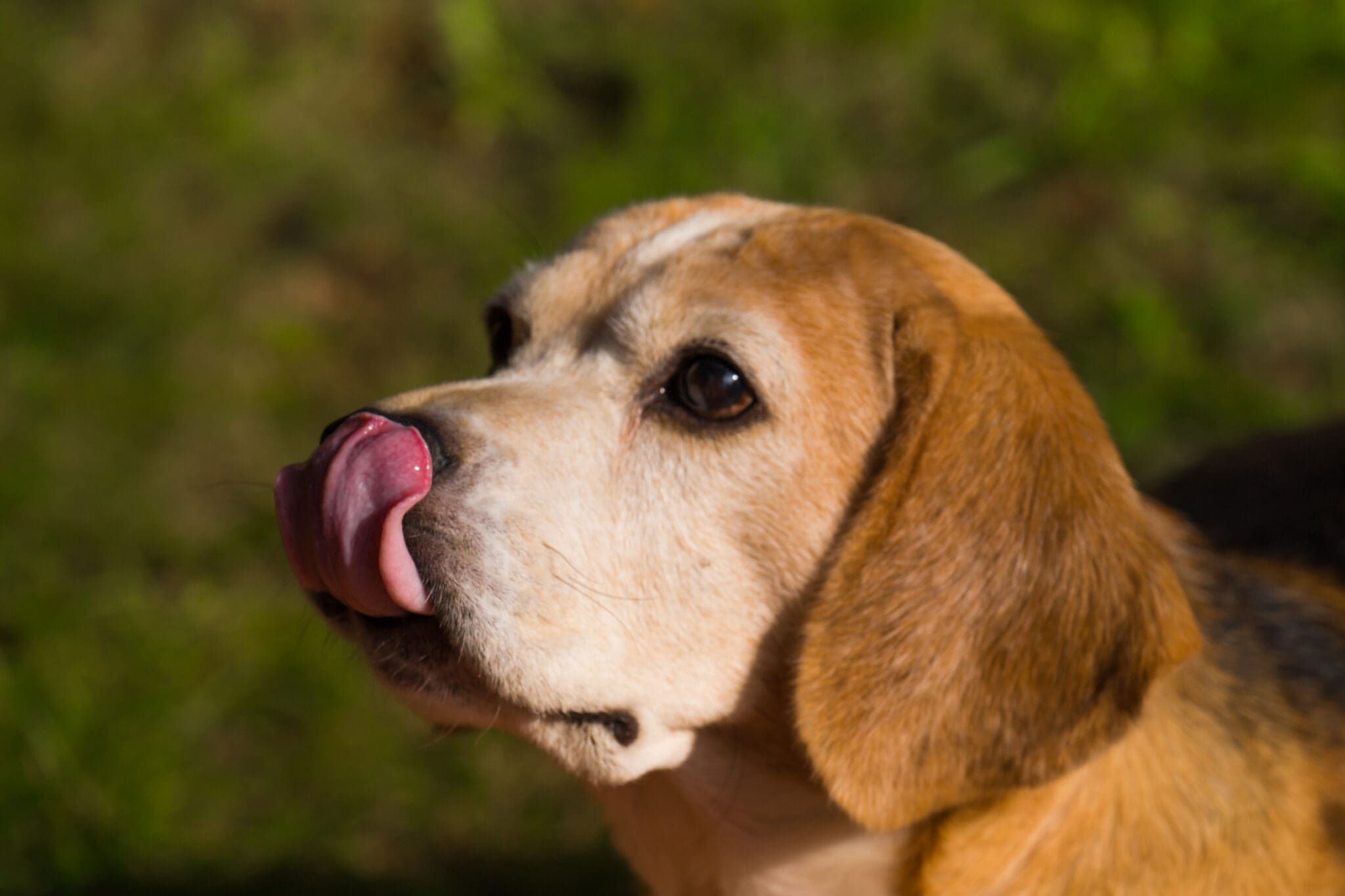
Some common displacement behaviors include licking lips, yawning, and scratching. Dogs may also sniff the ground or shake their body suddenly. These actions happen even without clear reasons.
Other signs are paw lifting, turning away, or sniffing the air. These small actions signal that the dog feels stressed or confused. Knowing these signs can help owners respond kindly and calmly.
Credit: www.nature.com
Why Dogs Use Displacement Signals
Dogs use displacement signals to handle feelings they cannot express directly. These signals act as a safety valve for their emotions. They help dogs stay calm and avoid conflict. Understanding why dogs use these signals can improve how we read their behavior.
Stress And Anxiety Triggers
Displacement signals often appear when dogs feel stressed or anxious. These feelings can come from loud noises, new places, or strange people. Dogs use behaviors like yawning, licking lips, or looking away. These actions help them calm down inside.
Such signals show discomfort without causing alarm. They help dogs avoid getting overwhelmed. Recognizing these signs helps owners act with care and patience.
Social Conflict Avoidance
Dogs use displacement signals to prevent fights or arguments. When they face another dog or person, these signals say, “I am not a threat.”
This reduces tension and helps keep peace. A dog might sniff the ground or scratch itself to send this message. These behaviors stop situations from getting worse.
Knowing these signals helps owners manage social settings better. It supports safer, happier interactions for dogs and people.
Recognizing Displacement Behaviors
Recognizing displacement behaviors in dogs helps understand their feelings better. These behaviors show stress or confusion. Dogs use them to calm themselves or avoid conflict. Watching closely can prevent problems before they grow.
Body Language Clues
Dogs show displacement behaviors through their body language. They may lick their lips or yawn without being tired. Turning their head away is another sign. Sometimes, dogs scratch or sniff the ground a lot. These small acts help them feel less stressed.
Typical Actions To Watch
Common displacement actions include paw lifting or tail wagging in a slow, unsure way. Dogs might also shake their body or walk in circles. These actions do not fit the situation. They are ways dogs handle nervousness or uncertainty. Knowing these signs helps keep your dog calm and safe.
Credit: www.whole-dog-journal.com
Impact On Dog Communication
Dog displacement behavior plays a big role in how dogs talk to each other. These small actions help dogs manage stress or confusion during social moments. They can show feelings without using loud barks or growls.
Understanding these behaviors helps us see dogs’ true emotions. It changes how we read their body language and how dogs interact with others.
Misinterpretations By Humans
Humans often mistake displacement behaviors for bad manners or fear. Scratching, yawning, or licking lips might seem odd or nervous. People might think the dog is being disobedient.
These actions are actually signs of stress or uncertainty. Misreading them can cause wrong reactions. It may increase the dog’s anxiety or confusion.
Effects On Canine Interactions
Displacement behaviors help dogs avoid fights and keep peace. They act as calming signals during tense moments. Other dogs understand these signs and respond calmly.
Ignoring these signals can lead to misunderstandings or aggression. Recognizing displacement behaviors helps dogs communicate clearly. It makes their social life smoother and safer.
Responding To Displacement Signals
Displacement behaviors in dogs are signs of stress or confusion. These signals show when a dog feels unsure or overwhelmed. Recognizing these signs helps you respond calmly and wisely. Reacting properly can ease your dog’s stress and build trust. Learn how to use calming techniques and adjust training methods to support your dog.
Calming Techniques
Start by staying calm yourself. Your dog senses your emotions easily. Speak softly and move slowly around your pet. Offer a safe space where your dog can relax. Use gentle petting to comfort but watch your dog’s response. Avoid forcing attention if your dog looks away or moves back. Giving your dog time to calm down is key. Simple breathing exercises for you can help keep the mood quiet.
Adjusting Training Approaches
Notice when displacement behaviors appear during training. Pause training if your dog shows stress signals. Break tasks into smaller, easier steps. Reward small successes with treats or praise. Avoid harsh corrections or loud commands. Use positive reinforcement to encourage good behavior. Repeat training sessions in a calm environment. Patience and consistency make training more effective and less stressful.
Preventing Stress-induced Behaviors
Stress-induced behaviors in dogs can cause discomfort and disrupt daily life. Understanding how to prevent these behaviors is important for a happy, calm pet. Prevention focuses on reducing stress before it builds up. Simple steps can help your dog feel safe and relaxed. This lowers the chance of displacement behaviors like licking, yawning, or pacing.
Creating A Safe Environment
Start by making a quiet space for your dog. Choose a spot with little noise and few distractions. Soft bedding and familiar toys add comfort. Avoid sudden loud sounds near this area. Keep other pets and strangers away during rest times. A calm place helps your dog feel secure and less anxious.
Make sure your dog can retreat to this space anytime. This control reduces stress and builds trust. Watch your dog’s body language for signs of discomfort. Adjust the environment to fit their needs. A safe space is the first step to prevent stress behaviors.
Routine And Socialization Tips
Dogs thrive on routine. Feed, walk, and play at the same times daily. Predictable schedules lower anxiety and create stability. Avoid sudden changes in routine that confuse your dog. Consistency helps your dog know what to expect.
Socialize your dog gently with other dogs and people. Short, positive meetings build confidence. Avoid overwhelming or scary encounters. Praise calm behavior during social time. Proper socialization reduces fear and stress, lowering unwanted behaviors.

Credit: wellyandtails.co.uk
Frequently Asked Questions
What Is Dog Displacement Behavior?
Dog displacement behavior is a stress response where dogs perform unrelated actions. It helps them cope with anxiety or confusion in social situations.
Why Do Dogs Show Displacement Behaviors?
Dogs show displacement behaviors to relieve stress or avoid conflict. These actions help them communicate discomfort without direct aggression.
How Can I Identify Displacement Behaviors In Dogs?
Look for unusual actions like yawning, licking lips, or scratching. These behaviors often occur during tense or uncertain moments.
Can Displacement Behavior Indicate Aggression In Dogs?
Not necessarily. Displacement behaviors usually signal stress, not aggression. Recognizing them helps prevent misunderstandings and potential conflicts.
Conclusion
Dogs show displacement behaviors to handle stress or confusion. Watching these actions helps understand their feelings better. Recognizing signs early can prevent bigger problems later. Always stay calm and patient with your dog. Small changes in behavior tell important stories.
Caring owners notice and respond to these signals. This knowledge builds trust between you and your pet. Keep learning about your dog’s body language daily. It makes your bond stronger and happier. Simple attention leads to a healthier dog life.


