

Getting a new puppy is exciting, but training can feel overwhelming. You want your puppy to grow into a well-behaved, happy dog without stress or confusion.
What if training your puppy could be simple, clear, and even fun for both of you? You’ll discover easy tips that make training straightforward and effective. These tips will save you time, reduce frustration, and build a stronger bond with your furry friend.
Keep reading to unlock the secrets that turn puppy training into a rewarding experience you’ll both enjoy.
Choosing The Right Training Method
Choosing the right training method shapes your puppy’s learning experience. It helps build trust and encourages good behavior. Different puppies respond well to different approaches. Selecting a method that suits your puppy’s personality and your lifestyle makes training easier and more effective.
Positive Reinforcement
Positive reinforcement rewards good behavior with treats, praise, or play. This method helps puppies learn quickly and enjoy training sessions. It builds a strong bond between you and your puppy. Avoid punishment; it can cause fear and confusion.
Consistency And Patience
Training requires steady effort and calmness. Use the same commands and routines every day. Puppies learn best when training is predictable. Patience helps you stay calm even if progress is slow. Remember, every puppy learns at its own pace.
Setting Realistic Goals
Start with small, simple tasks. Break down big skills into easy steps. Celebrate small victories to keep motivation high. Unrealistic goals can cause frustration for both you and your puppy. Clear, achievable goals lead to steady improvement.

Credit: mannersformutts.com
Preparing For Training Sessions
Preparing for puppy training sessions is important for success. A calm and organized setup helps your puppy learn better. You want to make training fun and stress-free. This creates a strong bond between you and your new friend. Planning ahead saves time and keeps your puppy focused.
Creating A Calm Environment
Choose a quiet room with few distractions. Turn off loud noises like the TV or radio. Keep other pets away during training. Soft lighting can help keep your puppy calm. A peaceful space helps your puppy pay attention. Avoid places with many people or noises.
Gathering Necessary Supplies
Have treats ready for rewards. Use small, soft treats your puppy loves. Keep a clicker or favorite toy nearby. Have a leash and collar ready for control. Use a mat or bed for your puppy to sit on. Being prepared helps the session run smoothly.
Timing And Frequency
Train your puppy when they feel awake and alert. Short sessions work best, about 5 to 10 minutes. Puppies get tired fast and lose focus quickly. Repeat sessions 2 to 3 times a day. Regular training builds good habits and strengthens learning.
Basic Commands To Start With
Training a puppy starts best with simple commands. These commands build good habits early. They help your puppy understand what you expect. Clear communication forms a strong bond between you and your dog. Teaching basic commands also keeps your puppy safe and well-behaved.
Start with easy commands that your puppy can quickly learn. Practice often and use treats as rewards. Keep training sessions short to hold your puppy’s attention. Consistency is key. Repeat the commands in the same way every time.
Sit And Stay
“Sit” is one of the first commands to teach. It helps your puppy calm down and focus. Hold a treat above their nose, then move it back over their head. When they sit, say “Sit” and give the treat. Practice this several times a day.
“Stay” teaches your puppy to wait in one place. After your puppy sits, show your palm and say “Stay.” Step back slowly. If your puppy stays, reward them. Increase the distance and time gradually.
Come And Heel
“Come” brings your puppy to you. Use a happy voice and show a treat. Say “Come” while stepping back. When your puppy reaches you, praise and reward. This command keeps your puppy close and safe.
“Heel” means your puppy walks next to you. Hold a treat by your side and say “Heel.” Start walking and encourage your puppy to stay close. Stop if they pull ahead. Reward good behavior.
Leave It And Drop It
“Leave It” stops your puppy from picking up unwanted things. Hold a treat in a closed hand and say “Leave It.” Wait until your puppy stops trying and looks away. Then give a different treat as a reward.
“Drop It” helps your puppy release something from their mouth. Offer a treat and say “Drop It.” When your puppy lets go, praise and give the treat. This command prevents chewing on dangerous items.
House Training Tips
House training a puppy is a key step in raising a happy dog. It helps your puppy learn where to go potty. This keeps your home clean and your puppy healthy. Consistency and patience are very important.
Establishing A Routine
Puppies do best with a set schedule. Take your puppy outside at the same times each day. Try after eating, drinking, waking up, and playing. A regular routine helps your puppy learn faster. Be patient and keep the schedule steady.
Using Crate Training
A crate gives your puppy a safe space. Dogs usually avoid soiling their sleeping area. Use the crate for short times at first. Let your puppy get used to it. This helps with bladder control and reduces accidents.
Handling Accidents
Accidents will happen. Stay calm and don’t punish your puppy. Clean the spot with an enzyme cleaner to remove smells. This stops your puppy from going there again. Praise your puppy when it goes outside. Positive words help your puppy learn.
Socializing Your Puppy
Socializing your puppy is a key step in raising a happy, confident dog. It helps them learn how to behave around people, other dogs, and new places. Early socialization reduces fear and anxiety. It also builds trust and good manners. Start socializing your puppy gently and often for the best results.
Introducing New People
Let your puppy meet many different people. Include men, women, and children of all ages. Keep meetings calm and positive. Allow your puppy to approach on their own. Offer treats and praise during introductions. This creates happy memories with new faces.
Meeting Other Dogs
Arrange playdates with friendly, vaccinated dogs. Supervise all interactions carefully. Watch for signs of stress or fear. Keep meetings short at first. Let your puppy learn dog manners through play. This helps them feel safe and enjoy dog company.
Exposure To Different Environments
Take your puppy to varied places. Try parks, streets, and pet-friendly stores. Let them hear new sounds and see new sights. Carry your puppy if places feel too crowded. This builds their confidence in many situations. It also reduces fear of unknown places.
Credit: www.ebay.com
Addressing Common Challenges
Training a puppy can be exciting and challenging. Puppies often show behaviors that need correction early. Understanding these common challenges helps you train better. Simple tips can make a big difference in your puppy’s behavior. Here are some common problems and ways to handle them effectively.
Biting And Chewing
Puppies explore the world with their mouths. Biting and chewing are natural but need control. Provide chew toys to redirect their biting. Avoid using your hands as toys to stop aggressive biting. When your puppy bites, say “no” firmly and offer a toy instead. Praise your puppy when they chew the right items. Consistent training helps reduce biting over time.
Excessive Barking
Puppies bark to communicate or get attention. Too much barking can be a problem. Identify what causes the barking, like boredom or fear. Teach the “quiet” command by rewarding silence. Use calm tones and avoid yelling to prevent more barking. Provide enough playtime to keep your puppy tired and quiet. Patience and practice lower excessive barking.
Separation Anxiety
Some puppies feel scared when left alone. They may whine, bark, or chew things. Start with short alone times and slowly increase. Leave comforting items, like a blanket or toy, for your puppy. Avoid long goodbyes to reduce stress. Create a safe space where your puppy feels secure. Training and time help puppies feel calm when alone.
Maintaining Progress
Maintaining progress in puppy training is key to raising a well-behaved dog. Consistency helps your puppy remember lessons and behave better. Training is not a one-time event but a continuous journey.
Keep the learning steady. This builds good habits and reduces confusion for your puppy.
Regular Practice
Practice training exercises every day. Short sessions work best to keep your puppy interested. Repeat commands and actions often. This helps your puppy learn faster and stay focused. Consistent practice prevents forgetting important lessons.
Rewarding Good Behavior
Give treats or praise when your puppy behaves well. Rewards motivate your puppy to repeat good actions. Use rewards immediately after the right behavior. This links the action with positive feelings. Avoid punishing mistakes; focus on encouraging success.
Adjusting Training As Puppy Grows
Change training routines as your puppy gets older. Add new commands and challenges to keep training fun. Puppies grow and their needs change. Adapt the training to fit their age and energy levels. This keeps your puppy engaged and learning well.

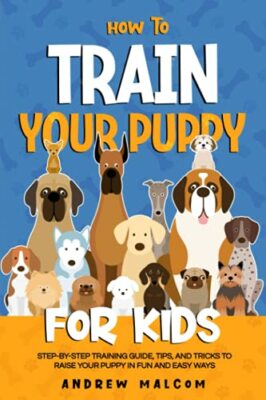
Credit: www.amazon.com
Frequently Asked Questions
How Long Does It Take To Train A Puppy?
Training a puppy typically takes several weeks to months. Consistency and patience are key for effective learning. Short, frequent sessions help puppies retain commands. Early socialization accelerates training success. Every puppy learns at a different pace, so adjust methods accordingly.
What Are The Easiest Commands To Teach A Puppy?
Start with simple commands like sit, stay, come, and down. These commands build a foundation for good behavior. Use treats and praise as positive reinforcement. Keep training sessions short to maintain puppy focus. Repetition and consistency are essential for mastery.
How Often Should I Train My Puppy Daily?
Train your puppy 5 to 10 minutes, 2 to 3 times daily. Short sessions prevent boredom and improve focus. Frequent training reinforces good habits and quickens learning. Always end sessions on a positive note to encourage enthusiasm.
When Should Puppy Training Begin?
Begin training your puppy as soon as you bring them home, usually around 8 weeks old. Early training helps establish good habits early. Focus on basic commands and socialization. Gentle, positive methods foster trust and cooperation.
Conclusion
Training a puppy takes time and patience. Start with small steps every day. Use clear commands and gentle rewards. Keep sessions short and fun to hold attention. Consistency helps your puppy learn faster. Remember, mistakes are normal and part of learning.
Enjoy the process and celebrate small wins. A well-trained puppy brings joy and peace at home. Stay calm, be kind, and keep practicing. Your puppy will grow into a happy, well-behaved dog.


