

Have you ever noticed your dog trying to round up other pets or even people? That’s a clear sign of dog herding behavior, a fascinating instinct rooted deep in their DNA.
Understanding this natural trait can help you connect better with your furry friend and manage their energy in a positive way. If you want to discover why your dog acts this way and how to channel their herding instincts, keep reading—this guide will give you the insights and tips you need.

Credit: offleashk9nova.com
What Is Herding Behavior
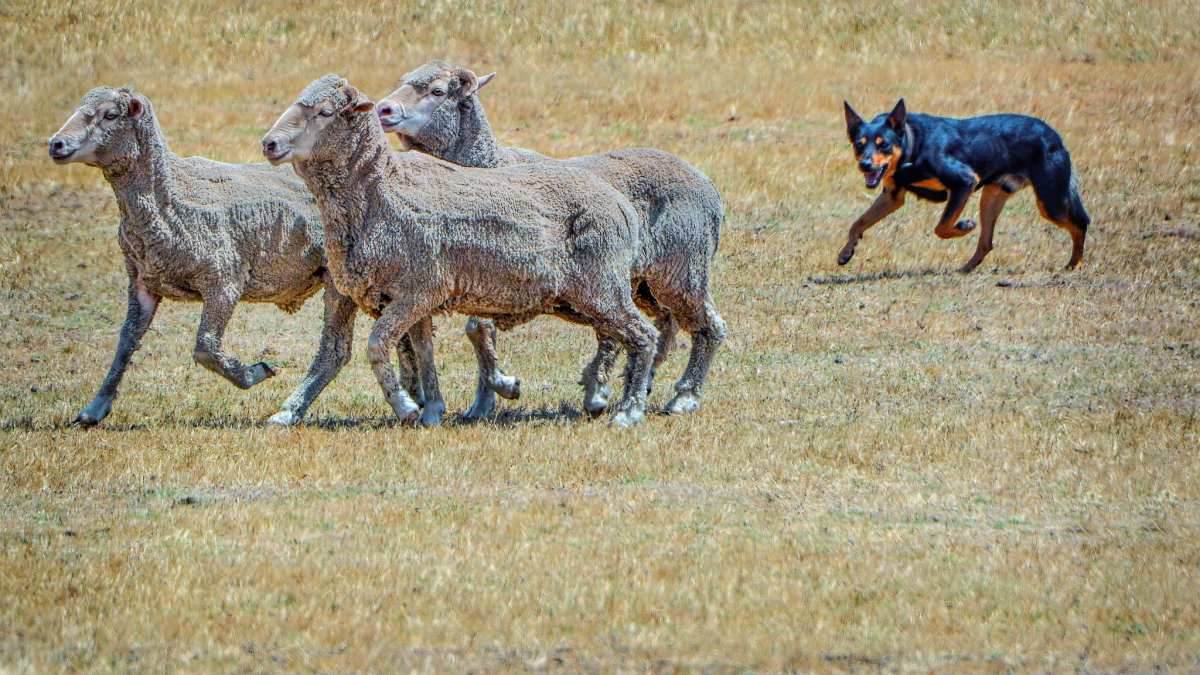
Herding behavior is a natural action seen in some dogs. It means they control the movement of animals like sheep or cattle. These dogs guide and keep the animals together. This behavior helps farmers manage their livestock easily.
Dogs with herding instincts often try to gather people, pets, or objects. They may nudge or circle around to keep things in order. This is part of their strong natural drive. Understanding herding helps owners train and care for these dogs better.
Origins Of Herding Instincts
Herding instincts come from a dog’s history of working with humans. Long ago, people bred dogs to protect and move livestock. These dogs developed special skills to watch over and guide animals. Their brains learned to react quickly to movement.
Herding behavior is tied to survival and cooperation. Dogs that could control herds helped farmers succeed. These instincts passed down through generations. Even today, herding dogs show strong control and focus.
Common Herding Breeds
Some dog breeds are known for strong herding skills. Border Collies are famous for their intelligence and agility. Australian Shepherds are active and love to work. German Shepherds also have herding roots and are very loyal.
Other breeds like Shetland Sheepdogs and Corgis show herding behavior too. These dogs enjoy having a job to do. They need plenty of exercise and mental challenges. Knowing the breed helps understand their herding needs.

Credit: advanced-hindsight.com
Signs Of Herding Behavior
Herding behavior in dogs shows through various signs. These signs help identify if a dog has herding instincts. Recognizing these signs can help owners understand their dog’s needs and actions better.
Herding is natural for many breeds. It involves guiding or controlling other animals or people. The behavior can be subtle or very clear.
Physical Actions And Movements
Dogs with herding instincts use specific body movements. They often crouch low to the ground. This posture helps them stay ready to move quickly.
These dogs may circle around people or animals. They use quick, short steps to steer others. Tail and ear positions also show focus and alertness.
Eye contact is strong and steady. This helps control the herd without force. Sometimes, dogs nip gently at heels to guide movement.
Behavioral Traits To Watch
Herding dogs show high energy and alertness. They watch closely and react fast to movement. These dogs may try to gather family members or pets.
Some dogs bark to direct or warn. They may become restless if they cannot herd. This can lead to pacing or whining.
Strong focus on moving targets is common. Herding dogs often want to control where others go. This trait shows their natural drive and purpose.
Benefits Of Herding Instincts
Herding instincts give dogs more than just a job. These natural behaviors help dogs stay sharp and healthy. Using their herding skills brings many good things for their mind and body. It keeps them busy and happy.
Mental Stimulation
Herding requires dogs to think and react quickly. They solve problems and make choices fast. This mental workout helps stop boredom and unwanted behaviors. Dogs feel more focused and confident.
Physical Exercise
Herding makes dogs move a lot. Running, turning, and chasing use many muscles. This exercise keeps dogs strong and fit. It also helps release energy and lowers stress.
Training Your Dog’s Herding Skills
Training your dog’s herding skills is a rewarding process. It taps into natural instincts and builds a strong bond. Your dog learns control, focus, and teamwork. Training also keeps your dog active and happy. Start with simple steps, then move to more complex tasks. Patience and consistency are key to success.
Basic Commands For Herding
Begin with clear, simple commands. Use words like “come,” “stay,” and “stop.” Teach your dog to respond quickly and calmly. Add herding-specific commands like “go” and “turn.” Use gentle praise and treats for motivation. Keep training sessions short and fun. Repeat commands often to build understanding.
Safe Herding Activities
Choose safe, open spaces for herding practice. Avoid crowded or noisy areas that distract your dog. Use soft balls or cones to simulate herding targets. Always watch your dog closely to prevent injuries. Allow regular breaks to avoid overworking. Herding should be enjoyable, not stressful. Safety helps your dog learn better and faster.
Managing Excessive Herding
Managing excessive herding is key to keeping your dog calm and happy. Dogs with strong herding instincts may chase or nip at people or animals. This behavior can cause stress for both the dog and family members. Training and patience help reduce these urges effectively. Consistent actions guide your dog toward better habits.
Redirecting Herding Urges
Redirect your dog’s herding energy to safe activities. Offer toys or puzzles to keep their mind busy. Teach commands like “sit” or “stay” to interrupt chasing. Walks or runs help burn off extra energy. Use positive rewards when your dog follows commands. This builds good habits and lessens herding drives.
Preventing Problematic Behavior
Set clear boundaries early to prevent bad habits. Avoid games that encourage chasing or nipping. Give your dog enough exercise to reduce restlessness. Socialize your dog with other animals and people. Monitor your dog closely during playtime. Early training stops herding behavior from becoming a problem.
Credit: discover.hubpages.com
Herding In Everyday Life
Dogs with herding instincts often show unique behaviors in daily life. Their natural drive makes them alert and focused. These dogs like to organize things around them. They try to gather family members or pets, guiding them gently.
Owners can use this behavior to create fun, engaging activities. Understanding herding helps improve communication with dogs. It also strengthens the bond between the dog and the owner.
Incorporating Herding Into Play
Playtime can include herding exercises. Use toys or balls to encourage gathering and chasing. Create simple commands to guide your dog’s movements. This keeps their mind active and body fit. Safe, controlled play prevents unwanted herding on people or cars.
Herding Sports And Competitions
Herding sports offer a way to show skills. Dogs move sheep or other animals through courses. These events test focus, speed, and teamwork. Training for competitions improves obedience and confidence. Many dogs enjoy the challenge and praise from handlers.
Frequently Asked Questions
What Is Dog Herding Behavior?
Dog herding behavior is an instinctive action where dogs control the movement of animals or people. It involves chasing, nipping, and circling to guide or gather a group. This behavior is common in herding breeds like Border Collies and Australian Shepherds.
Why Do Some Dogs Herd People?
Dogs herd people due to their natural instincts to control movement. Herding breeds use this behavior to organize groups and keep them together. It often appears as nipping at heels or circling around children or other pets.
How Can You Manage Dog Herding Behavior?
Managing dog herding involves training and redirecting energy. Teach commands like “stay” and “leave it” to control herding impulses. Provide plenty of physical and mental exercise to reduce excess energy that triggers herding.
Are All Dogs Born With Herding Instincts?
Not all dogs have herding instincts. Herding behavior is mainly found in specific breeds bred for livestock management. However, some non-herding breeds may show mild herding tendencies due to their playful nature or personality.
Conclusion
Dog herding behavior shows how dogs think and act naturally. This behavior helps dogs work well with people and animals. Understanding it can improve training and care. Dogs use herding to guide and protect. Watching these actions helps owners connect better with their pets.
Respecting this instinct keeps dogs happy and healthy. Every dog may show herding in different ways. Knowing this helps you support your dog’s needs. Embrace your dog’s natural traits for a strong bond.


