

Bringing home an 8-week-old puppy is exciting, but it can also feel overwhelming. You want your puppy to grow into a well-behaved, happy dog, and the best time to start is now.
Imagine having clear, simple steps that help you train your puppy easily and effectively. This guide gives you practical puppy training tips tailored for those first crucial weeks. Keep reading, and you’ll discover how small changes in your approach can make a big difference in your puppy’s behavior—and your peace of mind.
Preparing For Your Puppy
Preparing for your puppy is an exciting step. It sets the stage for a happy and healthy life together. Getting ready means planning carefully and thinking about what your puppy needs.
Good preparation helps your puppy feel safe and loved. It also makes training easier and more fun for both of you.
Choosing The Right Supplies
Select essential supplies before your puppy arrives. Start with a sturdy collar and a leash for walks. Pick a comfortable bed where your puppy can rest. Choose food and water bowls that are easy to clean.
Buy high-quality puppy food suitable for their age. Chew toys help keep your puppy busy and protect your belongings. Also, get grooming tools like brushes and nail clippers for regular care.
Creating A Safe Space
Set up a safe area in your home for your puppy. This space should be quiet and free from hazards. Remove small objects that could be swallowed. Cover electrical cords and block off stairs or rooms you don’t want them to access.
A crate or playpen can offer a cozy retreat. It helps your puppy learn to relax and feel secure. Keep their bed and toys in this space to make it inviting.
Setting A Routine
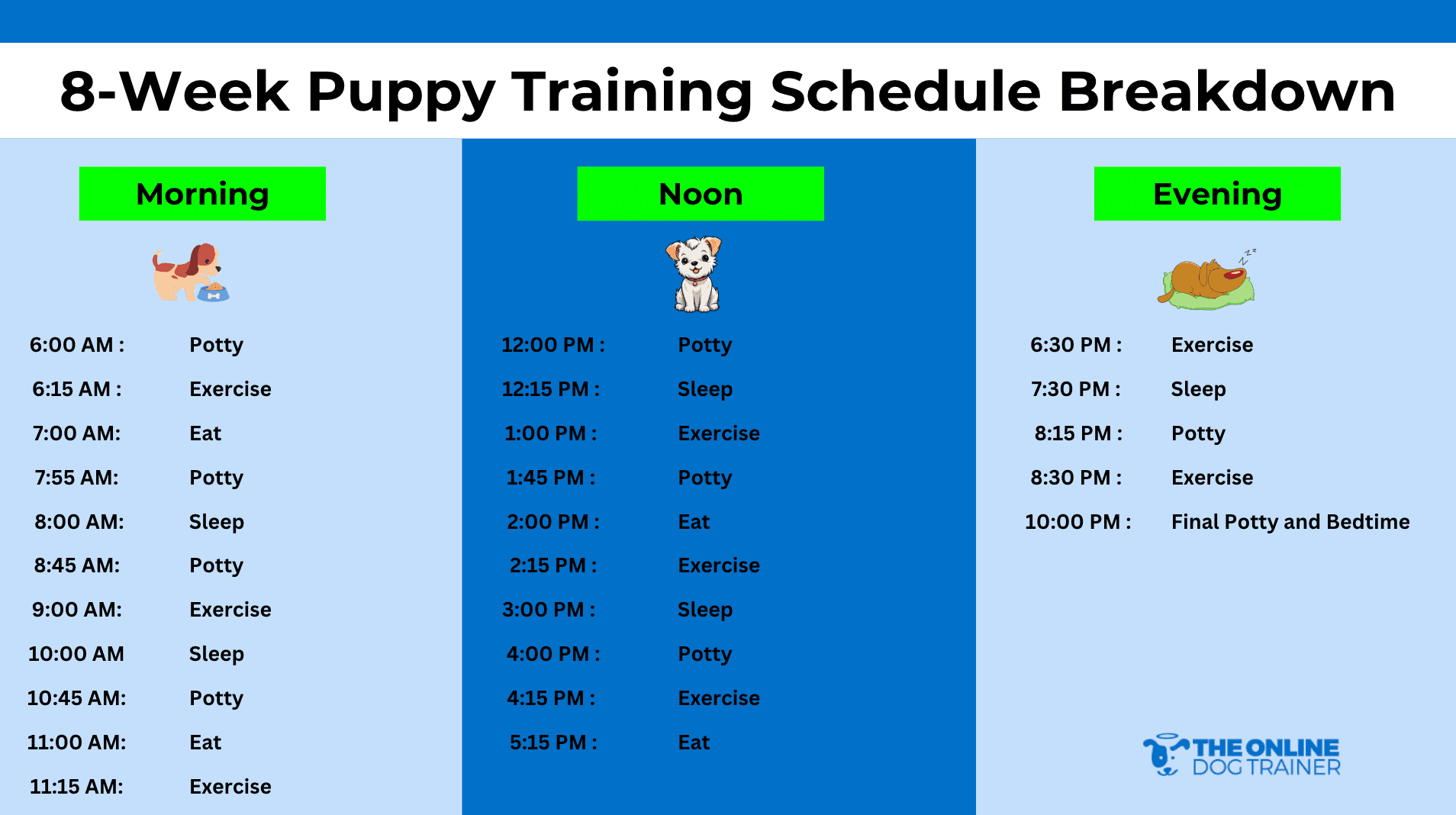
Puppies thrive on routine. Plan regular times for feeding, potty breaks, and play. Consistency helps them learn faster and feel safe. Early training sessions should be short and positive.
Stick to a bedtime and wake-up time. This helps your puppy adjust to your schedule. Predictable routines reduce stress and encourage good behavior.

Credit: www.youtube.com
House Training Basics
House training is the first big step for your new puppy. It helps your puppy learn where to go potty and builds good habits early. Consistency and patience are key. Start with simple routines and gentle guidance. This makes training clear and easier for your puppy to follow.
Establishing A Potty Schedule
Set regular times for your puppy to go outside. Take your puppy out first thing in the morning, after meals, and before bedtime. Puppies have small bladders and need frequent breaks. A steady schedule reduces accidents and helps your puppy learn faster.
Using Positive Reinforcement
Praise your puppy when it goes potty outside. Use kind words and gentle petting to show approval. Treats can also motivate your puppy. Positive rewards build good habits and make training a happy experience.
Handling Accidents Calmly
Accidents happen. Stay calm and avoid punishment. Clean the area well to remove smells. This stops your puppy from returning there. Calm reactions help your puppy feel safe and learn the right place to go.
Socialization Strategies
Socialization is key for a happy, well-behaved puppy. It helps your puppy learn how to meet new friends and handle new places. Proper socialization makes your puppy less scared and more confident. Start socializing your puppy at 8 weeks old for best results.
Introducing New People And Pets
Let your puppy meet different people often. Include adults, children, and people with different looks. Keep meetings calm and positive. Use treats to create good memories. Also, introduce your puppy to other dogs and pets slowly. Watch their reactions. Stop if your puppy feels scared or stressed.
Exposure To Different Environments
Take your puppy to many places. Try parks, busy streets, and quiet areas. Let your puppy explore new sights, sounds, and smells. Keep the visits short and fun. Carry treats and praise your puppy for calm behavior. Different environments help puppies feel safe everywhere.
Preventing Fear And Aggression
Watch for signs of fear or stress. Yawning, hiding, or growling means your puppy needs a break. Do not force interactions. Use gentle praise and treats to build trust. Early positive experiences reduce fear and stop aggression later. Patience and kindness work best.
Credit: www.labiosthetique.ee
Basic Commands To Teach
Teaching your puppy basic commands at 8 weeks helps build good behavior early. These commands create a strong foundation for training. Start with simple tasks that your puppy can learn quickly. Training sessions should be short and fun to keep your puppy interested. Consistency is key to helping your puppy understand what you expect.
Sit And Stay
Begin with the “Sit” command. Hold a treat above your puppy’s nose. Move the treat back slowly over their head. Most puppies will sit naturally to follow the treat. Say “Sit” clearly and give the treat as a reward. Repeat this several times daily. Once your puppy sits on command, add “Stay.” Use a calm voice and hold your hand up like a stop sign. Start with short stays, then increase the time gradually. Reward your puppy for staying calm and still.
Come When Called
“Come” is an important command for your puppy’s safety. Use a happy, excited voice to call your puppy’s name followed by “Come.” When your puppy comes to you, give praise and a treat. Practice this inside first with few distractions. Slowly add more distance and distractions. Always reward your puppy for coming quickly. Never punish your puppy if they do not come right away. Keep this training positive and encouraging.
Leash Walking
Start leash training in a quiet area. Let your puppy wear the collar and leash for a few minutes. Encourage your puppy to walk beside you using treats. Use a gentle tug to guide your puppy if they pull. Stop walking if your puppy pulls too hard. Wait until the leash is loose, then continue. Practice short walks and increase the time each day. Leash walking teaches good manners and keeps your puppy safe outside.
Managing Chewing And Biting
Puppies explore the world with their mouths. Chewing and biting are natural behaviors for young dogs. Managing these actions helps protect your belongings and teaches your puppy good manners. Start early to guide your puppy gently and clearly. This reduces frustration for both of you.
Providing Appropriate Toys
Offer your puppy safe and sturdy toys to chew on. Toys made for teething puppies help soothe sore gums. Rotate toys often to keep your puppy interested. Avoid giving items that can break easily or cause harm. Always supervise playtime to ensure safety.
Redirecting Unwanted Behavior
When your puppy bites hands or furniture, gently say “no.” Replace the item with a toy immediately. Praise your puppy when they chew on the correct toy. Consistent redirection teaches what is okay to bite. Avoid yelling or hitting, which can confuse your puppy.
Teaching Bite Inhibition
Let your puppy learn to control the force of their bite. If the puppy bites too hard, stop playing and say “ouch.” Wait a moment before resuming play. This shows your puppy that hard bites end fun. Practice patience and repeat this often for best results.
Health And Wellness Tips
Keeping your 8-week-old puppy healthy is very important. Good health helps your puppy grow strong and happy. Early care sets the stage for a long, joyful life. Simple steps can make a big difference in your puppy’s wellness.
Focus on three main areas: vet visits, nutrition, and exercise. Each part supports your puppy’s body and mind. Let’s explore these key health and wellness tips for your new furry friend.
Regular Vet Visits
Schedule vet visits right away. Your vet checks your puppy’s growth and health. They give important vaccines to prevent diseases. Early visits help spot problems before they grow. Keep a record of all vet visits and shots.
Balanced Nutrition
Feed your puppy high-quality food made for young dogs. Balanced meals give energy and nutrients for growth. Avoid feeding human food or scraps. Measure food portions to keep a healthy weight. Fresh water should always be available.
Exercise And Play
Exercise helps your puppy build muscles and burn energy. Playtime also supports mental growth and learning. Short, gentle walks and safe toys are good choices. Avoid too much exercise to protect growing bones. Regular activity creates a happy, well-behaved puppy.
Troubleshooting Common Issues
Training a puppy at 8 weeks can bring many challenges. Some common problems may arise. Knowing how to handle these issues helps your puppy grow happy and confident.
Separation Anxiety
Puppies may feel scared when left alone. They might cry or chew things. Start with short alone times. Give a favorite toy to comfort them. Stay calm and patient. Gradually increase the time apart.
Excessive Barking
Some puppies bark a lot. It can be from boredom or fear. Teach a “quiet” command with treats. Give attention only when they are calm. Provide plenty of play and exercise. This helps reduce barking naturally.
Fearful Behavior
Puppies may be shy or scared of new things. Introduce new sounds and people slowly. Use gentle praise and treats. Never force your puppy into scary situations. Build trust with kindness and patience.
Credit: www.etsy.com
Frequently Asked Questions
How Do I Start Training My 8-week-old Puppy?
Begin with basic commands like sit, stay, and come. Use positive reinforcement such as treats and praise. Keep training sessions short, around 5-10 minutes, to match your puppy’s attention span. Consistency and patience are key for successful early training.
What Is The Best Potty Training Method For Puppies?
Use crate training to encourage bladder control. Take your puppy outside frequently, especially after meals and naps. Praise them immediately after they eliminate outdoors. Consistent routines help your puppy learn where to go potty quickly and effectively.
How Often Should I Train My Puppy Daily?
Train your puppy 2 to 3 times a day. Keep each session brief, about 5 to 10 minutes. Frequent, short sessions help maintain your puppy’s focus and prevent frustration. Consistency in daily training accelerates learning and builds good habits.
When Should Socialization Begin For An 8-week Puppy?
Start socialization immediately at 8 weeks old. Introduce your puppy to different people, animals, and environments safely. Early socialization prevents fear and aggression later. Always ensure experiences are positive and controlled to build confidence.
Conclusion
Training your puppy at eight weeks builds a strong foundation. Keep sessions short and fun to hold their attention. Use treats and praise to encourage good behavior. Be patient and consistent every day. Puppies learn best with gentle guidance and love.
Small steps lead to big progress. Enjoy the journey of raising a happy, well-behaved dog. Your effort today shapes their future. Stay calm and positive throughout training. Soon, your puppy will grow into a trusted companion.


