

Are you struggling to get your new puppy to go potty outside? Housebreaking a puppy can feel overwhelming, but it doesn’t have to be.
With the right tips and a little patience, you can teach your puppy good habits quickly and easily. Imagine a clean home, fewer accidents, and a happier puppy who knows exactly where to go. Keep reading, and you’ll discover simple, effective steps that make housebreaking your puppy a smooth and stress-free experience for both of you.
Preparing For Housebreaking
Preparing for housebreaking sets the stage for success. It makes training easier and faster. Taking time to get ready helps your puppy learn good habits. A smooth start means fewer accidents and happier pets. Focus on two key areas: the supplies you need and the schedule to follow.
Choosing The Right Supplies
Pick supplies that fit your puppy’s size and needs. A crate helps teach your puppy control. Get puppy pads for indoor accidents. Use a leash for outside trips. Choose cleaning products that remove odors well. This stops your puppy from going in the same spot again. Have treats ready to reward good behavior. The right supplies make training clear and simple.
Setting A Consistent Schedule
Set a daily routine for feeding and potty breaks. Take your puppy out first thing in the morning. Offer trips after meals and naps. Regular times help your puppy know when to go. Consistency builds trust and reduces accidents. Keep a close eye during early days. This helps catch signs your puppy needs to go. A steady schedule speeds up housebreaking progress.
Credit: ipr.iitr.ac.in
Establishing A Routine
Establishing a routine is key for housebreaking a puppy. Puppies learn best when they know what to expect. A regular schedule helps them feel safe and understand when to go outside. Consistency trains their bladder and bowels to work on a reliable timetable.
Feeding And Potty Times
Feed your puppy at the same times every day. This predictability helps their digestion stay steady. After eating, puppies usually need to go potty within 10 to 30 minutes. Watch for signs like sniffing or circling. Take them outside right away to the same spot. This builds a strong connection between eating and potty breaks.
Regular Outdoor Breaks
Take your puppy outside often throughout the day. Young puppies may need a break every one to two hours. Early morning, after naps, and before bedtime are important times. Always use the same door and spot. Praise your puppy when they go potty outdoors. This routine teaches them where and when to relieve themselves.
Using Positive Reinforcement
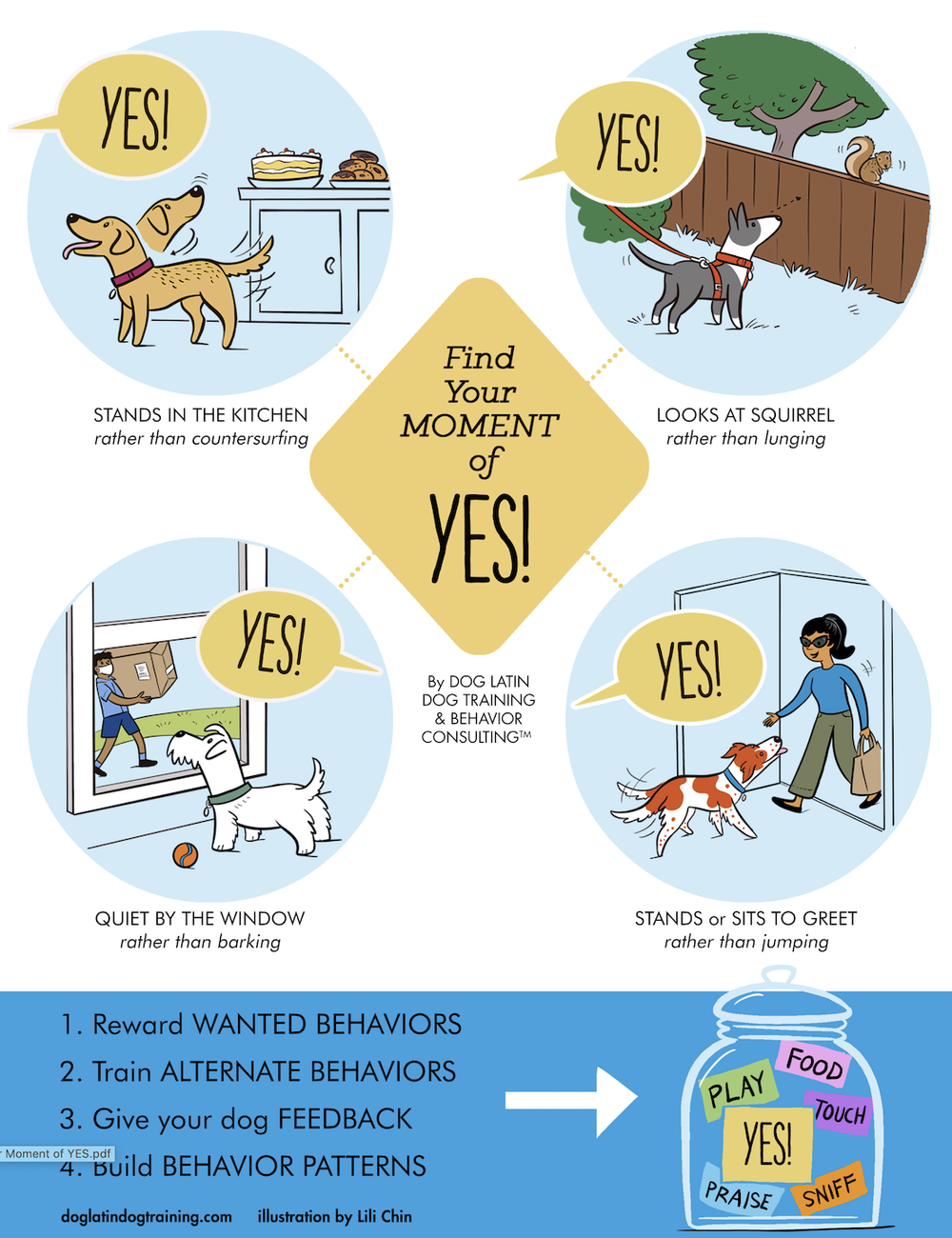
Using positive reinforcement helps your puppy learn faster and happily. It builds trust and makes training fun. Puppies respond well to kind words and treats. This method encourages good habits and reduces stress for your pet.
Rewarding Good Behavior
Give your puppy a treat or praise right after they do the right thing. Quick rewards help them connect actions with positive results. Use small, tasty treats that your puppy loves. Verbal praise like “Good job!” also works well. Consistency is key. Reward every good action during housebreaking.
Avoiding Punishments
Never punish your puppy for accidents. Punishment can cause fear and confusion. Instead, calmly clean the mess and guide them to the right spot. Focus on showing your puppy what to do, not what not to do. Positive reinforcement helps puppies learn faster than punishment.
Managing Accidents Effectively
Accidents are part of housebreaking a puppy. Handling these moments well helps your puppy learn faster. Staying calm and cleaning properly stops repeated mistakes. This section shares tips to manage accidents with ease.
Cleaning And Odor Removal
Clean accidents quickly to prevent stains and smells. Use enzyme-based cleaners to break down urine odors. Avoid ammonia cleaners; they can confuse your puppy. Wash any fabric or carpet thoroughly. Odor-free areas reduce the chance of repeat accidents.
Staying Patient And Calm
Accidents test your patience. Stay calm and avoid yelling. Puppies learn better with gentle guidance. Use a soft voice to redirect your puppy. Remember, mistakes are part of learning. Praise your puppy when they go outside correctly.
Crate Training Benefits
Crate training offers many benefits for housebreaking a puppy. It creates a safe space for your puppy. The crate helps teach bladder control and reduces accidents. It also keeps your puppy secure when unsupervised. Puppies learn to hold their needs, making housebreaking easier. The crate becomes a cozy den your puppy enjoys. It helps reduce anxiety and destructive behavior. Consistent crate use supports faster potty training success.
Choosing The Right Crate
Select a crate that fits your puppy comfortably. The puppy should stand, turn, and lie down easily. Avoid crates that are too large; puppies may use a corner as a bathroom. Look for crates with good ventilation and easy access. Plastic crates or wire crates work well for most puppies. Portability and ease of cleaning are important factors. Proper size encourages your puppy to treat the crate as their den.
Introducing The Crate Gradually
Start by placing the crate in a common area. Leave the door open and add soft bedding inside. Encourage your puppy to explore the crate on their own. Use treats and praise to create positive feelings. Close the door briefly while you sit nearby. Gradually increase crate time as your puppy gets comfortable. Avoid forcing your puppy inside or closing the door suddenly. A calm, slow introduction builds trust and acceptance.
Credit: www.sadiesrulesk9training.com
Common Challenges And Fixes
Housebreaking a puppy is not always smooth. Challenges can slow progress and cause frustration. Knowing common problems and their fixes helps keep training on track.
Patience and consistency remain key. Small mistakes do not mean failure. Addressing issues early helps puppies learn better habits.
Dealing With Stubborn Puppies
Some puppies resist housebreaking. They may ignore signals or refuse to go outside. This behavior needs calm and firm handling.
Set a clear routine for bathroom breaks. Take the puppy out often, especially after meals and naps. Praise immediately for going outside. Avoid punishment; it confuses and frightens puppies.
Use a crate to limit space. Puppies rarely soil their sleeping area. This encourages holding until outside. If accidents happen, clean the spot thoroughly to remove smells.
Handling Nighttime Accidents
Night accidents are common, especially with young puppies. They have small bladders and less control. Prepare to wake up for bathroom breaks.
Keep the crate near your bed. This helps you hear cues and respond quickly. Limit water intake a few hours before bedtime. Take the puppy out right before sleeping.
If accidents occur, do not scold. Clean the area with an enzyme cleaner. Puppies learn best with gentle guidance and patience.

Credit: www.willworkfortreats.com
Frequently Asked Questions
How Long Does It Take To Housebreak A Puppy?
Housebreaking a puppy usually takes 4 to 6 months. Consistency and patience speed up training. Every puppy learns at its own pace, so stay positive and persistent.
What Are The Best Housebreaking Techniques For Puppies?
Use crate training, frequent potty breaks, and positive reinforcement. Reward your puppy immediately after they eliminate outside. Avoid punishment, as it can confuse and frighten your puppy.
How Often Should I Take My Puppy Outside?
Take your puppy outside every 1 to 2 hours, especially after meals, naps, and playtime. Frequent trips help them learn where to go and reduce accidents indoors.
What Should I Do If My Puppy Has An Accident Indoors?
Clean the area thoroughly with an enzymatic cleaner to remove odors. Avoid scolding your puppy, as this can cause fear. Redirect them gently to the designated potty spot.
Conclusion
Housebreaking a puppy takes time and patience. Consistency helps your puppy learn faster. Reward good behavior with praise or treats. Watch for signs your puppy needs to go out. Keep a regular schedule for bathroom breaks. Stay calm during accidents; don’t punish your puppy.
Remember, every puppy learns at its own pace. Soon, your puppy will understand where to go. Enjoy the process and celebrate small wins. A well-trained puppy makes life easier and happier. Keep trying, and success will come.


