

Bringing a German Shorthaired Pointer puppy into your home is exciting, but training can feel overwhelming. You want your puppy to grow into a well-behaved, happy dog, and the right training makes all the difference.
Imagine having simple, effective tips that fit your busy life and help your puppy learn quickly. You’ll discover easy-to-follow advice that will make training your German Shorthaired Pointer puppy a rewarding experience for both of you. Ready to get started?
Let’s dive in!
Credit: dogsquest.com
Choosing The Right Puppy
Choosing the right German Shorthaired Pointer puppy is a big step. This choice shapes your future with the dog. Picking a healthy, well-bred puppy helps ensure a happy and active companion. Pay attention to key factors before bringing a puppy home.
Selecting A Reputable Breeder
Trustworthy breeders focus on health and temperament. They provide clear health records and socialization opportunities. Visit the breeder’s place to see puppies and parents. Ask questions about the dog’s background and care. Avoid breeders who cannot answer basic health questions.
Recognizing Healthy Traits
Look for bright eyes and clean ears. The puppy’s coat should be shiny and smooth. Check for playful behavior and curiosity. Avoid puppies that seem weak or shy. Healthy puppies have good muscle tone and move easily.
Preparing Your Home
Clear a safe space for your new puppy. Remove items that could be harmful or fragile. Have food, water bowls, and a bed ready. Prepare toys to keep the puppy busy and happy. A calm and quiet area helps the puppy settle in well.
Credit: norcalgsprescue.org
Basic Training Principles
Training a German Shorthaired Pointer puppy starts with basic principles. These help your puppy learn good behavior. Clear rules make training easier. It builds trust between you and your puppy. Simple steps create strong habits early.
Training needs time and care. A calm approach helps your puppy feel safe. Early lessons form the base for future skills. Focus on small, clear commands. This keeps your puppy focused and eager to learn.
Establishing A Routine
Puppies thrive on routine. Set specific times for training sessions. Short sessions work best. This keeps your puppy’s attention sharp. Regular feeding, walking, and playtimes support learning. Predictable activities reduce stress for your puppy.
Positive Reinforcement Techniques
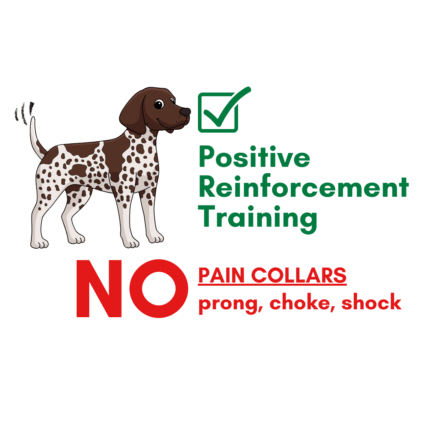
Reward good behavior immediately. Use treats, praise, or gentle petting. This teaches your puppy what you want. Avoid punishment; it can cause fear. Positive rewards build confidence and eagerness. Clear rewards help your puppy repeat good actions.
Consistency And Patience
Always use the same words for commands. Everyone in the family should follow the same rules. Repetition helps your puppy remember commands. Be patient; puppies need time to learn. Mistakes are normal, so stay calm. Consistency and patience lead to better results.
Housebreaking Your Puppy
Housebreaking a German Shorthaired Pointer puppy is a key step in training. This process teaches your puppy where and when to go to the bathroom. It needs patience and consistency. Early training helps avoid accidents and builds good habits. Your puppy learns to understand your expectations and feel secure.
Creating A Bathroom Schedule
Set regular times for bathroom breaks. Take your puppy out first thing in the morning. Offer a chance after meals and naps. Consistency helps your puppy learn faster. Shorthaired Pointers respond well to routines. Watch for signs like sniffing or circling. These mean your puppy needs to go.
Crate Training Benefits
A crate gives your puppy a safe space. Dogs avoid soiling their sleeping area. Use the crate to help control bathroom habits. Make it comfortable with soft bedding. Never use the crate for punishment. Keep crate time short at first. Gradually increase time as your puppy grows. Crate training supports housebreaking success.
Managing Accidents Effectively
Accidents happen and should be handled calmly. Clean the area thoroughly to remove smells. Use an enzymatic cleaner for best results. Avoid scolding your puppy after accidents. Negative reactions confuse your dog. Instead, praise your puppy after successful bathroom trips. Patience and positive reinforcement work best.
Socializing Your Puppy
Socializing your German Shorthaired Pointer puppy is very important. It helps your puppy become confident and friendly. Early socialization prevents fear and aggression. It shapes your puppy’s behavior for life. Start socializing as soon as your puppy is ready. Make each experience positive and calm. Here are key tips on socializing your puppy.
Introducing To New People And Pets
Introduce your puppy to many people gently. Let your puppy meet adults and children. Watch your puppy’s body language closely. Allow sniffing and calm greetings. Avoid forcing contact if your puppy seems scared.
Introduce your puppy to other pets slowly. Use controlled meetings in a quiet place. Keep the first encounters short and positive. Reward calm and friendly behavior with treats. This builds trust and good habits early.
Exposure To Different Environments
Take your puppy to various places. Try parks, streets, and pet-friendly stores. Let your puppy explore new sights and sounds. Keep your puppy safe and on a leash. Change the routes often to avoid boredom.
Outdoor noises can be loud and strange. Use treats and praise to create positive feelings. A well-exposed puppy adapts better to change. This reduces fear in new places later.
Handling Fear And Anxiety
Some puppies feel scared during new experiences. Stay calm and patient. Do not rush your puppy’s progress. Use gentle praise and soft voices.
If your puppy shows anxiety, give space and time. Try shorter sessions and increase slowly. Offer a favorite toy or treat for comfort. Seek advice from a vet or trainer if fear lasts.
Basic Obedience Commands
Teaching basic obedience commands to your German Shorthaired Pointer puppy builds trust and good behavior. It helps your puppy understand what you expect. These commands keep your puppy safe and happy. Start early with simple lessons. Practice often and keep training short. Use clear words and gentle praise. Be patient and consistent for best results.
Teaching Sit And Stay
Start with the “sit” command. Hold a treat close to your puppy’s nose. Move your hand up. Your puppy will sit naturally. Say “sit” and give the treat. Repeat several times a day. Once your puppy sits well, teach “stay.” Ask your puppy to sit. Show your hand like a stop sign. Say “stay” and step back slowly. Return quickly and reward your puppy. Increase the distance and time gradually.
Recall Training
Recall means your puppy comes to you on command. Use a happy voice and say “come.” Show a treat or favorite toy. When your puppy comes, give praise and reward. Practice in a safe, enclosed area first. Make recall fun and rewarding. Avoid punishment if your puppy does not come. Be patient and repeat often. This command is key for your puppy’s safety.
Leash Walking Skills
Leash walking teaches your puppy to walk beside you calmly. Use a short leash and a collar or harness. Start indoors or in a quiet area. Let your puppy get used to the leash. Hold treats at your side. Encourage your puppy to follow you. Stop and wait if your puppy pulls. Say “heel” or “let’s go” to guide. Reward your puppy for walking nicely. Keep sessions short and positive.
Mental And Physical Exercise
German Shorthaired Pointer puppies need both mental and physical exercise to stay happy. These dogs have lots of energy and sharp minds. Without enough activity, they can become bored and act out. Training should include ways to challenge their brain and body every day.
Daily Activity Recommendations
Plan at least one hour of exercise each day. Walks, runs, or playtime in a safe yard work well. Break the time into two or three sessions to keep your puppy fresh. Use varied activities to keep interest high. This helps build good habits and tire your puppy in a healthy way.
Interactive Toys And Games
Use toys that make your puppy think. Puzzle feeders and treat-dispensing toys are great options. These toys encourage problem-solving and keep your puppy busy. Play hide-and-seek with toys or treats to engage their nose and brain. Interactive games reduce boredom and improve focus during training.
Training With Hunting Drills
Hunting drills match the German Shorthaired Pointer’s natural skills. Teach your puppy to track scents or retrieve objects. Use short sessions and reward success. These drills build confidence and sharpen instincts. Regular practice helps your puppy stay alert and ready for more advanced training.
Dealing With Common Challenges
Training a German Shorthaired Pointer puppy comes with some common challenges. These puppies are smart and full of energy. They need clear guidance and patience. Understanding these challenges helps you train better. It also builds a stronger bond with your puppy.
Below are tips to handle biting, barking, and hyperactivity. These issues often test your patience. But with simple steps, you can manage them well.
Biting And Chewing Habits
German Shorthaired Pointer puppies explore the world with their mouths. They bite and chew to learn and relieve teething pain. Stop biting by giving a chew toy right away. Praise your puppy when it chews the right item. Avoid using your hands as toys. This teaches the puppy what is okay to bite.
Redirect biting to toys. Use firm commands like “No” or “Stop” when biting happens. Consistency is key. This helps your puppy understand limits clearly.
Excessive Barking Solutions
Barking is normal for German Shorthaired Pointer puppies. It shows excitement or alertness. Watch for patterns to find the cause. Is your puppy bored or scared? Give enough exercise and attention daily. A tired puppy barks less.
Use calm commands like “Quiet” or “Enough” to stop barking. Reward quiet behavior with treats or praise. Avoid yelling, as it can increase barking. Train your puppy to bark only when needed.
Managing Hyperactivity
These puppies have lots of energy. Hyperactivity can cause trouble at home. Provide daily exercise like walks, play, or running. Mental games also help burn energy. Teach simple commands to focus their mind.
Short training sessions work best. End each session on a positive note. A calm puppy is easier to train and live with.

Credit: www.amazon.com
Health And Nutrition Tips
Taking care of your German Shorthaired Pointer puppy’s health and nutrition is important. Good health starts with the right food and care. Healthy puppies grow strong and happy. This section covers simple tips to help your puppy stay in great shape.
Balanced Diet Choices
Choose food made for puppies. It has the right vitamins and minerals. Feed high-quality dry or wet food that supports growth. Include proteins like chicken or fish for muscles. Avoid giving too many treats or human food. Fresh water should always be available. A balanced diet helps your puppy gain energy and stay active.
Regular Vet Checkups
Take your puppy to the vet for regular checkups. Vets check for illness and growth problems. Vaccinations protect against common diseases. Deworming keeps parasites away. Early visits help catch health issues fast. Keep a record of all vet visits and shots. Regular checkups ensure your puppy stays healthy.
Grooming Essentials
Brush your puppy’s coat often to remove dirt and loose hair. Bathing keeps the coat clean and shiny. Check ears for dirt or infection. Trim nails to prevent injury. Brush teeth to avoid bad breath and decay. Grooming helps your puppy feel fresh and comfortable. It also builds trust between you and your dog.
Frequently Asked Questions
How Early Should I Start Training A German Shorthaired Pointer Puppy?
Begin training as soon as you bring your puppy home, ideally at 8 weeks. Early socialization and basic commands set a strong foundation for good behavior and confidence.
What Are The Best Training Methods For German Shorthaired Pointers?
Use positive reinforcement techniques like treats, praise, and play. These dogs respond well to consistent, patient, and reward-based training rather than harsh corrections or punishment.
How Can I Prevent My German Shorthaired Pointer Puppy From Chewing?
Provide plenty of chew toys and supervise your puppy closely. Redirect chewing to toys and reward good behavior to discourage destructive chewing habits early on.
How Often Should I Exercise My German Shorthaired Pointer Puppy?
Exercise your puppy daily for at least 30 to 60 minutes. Regular physical activity helps burn energy, reduces behavioral problems, and supports healthy development.
Conclusion
Training a German Shorthaired Pointer puppy takes time and patience. Start early and be consistent with commands. Use positive rewards to encourage good behavior. Keep training sessions short and fun to hold attention. Socialize your puppy with people and other dogs often.
Remember, gentle guidance helps build trust and respect. Enjoy the process and watch your puppy grow smart and happy. Good training creates a strong bond that lasts. Keep learning and stay patient every step of the way. Your puppy will thank you with loyalty and love.


