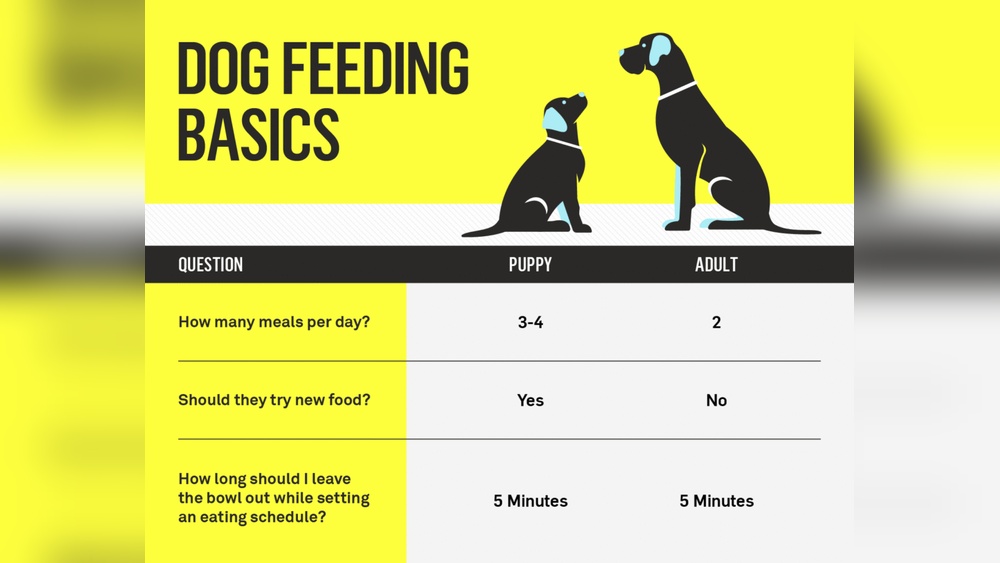
Are you unsure how much dog food your adult dog really needs? Feeding your dog the right amount is key to keeping them healthy and happy.
Too much food can lead to weight gain, while too little can leave them hungry and low on energy. You’ll discover simple tips to find the perfect portion size for your furry friend. Keep reading to make sure you’re giving your dog just what they need every day.
Credit: www.walmart.com
Daily Feeding Amounts
Feeding your adult dog the right amount of food daily is key to keeping it healthy. Too much food can cause weight gain, while too little can lead to hunger and low energy. Understanding daily feeding amounts helps maintain your dog’s weight and overall well-being.
Factors Influencing Portions
Different factors affect how much food your dog needs each day. Breed size plays a role; large dogs eat more than small ones. Age also matters, as older dogs need fewer calories. Health conditions, like illness or allergies, can change food needs. The type of food, whether dry or wet, affects portion size too.
Calculating Food By Weight
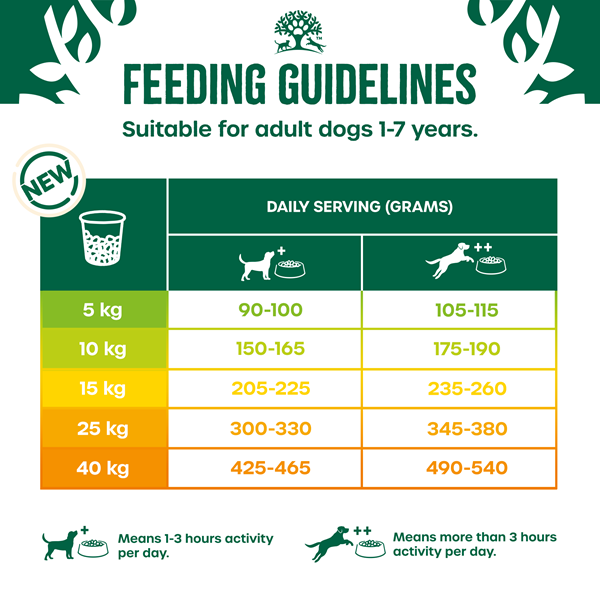
Measuring food by your dog’s weight is a simple method. Most dog food packages suggest feeding amounts based on weight. For example, a 30-pound dog may need 1 to 1.5 cups of dry food daily. Divide this into two meals to avoid overeating. Use a kitchen scale or measuring cup for accuracy.
Adjusting For Activity Levels
Activity level changes daily food needs. Active dogs burn more calories and need extra food. Less active or indoor dogs need less food to prevent weight gain. Adjust portions by increasing or decreasing about 10% based on activity. Watch your dog’s weight and energy to guide changes.
Types Of Dog Food
Choosing the right type of dog food is key for your adult dog’s health. Different foods provide different nutrients and energy levels. Understanding these types helps you feed the right amount. Here are the main types of dog food and how to measure portions for each.
Dry Kibble Portions
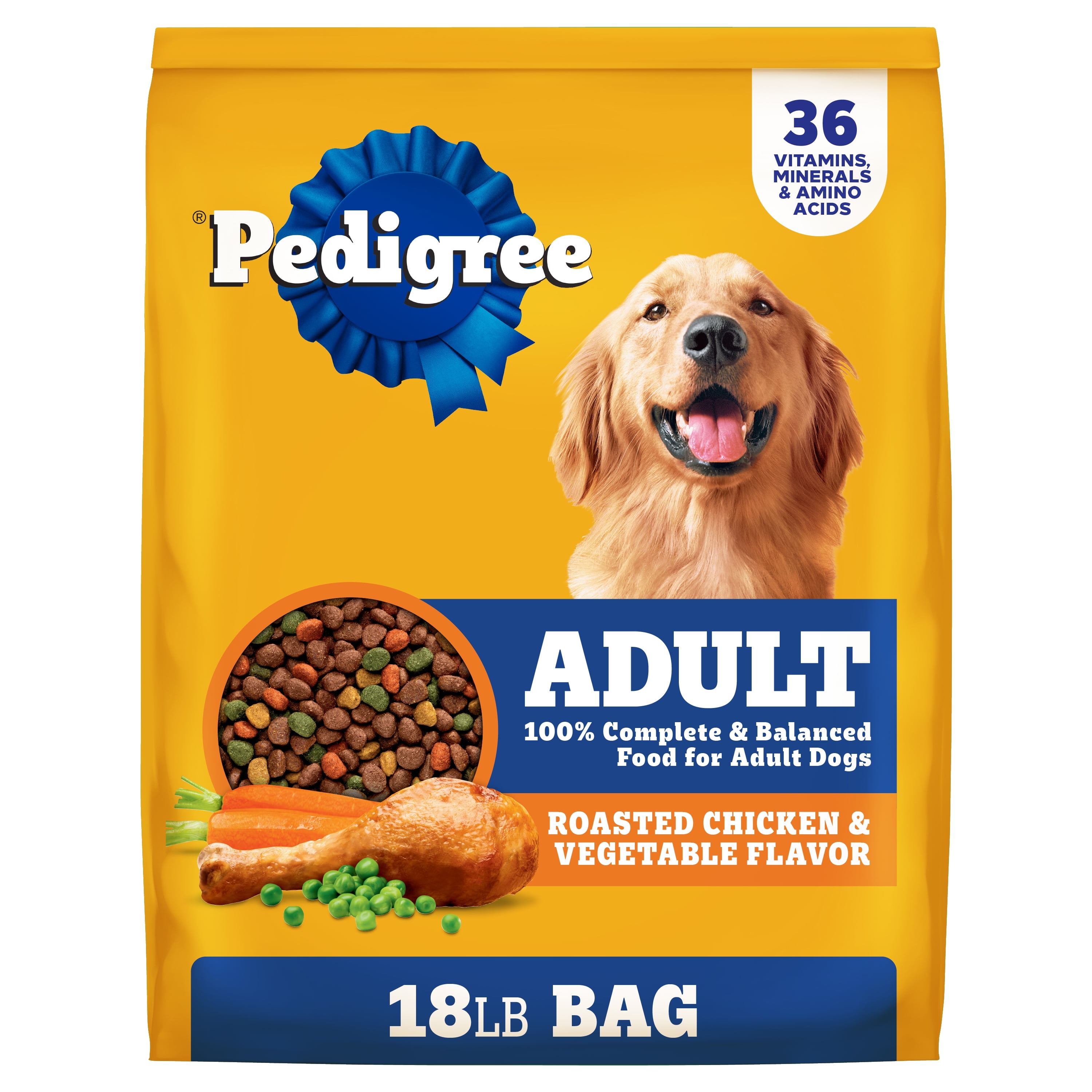
Dry kibble is popular and easy to store. It has low moisture, so dogs need more water. Portion size depends on your dog’s weight and activity. Check the package for feeding charts. Usually, 1 to 2 cups per day suit medium dogs. Divide this into two meals to keep digestion smooth.
Wet Food Guidelines
Wet food has high moisture and strong taste. It can help dogs that drink less water. Wet food is calorie-dense, so feed less than dry kibble. A typical adult dog needs about 1 to 1.5 cans daily. Follow the label instructions and adjust for your dog’s size. Mixing wet and dry food is common and safe.
Raw And Homemade Diets
Raw and homemade diets offer fresh ingredients. They require precise portioning to meet nutrition needs. Usually, feed 2% to 3% of your dog’s body weight daily. This means a 50-pound dog eats about 1 to 1.5 pounds of food. Consult a vet to balance proteins, fats, and carbs. Always handle raw food carefully to avoid contamination.
Feeding Frequency
Feeding frequency plays a key role in your adult dog’s health and happiness. It means how often you feed your dog each day. Setting a good feeding schedule helps your dog digest food better and stay active. It also keeps your dog’s weight in check. Understanding meal timings, the number of meals, and the benefits of scheduled feeding makes caring for your dog easier.
Meal Timings
Meal timings refer to the exact times you feed your dog every day. Most adult dogs do well with meals in the morning and evening. Feeding at consistent times helps your dog’s body get used to a routine. This routine supports good digestion and energy levels. Avoid feeding your dog right before or after exercise. This prevents stomach upset and discomfort.
Number Of Meals Per Day
Adult dogs usually eat two meals daily. Splitting food into two servings prevents overeating at once. It also helps maintain steady energy through the day. Some dogs may do well with three smaller meals. Watch your dog’s behavior and energy to decide what fits best. Avoid free feeding, where food is always available. Scheduled meals improve control over your dog’s diet and health.
Benefits Of Scheduled Feeding
Scheduled feeding brings many benefits to adult dogs. It helps control weight by limiting extra snacks. It reduces the chance of digestive problems like bloating. Dogs feel secure with a regular eating routine. This can reduce anxiety and begging for food. Scheduled feeding also makes it easier to spot changes in appetite. Changes could signal health issues needing attention.
Credit: wellbeloved.com
Special Considerations
Feeding an adult dog involves more than just measuring portions. Special needs affect how much food your dog should eat. Age, health, and life stages change their diet requirements. Paying attention to these factors helps keep your dog healthy and happy.
Senior Dogs
Older dogs need fewer calories than younger adults. Their metabolism slows down with age. Feeding too much can cause weight gain and joint problems. Choose food with lower calories but high nutrients. Watch for changes in appetite and adjust portions carefully.
Pregnant Or Nursing Dogs
Pregnant or nursing dogs require more energy and nutrients. Their food intake should increase gradually during pregnancy. Nursing dogs need even more calories to support milk production. Provide rich, balanced food and offer meals more often. Monitor their weight to avoid overfeeding or underfeeding.
Health Conditions Impacting Diet
Some health issues change a dog’s diet needs. Dogs with diabetes, kidney problems, or allergies need special food types. Consult your vet for the right diet plan. Adjust food amounts based on their condition and activity level. Proper feeding helps manage symptoms and improves quality of life.
Monitoring And Adjusting Intake
Monitoring your adult dog’s food intake is key to keeping them healthy. Dogs need the right amount of food to maintain a good weight and energy. Their needs can change due to age, activity, or health. Watching their eating habits helps you adjust portions properly. This keeps your dog fit and happy.
Recognizing Weight Changes
Check your dog’s weight regularly. Sudden weight gain or loss can signal a problem. Feel their ribs; you should feel them but not see them. Notice if your dog looks thinner or rounder than usual. Changes in weight affect how much food they need.
When To Modify Portions
Adjust food amounts if your dog’s weight shifts. Increase food if they lose weight and seem hungry. Cut back if they gain too much weight. Also change portions if their activity level changes. Less active dogs need fewer calories. Active dogs need more to stay energetic.
Consulting Your Veterinarian
Ask your vet for advice on dog food amounts. Vets can check your dog’s health and weight. They help set the right feeding plan. Visit your vet if you notice weight changes or health issues. Their guidance keeps your dog safe and well-fed.
Credit: www.bowlerspets.com
Tips For Feeding Success
Feeding an adult dog the right amount of food is key to their health. Success depends on more than just quantity. Quality, portion control, and treat management all play roles. Small changes help keep your dog happy and strong.
Follow these tips for feeding success. They make daily meals easier and better for your dog.
Choosing Quality Food
Pick dog food with real meat as the first ingredient. Avoid products with too many fillers like corn or wheat. Quality food offers essential nutrients for energy and health. Check labels for balanced vitamins and minerals. Fresh, natural ingredients support your dog’s well-being.
Avoiding Overfeeding
Measure food portions carefully using a cup or scale. Overfeeding causes weight gain and health problems. Feed your dog twice a day to keep digestion steady. Watch your dog’s body shape and energy level. Adjust food amounts if your dog gains or loses weight.
Incorporating Treats Wisely
Limit treats to no more than 10% of daily calories. Choose healthy treats with simple ingredients. Use treats to reward good behavior, not as extra meals. Avoid giving table scraps, which can upset your dog’s diet. Treats should support, not spoil, your dog’s nutrition.
Frequently Asked Questions
How Much Food Should An Adult Dog Eat Daily?
An adult dog’s daily food amount depends on its weight, age, and activity level. Typically, dogs eat 2-3% of their body weight in food daily. Consult your dog’s feeding guidelines or vet for precise portions to maintain a healthy weight.
What Factors Affect Adult Dog Food Quantity?
Factors like age, weight, breed, metabolism, and activity impact food needs. Active dogs require more calories, while less active ones need less. Adjust feeding amounts based on these factors to ensure optimal health and avoid overfeeding.
Can Feeding Too Much Adult Dog Food Cause Health Issues?
Yes, overfeeding can lead to obesity, joint problems, and diabetes. It’s crucial to follow recommended feeding amounts and monitor your dog’s weight regularly to prevent health complications.
How Often Should I Feed My Adult Dog Daily?
Most adult dogs should be fed twice a day—morning and evening. Splitting meals helps maintain energy levels and digestion. Puppies may require more frequent feeding, but adults thrive on consistent twice-daily meals.
Conclusion
Feeding your adult dog the right amount keeps them healthy and happy. Check your dog’s weight and energy level often. Adjust food portions if your dog gains or loses weight. Remember, every dog is different. Quality dog food matters just as much as quantity.
Always provide fresh water alongside meals. Regular vet visits help keep your dog’s diet on track. Small changes can make a big difference in your dog’s life. Keep feeding simple, consistent, and caring. Your dog will thank you with a wagging tail.