

Have you ever wondered why you sneeze or itch around some dogs but feel fine with others? You might think you’re allergic to dogs in general, but the truth is, your body could be reacting differently to certain dog breeds.
Understanding if you’re allergic to specific breeds can change how you live with dogs or choose a pet that fits your lifestyle. Keep reading to discover how allergies work, which breeds might cause fewer problems, and what you can do to enjoy the company of dogs without the discomfort.
Allergies And Dogs
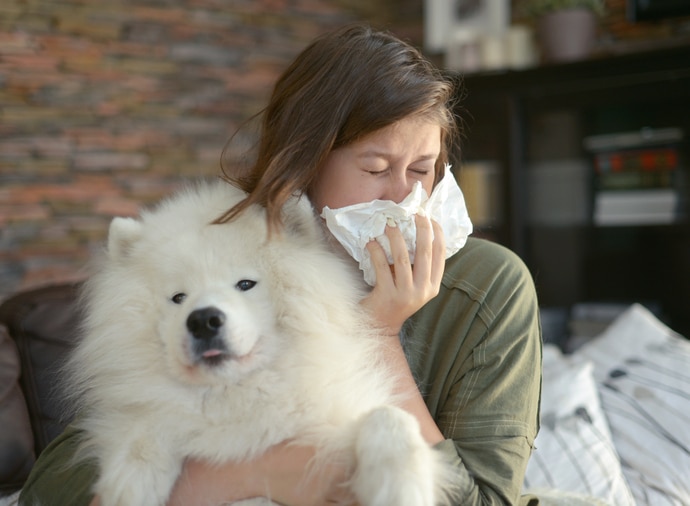
Many people love dogs but suffer from allergies. Allergies can cause sneezing, itchy eyes, and skin rashes. Some wonder if certain dog breeds cause more allergies. Understanding allergies and dogs helps explain this better.
Not all dogs cause the same allergic reactions. Allergies depend on what triggers the immune system. These triggers are called allergens. Knowing common dog allergens and how allergies develop is important.
Common Dog Allergens
Dog allergens mainly come from dander, saliva, and urine. Dander is tiny skin flakes that dogs shed all the time. Saliva contains proteins that can stick to fur and skin. When dogs lick themselves, saliva spreads on their coat.
Dog hair itself is not an allergen. Allergens stick to the hair and spread around the home. Some breeds shed less dander, but no dog is completely hypoallergenic. Urine also has proteins that can trigger allergies, especially in male dogs.
How Allergies Develop
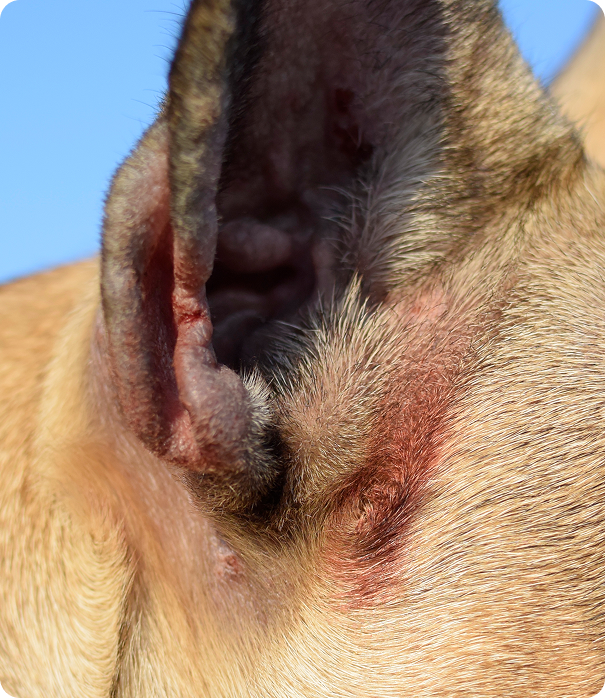
Allergies start when the immune system overreacts. It treats harmless proteins as threats. The body releases chemicals like histamine to fight these proteins. This causes allergy symptoms such as sneezing, coughing, and itching.
Repeated exposure to allergens can increase sensitivity. Some people develop allergies later in life. Genetics also play a role in who gets allergic reactions. Avoiding allergens is hard because dog proteins spread easily.
Credit: www.sydneybulldogclinics.com.au
Breed-specific Allergies
Breed-specific allergies refer to the idea that some dog breeds cause more allergy symptoms than others. Allergies to dogs happen because of proteins found in their skin flakes, saliva, and urine. Different breeds produce these proteins in varying amounts. This can affect how much a person reacts to them.
People often wonder if certain breeds trigger allergies more often. Understanding this can help choose the right dog for an allergy-sensitive home. It is important to know the facts and clear up common myths about dog breeds and allergies.
Do Some Breeds Trigger More Allergies?
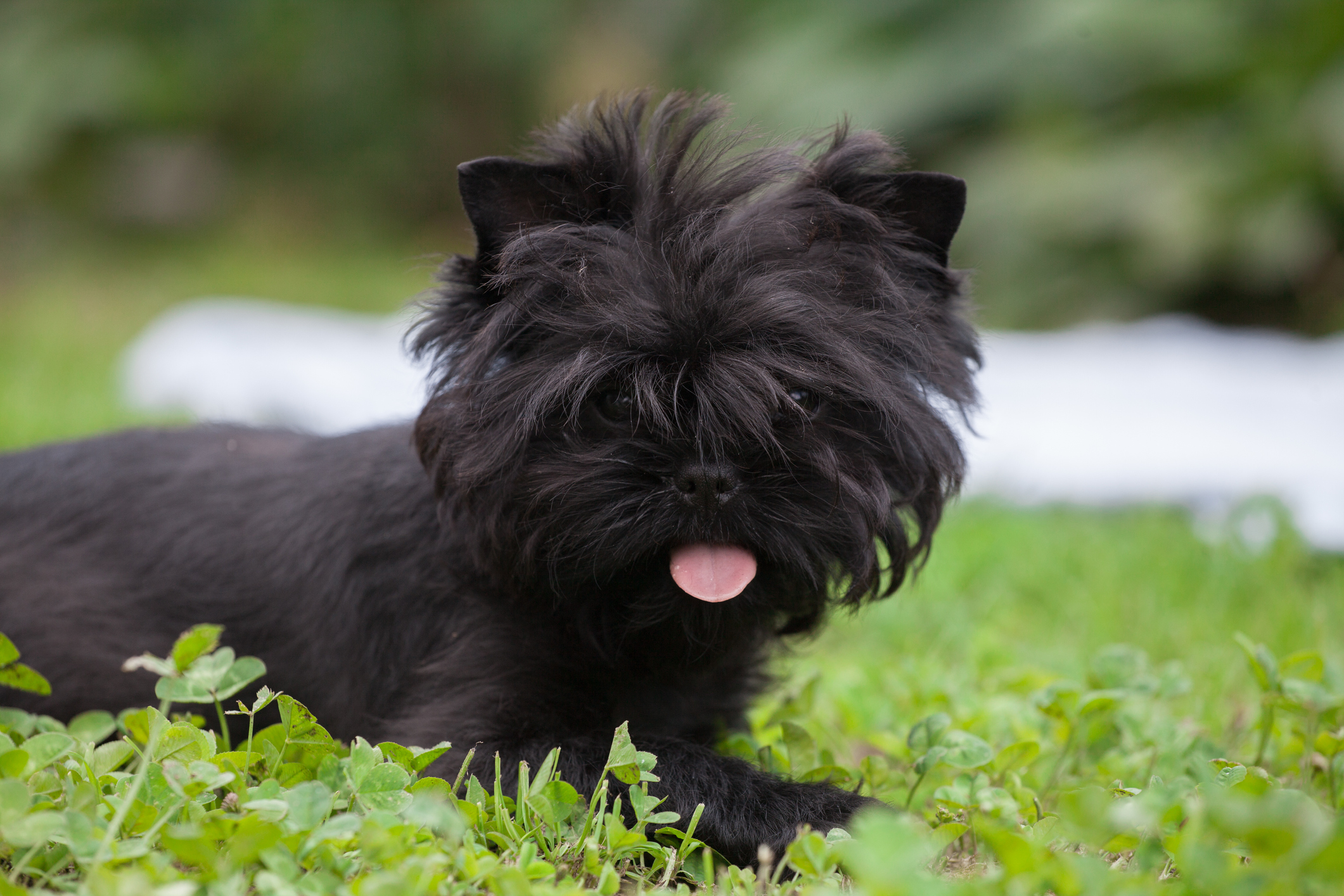
Yes, some breeds may trigger allergies more than others. Dogs that shed a lot spread more dander, which contains allergy-causing proteins. Breeds with long, thick coats often shed more. This can increase allergy symptoms in sensitive people.
On the other hand, dogs that shed less may cause fewer problems. Breeds like Poodles or Bichon Frises shed little, reducing dander spread. Still, no dog breed is 100% allergy-free. Allergic reactions depend on the person and the dog’s protein levels.
Myths About Hypoallergenic Dogs
Many believe hypoallergenic dogs do not cause allergies. The truth is that no dog is completely hypoallergenic. These breeds produce fewer allergenic proteins but do not eliminate them. People with severe allergies may still react.
Hypoallergenic dogs can help reduce symptoms. Regular cleaning and grooming also lower allergens in the home. Knowing the myths helps set real expectations for allergy sufferers.
Factors Influencing Allergic Reactions
Allergic reactions to dogs vary widely among people. Many factors affect how a person responds to different dog breeds. Understanding these factors helps manage allergies better. Some breeds seem to trigger fewer reactions, but allergies depend on more than just breed.
Dog Dander And Saliva
Dog dander is tiny skin flakes that dogs shed. It carries proteins that cause allergic reactions. Saliva also contains proteins that can trigger allergies. When dogs lick themselves, saliva dries and becomes airborne. Both dander and saliva are main allergy triggers.
Shedding And Fur Types
Shedding spreads dander around the home. Dogs that shed less often release fewer allergens. Fur type also affects allergen spread. Curly or wiry fur can trap dander better. Smooth or short fur may release dander more easily. These differences impact allergy symptoms.
Environmental And Individual Sensitivities
Allergy symptoms depend on the environment. Dust, pollen, and mold can worsen reactions. Air quality and cleaning routines matter. Individual sensitivities vary greatly. Some people react to all dogs. Others tolerate certain breeds well. Genetics and immune system strength influence this.
Managing Dog Allergies
Managing dog allergies can improve your life and your pet’s well-being. It helps reduce symptoms and makes living with dogs easier. Simple steps can control allergic reactions and keep you comfortable.
Understanding your allergies and how to handle them is key. This section covers testing, breed choices, and relief methods to help manage dog allergies effectively.
Allergy Testing And Diagnosis
Start by visiting an allergy specialist. They can perform skin or blood tests. These tests show if you react to dog dander or other allergens. Knowing your triggers helps find the right treatment. Diagnosis is the first step in managing allergies well.
Choosing The Right Breed
Some dog breeds produce fewer allergens. Breeds like poodles and bichon frises shed less dander. These breeds might cause fewer allergy problems. Selecting a low-allergen breed reduces symptoms. It does not guarantee no allergies but helps a lot.
Allergy Relief Strategies
Keep your home clean to lower allergens. Vacuum often using a HEPA filter vacuum cleaner. Wash your dog’s bedding and toys regularly. Use air purifiers to remove airborne allergens. Bathing your dog weekly can reduce dander. Medications like antihistamines may ease symptoms. Consult your doctor about the best options.
Living Comfortably With Dogs
Living comfortably with dogs is possible even with allergies. Understanding how to reduce allergens helps many dog lovers enjoy their pets. Simple habits at home and care routines make a big difference. This section shares practical tips for a happier life with dogs.
Home Cleaning Tips
Keep your home clean to lower dog allergens. Vacuum floors and furniture often using a vacuum with a HEPA filter. Wash dog bedding and blankets regularly in hot water. Use air purifiers to reduce airborne pet dander. Clean hard floors with a damp mop to trap dust and hair. Remove clutter where pet hair can gather. These steps reduce allergens and make breathing easier.
Pet Care And Grooming
Regular grooming cuts down on dander and loose hair. Brush your dog outside to keep allergens out of the house. Bathe your dog weekly with gentle shampoo to remove dander. Check with your vet about allergy-friendly grooming products. Trim your dog’s nails and clean ears to keep them healthy. Grooming helps both you and your dog stay comfortable.
When To Seek Medical Advice
See a doctor if allergy symptoms worsen. Persistent sneezing, itching, or breathing trouble need attention. Allergy testing can identify specific triggers. Doctors can suggest treatments like antihistamines or allergy shots. Early advice helps prevent serious problems. Don’t ignore symptoms that affect daily life.
Credit: www.newsweek.com
Credit: www.chewy.com
Frequently Asked Questions
Can Certain Dog Breeds Cause Allergies More Often?
Yes, some dog breeds shed more dander, increasing allergy risks. Breeds like Poodles and Bichon Frises shed less, often causing fewer reactions.
What Triggers Allergic Reactions To Dogs?
Dog allergens come from dander, saliva, and urine. Dander is the primary cause, containing proteins that trigger immune responses in sensitive individuals.
Are Hypoallergenic Dog Breeds Truly Allergy-free?
No breed is 100% hypoallergenic, but some produce fewer allergens. Hypoallergenic breeds reduce symptoms but may still cause mild reactions in sensitive people.
How Can I Reduce Dog Allergy Symptoms At Home?
Regular cleaning, air purifiers, and grooming dogs often help. Keeping dogs out of bedrooms and washing hands after contact also reduces allergens.
Conclusion
Allergies to dog breeds can vary from person to person. Some dogs shed less, but no breed is 100% hypoallergenic. Pet dander and saliva cause most allergic reactions. Knowing your triggers helps you choose the right dog. Spending time with a breed before deciding is smart.
Managing allergies well can let you enjoy a furry friend. Don’t let worries stop you from finding a loyal companion. Careful planning makes living with dogs possible for many allergy sufferers.


